
Your agency works hard to land clients, but you keep hitting the same wall. You spend money on ads, send cold emails, and attend events. Yet, most of your new business comes from people you already know. Sound familiar? Many agency owners feel stuck in this cycle. They spend tons of cash on marketing while the best leads slip through their fingers. The truth is, you have a goldmine sitting right in front of you.
Building a referral engine for your agency business means creating a system that turns your happy clients and partners into your best salespeople. You do not have to chase leads anymore. They come to you.
I am going to walk you through exactly how to build this system from scratch. You will learn which people to target, how to talk to them, and what keeps them sending referrals your way. Grab a cup of coffee, and let’s go through it together.
What is a Referral Engine?
A referral engine is a system that turns your happy clients into your best salespeople. It works by building strong relationships, delivering great results, and making it simple for people to send business your way.
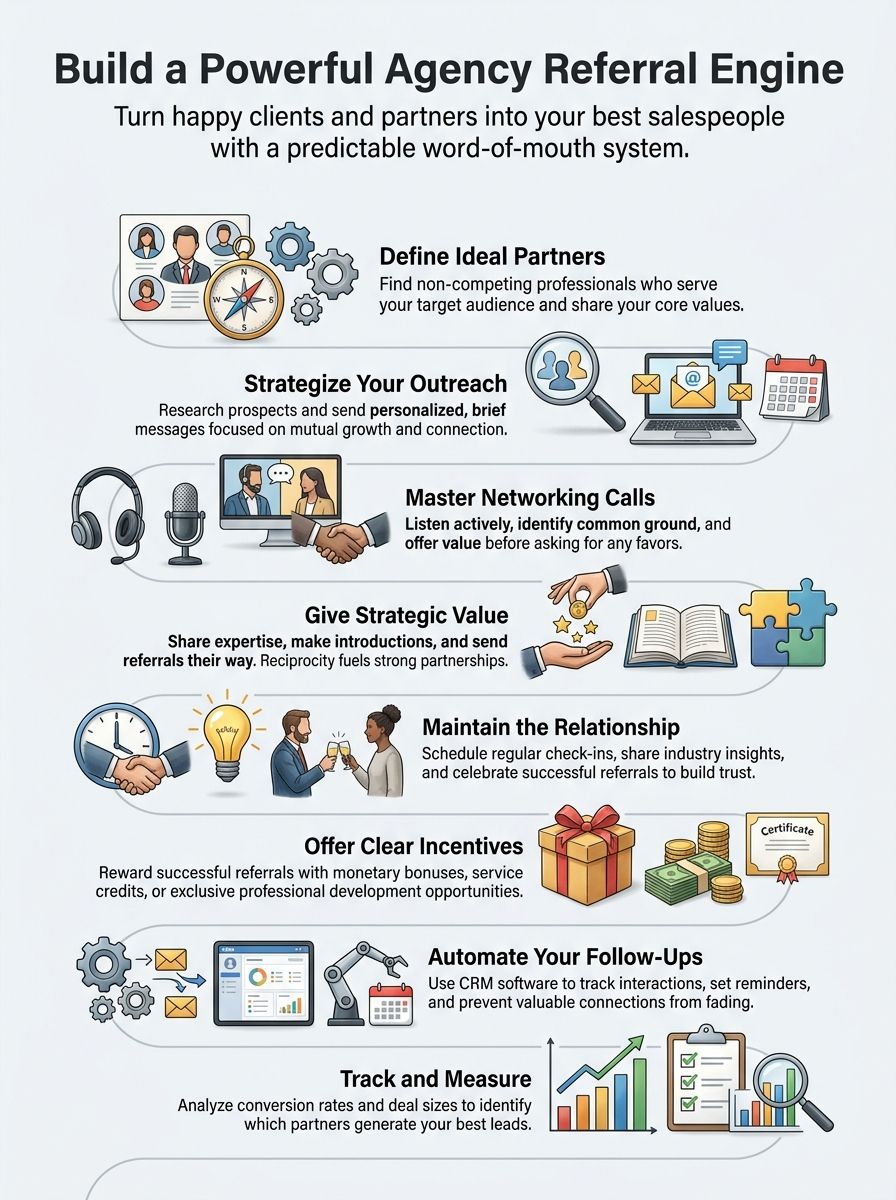
Definition and Purpose
A referral engine transforms your best clients into your most powerful marketing team.
Your referral engine is the system you build to get new clients through word of mouth and trusted recommendations. It works by turning satisfied clients into active advocates who send business your way. This marketing strategy focuses on client acquisition through personal connections rather than cold outreach.
Your agency stops chasing leads and starts receiving them naturally. The purpose runs deep because you create a steady stream of qualified prospects who already trust your work. Lead generation becomes much easier when people refer others to your services.
A 2026 report from Kondo notes that the average B2B sales cycle has stretched to six and a half months. Building this engine helps you bypass that exhausting timeline. Your business development efforts shift from expensive advertising to community engagement and networking.
You make referrals easy for people to give, risk-free for them to recommend, and rewarding when they send clients your way. The strategy cuts your marketing costs while boosting credibility in your US market. Clients acquired through referrals typically stick around longer and spend more money with your agency, transforming your agency’s growth into a predictable system.
Why is it Essential for Agency Businesses
Agency businesses face intense competition in today’s market. Your competitors are always hunting for new clients, and they are getting smarter about it. Referral engines cut through the noise because they bring warm leads directly to your door.
Here is why this strategy is absolutely vital for your agency today:
- Faster Deal Closings: Recent data from Salesso shows that referrals close in just 20 days, while cold calling takes an average of 60 days.
- Higher Conversion Rates: A Forrester report reveals that 84% of B2B conversions start from a direct referral.
- Better Retention: Referred clients have a 37% higher retention rate, meaning they stay with your agency much longer.
- Lower Acquisition Costs: You spend significantly less money on paid advertising and cold outreach tools.
People trust recommendations from friends and colleagues far more than they trust ads. This trust translates into faster sales cycles, higher conversion rates, and stronger client relationships. Your team closes deals faster because the groundwork is already done.
Instead of chasing leads through cold outreach and paid ads, your satisfied clients and partners do the work for you. You establish yourself as credible and trustworthy within your community, which opens doors to new partnerships and business development opportunities. Your agency builds momentum as referrals compound over time.
Key Components of a Successful Referral Engine
A strong referral engine rests on three pillars of trust, the right partnerships, and clear communication. You build these pillars through excellent service, smart partner selection, and consistent follow-ups that show you care.
Building Trust Through Exceptional Service
Your clients talk. They share stories about your work at dinner tables, in office hallways, and over coffee with friends. Exceptional service builds the foundation for all referrals, because people refer businesses they trust.
Deliver outstanding results on every project, respond quickly to client questions, and solve problems before they become disasters. Your clients become your best marketing strategy when you treat them like partners instead of simple transactions. This approach to client acquisition costs nothing extra, yet it generates word of mouth that money cannot buy.
Your reputation is your most valuable asset in the referral game.
Trust grows through consistency and attention to detail. Show up on time, follow through on promises, and communicate clearly about timelines and expectations. Your referral strategy starts here, in these small moments where clients decide if you are worth recommending.
Partnerships with referral partners happen naturally when your reputation precedes you. People want to send business to agencies that deliver results and treat clients with respect.
Identifying the Right Referral Partners
Not all referral partners fit your agency. You need people who serve your ideal clients but do not compete with you directly. Think of it like finding puzzle pieces that match your shape perfectly.
A web designer pairs well with a marketing strategist. A business coach works great with an accountant. These partnerships create natural opportunities for word-of-mouth marketing without stepping on each other’s toes.
Start by mapping out who already works with your target audience. Look at local US networking groups like Business Network International or digital communities like RevGenius. This approach to client acquisition beats cold calling every single time.
Look for partners who share your values and commitment to quality. Someone who delivers outstanding results to their clients will naturally send referrals your way because they trust your work. Ask yourself if you would refer this person to your best friend.
The best referral partners take pride in their recommendations. They will not send business your direction unless they know you will deliver exceptional service. This mutual respect forms the foundation of strong networking relationships.
Clear Communication and Consistent Follow-ups
Clear communication forms the backbone of any strong referral engine. You must spell out exactly what you need from your referral partners, what problems you solve, and who your ideal clients are. Vague messages get vague results.
Your referral partners cannot send you quality leads if they do not know what quality looks like to you. Share your client acquisition strategy with them by using these specific tactics:
- Share Specific Profiles: Give them a one-page document outlining your exact buyer persona.
- Use Shared Tracking: Set up a shared Slack channel or a free Trello board to track mutual leads clearly.
- Schedule Regular Catch-ups: Book a short, recurring monthly call to discuss shared opportunities.
- Celebrate Wins: Always send a quick thank-you note the moment a lead is passed to you.
A partner who understands your business development goals will send referrals that actually fit. This clarity cuts through confusion and builds momentum fast.
Consistent follow-ups separate successful agencies from those that fade away. You touch base regularly, share wins, ask how they are doing, and show genuine interest in their business. Tracking your outreach efforts through a CRM system helps you stay organized and never miss a beat.
Steps to Build a Referral Engine for Your Agency
Building a referral engine takes real work, but the payoff makes it worth your effort. You will move through five concrete steps that transform how people talk about your agency.
Step 1: Define Your Ideal Referral Partner Profile (IRPP)
Your referral engine starts with a crystal clear vision about who you want sending business your way. Nailing down your Ideal Referral Partner Profile separates agencies that grow from those that spin their wheels.
- Identify companies that serve the same clients but offer completely different services.
- Verify their company size and revenue using tools like LinkedIn Sales Navigator.
- Ensure their business ethics and values align perfectly with yours to protect your reputation.
- Confirm they have established trust with their audience and deal directly with decision-makers.
- Document specific pain points they face so you can offer genuine help during outreach.
Step 2: Outreach Strategies to Engage Referral Partners
Reaching out to potential referral partners requires a thoughtful approach that shows respect for their time and business. Smart outreach strategies turn cold contacts into warm relationships that generate real business growth.
- Research each potential partner deeply before you ever send a message.
- Send a highly personalized email mentioning a specific, recent achievement of theirs.
- Use a cold outreach tool like Woodpecker to automate a gentle, polite follow-up sequence.
- Respond within five minutes if they reply, as 2025 data shows speed drastically increases qualification rates.
- Offer immediate value, like a helpful article or a warm introduction to someone in your network.
Step 3: Conducting Effective Networking Calls
Networking calls form the backbone of your referral engine strategy. These conversations turn potential partnerships into real business development opportunities.
- Prepare clear talking points about who your agency helps best.
- Ask about their business challenges first to show genuine, focused interest.
- Share a specific, quantifiable client success story to make your work tangible.
- Use Calendly to remove scheduling friction and strictly limit the call to fifteen minutes to avoid Zoom fatigue.
- Send a personalized thank-you email within twenty-four hours of hanging up.
Step 4: Providing Value Through Strategic Giving
Strategic giving separates successful agencies from the rest of the pack. Your referral partners need to see that you care about their success, not just your own.
- Share industry insights freely to help them serve their own audience better.
- Introduce them to potential clients without expecting any immediate return favor.
- Send a physical thank-you gift using Sendoso or a digital Starbucks card for their time.
- Highlight their recent wins and case studies on your own social media channels.
- Give honest, constructive feedback when they ask for your professional opinion.
Step 5: Maintaining Relationships After Initial Engagement
Your referral partners need ongoing attention to stay engaged and productive. Consistent communication transforms one-time connections into long-term business development allies.
- Schedule a quick, friendly check-in call every single quarter.
- Share detailed updates on exactly how their past referrals are performing.
- Set automatic thirty-day reminders in your CRM so no partner is ever forgotten.
- Celebrate joint wins publicly on LinkedIn if your partner is comfortable with it.
- Regularly ask for their feedback on your referral process to spot any friction points.
Strategies to Encourage Referrals
Getting referrals takes more than just asking for them. You need to create conditions that make people want to send business your way. The best referrals flow naturally when you deliver outstanding results and remove all friction from the process.
Earn Referrals Organically Through Outstanding Results
Your clients talk to their friends, their business partners, and their competitors. When you deliver outstanding results, your clients become your best marketers. They share their success stories without you asking them to do it.
This organic word-of-mouth marketing costs you nothing, yet it carries massive weight. In fact, Nielsen data shows buyers are four times more likely to buy when referred by a friend. Your work speaks louder than your words.
Exceptional service builds trust, and trust builds referrals. Clients refer people they know to agencies they believe in. Focus on exceeding expectations with every single project.
The magic happens when your agency becomes known for solving real problems. Over time, your reputation grows in your community. People start calling you because someone they respect recommended you. Your business development strategy should prioritize client relationships above all else.
Make Referrals Easy and Risk-Free
Great results build momentum, but they do not guarantee referrals will flow your way. People hold back from sending referrals because they fear the outcome. They worry that their contact might get poor service, or worse, damage their own reputation.
Removing this friction point transforms your referral strategy from a hope into a reliable system. Make referrals so simple that people feel comfortable sending them your way without hesitation. To make the process effortless, implement these simple steps:
- Use a Simple Form: Create a clean, one-page intake form using Typeform or Jotform.
- Ask Specific Questions: Guide partners by asking exactly what problem the prospect needs solved.
- Offer a Guarantee: Promise that if anything goes wrong, you will fix it at no cost.
- Provide Updates: Send automated email updates so partners know the status of their lead.
- Act Fast: Follow up immediately when a new lead drops into your inbox.
Simplicity wins here. Speed tells referral partners that their effort matters to you. People send more referrals when they see immediate action and real results from their networking efforts.
Offer Incentives for Successful Referrals
Once you remove friction from the referral process, the next logical step involves rewarding those who bring business your way. Ensure you stay compliant with US tax laws by collecting a W-9 form for any payouts exceeding $600 in a calendar year.
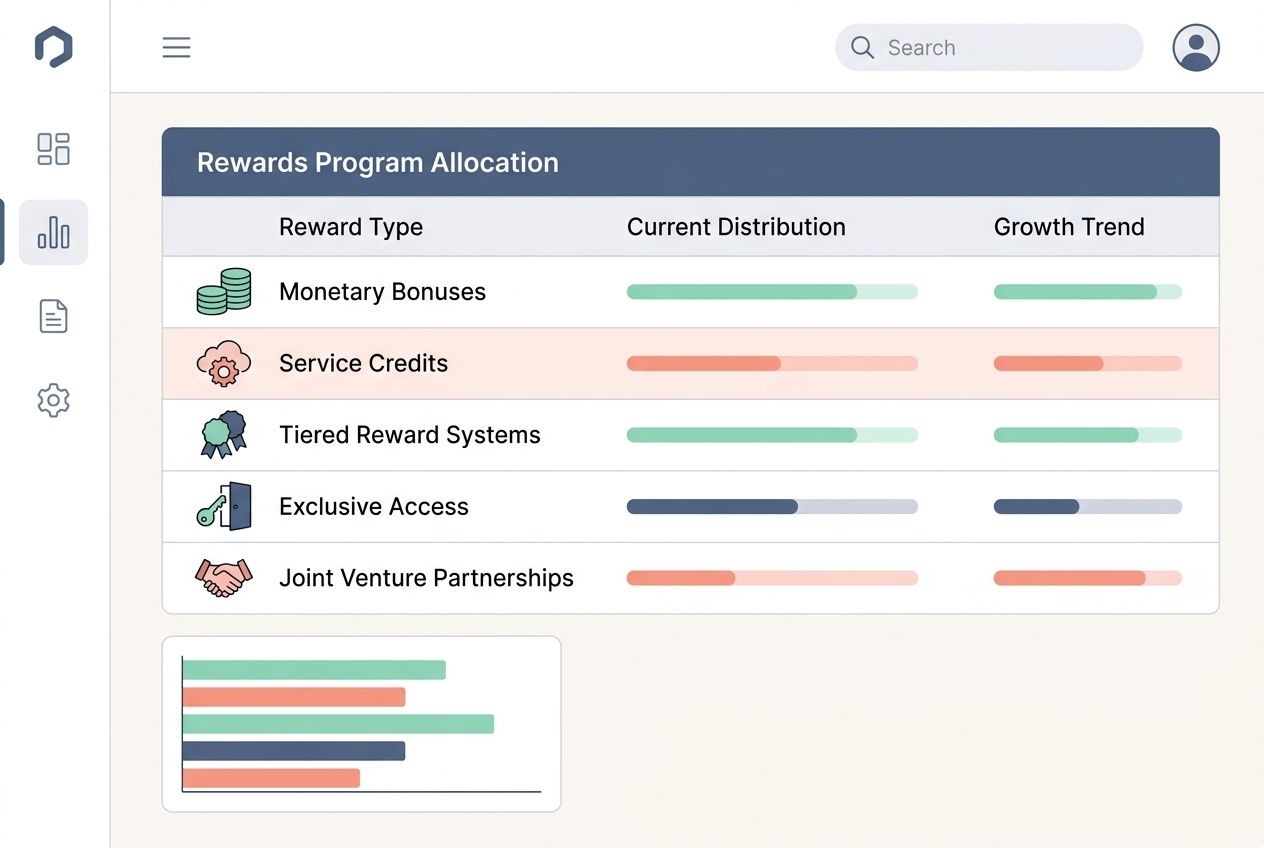
| Incentive Type | How It Works | Best For |
|---|---|---|
| Monetary Bonuses | Pay a flat fee or percentage commission for each successful referral that converts to a client. Amounts range from $500 to $5,000, depending on your average contract value. Direct payments arrive within 30 days of project completion. | Agencies with healthy margins and established referral partners who understand your pricing structure. |
| Service Credits | Offer credits toward your services instead of cash payouts. Referral partners receive $1,000 in credits for every successful referral they send. They apply credits to future projects or share them with clients as added value. | Agencies seeking to build long-term client relationships and encourage repeat referrals. |
| Tiered Reward Systems | Structure rewards based on referral volume. First referral yields $500. Third referral yields $1,000. Escalating rewards motivate continuous engagement. | Agencies want to identify and cultivate their most valuable referral sources. |
| Exclusive Access and Recognition | Grant top referrers VIP status, early access to new services, or featured placement in your marketing materials. Feature their name in case studies or testimonials. | Agencies are building community and strengthening emotional connections with partners. |
| Joint Venture Partnerships | Propose revenue sharing on referred projects. Partners receive 10-20% of project revenue for ongoing involvement. Creates mutual investment in project success. | Agencies are collaborating with complementary service providers seeking deeper integration. |
Money motivates action, yet it does not work alone. Partners who see themselves valued beyond financial transactions develop loyalty that lasts years. The best incentive programs combine immediate rewards with long-term benefits.
Your referral partners want recognition, growth opportunities, and proof that their efforts matter to your business. A referral partner who receives a bonus but no acknowledgment feels transactional.
Stack your incentives thoughtfully. Track which incentive types drive the most referrals over time, and double down on what works best for your unique network.
Tools and Technology to Support Your Referral Engine
The right software and systems make tracking referrals simple, so stick around to discover which tools actually move the needle for your agency.
CRM Software for Tracking and Managing Referrals
A CRM system becomes your command center for referral success. It tracks every partner interaction, stores contact details, and logs referral sources, all in one place. Your team sees who referred which clients, when conversations happened, and what outcomes followed.
Choosing the right CRM makes a massive difference for US agencies in 2026:
- GoHighLevel: This is fantastic for multi-client agencies because it offers unlimited sub-accounts.
- HubSpot: This remains the gold standard for tracking internal sales pipelines and deep reporting.
- Pipedrive: A highly visual, simple tool perfect for smaller agencies focusing strictly on sales stages.
- Salesflare: An excellent automated CRM that pulls data directly from your email and calendar.
This visibility helps you spot patterns in your best referral partners. You can measure which relationships generate the most leads and which ones need more attention. CRM software also flags follow-up dates, so no partner falls through the cracks.
Your agency builds stronger partnerships when everyone knows the referral history and next steps. Analytics tools measure referral success by showing conversion rates, average deal size, and partner performance.
Automation Tools for Outreach and Follow-ups
Automation tools save your team hours each week by handling repetitive outreach tasks. Email sequences run on their own, sending messages to referral partners at the right time without you lifting a finger.
Your outreach strategy becomes consistent and reliable when software handles the heavy lifting. Platforms like ActiveCampaign offer deep email automation that connects your business development goals to practical action. These tools track who opened your emails, clicked your links, and engaged with your content.
You spot patterns in your lead generation efforts and adjust your approach based on real data. Your team focuses on building real relationships instead of copying and pasting the same message fifty times.
You track client acquisition metrics and understand which networking efforts drive actual revenue. This data shapes your referral marketing strategy and helps you invest time where it matters most.
Analytics Tools to Measure Referral Success
You need real data to steer your referral engine in the right direction. Numbers tell the story that gut feelings cannot.
| Analytics Tool Category | Key Metrics to Track | Why It Matters for Your Agency |
|---|---|---|
| CRM Analytics Dashboards |
• Referral source identification • Conversion rates by partner • Deal size and revenue
|
Shows which partners send your best clients. High-quality referrers get your attention first. Low performers need strategy shifts. |
| Attribution Software |
• Multi-touch paths • Partner contribution scoring • Cost per acquisition
|
Credits go to the right people. You avoid overpaying weak referrers. Budget flows to your best channels. |
| Pipeline Management Platforms |
• Referral stage progression • Win rates by source • Average deal velocity
|
Watch deals move through your pipeline. Bottlenecks appear clearly. Referrals from certain partners move faster. |
Start measuring today, not tomorrow. Your referral engine needs oxygen, and data provides it. Track everything for the first ninety days, then focus on your top three metrics. Partners notice when you take results seriously.
Common Mistakes to Avoid When Building a Referral Engine
Most agencies kill their referral engines before they even get started, simply because they skip the follow-up step or chase the wrong people. You will watch your referral strategy fall apart fast if you do not give value first and ask for referrals second.
Overlooking the Importance of Follow-ups
Many agency owners lose momentum after the first contact with referral partners. They send one email, make a single call, then move on to the next prospect. This approach ends your referral marketing strategy before it even starts.
Your referral partners need to hear from you multiple times before they remember you exist, let alone send clients your way. In fact, last year’s 2025 sales data from Salesso shows that the average B2B deal requires up to eight touchpoints to close. The same persistence applies to building real partnerships. To master the art of the follow-up, implement these habits:
- Use a CRM Sequence: Build an automated cadence that spaces out your emails naturally over weeks.
- Share Value, Do Not Just Pitch: Send an insightful article on touchpoint three instead of asking for a lead.
- Pick Up the Phone: Break the digital noise by making a quick, friendly phone call.
- Connect on LinkedIn: Engage with their content regularly to stay visible without being pushy.
Without consistent follow-ups, your networking efforts become one-time conversations instead of lasting partnerships. Track every interaction you have with potential referral partners in your CRM software.
Agencies that master follow-ups see their word-of-mouth marketing grow rapidly. Your referral engine runs on these touchpoints.
Targeting Clients Instead of Referral Partners
You have learned that follow-ups matter, but here is where many agencies stumble next. They chase their current clients for referrals instead of building real relationships with referral partners.
Your clients buy from you because they need your services, not because they want to send business your way. They are busy running their own operations. Asking them to refer you puts the burden on people who already have full plates.
A pro-tip I always share with agency owners is to avoid asking clients for referrals immediately after they sign a contract. Wait until you hit a major, measurable milestone.
Your referral engine needs fuel from people who actually want to help you grow. Referral partners, like complementary service providers or industry contacts, have natural reasons to send leads your way. Build your networking and business development efforts around these partnerships instead.
Failing to Provide Value to Referral Partners
Many agencies make a critical mistake by treating referral partners as one-way ticket machines. They ask for introductions, collect leads, and then vanish into thin air. Your referral partners need to see real benefits from the relationship, or they will stop sending business your way.
This means sharing insights about their industry, introducing them to potential clients, or offering your expertise without keeping score.
Strategic giving builds loyalty that lasts a lifetime in business.
When partners feel valued, they become your biggest cheerleaders in the community. Failing to provide value transforms your referral strategy into a dead end. Give them a massive public shoutout on LinkedIn and tag their company. It costs you absolutely nothing, but it builds incredible goodwill.
Small gestures of generosity create big returns in lead generation and client acquisition. The best referral engines run on mutual benefit, not one-sided transactions.
Benefits of a Strong Referral Engine
A strong referral engine transforms how your agency grows, bringing in qualified leads that already trust your work. Your business gains momentum through word-of-mouth marketing, which costs far less than traditional advertising while producing better results.
Consistent Lead Generation
Your referral engine becomes a steady stream of new business opportunities. You stop chasing leads and start having leads chase you. This shift happens because referral partners send clients your way on a regular basis.
The financial impact of this consistency is massive:
- Higher ROI: Referral programs deliver four times higher ROI than digital advertising.
- Predictable Flow: You rely less on the unpredictable swings of paid ad algorithms.
- Focused Sales Teams: Your team focuses entirely on closing warm deals instead of hunting for cold prospects.
- Compounding Growth: Your community engagement efforts pay off year after year as your network expands.
Your marketing strategy transforms from expensive ads to word-of-mouth recommendations. People trust referrals more than traditional marketing.
Lead generation through referrals costs far less than traditional marketing channels. Your client relationships deepen as you deliver outstanding results to each new referral.
Increased Credibility and Trust in the Market
People trust agencies that other people recommend. When referral partners send clients your way, those clients arrive with confidence already built in. They see your agency through the lens of someone they know and respect.
Having great reviews on platforms like Clutch.co or G2 is excellent, but a direct introduction from a trusted friend is unbeatable. This trust cuts through all the noise of typical marketing.
Clients who come from referrals close faster, stay longer, and spend more money. They skip the skepticism phase because a trusted source vouched for you.
Strong partnerships amplify your standing in the market. Each successful project you complete for a referred client becomes proof of your work. That proof travels back to your referral partners, who then feel confident sending more business your way.
Faster Business Growth with Lower Marketing Costs
That credibility you build opens doors. Your reputation spreads through word of mouth, and suddenly, referral partners bring leads straight to your desk.

Companies with active referral programs see a 24% lower customer acquisition cost across the board.
Your marketing costs drop dramatically when referrals fuel your lead generation. You spend less money on paid ads, email campaigns, and outreach tools because your referral engine does the heavy lifting.
Each successful partnership generates multiple clients without burning through your budget. Your agency grows faster because you focus resources on serving clients well, not hunting for them constantly. Referral marketing compounds over time.
Case Studies of Effective Referral Engines
Real agencies transformed their growth by building referral engines that generated consistent leads and strengthened their market position. Read on to see exactly how they achieved these results.
A Small Agency Generating Consistent Leads
LevelUp Leads, a highly rated US sales outsourcing agency in Laguna Beach, California, turned its business around by focusing entirely on referral partnerships.
They implemented a strict system to generate their impressive results:
- They spent three months identifying fifteen ideal partners.
- They targeted web designers, business consultants, and accountants who served the exact same client base.
- They reached out with genuine offers of value and shared client case studies.
- They introduced partners to their network without asking for anything in return.
Within six months, referrals accounted for a massive portion of new client acquisition, cutting their marketing costs by half. This agency’s success came from consistent follow-ups and relationship maintenance. They scheduled monthly coffee meetings with their top five referral partners and celebrated their wins publicly.
By treating referral partners as true collaborators rather than lead sources, they built a sustainable engine. They proved that word-of-mouth marketing remains one of the most powerful client acquisition tools available, securing a 90% client satisfaction rate on public review boards.
Achieving Growth through Strategic Partnerships
Strategic partnerships act as fuel for agency growth, transforming your business development efforts into a well-oiled machine. Your referral partners become extensions of your sales team, bringing qualified leads directly to your door without the heavy lifting of traditional marketing.
Look at Belkins, a top US lead generation agency based in Denver. By building genuine relationships with complementary businesses and using highly personalized outreach, they achieve 41% open rates on their communications.
These partnerships thrive when both sides benefit equally, so focus on what you can give first, not what you can take. Growth through strategic partnerships happens fast because you tap into established trust networks. Your partners already know their clients well, so referrals carry credibility from day one.
This approach slashes your marketing costs significantly while boosting your agency’s reputation in the community. You stop chasing cold leads and start receiving warm introductions from people who genuinely believe in your work.
The Closing Thoughts
Your referral engine becomes your most powerful marketing strategy when you commit to building genuine relationships. Agency growth happens fastest through word of mouth, client acquisition powered by trusted partners, and community engagement that feels authentic. You now have the tools, steps, and strategies to create a system that generates leads on its own.
Your business development efforts will compound over time as each successful referral builds credibility in your market. Take action today by identifying your ideal clients and reaching out to potential referral partners in your network.
I highly recommend that you start small and test what works. Start building that engine today, and watch your pipeline fill up naturally.
FAQs
1. How do I start building a referral engine for my agency business?
Start by directly asking your happiest clients to spread the word, since a Forrester report shows 84 percent of US B2B conversions begin with a referral. Make it incredibly easy for them by providing a simple email template or a quick call script so they know exactly what to say. You can also offer small, friendly rewards like a discount on future services to say a proper thank you.
2. What makes a good referral program work in an agency setting?
A great program is completely clear and simple, which is vital since an Impact study found 78 percent of the best US referral engines use double-sided rewards where both the referrer and the new client get a perk.
3. Can technology help me manage referrals better?
Yes, and you will definitely want to use it, especially since Gartner predicts 75 percent of US B2B companies will rely on automated tracking by 2026. Try using a dedicated tool like Referral Rock to ensure no lead slips through the cracks. These platforms handle all the heavy lifting for you by sending automatic reminders, tracking connections, and even firing off thank-you notes.
4. How do I keep clients excited about sending referrals over time?
Keep yourself top of mind by regularly sharing your agency’s success stories and celebrating the clients who help you grow. You can keep the momentum going by offering meaningful incentives, keeping in mind a 2025 Prefinery survey found that US consumers expect at least a $21 value for their efforts. Sometimes all it takes is sharing one great story and sending a simple $25 Amazon gift card at the exact right moment!