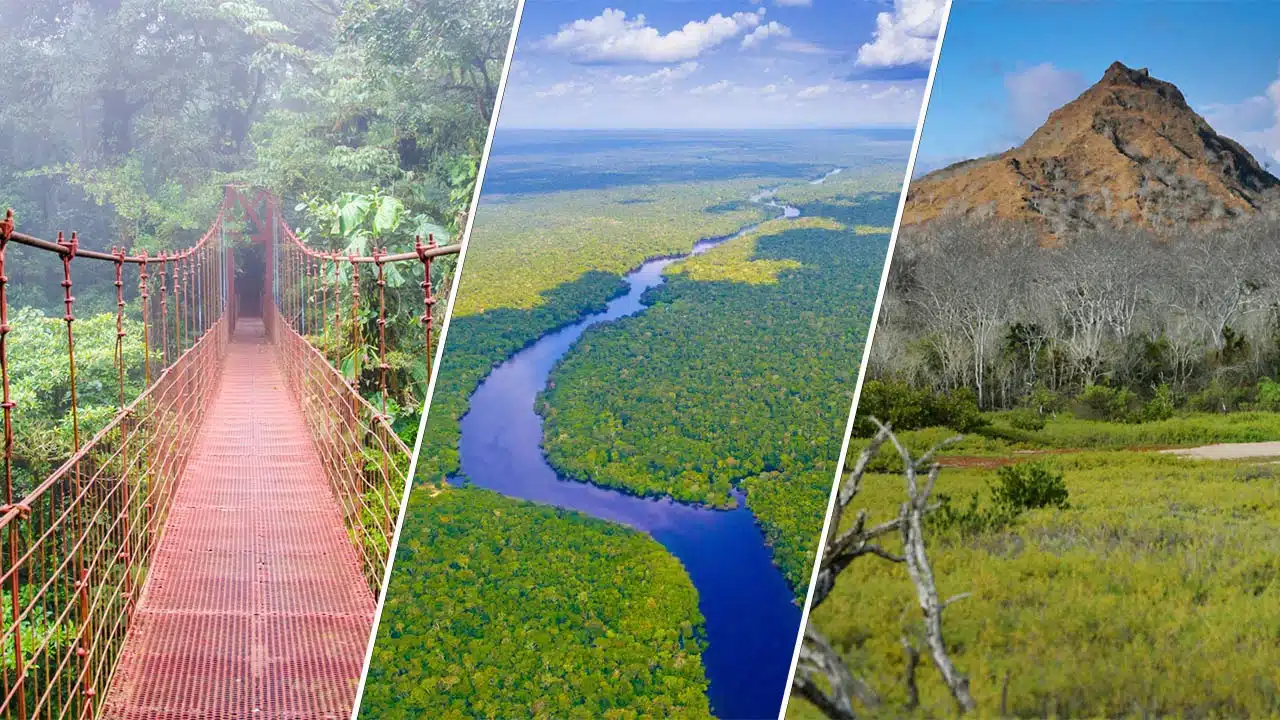
Latin America, with its vast landscapes, rich biodiversity, and diverse ecosystems, is a paradise for nature lovers and eco-conscious travelers. Ecotourism is not only a sustainable way to explore these regions, but it also allows visitors to connect deeply with nature while preserving the environment.
From the lush rainforests of the Amazon to the pristine beaches of Costa Rica, this article explores 15 breathtaking ecotourism destinations in Latin America that promise unforgettable adventures.
In recent years, ecotourism has become increasingly popular as travelers seek more meaningful experiences while being mindful of the environment. Latin America, home to some of the world’s most beautiful and biologically diverse regions, is a prime destination for those looking to immerse themselves in nature, engage with local communities, and support conservation efforts.
This article highlights 15 of the most stunning ecotourism destinations in Latin America, offering a blend of adventure, education, and responsible travel.
1. Amazon Rainforest, Brazil
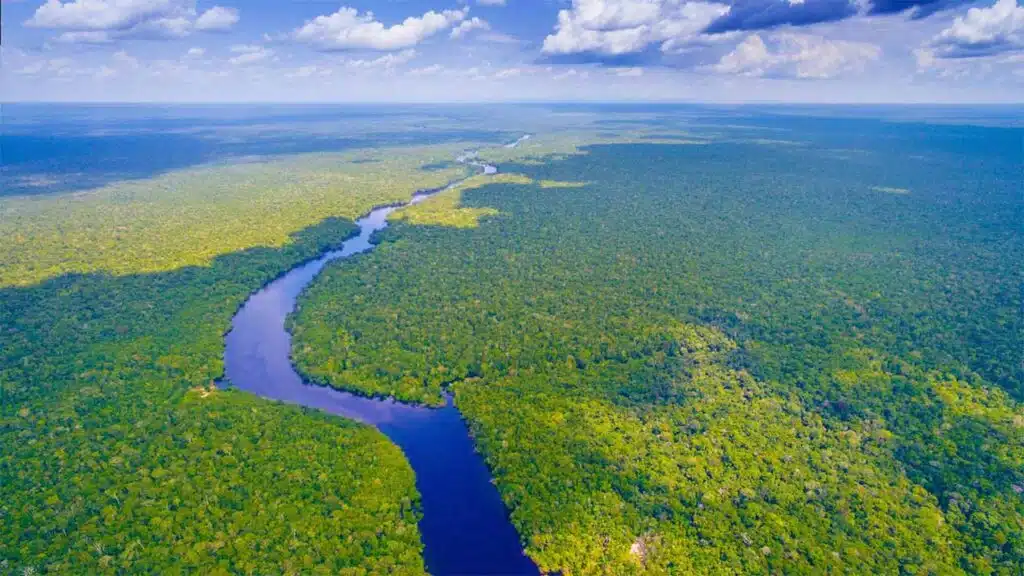
Brazil holds the majority of the Amazon rainforest, which is the largest tropical rainforest on Earth, spanning several countries. This iconic ecosystem is a haven for ecotourism, home to diverse wildlife, indigenous communities, and countless rivers, including the mighty Amazon River.
Visitors can explore the rainforest through guided tours, stay in eco-lodges, and learn about the efforts to protect this vital region.
- Activities: River cruises, wildlife watching, jungle trekking, and indigenous community visits.
- Best Time to Visit: June to October (dry season).
- Conservation Efforts: Many local lodges support reforestation projects and wildlife conservation.
2. Monteverde Cloud Forest, Costa Rica
Costa Rica is widely recognized for its eco-friendly tourism practices, with the Monteverde Cloud Forest serving as a shining example. Clouds envelop this mystical forest, creating a unique atmosphere for ecotourists.
The region is a sanctuary for countless plant and animal species, including the elusive quetzal bird. Monteverde offers a perfect balance between adventure and conservation.
- Activities: Canopy tours, night hikes, bird watching, and zip-lining.
- Best Time to Visit: November to April.
- Conservation Efforts: The Monteverde Cloud Forest Reserve is dedicated to preserving this fragile ecosystem, supported by eco-tourism initiatives.
3. Galápagos Islands, Ecuador
The Galápagos Islands, an archipelago of volcanic islands, are a UNESCO World Heritage site and one of the most unique ecotourism destinations in the world. The islands are famous for their endemic species, many of which inspired Charles Darwin’s theory of evolution.
Strict conservation measures protect this delicate environment, making the Galápagos a perfect example of sustainable tourism.
- Activities: Snorkeling, wildlife tours, and hiking.
- Best Time to Visit: Year-round, with June to November offering cooler temperatures and better wildlife sightings.
- Conservation Efforts: Visitor numbers are regulated to protect the islands’ ecosystems, and eco-conscious lodges contribute to ongoing conservation.
4. Torres del Paine National Park, Chile
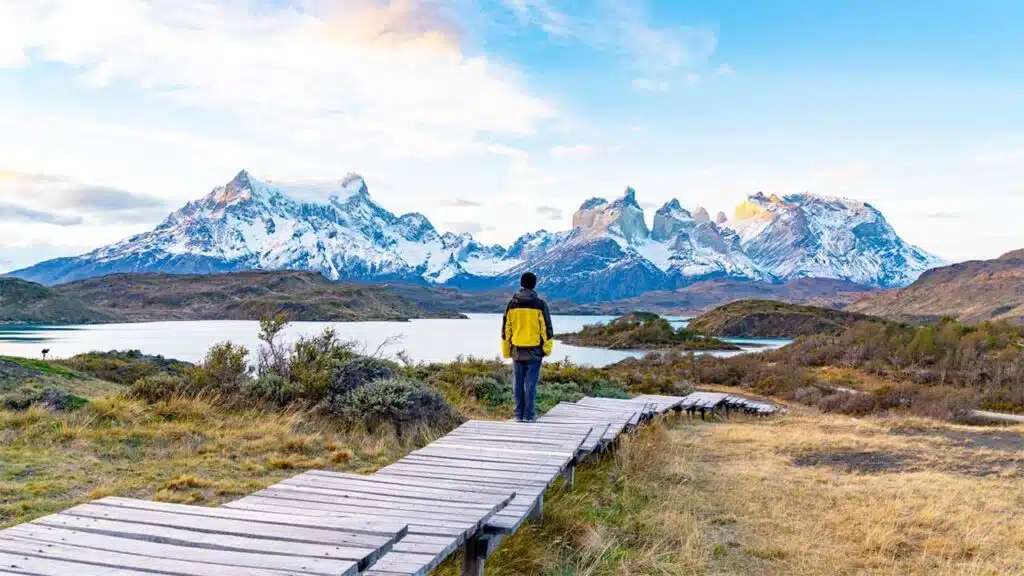
Located in the southern tip of Chilean Patagonia, Torres del Paine is famous for its towering granite peaks, glacial lakes, and diverse ecosystems. This breathtaking destination is perfect for ecotourists seeking adventure in untouched wilderness.
The park’s extensive network of trails allows visitors to explore its beauty while minimizing their environmental impact.
- Activities: Hiking, wildlife viewing, and glacier trekking.
- Best Time to Visit: November to March (summer).
- Conservation Efforts: We enforce sustainable tourism practices, including eco-friendly accommodations and efforts to minimize human impact on the park.
5. Pantanal, Brazil
The Pantanal is the world’s largest tropical wetland, located mainly in Brazil but also extending into Bolivia and Paraguay. It is a birdwatcher’s paradise and offers unique opportunities to see jaguars, capybaras, and caimans.
Unlike the Amazon, the Pantanal’s open landscape makes wildlife easier to spot, making it one of the most biodiverse regions in Latin America.
- Activities: Wildlife safaris, birdwatching, and boat tours.
- Best Time to Visit: July to October (dry season).
- Conservation Efforts: Lodges and tour operators in the Pantanal focus on preserving the ecosystem and protecting endangered species like the jaguar.
6. Los Glaciares National Park, Argentina
This UNESCO World Heritage site in Argentine Patagonia is home to the famous Perito Moreno Glacier, one of the most spectacular glaciers in the world.
The park is a must-visit for eco-tourists interested in glaciers, pristine lakes, and Andean landscapes. Conservation efforts focus on preserving the park’s natural beauty while allowing responsible tourism.
- Activities: Glacier trekking, boat tours, and hiking.
- Best Time to Visit: November to March.
- Conservation Efforts: Strict regulations are in place to minimize the environmental impact of tourism, ensuring the protection of the park’s glaciers.
7. Río Plátano Biosphere Reserve, Honduras
Río Plátano Biosphere Reserve is one of the last remaining tropical rainforests in Central America. It’s a UNESCO World Heritage site known for its biodiversity and cultural significance.
Visitors can experience pristine rivers, dense forests, and interactions with indigenous peoples, making it a top ecotourism destination.
- Activities: River excursions, wildlife tours, and cultural experiences with indigenous communities.
- Best Time to Visit: December to April (dry season).
- Conservation Efforts: The reserve works closely with local communities to promote sustainable practices and protect the region’s biodiversity.
8. Iguaçu National Park, Brazil/Argentina
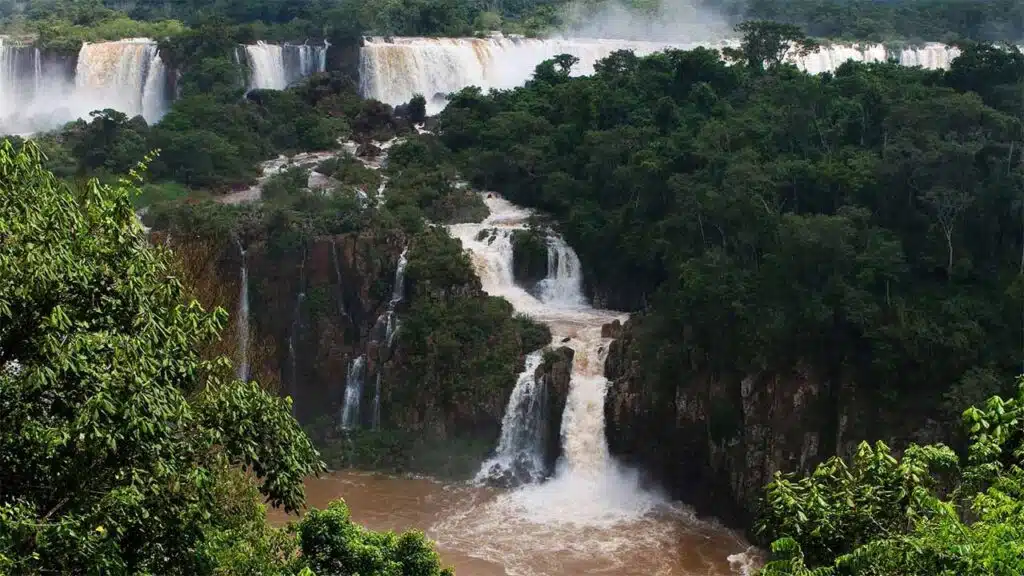
Straddling the border of Brazil and Argentina, Iguaçu National Park is home to the magnificent Iguaçu Falls, one of the largest and most impressive waterfalls in the world.
The park is a haven for wildlife, including jaguars, toucans, and giant anteaters. Visitors can explore the falls and the surrounding rainforest through eco-friendly tours.
- Activities: Waterfall viewing, hiking, and wildlife spotting.
- Best Time to Visit: August to November.
- Conservation Efforts: The park is committed to protecting its natural resources, and eco-tourism initiatives help to fund conservation projects.
9. Corcovado National Park, Costa Rica
People often refer to Corcovado National Park, located on Costa Rica’s Osa Peninsula, as the most biologically intense place on Earth.
The park protects vast tracts of primary rainforest and a wealth of wildlife, including tapirs, jaguars, and scarlet macaws. Ecotourists seeking an unexplored natural experience will find paradise here.
- Activities: Wildlife watching, hiking, and beach exploration.
- Best Time to Visit: December to April.
- Conservation Efforts: The park’s strict visitor regulations and eco-lodges play a key role in preserving its biodiversity.
10. Manu National Park, Peru
Manu National Park is a UNESCO World Heritage site located in the Peruvian Amazon. It’s one of the most biodiverse areas on the planet, home to a staggering variety of wildlife, including over 1,000 species of birds.
Manu offers a truly immersive ecotourism experience, with limited access ensuring the park remains unspoiled.
- Activities: Birdwatching, wildlife tours, and river excursions.
- Best Time to Visit: May to September (dry season).
- Conservation Efforts: Manu is heavily protected, with strict regulations on visitor numbers and eco-friendly accommodations.
11. Rapa Nui National Park, Chile
Rapa Nui, also known as Easter Island, is a remote island famous for its mysterious Moai statues. Beyond its cultural significance, Rapa Nui is also an ecotourism destination with unique volcanic landscapes and coastal ecosystems.
Visitors can explore the island’s history while engaging in sustainable tourism practices.
- Activities: Archaeological tours, hiking, and snorkeling.
- Best Time to Visit: April to June and October to December.
- Conservation Efforts: The park aims to preserve both the island’s cultural heritage and natural environment, with a focus on sustainability.
12. Yasuní National Park, Ecuador
Located in the Ecuadorian Amazon, Yasuní National Park is one of the most biologically diverse places on the planet. It’s home to indigenous communities, as well as a wide variety of wildlife, including jaguars, monkeys, and pink river dolphins.
The park’s remoteness and biodiversity make it a prime destination for ecotourists.
- Activities: Wildlife tours, birdwatching, and cultural interactions with indigenous groups.
- Best Time to Visit: December to March.
- Conservation Efforts: Yasuní is a vital area for biodiversity conservation, with eco-tourism supporting local communities and wildlife protection.
13. Cayos Cochinos, Honduras

The Cayos Cochinos islands are a hidden gem off the northern coast of Honduras. These small, undeveloped islands offer pristine coral reefs, making them a top destination for snorkeling and diving.
Cayos Cochinos is a marine protected area, with strict regulations ensuring the preservation of its delicate ecosystems.
- Activities: Snorkeling, diving, and hiking.
- Best Time to Visit: February to April.
- Conservation Efforts: The islands are a marine reserve, with eco-tourism helping to fund conservation efforts and protect the coral reefs.
14. Tikal National Park, Guatemala
Tikal National Park is both a cultural and ecological treasure, combining the ancient Mayan ruins with vast tracts of rainforest. Visitors can explore Tikal’s towering temples while spotting wildlife such as howler monkeys and toucans.
The park is a UNESCO World Heritage site, making it one of the most unique ecotourism destinations in Latin America.
- Activities: Archaeological tours, wildlife watching, and jungle trekking.
- Best Time to Visit: November to April (dry season).
- Conservation Efforts: The park’s eco-tourism initiatives help protect both the cultural heritage and the surrounding rainforest.
15. Barra Honda National Park, Costa Rica
Barra Honda is a lesser-known but equally breathtaking ecotourism destination in Costa Rica. The park is famous for its extensive cave systems, which visitors can explore with guided tours.
Above ground, Barra Honda offers hiking trails through dry tropical forests, home to a variety of wildlife, including monkeys and coatis.
- Activities: Cave exploration, hiking, and wildlife watching.
- Best Time to Visit: December to April.
- Conservation Efforts: The park is committed to preserving its unique cave systems and dry forest ecosystems, with sustainable tourism practices in place.
Conclusion
Latin America offers some of the most breathtaking ecotourism destinations in the world. From the towering peaks of Patagonia to the lush rainforests of the Amazon, these destinations allow travelers to connect with nature while supporting conservation efforts.
Ecotourism not only offers incredible experiences but also helps protect fragile ecosystems and support local communities. As more people embrace sustainable travel, these natural wonders will continue to thrive for future generations to enjoy.