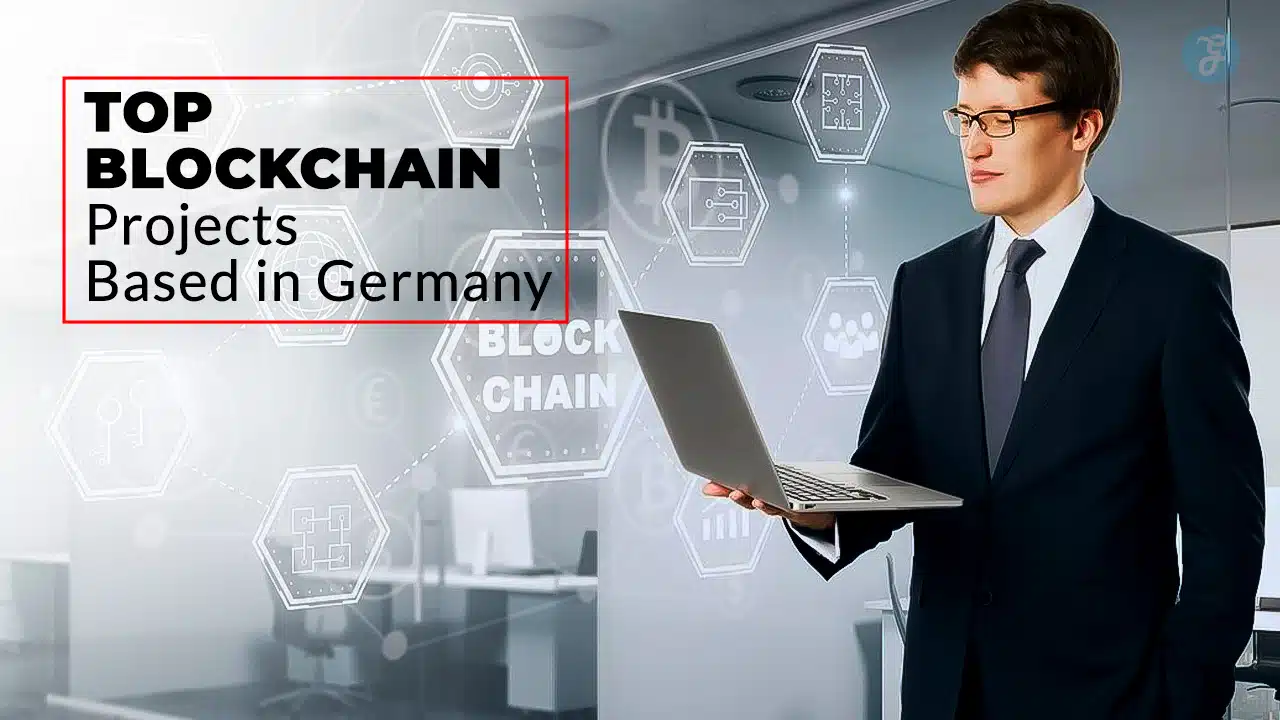
You feel lost in a sea of blockchain technology and don’t know which project can boost your business. Germany hosts many top distributed ledger systems that span finance, digital assets and dApps.
This post shows five prime blockchain projects based in Germany and details their business ledger solutions with smart contracts and digital transformation in mind. Read on to find your next blockchain partner.
Key Takeaways
- Finoa GmbH holds crypto in a BaFin-licensed vault. It uses cold storage, strong encryption, cloud services, and multi-signature smart contracts. Clutch-verified reviews rate its compliance and it charges $25–$149 per hour.
- SatoshiPay runs microtransactions on a layer-two network like Velas. It cuts cross-border fees to cents and settles payments in seconds. Authoreon adds decentralized authentication and smart contracts to boost security.
- Centrifuge tokenizes real-world assets—like invoices and property—on Ethereum and Polkadot. It taps Chainlink oracles for price feeds. Partner firms (Concise Software, Tymlez, Brainbot, emjul) span 2–249 staff, charge $25–$99 per hour, and build DeFi tools.
- holoride GmbH turns cars into VR theme rides with Unity and Unreal engines. It uses IoT sensors, Ethereum smart contracts, and Authoreon for secure data. Riders earn token-staking rewards. Authoreon has 2–9 staff and charges under $25 per hour.
- LUKSO offers a blockchain for digital fashion, art, and identities. It runs on EVM chains, uses IPFS storage, and supports MetaMask wallets. Teams like Unibright (10–49 members) and QaiWare ($25–$49 per hour, $25 000 min.) build tokenization and smart-contract tools.
Finoa GmbH
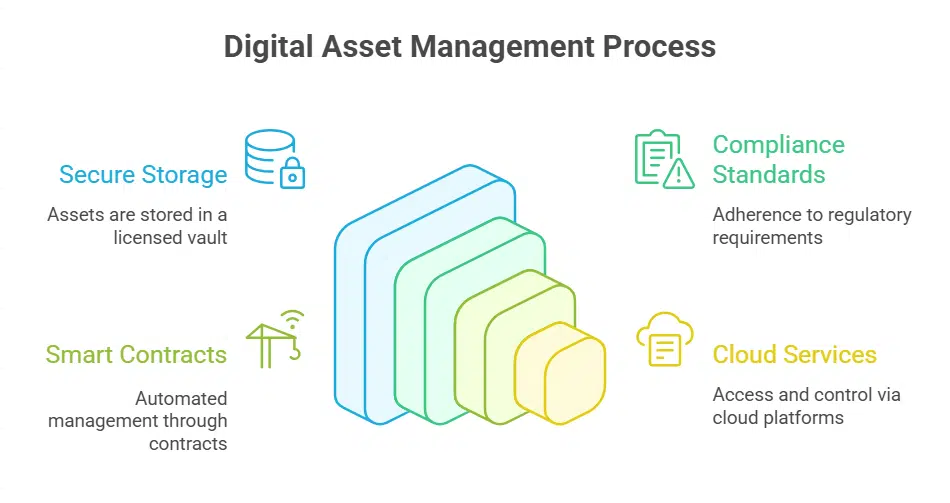
Finoa GmbH keeps crypto safe in a licensed vault, and it meets strict compliance standards. It uses smart contracts and cloud services to give investors fast, clear control over digital assets.
A regulated crypto platform for capital allocators
Germany’s regulator granted a crypto license that meets strict compliance rules. It keeps digital assets in cold storage with strong encryption. Investors find peace knowing identity checks and proof of funds follow legal standards.
The service uses blockchain technology, offering transparent reporting and smart contract development for fund managers.
Clutch collects verified reviews and confirms user identities for extra clarity. The platform lists hourly rates that span from under $25 to $149 for blockchain services, covering sidechain networks, digital transformation, and crypto asset custody.
Capital allocators can tap decentralized applications and staking rewards in one place. Firms gain a single point for compliance, security, and big data insights.
Features secure custody and digital asset services
Hardware wallets and air-gapped storage guard funds. Finoa stores digital assets in vaults. They use multi-signature smart contracts too. These steps boost blockchain security and cut single points of failure.
Security teams from Serokell tackle projects that range from $10,000 to $9,999,999. They offer blockchain consulting and custom software development. Clients praise their problem-solving skills and give them 100% satisfaction.
This mix fuels blockchain adoption and trust.
SatoshiPay
SatoshiPay zips microtransactions across borders with a nifty payment API, it juggles digital assets like a circus pro. It taps a layer-two network to slash fees to near zero and speed up transactions.
Instant payment solutions for global transactions
SatoshiPay uses blockchain technology to cut cross border fees. It handles microtransactions in digital assets and cryptocurrencies, and it makes payments match a publisher’s paywall.
It taps into EVM compatible networks like Velas to keep transactions fast.
Authoreon provides decentralized authentication, certification, and verification for each transfer. This system layers smart contracts over every record to boost security and transparency.
Banks then lose their gatekeeper role, as blockchain networks handle payments in real time.
Focus on microtransactions and cross-border payments
The platform processes instant payments. It taps blockchain technology. Smart contracts handle tiny transfers. This cuts fees to cents. Users move digital assets in seconds.
Users send funds across borders without banks. The infrastructure uses blockchain infrastructure. Payments clear in minutes, not days. Mobile wallets and decentralized applications integrate easily.
Small and medium-sized enterprises see more security and transparency.
Centrifuge
Centrifuge ties invoices and property deeds to the Ether network, using oracle feeds. Discover how its automated agreements let firms tap cash in minutes.
Unlocking liquidity for real-world assets
This Web3 platform pools real assets like invoices, real estate, and trade finance into tokenized digital assets. It mints NFTs on Ethereum with smart contracts and links to Polkadot via Substrate.
It taps Chainlink price feeds to set markets. Investors add liquidity in seconds through decentralized exchanges. Lenders see returns fast.
Berlin firms such as Concise Software employ 50 to 249 staff at $50 to $99 per hour to build blockchain technology and infrastructure. The team crafts smart contract development tools and tokenization modules.
They integrate IPFS with Substrate to store data, and they connect on-chain assets to real supply chain management. They also deploy AI modules to flag fraud in trade finance. Clients include capital allocators who need regulated fintech solutions.
Bridging decentralized finance with traditional financial markets
Centrifuge lets asset owners lock real world assets on a public blockchain. It uses smart contracts to move real estate or receivables into DeFi markets. Investors buy tokenized securities and earn staking rewards.
The network meets regulatory compliance and brings liquidity pools to traditional finance desks.
Tymlez has built private blockchains since 2016, with 10 to 49 staff and an hourly rate of $25 to $49. Brainbot Technologies sits in Mainz with under 50 employees and rates below $25 per hour.
It offers enterprise blockchain solutions and smart contract audits. emjul GmbH sets a minimum fee of $50,000 per project, it builds digital asset rails for bank-grade fintech firms.
These efforts spark blockchain adoption across securities desks and drive digital transformation in financial institutions.
holoride GmbH
holoride turns your backseat ride into a digital carnival, using smart contracts and a head-mounted display to sync fun with each turn. Explore their developer kit and docs to see how they mesh augmented reality with vehicle media hubs.
Immersive in-car entertainment using blockchain technology
Cars turn into motion-driven theme rides with holoride. The system taps blockchain technology and gaming engines like Unity. It uses smart contracts on Ethereum to manage digital assets and in-car content.
IoT sensors feed real-time data to virtual reality devices at each seat. Developers build decentralized applications with a mobile SDK and link cars to secure blockchain infrastructure.
Authoreon, a Munich firm with 2 to 9 staff and rates below $25 an hour, sets a local pace for blockchain innovation. Riders earn token staking rewards as they drive, stored on a public ledger and tracked by a consensus algorithm.
The design boosts transparency, security, and user engagement inside the vehicle. It blends in-car infotainment systems and decentralized applications for seamless fun.
Transforming vehicles into virtual theme parks
holoride GmbH straps a VR headset to a passenger. It uses blockchain technology to sync car data with the virtual ride. Drivers steer through digital landscapes as the cabin transforms.
Unity game engine and Epic’s Unreal Engine power each interactive story.
The system secures each ride through smart contract development. It locks digital assets and user preferences on a transparent chain. Passengers earn staking rewards by sharing fun data.
The app blends mobile app development and web development modules.
LUKSO

LUKSO crafts a fresh blockchain infrastructure, weaving smart contracts, tokenized assets, and web wallets to power digital identities for creatives. It runs on EVM chains and taps a distributed file system, so designers can mint digital fashion pieces and collectibles with ease.
Blockchain infrastructure for creative economies
Modern creative communities shape digital brands with blockchain technology. LUKSO backs digital identities and tokenized assets on a chain. It runs smart contract development for fashion labels, artists, and game makers.
It ties in non fungible token standard and public decentralized storage like IPFS. It uses Web3 libraries and wallet plugins such as MetaMask. It boosts blockchain security, transparency, and scalability for custom software development.
It cuts middlemen in global art trades and mobile app sales.
Small studios often tap into tokenization frameworks from Unibright. That startup splits focus 50 percent blockchain, 50 percent tokenization and holds 10 to 49 team members. Many hire QaiWare teams at 25 to 49 dollars per hour, with a minimum budget of 25,000 dollars.
Hands on, they link smart contracts to backends and set up staking rewards. They map out CRM systems and build consumer behavior tools. This mix drives digital asset management and non fungible token launches across business to business channels.
Supporting digital identities and tokenized assets
LUKSO uses smart contracts to record digital passports on a shared ledger. Users control digital assets like art or virtual wearables. Marketing-Faktor and 2TeamNFT drive 100 percent tokenization.
Clutch gave LUKSO high scores on verified reviews, identity checks, and client feedback.
The platform links digital wallets with custom apps on a blockchain infrastructure for digital assets management. Creators log in with a wallet connector and upload media via a file storage system.
They govern tokens with a local testing suite for smart contract deployment. It adds blockchain security and scalability to creative projects.
Takeaways
German innovators spark fresh blockchain ideas today. Finoa shields digital assets with smart contracts. SatoshiPay moves micro-payments across continents fast. Centrifuge merges real-world finance with DeFi, unlocking liquid funds.
Holoride turns rides into virtual theme parks with tokens and IoT gadgets. LUKSO empowers creators with NFTs and digital identities. Each team builds strong blockchain infrastructure and delivers mobile app development, web development, and software solutions.
Pick a partner, request a quote, and launch your next decentralized application journey.
FAQs on Blockchain Projects Based in Germany
1. What makes IOTA stand out in Germany?
IOTA links iot devices without high fees. It uses a tangle instead of a chain. This helps it scale fast, boosting blockchain scalability, and it runs circles around old ledger tech. Firms trust its blockchain infrastructure for reliability.
2. How does BigchainDB support digital assets and dapps?
BigchainDB blends fast database power with blockchain security. You can store art or tokens with full transparency. Many devs use it for dapps and blockchain development.
3. Why do firms choose Chainstep for enterprise solutions?
Chainstep builds custom software with an agile approach. They guide you in project management and blockchain integration. This cuts budgets like a hot knife through butter, and speeds up digital transformation.
4. How does Lisk help with smart contracts and apps?
Lisk uses JavaScript for smart contract development. It offers dev tools for mobile app development and web development. New devs feel at home with its simple UX.
5. Can Neufund offer staking rewards or issue NFTs?
Yes, Neufund is a fintech company for token issuance. You can launch a non-fungible token or earn staking rewards, no rocket science needed. It even backs daos to form a real distributed autonomous organization.
6. How do these blockchain startups drive blockchain adoption and maintain security?
They show blockchain technology in action, with strong blockchain security and full blockchain transparency. Small and medium businesses and fintechs jump in fast. They mix public cloud and private cloud, all while minding budgets.