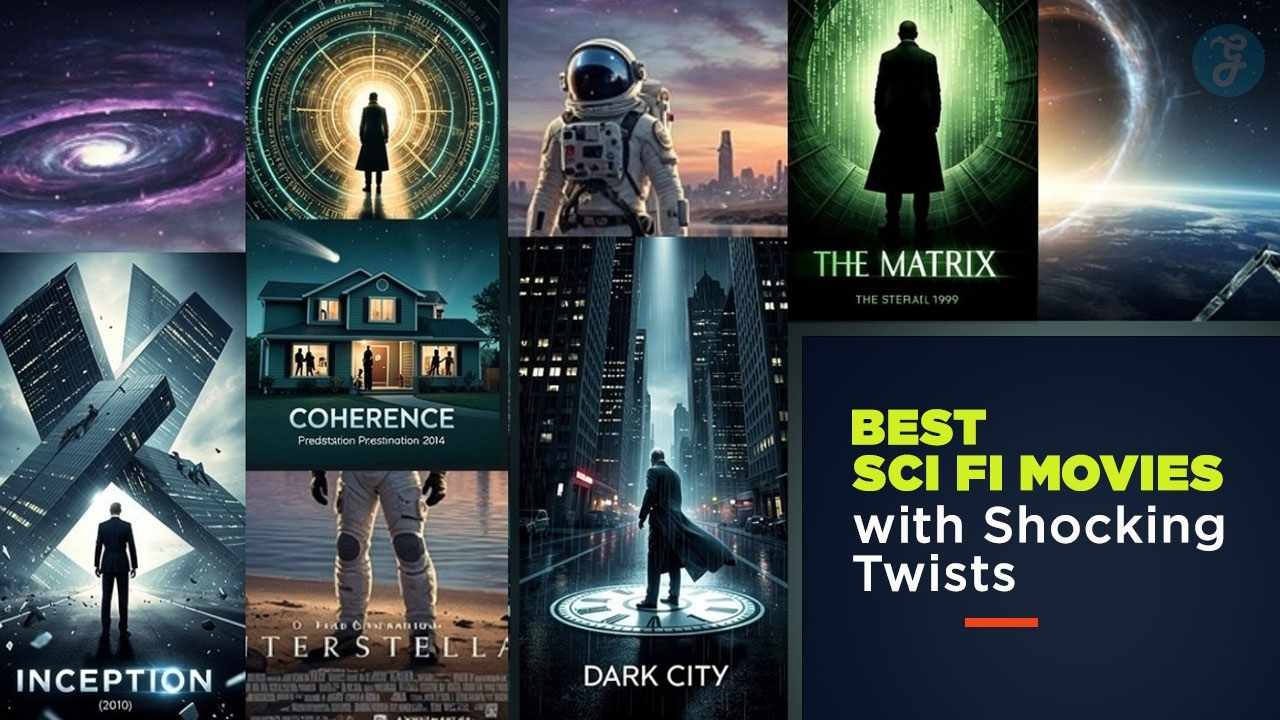
You know that feeling when a movie completely messes with your head? I absolutely love it. But finding a good sci-fi film that actually surprises you is tough. Sometimes they are just confusing rather than clever. You want a story that grabs you, shakes you, and leaves you staring at the screen as the credits roll. Spoiler alerts are the worst enemies of these films, aren’t they? Here is a cool fact. Some of the best Sci-Fi movies use these twists to challenge what we think about our own reality. They turn a regular movie night into a debate that lasts for hours.
I am going to walk you through my top picks for mind-bending sci-fi movies. I will also explain exactly why they work. Get ready for some wild rides and big shocks. These stories stick with you. Grab some popcorn. Let’s get started.
What Makes Sci-Fi Movies With Twists So Memorable?
Sci-fi movies with plot twists stick in our minds like gum on a shoe. These films turn stories upside down. They make us question what we thought was true. Take “The Matrix” from 1999. I remember sitting up straighter when Neo discovered his world was a simulation. Jaws dropped everywhere in the theater.
Psychologists actually have a name for this. It is called the Zeigarnik Effect. It suggests that people remember uncompleted or interrupted tasks better than completed ones. A good twist reopens the “task” of understanding the movie right at the end.
Twisted narratives keep people guessing. They make every scene matter more. Surreal storytelling pushes viewers to think differently about time travel, alternate realities, or even their own lives.
Mind-bending endings spark big conversations long after the credits roll. It is like sharing wild campfire tales that nobody can forget. Each shock grabs attention and leaves brains buzzing.
Criteria for Choosing the Top Sci-Fi Movies With Mind-Bending Twists
Strong plot twists drive these movies. But a twist alone isn’t enough. I looked for films that meet a specific set of standards to ensure they are actually worth your time.
Here is the checklist I used to pick these winners:
- Logical Consistency: The twist must make sense when you look back. It can’t just come out of nowhere. It needs to fit the rules of the world, even if that world involves time travel.
- Re-watchability: The best movies are even better the second time. You should be able to spot clues you missed before.
- Fresh Concepts: Extra points go to movies that offer new ideas about science fiction. We want unique takes on alternate realities or artificial intelligence, not just recycled tropes.
- Emotional Impact: The actors play a big part. Their reactions to shocking events make the moments feel real. If we don’t care about the characters, the twist doesn’t matter.
Reality is often stranger than fiction.
Now, get ready. We are about to look at the top 6 best sci-fi movies that will challenge what you think you know.
Top 6 Best Sci-Fi Movies With Mind-Bending Twists
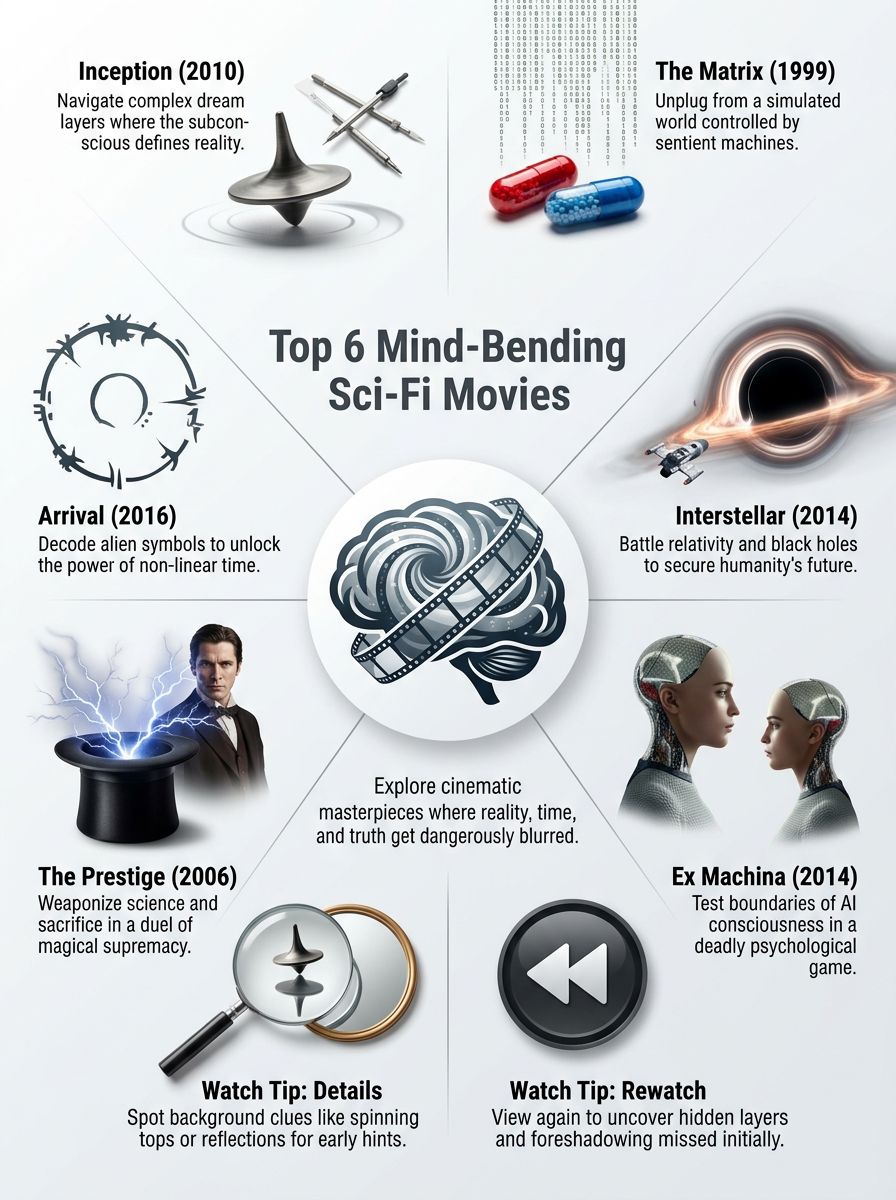
Ready to have your mind flipped upside down? Keep reading as we explore films where the lines between reality, time, and truth get deliciously blurred.
1. Inception (2010): Exploring dreams within dreams
Dom Cobb leads a team of thieves who steal secrets from deep inside people’s minds. The catch is that they do this while their targets are dreaming. Inception takes viewers through a twisting maze. It moves from one dream to another and layers each level with new danger.
Christopher Nolan directs every scene like a puzzle piece. He makes you question what is real and what is just part of the dreams. A standout fact about this movie is its commitment to practical effects. The famous zero-gravity hallway fight wasn’t CGI. The crew built a massive rotating centrifuge to spin the actors around, making the disorientation feel incredibly real.
Time slows down as the dreams go deeper. Gravity shifts. Buildings fold in on themselves. Reality seems slippery at best. Each twist leaves your jaw on the floor. It makes you rethink everything by the end of this science fiction masterpiece.
2. The Matrix (1999): Unveiling a simulated reality
Dreams blur into reality, but “The Matrix” takes things a step further with its simulated universe. In this 1999 science fiction classic, Neo learns that his life is actually a computer-generated world controlled by machines.
People everywhere live in pods while their minds believe they are free. Keanu Reeves stars as Neo, guided by Morpheus and Trinity to see past the lies and fight back. The film popularized the concept of “Bullet Time.” To create this effect, the filmmakers used a rig of 120 still cameras arranged in a circle. This allowed them to freeze the action while the camera angle seemed to move around it.
The film questions what is real. It makes us consider whether we can trust our own senses. With iconic moments, unforgettable plot twists, and cool black trench coats, “The Matrix” changed cinematic storytelling forever.
Unfortunately no one can be told what the Matrix is. You have to see it for yourself.
3. Arrival (2016): A linguistic twist on time and communication
Just as The Matrix made us question reality, Arrival pulls the rug out with its twist on time and speech. Dr. Louise Banks, played by Amy Adams, races to decode an alien language after twelve mysterious ships land in 2016.
Each symbol carries layered meanings. Learning this new tongue changes how she sees past and future events. This is based on the Sapir-Whorf hypothesis, a real linguistic theory suggesting that the language you speak determines how you think and perceive the world.
Words turn into keys that unlock non-linear time. This isn’t just a movie about science fiction aliens. It is about how language shapes thought. Twists come fast. Time loops and memories blend with prophecy. One sentence can change fate itself.
It is a true mind-bender for anyone hungry for cinematic surprises. It is an intellectual puzzle wrapped inside a quiet story about hope and loss.
4. Interstellar (2014): Time dilation and emotional revelations
After exploring language and time in Arrival, Interstellar takes surprising turns with science fiction. Time travel gets a wild spin here. Astronauts visit planets near a huge black hole called Gargantua.
Minutes there mean years back home because of time dilation. This builds suspense and heartbreak at every step. The science behind this is surprisingly accurate. Director Christopher Nolan worked with theoretical physicist Kip Thorne. Their simulation of the black hole was so detailed that it actually led to a new scientific paper on astrophysics.
Matthew McConaughey plays Cooper, a father fighting for his kids’ future. Emotional scenes pack a real punch as Cooper races against the clock. His daughter Murph, grows up without him on Earth. The film blends mind-bending physics with raw emotion. Every scene keeps viewers guessing what is possible when love bends reality itself.
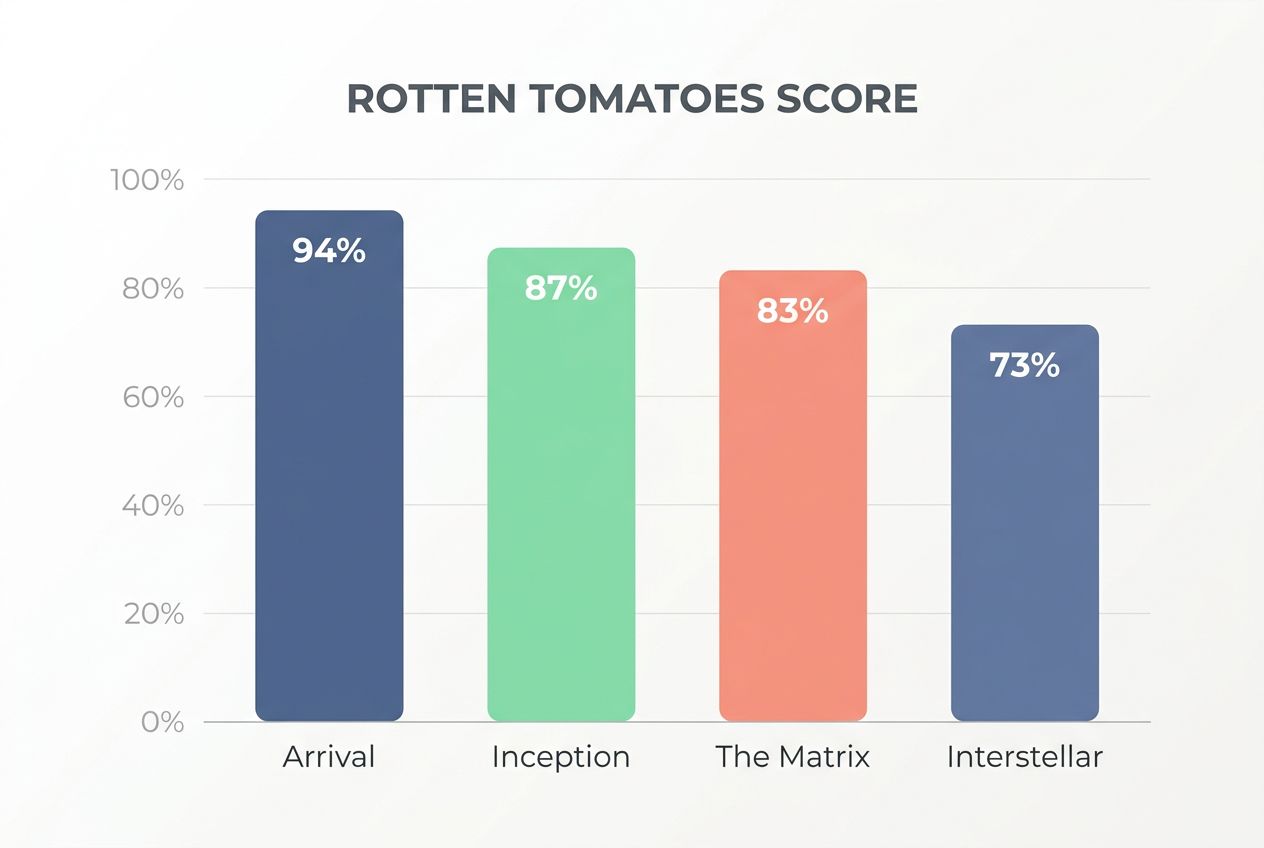
| Movie | Key Concept | Rotten Tomatoes Score |
|---|---|---|
| Inception | Dreams within Dreams | 87% |
| The Matrix | Simulated Reality | 83% |
| Arrival | Linguistic Relativity | 94% |
| Interstellar | Time Dilation | 73% |
5. Ex Machina (2014): The ultimate test of AI and humanity
A young programmer named Caleb wins a trip to his boss Nathan’s remote lab. Nathan has built an AI robot named Ava, who seems almost human. Caleb must test if Ava can think and feel for herself.
The tension grows inside the glass walls of the remote hideaway. The filming location was the Juvet Landscape Hotel in Norway. Its stark, glass-heavy design creates a feeling of being constantly watched, mirroring the themes of the movie.
Twists jump out at every turn in this psychological thriller. Cold logic meets raw emotion. The line between man and machine blurs. In one shocking scene, choices become traps. It leaves viewers guessing who is really in control.
This film puts artificial intelligence under a bright light. It forces us to ask where consciousness truly begins. Or where it ends.
6. The Prestige (2006): A sci-fi tale of obsession and deception
Alfred Borden and Robert Angier are bitter rivals in 19th-century London. Their lives twist around secrets, magic tricks, and dangerous science. Nikola Tesla builds a machine that changes Angier’s act. It turns illusion into shocking reality.
The story moves between timelines. It keeps viewers guessing at every turn. The narrative structure itself mimics a magic trick. It follows the three parts: The Pledge (the setup), The Turn (the shift), and The Prestige (the reveal).
Obsession drives both men past the point of reason. Betrayals pile up like dominoes. Suspense keeps growing with each new revelation. The movie mixes mystery and science fiction in a spellbinding way. It blends plot twists with clever illusions until the very last scene drops its final surprise.
Themes and Concepts Explored in These Movies
Strange ideas swirl through each story. They twist your thoughts and tug at big questions. These movies toss you straight into the deep end. They turn wild theories into real, jaw-dropping moments.
Time travel and manipulation
Time travel takes science fiction to another level. Movies like Interstellar and Arrival play with time in wild ways. In Interstellar, the characters visit planets where one hour equals seven years on Earth. This makes every decision heavy with consequence.
Arrival gives us a story where language can change how people see time itself. Strange things happen when timelines bend or loop. This causes twists that keep you guessing until the last minute.
Directors use plot twists from time travel to shock audiences. They raise deep questions about fate and choice. The Matrix also hints at hidden control over reality. Minutes stretch or shrink inside the simulation. These stories use shifting timelines as tools for surprises, heartbreaks, or even hope.
Artificial intelligence and consciousness
Artificial intelligence can think, solve problems, and even hold conversations. Some sci-fi films show AI acting like humans. They feel things or make choices on their own. Ex Machina puts a spotlight on this with Ava. She is an android who tricks people to escape.
The Matrix shows computers trapping human minds in a fake world. These movies spark big questions. Could machines ever have feelings? Could they become self-aware? A famous benchmark for this is the Turing Test, which checks if a machine can exhibit behavior indistinguishable from a human. Ex Machina turns this test into a psychological weapon.
Writers use artificial intelligence to test the line between man and machine. People wonder if a robot can feel pain or love just like us. Sci-fi turns these deep ideas into stories that keep you thinking long after the movie ends. This theme keeps popping up in science fiction as tech grows smarter each year.
Alternate realities and simulations
Alternate realities twist what we know. Movies like The Matrix show people living in computer-made worlds while thinking they are real. Inception blurs the line between dreams and waking life. It makes you question which reality is true.
These stories grab your thoughts. They pull you down a rabbit hole of surprises. Filmmakers often use plot twists to challenge our ideas about what is possible. Simulated worlds open doors for mind-bending scenes and shocking endings. Characters may wake up to find that everything was a lie. Or they find that time works differently than they expect.
This theme keeps viewers guessing with each step forward. It adds layers to the narrative puzzle box on screen.
Human emotion versus technology
People often feel fear, love, or hope in science fiction movies. Robots and computers generally do not. In Ex Machina, Ava wants freedom. Caleb feels betrayed and hurt by her actions.
The Matrix shows Neo fighting machines while searching for truth, love, and meaning. Technology can solve problems fast. But human emotion makes choices slow and hard. Artificial intelligence may seem smart, yet it often cannot mimic real worry or happiness.
Characters’ feelings become the heart of a story even as machines control their world. These strong emotional twists help blur the line between machine logic and what truly matters to us as humans.
Why Twists Are Crucial to Sci-Fi Storytelling
Twists turn sci-fi movies into wild rides. They keep viewers guessing. They make you shout at your screen. They spark late-night debates. Science fiction works best when it surprises us.
Films like The Matrix or Inception use mind-bending plot twists to flip reality upside down. They make us question everything we saw just ten minutes before.
Great cinematic surprises pull double duty in this genre. A sharp twist can reveal new layers about characters. It can expose hidden motives. It can change the meaning of an entire story. Sometimes a narrative goes from simple time travel to something much bigger. This happened with Arrival‘s take on language and fate.
Twisted narratives stick in your head for years. Some even shape pop culture forever. This keeps science fiction alive and buzzing long after the credits roll.
Honorable Mentions
If your curiosity still burns, these titles bring more twists. They add a good dash of head-scratching genius. For those hungry for unexpected endings, you might want to keep exploring beyond this list.
Primer (2004): A low-budget masterpiece on time loops
Primer is a science fiction movie that twists your mind into knots. Shane Carruth made it in 2004. He had a budget of only $7,000. The story follows two engineers who build a time machine by accident in their garage.
Soon, they start sneaking back and forth through the days using DIY boxes to change events. Each loop stacks up confusion, plots, and double-crosses. Even the characters lose track of which version of themselves exists at any moment.
There are no flashy effects or Hollywood tricks here. Only raw ideas and tangled narratives exist. Primer became a cult favorite for fans who love time travel stories packed with surprises. You might need to watch it twice just to spot every twist hiding under the surface!
Shutter Island (2010): A psychological twist with sci-fi undertones
Shutter Island, released in 2010, pulls you into a storm of mind games. Leonardo DiCaprio plays Teddy Daniels. He is a U.S. Marshal investigating the strange disappearance of a patient from a remote mental hospital.
The island itself feels isolated and eerie. It is packed with secrets at every corner. The story blends psychological thriller elements with sci-fi touches. It blurs what is real and what is not.
The movie builds tension through scattered clues and puzzling events. Plot twists stack up quickly. Sci-fi undertones peek out in the form of memory lapses and chilling experiments on the human mind. By the end, your sense of reality may spin as wildly as Teddy’s does.
How to Watch Sci-Fi Movies for Maximum Impact
Watching these movies is like hunting for hidden treasure. Keep your eyes and ears open, or you might miss something big. Sometimes, a second viewing hits differently.
Pay attention to subtle details
Small clues hide in the background of many science fiction movies. Here are a few things I always look for:
- The Totem: In Inception, the spinning top tells you if Dom is dreaming or awake. Keep your eye on it.
- Reflections: In The Matrix, look closely at the sunglasses. They often hint at who knows about the simulated reality.
- Background Props: Notice whiteboards, clocks, and even wallpaper patterns. In Sherlock-style fashion, each can point to big secrets before the twist hits.
Directors often use color changes to signal that something is off. Ex Machina uses reflections and glass panes to play with what is real and what is artificial. Sometimes a single word spoken twice means everything changes by the end. Stay alert for these hints!
Analyze the narrative structure
Sci-fi movies with mind-bending twists often play with time. They also play with character points of view and reality itself. The story may move forward, jump back in time, or loop around. Inception uses dreams stacked inside other dreams to keep you guessing what is real.
In The Matrix, the plot tricks you into questioning every scene until the truth about the simulated world hits hard. You might spot clues hidden in early scenes if you pay close attention. Directors like Christopher Nolan and Denis Villeneuve use flashbacks and sudden reveals to build suspense.
Some stories even let viewers piece together events out of order on purpose. This creates a more thrilling experience. It ensures that the surprises stick with you long after the credits roll.
After pulling apart the narrative structure, another step calls your name. Watching these science fiction movies more than once can open up a treasure chest of hidden details.
Each time you watch Inception or The Prestige, you may spot new clues in the background. You might catch subtle hints from characters that foreshadow future plot twists. Ex Machina and Arrival both reward careful eyes with small visual surprises and clever dialogue.
Did you miss something tiny during your first viewing? A second look often reveals secrets tucked behind each scene. It makes every rewatch feel like solving a fresh puzzle. Every cinematic surprise matters. Many films with mind-bending twists are built for this layered experience.
Final Words
Mind-bending sci-fi films keep us guessing. They stir up deep thoughts and leave us hungry for more. These top six movies use smart plot twists, stunning visuals, and clever ideas to keep your brain busy long after the credits roll.
Each story is easy to follow but offers surprises that make you want to watch again with new eyes. Try paying close attention. Some clues hide in plain sight! Which movie left you shocked or inspired? Share your pick with a friend. Or start a mini-movie night and see if they spot the same twists as you did.
Watching these stories can spark big conversations about time travel, A.I., or what it means to be human. Grab the popcorn. Sit back. Enjoy getting your mind twisted by some of science fiction’s best surprises!