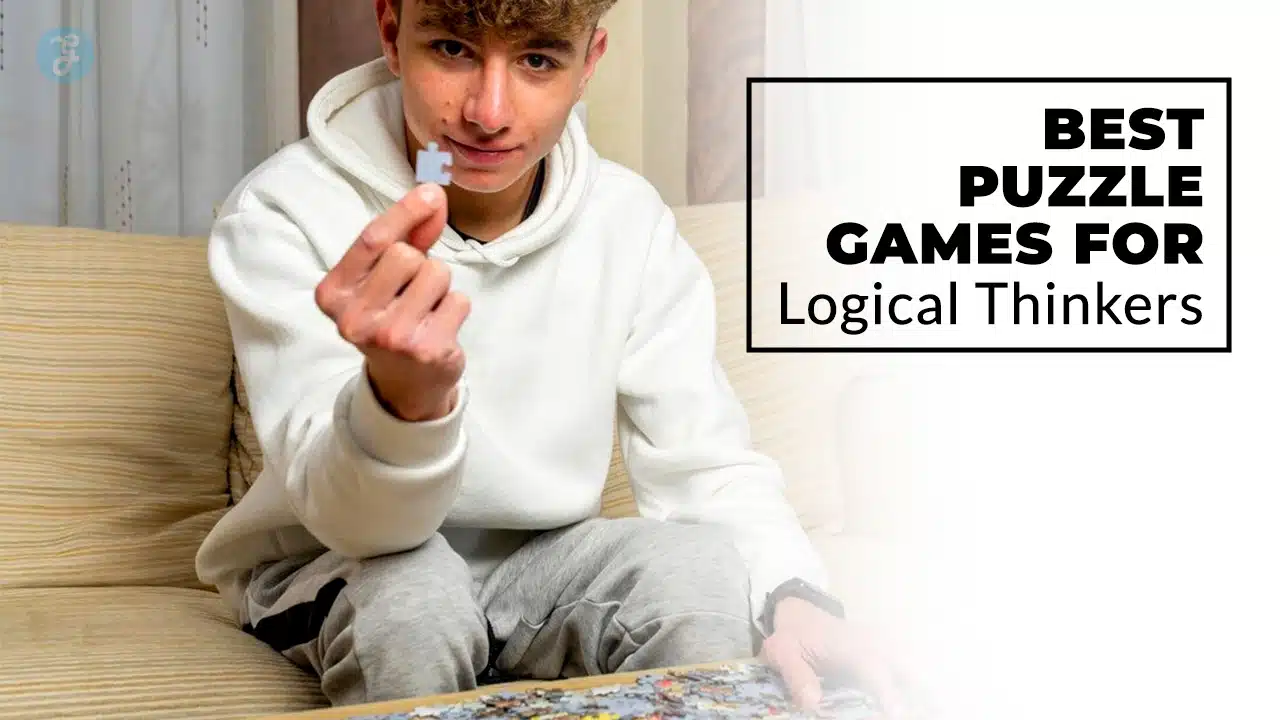
Do you feel bored when puzzles seem too simple or too random? You want a game that tests deductive reasoning, pattern recognition, and spatial reasoning all at once. Many folks lose interest fast and their mind does not get the workout it needs.
We list ten top puzzle games, from a strategic board game like Chess to a tricky PC title such as Portal 2. You will see tips on difficulty settings, strategies for puzzle-solving, and how to solve complex problems with game-based learning.
Read on.
Key Takeaways
- The article lists 10 games—Chess, Sudoku, Portal 2, The Witness, The Talos Principle, Baba Is You, Gorogoa, Return of the Obra Dinn, ThinkFun Gravity Maze, and Jigsaw Puzzles—that train deductive reasoning, pattern recognition, and spatial reasoning.
- Chess boosts strategic planning and computational thinking with alpha-beta pruning; PCMag calls it a clear brain test.
- Sudoku uses a 9×9 grid to sharpen pattern recognition and deductive reasoning; Jigsaw Puzzles date to 1760 (John Spilsbury) and sell over 40 million sets each year.
- Portal 2, The Witness, and The Talos Principle deepen spatial reasoning through physics tests, maze puzzles, and logic-gate challenges on Steam, Unreal Engine, and consoles.
- ThinkFun Gravity Maze offers a hands-on marble-run STEM kit; studies show daily puzzle play can improve memory, processing speed, and may lower dementia risk.
Chess
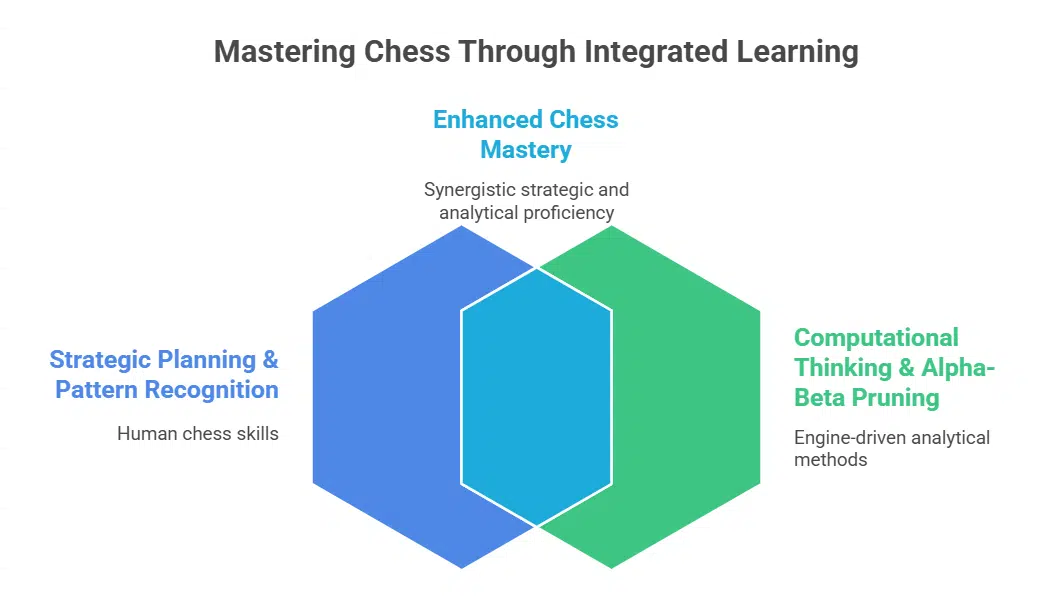
Chess tests your strategic planning, it hones your pattern recognition and risk assessment skills. Learn alpha-beta pruning on an online board, then try an open-source engine to sharpen your computational thinking.
Why it’s great for strategic thinking
Strategic thinking kicks in when I map each move and its cost on a flowchart. A game stresses risk assessment and strategic planning. I sort scarce tokens, track points, and optimize resources.
It demands logical deduction and planning while boosting computational thinking for teens and adults.
Game theory guides every choice, and I mark paths on a choice chart. This puzzle trains pattern recognition and spatial reasoning. Some levels mimic astronomical odds, like Neptune’s tilt or Planet X lore.
pcmag.com cites clear knowledge tests that keep your brain on edge.
Sudoku
Sudoku tests your pattern recognition and deductive reasoning, so grab a writing tool and read on for more brain teasers.
Enhances logical reasoning and pattern recognition
This classic number puzzle boosts deductive reasoning and pattern recognition, it also trains quick calculations. Players fill a nine by nine grid, they avoid repeats in each row and column.
They spot missing digits and link them in neat patterns.
This game taps spatial reasoning, you build a mental map on paper. A pencil, grid lines and logic come together, you see exactly where each number belongs. You can use this skill to clear frequently asked questions on Neptune’s ice, or to chart data on planet X.
Portal 2
Portal 2 flips your world with physics tests that sharpen spatial reasoning. GLaDOS cracks jokes, while the Aperture device pushes you to craft clever routes.
Physics-based puzzles and spatial reasoning
Test chambers use momentum, inertia, and gravity to push objects. You align a weighted cube, point a laser emitter, then fire a gateway cannon to launch across gaps. This setup demands spatial reasoning, pattern recognition, and deductive reasoning.
Some puzzles mimic Neptune’s low gravity to deepen the challenge.
The Witness
Out on a sunny isle, you trace glowing paths that sharpen your spatial reasoning and deductive logic. Grab it on Steam or console, pick up a controller, and watch your mind flex new muscles.
Maze puzzles and observation challenges
The Witness drops you on a sunny island full of maze puzzles. Each maze hides a pattern in trees, rocks, or neon signs. You watch shadows and shapes to find the way out.
Solving each maze builds spatial reasoning and deductive reasoning skills. A quick glance at symbols in Neptune’s panels demands sharp observation skills. Sketching lines on paper with a straightedge boosts pattern recognition.
This mix of art and logic sparks logical thinking.
The Talos Principle
The Talos Principle pairs AI ethics with brain-bending puzzles in a sleek game engine, so read on to learn more.
Philosophical themes paired with logic puzzles
A player meets an AI voice. It asks deep questions on mind and soul. You solve grid and block puzzles by flipping switches. You use logic gates and wires. You test deductive reasoning and pattern recognition.
Plato, Descartes and Turing pop in as quotes. They nudge you to think on free will and AI. A ruin puzzle feels like Neptune’s riddle. You also move blocks in 3D mazes. This game blends philosophy with spatial reasoning.
It runs on Unreal Engine via Steam Workshop.
Baba Is You
Baba Is You flips rules into blocks, making you swap “WIN” and “YOU” like logic gates in a circuit. It fires up your deductive reasoning, as you trace each if-then rule across the matrix.
Rule manipulation and creative problem-solving
Players swap tile rules to clear stages, this twist demands more than brute force. This shift tests deductive reasoning and pattern recognition at once. A chart maker or binary logic aid helps track each rule swap.
Shifting blocks also hones spatial reasoning and builds creative problem solving skills through logic.
Game authors drop a level editor into puzzles for on the spot edits. That tool invites you to hack code, break rules, and make fresh paths. Each tweak forces your mind to forge new strategies.
Sequences shift as you bend rules, and success feels like charting Neptune’s rings.
Gorogoa
You stack image tiles like a sleuth at a crime scene, and you test your spatial reasoning and visual storytelling chops. It runs on the Unity engine, and you can grab it on a PC marketplace or an Apple device.
Visual storytelling with intricate puzzles
Artists use visual storytelling to present puzzles. They arrange scenes so players search each panel. Writers link panels with a narrative engine. This style demands sharp observation.
Gamers track shifts in shape or hue. It tests pattern recognition and builds suspense.
Hidden clues spark deductive reasoning in each slide. Neptune’s icons and ancient maps appear in some frames. Designers draft a storyboard grid. Players merge marks and landmarks.
This design also ramps up spatial reasoning. It rewards those who spot small details.
Return of the Obra Dinn
Return of the Obra Dinn pushes you to apply deductive reasoning, jot clues in a worn journal, and solve each sailor’s fate—read on to learn more.
Deduction-based mystery-solving
Puzzle games like Return of the Obra Dinn force you to don a detective’s cap. They hand you a magnifier and a notebook. You map out cabins with deck plans and hone spatial reasoning.
You spot patterns, sort clues, and use deductive reasoning to nail the culprit. You examine Neptune’s flag, study logs, and test alibis. This game builds problem-solving skills through logical deduction and sharp pattern recognition.
It demands keen observation at every turn. Odd time loops and silent sailors block your progress. You read pocket watch times, watch shifting shadows, and match evidence. Then you trace spools of rope, note broken glass, and fill your ledger.
You sharpen your deductive reasoning, test theories, and score each hunch.
Thinkfun Gravity Maze
This STEM kit uses ramps, towers, and a glass orb to test your logic. It builds spatial reasoning skills fast and urges you to plan each turn.
Hands-on logic with spatial challenges
Kids snap bright tracks to craft a ball-run maze, then drop a sphere at one end. Each move tests spatial reasoning, pattern recognition, and deductive reasoning. Players plan step by step, tweaking tower heights or connector angles to shape the path.
Hands-on marble run puzzles sharpen logical thinking with every trial.
Thinkfun Gravity Maze challenges you on a plastic grid board filled with clear towers. You place each piece to guide the marble into the goal. A bonus stage, Neptune’s Challenge, ramps up difficulty with extra twists.
Players read each drop, adjust strategy fast, and learn core physics on the go.
Jigsaw Puzzles
Jigsaw puzzles boost pattern recognition and sharpen spatial reasoning. A sorting tray, or puzzle mat, keeps pieces neat, and helps you fit shapes faster.
Pattern and spatial reasoning in a classic format
John Spilsbury, a London engraver, created the first jigsaw puzzle in 1760 to teach geography. Players rely on pattern recognition to match sky, land, and water shapes. They test deductive reasoning as they sort 1,000 pieces by color and edge type.
Annual sales top 40 million sets, proving their lasting appeal.
Some sets feature Neptune’s ocean scene to boost spatial reasoning. Users sort pieces with a sectioned tray, plastic board, and metal tweezers. The activity sharpens visual perception and logical sequencing in every step.
Adults and kids enjoy this classic, hands-on brain workout.
How to Choose the Right Puzzle Game
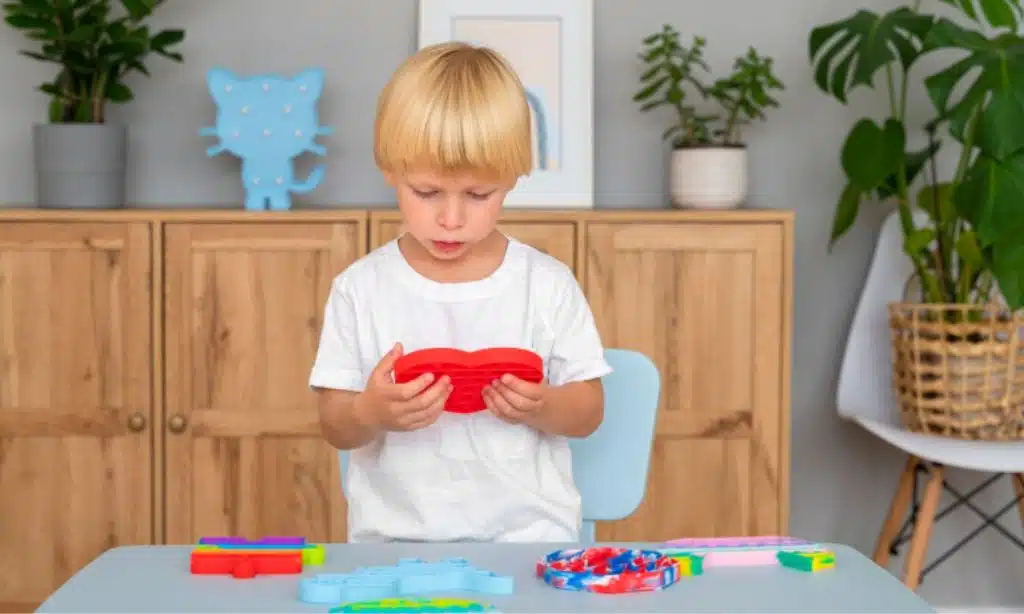
Choose a handheld helper that hones your deductive reasoning or a desktop duel that stirs your pattern recognition and spatial reasoning, and read on to grab more tips.
Consider gameplay style and difficulty level
Match gameplay style with your taste. Hands-on puzzle fans may pick a marble maze or tile set. The puzzle grid feels like Neptune’s rings, each shift testing spatial reasoning and pattern recognition.
Console gamers using a JoyCon chase timed quests that push deductive reasoning. Mobile solvers tap hints and slide through levels at their own speed. Try a few rounds and see if you grin or groan.
Check difficulty sliders and set a mode that keeps you hooked. Easy, normal, and hard tiers fit many skill sets. An iPad puzzle with shifting blocks trains spatial reasoning. Then swap to veteran mode if you crave a mental bite.
Benefits of Puzzle Games for Logical Thinkers
These games spark your pattern recognition, hone deductive reasoning, and flex your spatial reasoning. You can grab a Thinkfun Gravity Maze or tackle a number challenge for a brain stretch.
Cognitive skills improvement and mental stimulation
Puzzle games push players to use working memory and boost processing speed. They sharpen deductive reasoning and pattern recognition. Neptune’s swirling rings spark spatial reasoning.
A logic grid tool or twisty puzzle can feel like a gym session for your brain. Flash cards add another fun challenge.
Regular play can improve memory and reasoning. People stay independent longer with strong mental skills. Studies show daily puzzles may lower dementia risk.
Takeaway
These ten puzzle games boost logic and fun at once. They push your brain to new heights. You train deductive reasoning and pattern recognition every time. Spatial reasoning gets a solid workout too.
Each match sparks a mini quest. Grab a game board or load a puzzle grid. Gather friends or play solo. Pick a favorite and face the challenge. Your mind will thank you.
FAQs on Best Puzzle Games for Logical Thinkers
1. Why do logical thinkers enjoy games that train deductive reasoning?
They lay out clues like stepping stones, you link facts, you crack the case, you feel proud. I once solved one on a bus just as it reached my stop, that rush still makes me smile.
2. How do these games grow pattern recognition?
They show shapes or colors in loops, you spot repeats, you train your mind to see trends and win faster.
3. In what way do these puzzles use spatial reasoning?
You twist pieces, you fit shapes in a box, it works like real life when you pack a shelf without bruising your toes.
4. What is the draw of Neptune’s in these puzzle challenges?
Neptune’s brings a sea vibe, it sets shells and stars, it ties clues and shapes into one fun test.