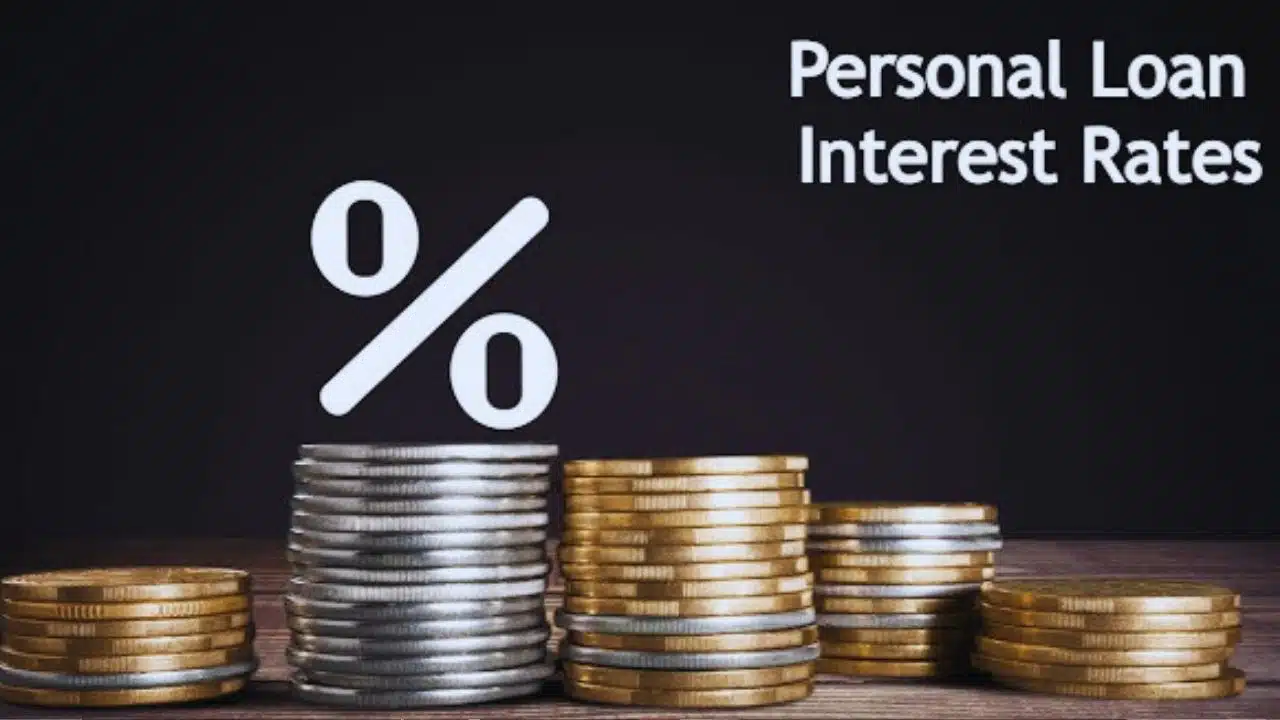
A single percentage point on a personal loan can make the difference between an affordable purchase and years of added expense. In India, interest rates reflect how confidently lenders assess risk. Borrowers who plan early, organise paperwork, and maintain clean credit behaviour usually secure better offers.
This blog explores the key lender-side factors influencing personal loan interest rates in India and outlines clear steps to present a low-risk, well-documented application.
Learn How Lenders Assess the Risk
Banks and NBFCs assess the probability of default and cost of funds, then adjust for margins. Key drivers commonly include:
- Credit score and recent repayment behaviour.
- Debt-to-income ratio and income stability.
- Employer profile and industry stability.
- Loan amount, tenure, and relationship history with the lender.
Understanding these inputs helps target improvements that move the needle.
Strengthen Credit Signals Quickly
Quick ways to boost your creditworthiness before applying:
- A strong credit file is the quickest way to attract a competitive quote.
- Aim for a high credit score by paying every bill before the due date, ideally maintaining a CIBIL score of 750 or above.
- Keep credit utilisation low. Using about 20 to 30 per cent of the total credit limits helps demonstrate restraint.
- Avoid multiple hard enquiries within a short window.
Keep the Debt-to-Income Ratio Lean
Most lenders are comfortable when total EMIs sit within a conservative share of net monthly income. Reducing outstanding card balances or closing small consumer loans before applying can improve borrowing capacity and signal prudence.
Choosing a realistic tenure that keeps the EMI manageable also supports approval at a better rate.
Choose the Right Structure
A handful of small choices can lower the offered rate:
- Opt for a sensible tenure that balances EMI affordability with total interest paid, typically ranging between 1 to 5 years.
- Borrow only what is needed. Larger tickets can raise perceived risk and pricing.
- Consider a part-prepayment plan. Some lenders price more keenly when early reduction of principal is likely.
- If eligible, explore a salary-linked relationship where risk is easier to gauge.
Compare Total Costs Before Applying
Compare similar items. Ask for a final, comprehensive rate quote that includes processing fees and insurance costs, then evaluate the annual cost of the loan.
Where a relationship already exists, politely request a review based on updated loan information. The IDFC FIRST Bank clearly outlines eligibility and documentation, helping applicants avoid submitting incomplete files and rework.
Time the Application
Seasonal cash-flow clarity and stable employment strengthen the case. A recent job change, a spike in unsecured borrowing, or multiple new credit lines can weaken pricing power. A month of disciplined account conduct and lower utilisation can be worth the wait.
Prepare Documentation that Strengthens Your Rate
A transparent, verifiable file reduces perceived risk and helps unlock sharper pricing. Before applying, assemble and check the following:
- Recent payslips and bank statements showing salary credits.
- Complete KYC, address proof, and PAN.
- Employment proof, such as an HR letter.
- Existing loan statements and summaries, with closure proofs if any.
The IDFC FIRST Bank has a 100% digital process that doesn’t require any paperwork. A PAN-Aadhaar based verification process makes the application smooth and hassle-free.
Takeaways
Securing the best personal loan interest rates in India is less about luck and more about signalling low risk. Build a strong credit trail, keep obligations lean, structure the loan sensibly, compare total costs, and submit a clean, checkable file.
Small, deliberate improvements made a few weeks before applying often translate into meaningful savings over the life of the loan.