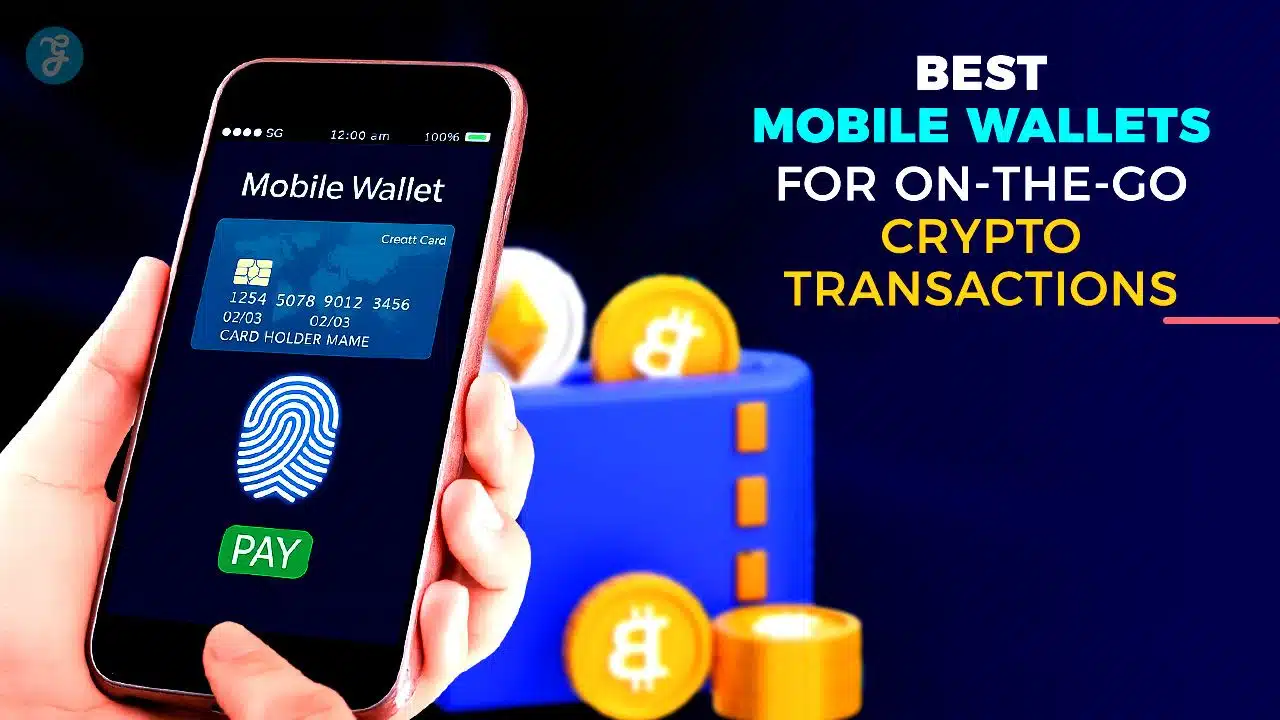
You want to use crypto on the go, but mobile wallets can feel confusing. Apps ask for seed phrases, private keys, and permissions, and that can scare anyone, even if you just want to pay with a stablecoin or buy an NFT.
It can feel like juggling keys in the dark, and the wrong move can cost real money.
A 2025 Gemini survey found 24% of adults now hold cryptocurrencies, up from 21% last year. This guide compares five mobile wallets, including trust wallet, coinbase wallet, exodus wallet, metaMask, and zengo, across security, staking, Web3 access, and ease of use.
We checked over 30 data points, and used a scoring formula with 15 plus factors like fees, mobile app features, and customer support, to help you pick the right crypto wallet. Read on.
Key Takeaways
- A 2025 Gemini survey found 24% of adults hold crypto, and this guide scored five wallets using 30+ data points and 15+ factors.
- Trust Wallet, MetaMask, Coinbase Wallet, Exodus, and Zengo offer staking, NFT support, token swaps, and portfolio tracking for on-the-go crypto.
- Trust Wallet is non-custodial (private keys on device) with CertiK 92.22 AA and CER AAA; Zengo uses MPC with CertiK 86.36 A and CER AAA.
- Most wallets are non-custodial; pair mobile apps with a hardware ledger for cold storage to limit online exposure and follow security best practices.
Trust Wallet
Trust Wallet acts like a pocket for crypto, with a dApp browser and token-swap tools that work across many blockchain networks. Grab it from app stores, connect to DeFi platforms and decentralized exchanges, and try a small transfer before you move big sums.
Key Features: Multi-asset support and in-app staking
This mobile wallet supports 10 million+ assets on 100+ blockchains. It ranks among the largest asset catalogs for mobile wallets, with multi-chain support for ERC-20 tokens, BNB Chain projects, and other blockchain networks.
Users can view NFTs in the interface, and in-app swaps let them trade tokens directly inside the app.
Built-in staking features enable earning rewards on supported crypto assets, and the app links to DeFi platforms for more options. Cold storage works via Ledger device integration, while private keys stay on your device as part of a non-custodial wallet design.
A Binance partnership adds extra functionality, and no wallet-to-wallet transaction fees apply within the app.
Security: Non-custodial with private keys stored on the device
Trust Wallet stores your private keys on your device, so you control your crypto wallets. That non-custodial setup, like other non-custodial wallets, gives you full control, and security features include seed phrase recovery, so you must store your seed phrase securely.
Security audits by CertiK rate Trust Wallet 92.22, AA, and give it a CER AAA rating. The mobile application gets regular updates, which patch vulnerabilities and keep crypto storage safer.
Live customer support does not exist, so users lean on community forums for help. A link to Binance creates perceived centralization risks for users who want hardware wallets or cold wallets instead.
Also, advanced gas fee customization is not available, a drawback for traders on Ethereum and other EVM chains.
MetaMask
MetaMask plugs you into Web3 on mobile, so you can use dApps and swap tokens on the Ethereum blockchain. It keeps private keys on your device for non-custodial control, and it pairs with hardware wallets for extra security.
Key Features: Seamless integration with Web3 and dApps
Connect to Web3 applications and dApps with one tap. The cryptocurrency wallet supports plugin additions for token swaps, NFT marketplaces, and decentralized finance apps, so you can add tools without leaving the interface.
Users favor MetaMask for DeFi and NFT use, and it shows a high transaction success rate in Web3 environments.
Developers push regular software updates, which keep compatibility with the Ethereum blockchain and other EVM chains. You can attach a hardware wallet, like a Ledger device or a Trezor device, to protect private keys and seed phrases.
No KYC is required on MetaMask, so privacy-minded people can use this non-custodial wallet while interacting with decentralized applications.
Compatibility: Supports Ethereum and other EVM-based assets
MetaMask supports 650,000+ assets and focuses on Ethereum and EVM-compatible blockchains. It handles ERC-20 tokens and similar standards, and runs on Android, iOS, Chrome, Firefox, Brave, Edge, and the web.
As a non-custodial wallet, MetaMask keeps private keys on the device, and users can pair hardware wallets, like a Ledger device or a Trezor unit.
Advanced users add and manage custom tokens and networks, though some non-Ethereum chains need manual configuration. The wallet does not natively support Bitcoin or other non-EVM blockchains, so use a bitcoin wallet or a cold wallet for those coins.
It suits people who need broad EVM asset coverage, and it works well for token swaps, decentralized apps, and DeFi platforms.
Coinbase Wallet
Coinbase Wallet feels like a pocket passport for your digital assets. Read the full guide to see how it handles private keys, token swaps, and links to crypto exchanges and DeFi platforms.
Key Features: User-friendly interface and NFT support
The wallet shows a simple, user-friendly interface for easy onboarding. NFTs sit in the app. You can store, view, and transfer them across blockchain networks using common token standards.
Move assets to a hardware wallet for cold storage.
The app packs built-in educational content, it walks new users through crypto basics. Transaction previews let users review gas and fee details before they confirm. A dApp blocklist stops known malicious apps, like a guard at the door.
Instant crypto-to-fiat conversions work inside the wallet via a fiat on-ramp service. It links with the main Coinbase platform for seamless transfers between accounts. U.S. users get state-specific features, so the app suits all investment levels.
Security: Encrypted backups and biometric authentication
Encrypted cloud backups store wallet data, and robust encryption protects transaction data. Biometric authentication, like face ID or a finger scan, unlocks the app fast, without typing long passwords.
Coinbase Wallet sits inside a regulated ecosystem that covers more than 100 countries, and it enforces extensive KYC requirements that align with regulatory best practices.
USD balances held inside the Coinbase ecosystem qualify for FDIC insurance, subject to limits and custodial rules. Security audits run on a regular basis, to test protocols and expose weak spots.
Compliance can cause temporary account freezes, so keep KYC records current. You still hold private keys and seed phrases in a non-custodial mobile wallet, and cloud backups, multi-factor authentication, biometric access, and hardware wallets add layered crypto storage protection.
Exodus Wallet
Exodus Wallet gives your mobile device an on-device swap tool and a clear asset overview, so you can trade ERC-20 tokens on the fly. You can run it in offline mode for extra security, pair it with hardware wallets, and keep your seed phrase in your own hands.
Key Features: Built-in exchange and portfolio tracking
The wallet, Exodus, supports built-in asset swaps across more than 50 blockchain networks. Users can trade over 250 cryptocurrencies, using native ShapeShift swaps and other token swap paths.
This lets you swap tokens fast on mobile, without leaving the app to visit crypto exchanges or scan a QR code.
In-app portfolio tracking shows charts, balances, and visual performance over time. Trezor integration lets users pair hardware wallets, like the Trezor Model T, to manage cold storage from the app.
The app packs educational resources, an award-winning interface, and multi-platform sync so you can view your portfolio on mobile and desktop.
Accessibility: Works offline for added security
Exodus wallet runs offline for sensitive operations, cutting the risk from malware and attacks over public Wi-Fi. It works on Android, iOS, Linux, Mac, Windows, and as browser extensions for Brave and Chrome, so users in remote or high-risk regions can manage crypto storage without constant internet access.
You can pair a Trezor hardware key for cold storage, keeping private keys and seed phrases off the internet, and adding a layer that many hot wallets lack. Offline mode lets you sign transactions on your device securely, then broadcast them later through a crypto exchange or a connected hot wallet, which suits users who want control and security while using mobile wallets and hardware wallets.
Zengo
Zengo uses multi-party computation (MPC), so your private keys never live on the phone, like a digital locksmith guarding your crypto. Grab the app from app stores, pair it with hardware wallets for cold storage if you want, and read on to see how Zengo adds biometric authentication, DeFi access, support for Ethereum tokens and NFTs.
Key Features: Password-free login and integration with DeFi services
This app offers password-free, keyless login, so you skip seed phrases and passwords. Multi-party computation (MPC) keeps it non-custodial, splitting secret shares across your device and servers, so no single private key sits in one place.
Manage 300+ supported assets on Android, iOS, Linux, Mac, and Windows, with a simple setup aimed at beginners.
It plugs into DeFi platforms for staking and token swaps, and it offers built-in staking and crypto purchase options. Live 24/7 support helps with onboarding and troubleshooting, and partners like MoonPay speed crypto buys.
Beginners get a friendly mobile wallet experience, while advanced users can pair it with hardware wallets like Ledger Nano X or Trezor Safe 3 for cold storage.
Security: Uses multi-party computation (MPC) technology
Zengo removes seed phrases and private keys, and it uses multi-party computation (MPC) to secure accounts. MPC splits signing responsibility across several parties, so no single device can sign a transaction alone.
The setup reduces single-point failure, and it protects users from losing access if they misplace a seed phrase. Zengo stores encrypted data, runs transaction monitoring, and supports biometric authentication for quick, secure logins.
CertiK gives Zengo a security score of 86.36, grade A, while CER awards an AAA rating. Security features receive regular audits to maintain high protection standards, and the wallet had reported no hacks or thefts as of April 2025.
Users who prefer cold wallets still use hardware devices like Ledger Nano X, Trezor Safe 3, or Tangem Wallet, while others choose Zengo for its password-free, MPC model that fits mobile wallets and DeFi apps.
Takeaways
These top mobile wallets act as hot wallets for quick crypto moves on blockchain networks. Trust Wallet, MetaMask, Coinbase Wallet, Exodus Wallet and Zengo pack features like staking, NFT support, token swaps and portfolio tracking.
Most run as non custodial wallets. They keep private keys and seed phrases on your device, and use biometric authentication and two factor authentication to protect accounts. Pair apps with a hardware wallet for cold storage, or use a hardware ledger to limit online exposure.
FAQs on Best Mobile Wallets for On-the-Go Crypto Transactions
1. What is a mobile wallet, and how does it differ from other crypto wallets?
A mobile wallet is a software wallet you run on your phone, it stores your public key and private key for digital assets. Hot wallets stay online, they make quick token swaps and crypto trading easy. Cold wallets use hardware wallets, like Ledger Nano X, Trezor Safe 3, or Tangem Wallet, they keep your seed phrase offline for safer crypto storage. Custodial wallets hold keys for you, non-custodial wallets give you control, pick based on how much risk you can tolerate.
2. Which mobile wallets are best for on-the-go crypto transactions?
Try Trust Wallet, Coinbase Wallet, Exodus Wallet, ZenGo, or Crypto.com Onchain for active use, they offer multi-chain support and token swaps. If you want hardware-grade safety with mobile access, pair Ledger Nano X or Tangem Wallet with a mobile app. Look for features like portfolio tracking, biometric authentication, and easy access to decentralized finance (defi) and defi platforms.
3. How do I keep my mobile wallet secure?
Turn on two-factor authentication, use two-factor authentication (2fa) when apps allow it, and enable biometric authentication, it adds a quick lock. Never share your seed phrases or private key, write them down and store them offline. For bigger sums, move funds to cold wallets or use a hardware wallet, and consider multi-party computation (MPC) services for extra safety.
4. Can I trade, stake, or use defi on mobile wallets?
Yes, many mobile wallets let you do crypto trading, token swaps, and crypto staking, they plug into crypto exchanges and defi platforms. Use wallets that support ERC-20 tokens and multi-chain support if you plan to use NFTs or DeFi. Avoid risky futures trading on a phone, it is like juggling knives while on the move, play safe.
5. How do I track my crypto portfolio on a mobile wallet?
Most wallets include built-in portfolio tracking, or you can link a wallet to a tracking app, it shows balances across blockchain networks. Hot wallets are handy for daily use, cold wallets are better for long term crypto storage. If you use exchanges, check custodial wallet balances too, apps like Coinbase Wallet and Trust Wallet work well with many services.
6. Do mobile wallets handle NFTs and cross-chain assets?
Yes, many mobile wallets support nfts (non-fungible tokens) and ERC-20 tokens, they show your digital assets in one place. Multi-chain support matters, it lets you move coins across chains, and some wallets tap into the lightning network for fast bitcoin moves. Always check wallet compatibility before a big transfer, a bad match can cost you time, and sometimes coins.