


Finding ya books that skip the love drama can be tough. Many coming-of-age novels focus more on romance than real life changes. This post highlights 14 gripping young adult fiction picks with no romance at their core, from family dynamics to wild adventures and magic mishaps.
Get ready for stories that hit home without a single crush in sight.
Key Takeaways
- These 10 YA books show that teens can grow up without romance. Each story highlights family, friends, or self-discovery instead of love interests.
- Titles like “A Long Stretch of Bad Days” and “Sadie” focus on real problems such as secrets, grief, trauma, and justice. Friendship and community matter most in these stories.
- Books such as “Challenger Deep” by Neal Shusterman explore mental health struggles in teens. Others like “Children of Ragnarok” include bravery and fitting in using fantasy or history.
- Stories including magic (“Vespertine,” “Bad Witch Burning”) use supernatural elements to teach about responsibility, sacrifice, and facing fears while growing up.
- The main characters—like Felicity Montague from “The Lady’s Guide to Petticoats and Piracy”—break stereotypes by chasing dreams outside romance. Readers see how ambition shapes their futures.
What makes A Long Stretch of Bad Days a unique coming-of-age story?
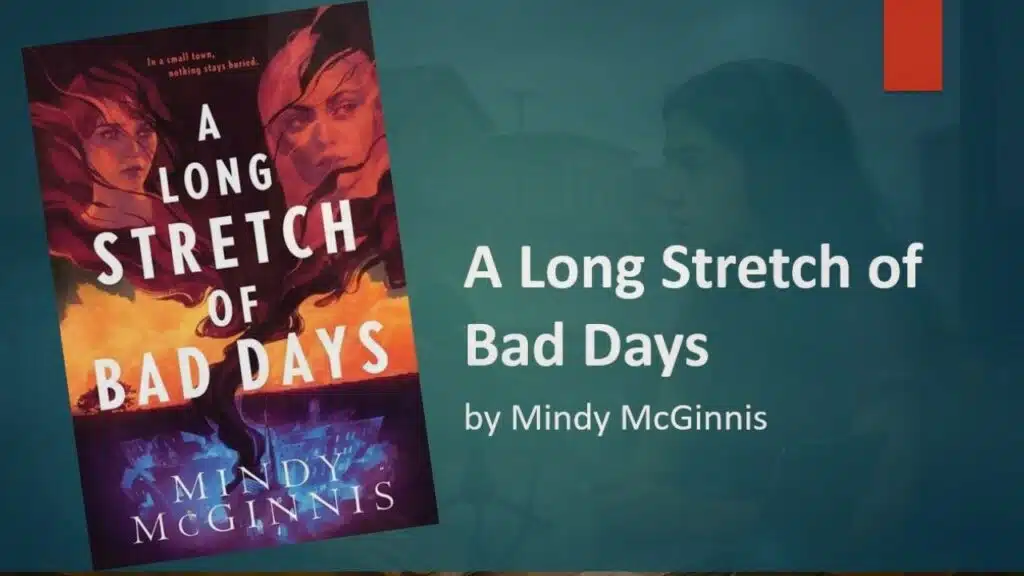
Two high school girls, Lydia and Bristal, host a podcast while digging into their town’s shady past. Instead of chasing romance, they chase the truth. Mindy McGinnis highlights friendship and ambition as these young adults learn about themselves.
Their voices sound real, like your friends talking over fries at a diner.
Secrets from the past push them to grow up fast. The story takes place in modern Ohio and focuses on community problems that feel true to life. Readers see how tough moments shape people without any love triangles getting in the way.
This book brings out grit and resilience, making it stand apart from many other YA books or coming-of-age novels focused on dating drama or love stories.
Why is This Is Not a Personal Statement important for young readers?
Tracy Badua’s story centers on a teen girl who fakes her college acceptance letter. She feels trapped by academic pressure and the fear of not being good enough. Many young readers see themselves in this struggle.
School, family, and society often set high bars for teens today; it is like walking a tightrope every day. This isn’t another romance—no swooning or heartthrobs in sight—just raw ambition, tough choices, and intense self-discovery.
Readers learn about consequences because the main character’s lies create real problems at home and school.
Teens find questions about honesty, identity, and dreams woven into each page of This Is Not a Personal Statement. The book shows how some kids bend under pressure to please their families or fit big ideas others have for them.
It asks: Who do you become when no one else is watching? Tracy Badua uses late high school students as her focus to bring these issues closer to home for YA audiences used to stories with big drama but little reality check.
Here ambition meets ethics head-on—and that matters more than any cliché love triangle ever could in coming-of-age novels today.
How does Challenger Deep explore mental health in adolescence?
Neal Shusterman’s “Challenger Deep” gives a real look at mental illness through the eyes of a teenage boy. The story follows a high school student who struggles every day with his mind.
He battles thoughts that do not match what people in young adult fiction usually face. There is no romance to rescue him, only tough moments and confusion as he tries to find himself.
The book uses simple words and clear scenes but packs each page with feeling. Readers see both his time at school and the chaos inside his head. Shusterman paints these psychological challenges honestly—no sugarcoating, just truth wrapped in vivid storytelling.
This makes “Challenger Deep” special among coming-of-age novels for teens because it helps others understand that mental health is part of growing up too, even if nobody talks about it much out loud.
What themes does Monday’s Not Coming address beyond romance?
Friendship and loss are key themes in “Monday’s Not Coming.” The story shows how deep connections can shape our lives. The main character searches for her missing friend, which drives the plot.
This quest highlights the importance of friendship and loyalty.
Community neglect also plays a big role. It reveals how some places fail to protect their young people. Systemic failures impact the characters’ lives in real ways. Trauma’s effects on teenagers are another theme explored throughout the book.
These ideas resonate with readers and bring a new depth to coming-of-age stories in young adult fiction.
How does The Inexplicable Logic of My Life portray family and identity?
The Inexplicable Logic of My Life shows how family shapes who we are. The main character is a high school senior. He struggles with questions about where he fits in. His biological family and chosen family both play big roles in his life.
This story digs into the idea of belonging, which is important for teens today.
Friendship makes a strong impact too. Relationships help him grow and change during his last year of school. Grief also touches the themes as he deals with loss within his circle. Through these experiences, he learns about self-acceptance and understanding who he really is.
The story captures the ups and downs of teenage life while highlighting the bonds that matter most, whether they are from blood or choice, making it relatable to many young adult readers seeking connections without romance at its core.
What are the key elements of Children of Ragnarok’s coming-of-age narrative?
Children of Ragnarok tells an exciting story about a 16-year-old named Jax. He faces many challenges after being falsely accused. This young adult fiction explores themes like bravery and justice.
Jax must learn to stand up for himself in a world that turns against him.
His journey is not just about adventure; it’s also about finding his place in society. The narrative blends Norse mythology with real-life struggles, which helps readers connect with his growth.
Each twist and turn makes Jax mature quickly as he fights against injustice and pursues truth. Family dynamics play a vital role too, shaping who he becomes along the way.
How does The Bone Houses blend fantasy with growing up?
The Bone Houses tells the story of a seventeen-year-old gravedigger. She faces real-life fears, like loss and responsibility. This fantasy world is full of undead creatures, but it also reflects her challenges as she grows up.
The protagonist must protect her family and community while dealing with grief.
Through magical elements, the book explores deep themes like resilience and survival. The mix of supernatural danger and personal growth makes this tale engaging. It shows how facing fears can lead to maturity in young adults.
What cultural themes are explored in Forest of Souls?
Forest of Souls” by Lori M. Lee brings powerful cultural themes to life. The book features a girl who resurrects her friend, making her the first soulguide in memory. This unique role reflects deep traditions and beliefs about power and destiny in her culture.
Readers see how these magical customs shape not just the protagonist’s journey but also those around her.
The story shows the tension between being yourself and fitting into community expectations. The main character must adapt to new social roles while honoring cultural norms. She faces challenges that highlight family dynamics and responsibility within her society.
As she grows, we witness how myths influence daily life. Through its rich setting, “Forest of Souls” blends fantasy with important lessons about identity and belonging in young adulthood.
What challenges does A Thousand Steps Into Night present to its protagonist?
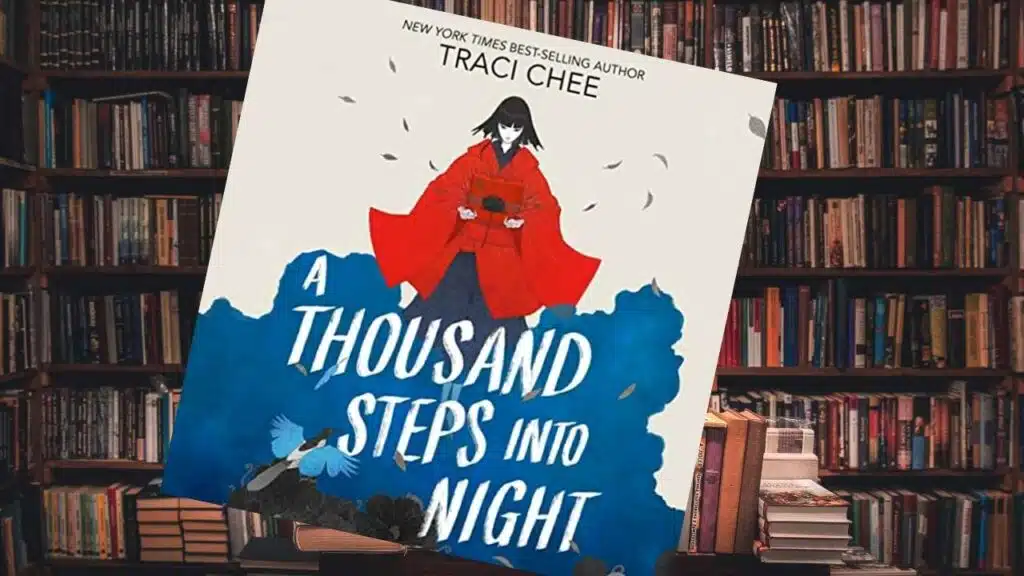
The protagonist faces a tough curse. She is turned into a demon. This change means she must deal with her new identity and the dangers that come with it. Throughout her journey, she meets many obstacles.
Each one tests her strength and willpower.
Her cultural setting adds more challenges. It shapes how others see her and affects her actions. She struggles to control herself while seeking acceptance in a world that fears demons.
As she fights against this fate, she explores themes of destiny and self-control in an exciting way, blending folklore with personal growth in this fascinating story for young adult readers.
How does Sadie tackle difficult issues faced by teens?
Sadie” by Courtney Summers addresses heavy issues that many teens face. It centers on Sadie’s quest for revenge after her sister’s murder. This search is not just about justice; it digs into trauma and loss.
Readers see how grief affects Sadie and those around her. She shows resilience in the face of pain.
The story also explores themes like violence and survival. Sadie’s journey takes her through emotional turmoil while she navigates danger. Familial ties impact her actions, shaping who she becomes.
The mix of podcast elements makes it feel real, adding urgency to her fight for truth. With all these layers, “Sadie” offers a rich look at tough teen experiences without focusing on romance.
What makes Vespertine a compelling story for young adults?
Vespertine draws readers in with its rich blend of fantasy and growing up. The main character, a trainee nun, faces terrifying spirits after an attack on her convent. This tough situation forces her to step into a leadership role.
This pushes her maturity to new heights. She learns about faith and courage throughout the story. These themes connect with young adults searching for strength in challenging times.
Supernatural elements make the plot even more engaging. As she confronts evil, the protagonist also battles her own limits. Each challenge shows how personal growth often comes from dark moments.
Young readers can relate to this journey of self-discovery and resilience. Vespertine stands out as one of 16 YA novels that focus on coming-of-age without romance, allowing young people to experience maturity in different ways.
What is the significance of magic in Bad Witch Burning’s coming-of-age tale?
Magic is a big part of the story in “Bad Witch Burning.” The main girl can talk to the dead. She uses this power to help her family. Magic shapes her choices and shows her struggles.
It brings both strength and heavy burdens.
Her powers symbolize responsibility. They reflect how she must balance helping others with taking care of herself. As she grows up, magic leads her through tough decisions while facing poverty and moral challenges.
Each choice costs something, teaching the young readers about sacrifice and survival without romance as the focus in this coming-of-age tale.
How do Squire’s characters grow throughout the story?
Squire’s characters grow in many ways. The main character, an Ornu girl, dreams of becoming a knight. She hides her true background to fit in with others. This creates conflict and self-doubt for her.
As the story unfolds, she learns to embrace her identity.
Training is key to her growth. With mentorship from others, she builds skills and confidence. Each challenge helps her face prejudice head-on. By overcoming these obstacles, she finds acceptance within herself and among peers.
Themes of ambition and belonging shape their journeys too, making this graphic novel a rich coming-of-age tale without romance.
What adventures await in The Lady’s Guide to Petticoats and Piracy?
Felicity Montague dreams of going to medical school. She wants to break into a male-dominated field. This story sets her on a thrilling journey filled with adventure, travel, and self-discovery.
As Felicity travels, she meets new friends who support her ambitions. These friendships strengthen her resolve to challenge the norms of society. The book shows how important it is for young women to pursue their dreams.
Through Felicity’s eyes, readers will experience trials and triumphs that reflect real-life struggles for independence. She faces obstacles but never gives up on herself or her goals.
The story explores themes like perseverance and friendship without focusing on romance. It teaches that ambition can lead to growth in unexpected ways. Young adult fiction fans will find this tale both inspiring and engaging as they follow Felicity’s adventures in a historical setting full of feminist ideas.
Takeaways
These ten coming-of-age stories show that growing up isn’t just about love. They tackle family, identity, and personal challenges. Readers can learn a lot from these books. Each tale brings a fresh viewpoint on what it means to come of age without focusing on romance.
Try picking one of these novels for your next read!
FAQs
1. What are some good coming-of-age novels that do not focus on romance?
If you want young adult fiction without a love story, try “The Catcher in the Rye,” “Black Swan Green,” or “Oranges Are Not the Only Fruit.” These books dig into family dynamics and growing up.
2. Can I find historical fiction among non-romantic YA books?
Yes, you can. “Middlesex” is a great pick if you like historical fiction with strong coming-of-age themes but no main romance plot.
J.D. Salinger gave us Holden Caulfield in “The Catcher in the Rye.” Jeanette Winterson wrote about tough family life in “Oranges Are Not the Only Fruit.” L.M. Montgomery made Anne Shirley’s world come alive in “Anne of Green Gables.
4. Do any of these book recommendations include fantasy elements?
They sure do! Susan Cooper’s “The Dark Is Rising” blends fantasy with classic YA book themes about growing up, facing change, and finding courage.
5. Why should someone read coming-of-age stories that skip romance?
These stories help readers see friendship, family ties, and self-discovery matter just as much as romantic love does, sometimes even more so when you’re figuring out who you are for the first time.






























