

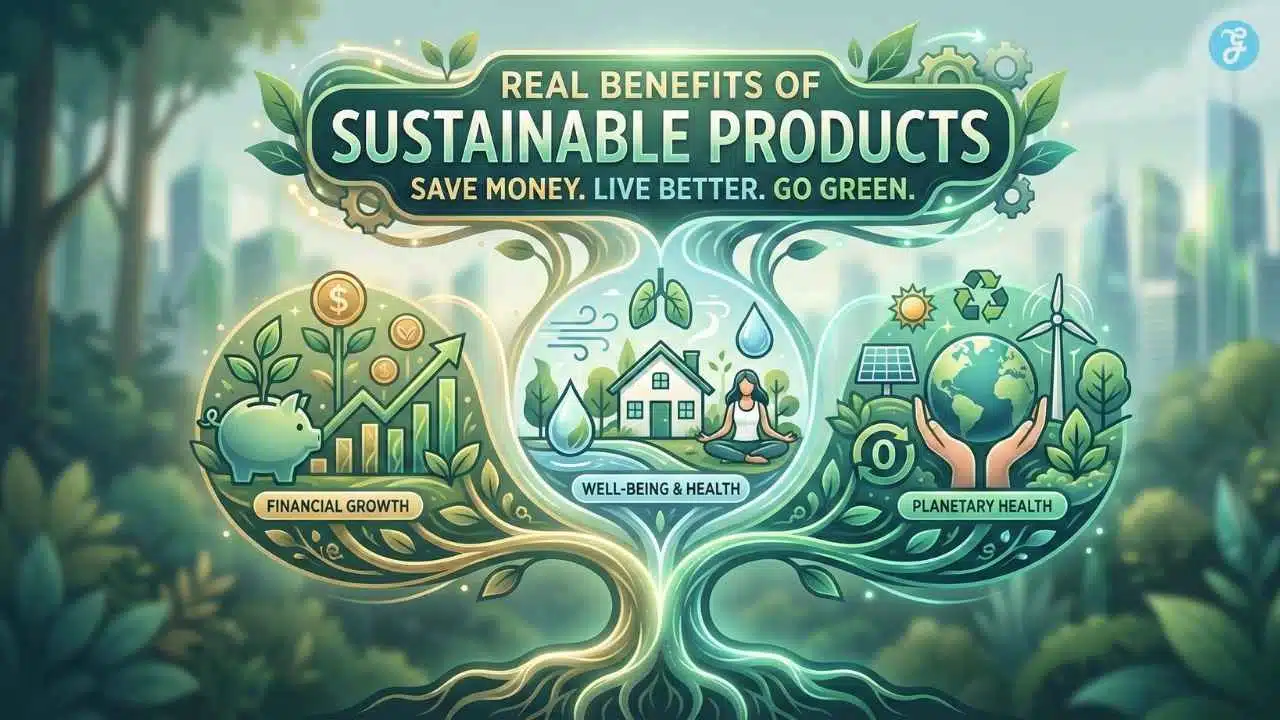
If you’ve ever questioned whether eco-friendly choices truly matter, you’re not alone. Today, more people want products that are safer, cleaner, and kinder to the planet — yet many are still unsure if these choices deliver real value. The truth is that the benefits of sustainable products reach far beyond environmental impact. They can transform your everyday routine, save you money, improve your health, eliminate waste, and support fair business practices.
In short, sustainable products make life better in ways that most people don’t realize. This article explores the real, practical advantages of using sustainable products, explains how they influence your home and lifestyle, and offers insights on choosing the right items without falling for misleading green labels. By the end, you’ll understand not just why sustainability matters but how it meaningfully enhances your daily life.
Key Takeaways
-
Long-Term Savings: High-quality sustainable products are durable and energy-efficient, lowering replacement costs and utility bills over time.
-
Healthier Living Spaces: Natural ingredients and low-toxin materials improve indoor air quality and reduce exposure to harmful chemicals.
-
Reduced Waste & Clutter: Reusable and refillable designs minimize trash, leading to a cleaner, more organized home.
-
Ethical Impact: Your purchases support fair wages, safe working conditions, and transparent supply chains.
-
Community Growth: Buying local and sustainable goods strengthens local economies and shortens supply chains.
-
Innovative Convenience: Eco-friendly products often feature cutting-edge design and smart technology that outperform conventional items.
-
Mindful Consumption: Choosing products with intention reduces “eco-anxiety” and fosters a greater sense of purpose and well-being.
What Exactly Are Sustainable Products?
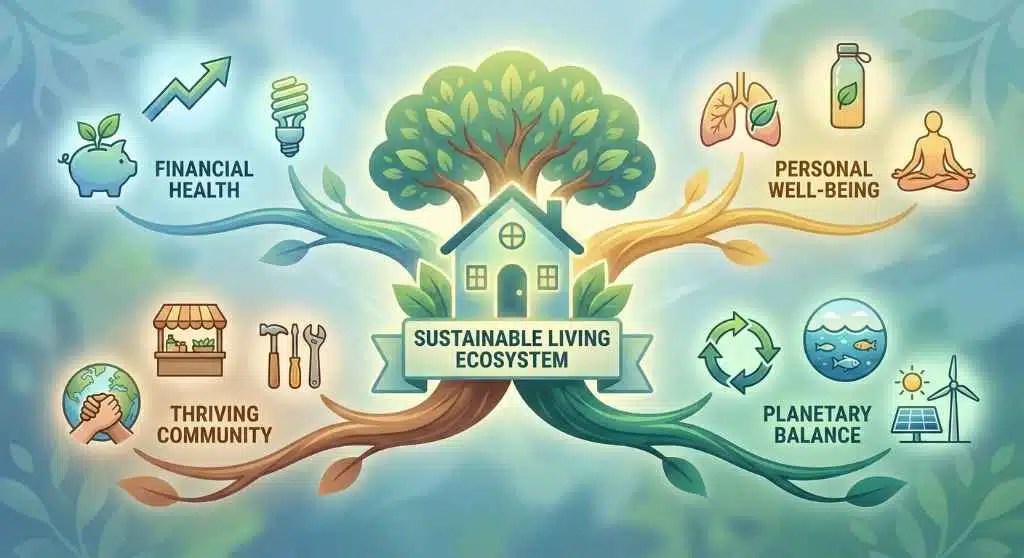
Although the term “sustainable” is widely used, not everyone understands what it truly means. Sustainable products are designed, produced, and disposed of in ways that reduce harm to the environment, protect human health, and respect ethical manufacturing conditions. The idea is rooted in long-term thinking, where a product benefits both people and the planet instead of creating waste, pollution, or social harm.
These products typically use renewable, recycled, or responsibly sourced materials and are made in processes that consume less energy and generate fewer emissions. They avoid toxic ingredients and often prioritize durability, repairability, and reusability, making them ideal examples of both circular economy products and modern sustainable living solutions. Unlike disposable or low-quality goods, sustainable products are designed to last, reduce clutter, and provide long-term value.
The table below summarizes some key qualities that define truly sustainable items:
| Feature | What It Means | Example |
|---|---|---|
| Responsible materials | Renewable, organic, or recycled resources | Bamboo, organic cotton, recycled plastic |
| Low energy use | Reduced energy consumption during production or use | Smart appliances, LED bulbs |
| Long lifespan & repairable | Durable design that can be repaired or upgraded | Modular electronics, sturdy tools |
| Non-toxic ingredients | Safe formulations with minimal chemicals | Natural cleaners, low-VOC paints |
| Ethical production | Fair labor practices and transparent sourcing | Fair trade products |
| Circular design | Refillable, reusable, recyclable, or compostable components | Refill stations, reusable jars |
Understanding what makes a product sustainable helps you appreciate the broad and meaningful ways and benefits of sustainable products in your daily life.
9 Key Benefits of Choosing Sustainable Products
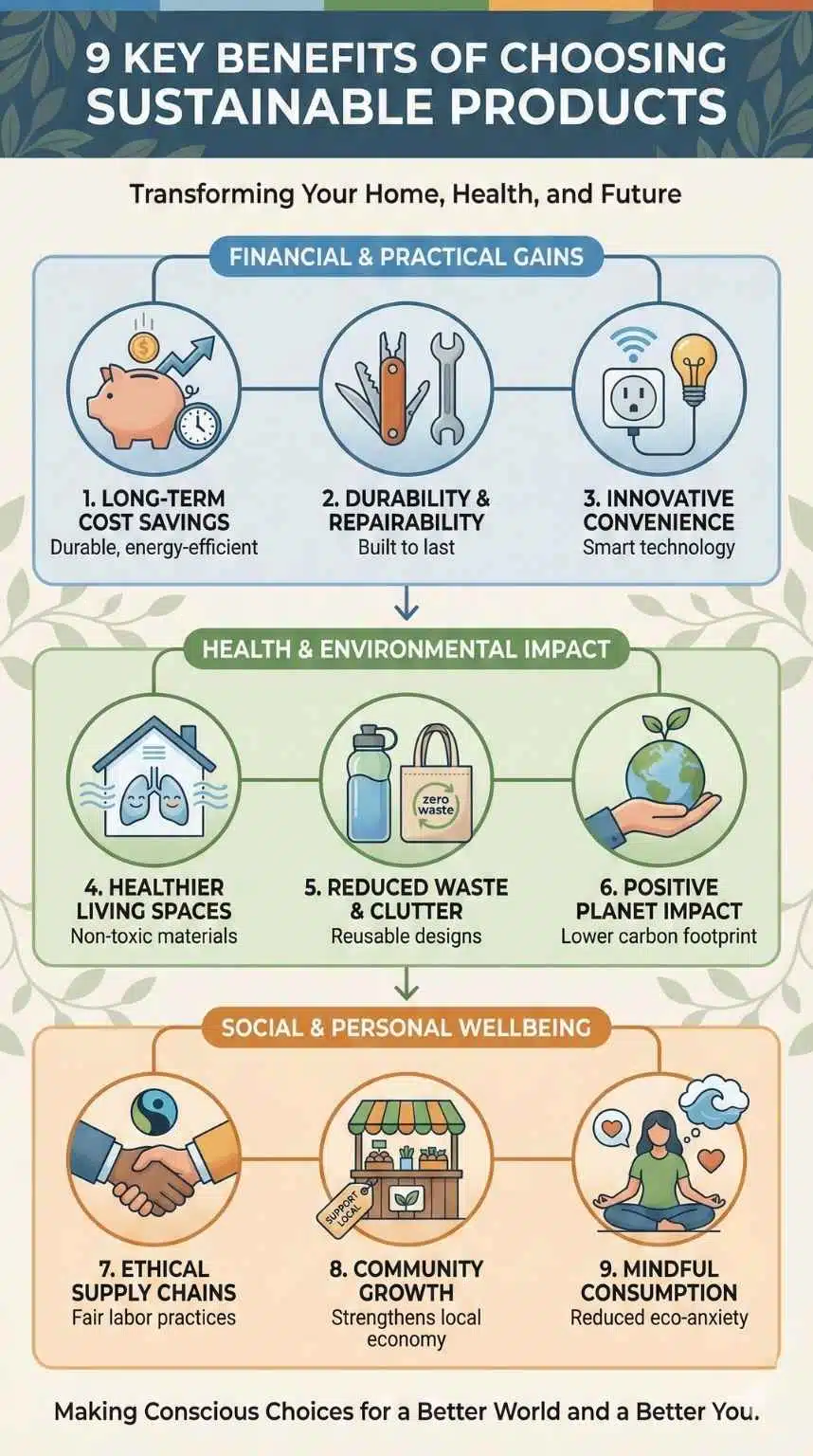
Making the switch to sustainable products isn’t just a moral victory for the environment; it’s a practical upgrade for your daily life. While the ecological advantages are well-known, the personal benefits, ranging from financial savings to improved mental well-being, are often overlooked.
Below, we explore nine distinct ways that choosing eco-friendly items can tangibly improve your household, health, and community, proving that “going green” is as much about self-care as it is about planet-care.
1. Sustainable Products Save Money Over Time
While some people assume sustainable products are expensive, the reality is more nuanced. Although upfront prices may be slightly higher, the long-term financial benefits are significant. Many eco-friendly options are built to last longer, use less energy, and reduce the need for frequent replacements. This means that investing in quality ultimately lowers your overall spending.
For instance, switching from incandescent bulbs to energy-efficient LEDs dramatically reduces electricity use while lasting much longer, making replacement costs far less frequent. Similarly, choosing a stainless-steel water bottle over buying packs of single-use plastic bottles eliminates recurring expenses and minimizes waste.
Even cleaning products have evolved into concentrated or refillable formats that reduce packaging while lowering the cost per use. These everyday eco-friendly items prove that sustainable choices can be financially smart as well as environmentally responsible.
Here’s a side-by-side comparison to show how sustainable options lower spending:
| Product Category | Conventional Choice | Sustainable Choice | Financial Outcome |
|---|---|---|---|
| Lighting | Short-life incandescent bulbs | Long-lasting LED bulbs | Lower power bills and fewer replacements |
| Drinking water | Weekly purchases of plastic bottles | Reusable stainless-steel or glass bottle | One-time purchase, long-term free refills |
| Cleaning supplies | Bulky plastic bottles of dilute liquid | Concentrated refills or solid cleaning tablets | Lower cost per use, cheaper long-term |
| Coffee | Disposable plastic pods | Manual brewer or reusable pod | Lower cost per cup and significantly reduced waste |
This combination of durability, efficiency, and reduced consumption highlights one of the major benefits of sustainable products: they protect your wallet while protecting the environment.
2. Sustainable Products Create Healthier Living Environments
Another essential advantage is the improvement of your home’s health. Many conventional household products contain chemicals, artificial fragrances, or pollutants that affect indoor air quality and cause unnecessary exposure to irritants. Sustainable alternatives aim to reduce or eliminate these toxins, leading to safer and more comfortable living spaces.
For example, natural cleaning formulas avoid harsh substances like ammonia or chlorine, which can irritate skin and lungs. Low-VOC paints release fewer fumes, making homes safer during renovations and long after. Even personal care items — such as soaps, lotions, and detergents — are increasingly formulated without synthetic fragrances or harmful preservatives, offering gentler options for sensitive skin and overall well-being.
Compare how these two types of products influence your home environment:
| Product Type | Conventional Version | Sustainable Version | Health Impact |
|---|---|---|---|
| Household cleaners | Strong chemicals with artificial scents | Plant-based ingredients with natural fragrances | Cleaner air and gentler on skin |
| Laundry detergent | Synthetic dyes and brighteners | Biodegradable formulas, often fragrance-free | Reduced irritation and allergy risk |
| Paints | High VOC emissions | Zero or low-VOC formulations | Safer indoor environment |
| Home fragrances | Paraffin candles and chemical air fresheners | Soy candles, beeswax, and essential oil diffusers | Less soot and fewer chemical residues |
Better air quality, fewer irritants, and safer ingredients all contribute to the profound environmental benefits of sustainability, which extend directly to your personal health and comfort.
3. Sustainable Products Reduce Waste and Simplify Your Life
One of the most noticeable benefits of sustainable products is their ability to reduce daily waste. Because they’re often reusable, refillable, or made from recyclable materials, they dramatically decrease the amount of trash generated in the average household. Over time, this leads to cleaner spaces, more organized routines, and fewer trips to the trash bin.
Items like reusable grocery bags, insulated coffee cups, stainless-steel lunch containers, and refillable soap dispensers are now common examples of sustainable products that cut waste without sacrificing convenience. They are durable, attractive, and designed to integrate seamlessly into your lifestyle. As waste goes down, so does clutter, making your home feel more spacious and easier to manage.
Consider how daily habits shift when using circular economy products:
| Daily Task | Old Habit | Sustainable Behavior | Resulting Benefit |
|---|---|---|---|
| Grocery shopping | Using multiple disposable plastic bags | Carrying reusable cloth or jute bags | Less plastic waste and more durable bag choices |
| Coffee on the go | Relying on single-use paper or plastic cups | Bringing a reusable thermal cup | Reduced waste and improved drink temperature |
| Work lunches | Buying items in disposable containers | Packing food in reusable glass or metal containers | Less trash and a more appealing presentation |
| Personal hygiene | Discarding disposable razors or pads | Using reusable razors or washable hygiene products | A major reduction in long-term landfill contribution |
This transformation flows from one area of life to another as you gradually adopt more sustainable solutions.
4. Sustainable Products Support Fair Labor and Ethical Supply Chains
Although sustainability often focuses on environmental impact, ethical production is equally important. Many sustainable brands commit to fair wages, safe working environments, and transparent supply chains. When you choose them, you support a system that values human rights, community resilience, and responsible business practices.
Fair trade products, for example, ensure that farmers and workers receive fair compensation and work under safe conditions. Local artisans and small-scale producers also benefit when consumers choose handcrafted or locally made goods. These purchases help strengthen local economies and reduce the carbon footprint associated with long-distance shipping.
The contrast between conventional and sustainable production models is clear:
| Area of Impact | Conventional System | Sustainable & Ethical Framework |
|---|---|---|
| Labor conditions | Sometimes exploitative or unclear | Transparent, fair wages, safe work environments |
| Local economy | Centralized mass production | Community-based and artisan-driven efforts |
| Environmental impact | Often harmful due to excessive resource use | Balanced practices that regenerate ecosystems |
Supporting ethical brands reinforces the idea that sustainability is not just environmental — it’s also deeply social.
5. Sustainable Products Offer Modern Convenience and Innovative Design
Eco-friendly products have moved far beyond simple reusable bags and bamboo toothbrushes. Today, some of the most exciting innovations in technology and design come from the sustainability sector. These advanced solutions are making life easier, more efficient, and more enjoyable.
For instance, smart thermostats automatically adjust home temperatures to reduce energy use without compromising comfort. Efficient showerheads maintain strong water pressure while using significantly less water. New forms of smart packaging can help reduce food spoilage, keeping food fresher for longer and decreasing waste.
Here are some examples of innovations improving daily life:
| Innovation Area | Sustainable Example | Everyday Benefit |
|---|---|---|
| Home technology | Smart thermostats and smart plugs | Automated energy savings and improved comfort |
| Water conservation | Low-flow showerheads and dual-flush toilets | Lower water bills with the same level of performance |
| Food packaging | Compostable, resealable, or reusable packaging | Fresher food and reduced environmental footprint |
| New materials | Mycelium-based packaging, biodegradable plastics | Less pollution and safer disposal |
Innovation is one of the most underrated benefits of sustainable products, proving that eco-friendly approaches can often outperform traditional ones.
6. Sustainable Products Make Your Lifestyle More Future-Proof
As regulations evolve and consumers increasingly choose greener options, sustainable living becomes less of a trend and more of a long-term necessity. By integrating sustainable products into your daily routines now, you prepare yourself for a future where these choices will be standard rather than optional.
For example, as plastic bans expand, reusable containers, bags, and bottles will become essential. Energy-efficient appliances reduce vulnerability to rising utility costs, while durable, repairable electronics help you avoid the expense and frustration of constant upgrades. Choosing sustainable solutions today ensures that your lifestyle evolves in harmony with global environmental and economic changes.
This forward-thinking approach makes sustainable products a practical investment in stability and long-term comfort.
7. Sustainable Choices Strengthen Your Personal and Professional Image
In a world where environmental awareness is increasing, your choices speak for you. People who adopt sustainable habits often find that others view them as responsible, mindful, and forward-thinking. The same applies to businesses, where sustainable practices enhance brand reputation, attract conscious customers, and appeal to top talent seeking responsible employers.
Whether through low-waste habits, eco-friendly product choices, or support for ethical brands, your actions help signal credibility and modern values. Companies are especially aware of this, as they integrate sustainable office supplies, packaging, and operations into their branding and internal culture.
| Context | Sustainable Action | Image Benefit |
|---|---|---|
| Personal life | Reducing waste and choosing durable, eco-friendly items | Seen as authentic, responsible, and environmentally aware |
| Small business | Using ethical materials and packaging | Attracts conscious customers and improves loyalty |
| Corporate brand | Adopting sustainable operations and procurement | Enhances reputation and appeals to partners |
Sustainability is no longer just a trend — it’s a defining element of modern identity.
8. Sustainable Products Strengthen Local Economies and Communities
While the global impact of sustainability is often highlighted, the local impact is just as profound. Many sustainable products are sourced, manufactured, or sold through local supply chains. By prioritizing these items, you directly support local artisans, farmers, and small business owners, fostering economic resilience within your own community.
Reducing the distance a product travels—often referred to as “food miles” or “supply chain miles”—significantly lowers the carbon footprint associated with transportation. Furthermore, local sustainable businesses are more likely to reinvest in their communities and adhere to stricter local environmental regulations compared to overseas mass production facilities.
Choosing local, sustainable options strengthens the connection between the consumer and the creator, ensuring that your money fosters growth closer to home.
Here is a comparison of how sourcing choices impact community and economy:
| Economic Aspect | Global Mass Production | Local Sustainable Choice | Community Result |
| Supply Chain | Long-distance shipping with high emissions | Short supply chain with minimal travel | Reduced carbon footprint and fresher goods |
| Financial Flow | Profits often go to large, remote corporations | Money circulates within the local economy | Increased local wealth and job creation |
| Transparency | Hard to trace the origin and labor conditions | Direct connection to makers and farmers | High trust and accountability |
| Product Uniqueness | Standardized, identical items | Unique, handcrafted, or small-batch goods | Preservation of local culture and skills |
Investing in local sustainable products turns a simple purchase into a community-building action, ensuring that economic benefits are shared with your neighbors rather than lost to global giants.
9. Sustainable Products Encourage Mindfulness and Reduce Eco-Anxiety
Beyond physical and financial benefits, sustainable products offer a distinct psychological advantage: they promote mindfulness. In a culture driven by fast consumption and “retail therapy,” choosing sustainable items requires a pause for thought. It encourages you to ask: Do I really need this? Is this made to last? Who made this? This intentionality shifts your mindset from impulsive buying to conscious ownership.
Furthermore, as news about climate change becomes more urgent, many people suffer from “eco-anxiety”—a feeling of helplessness regarding the state of the planet. Aligning your daily purchases with your values provides a sense of agency and purpose. Knowing that your home, wardrobe, and diet reflect a commitment to the planet can significantly reduce this anxiety, replacing guilt with the satisfaction of doing your part.
The table below illustrates the shift from mindless consumption to mindful living:
| Mental State | Impulsive Consumption | Intentional Sustainable Choice | Emotional Outcome |
| Purchasing Habit | Buying based on trends or impulse | Buying based on need, quality, and ethics | Greater satisfaction with fewer items |
| Relationship to Goods | Disposable mindset; items have low value | Cherishing items; repairing and caring for them | deeper appreciation and less clutter |
| Emotional Impact | fleeting joy followed by buyer’s remorse | Long-term pride in responsible choices | Alignment between values and actions |
| Stress Level | High clutter and financial stress | Organized, minimal, and purpose-driven | A calmer, more meaningful lifestyle |
By integrating sustainable products into your life, you are not just cleaning up the environment; you are cultivating a mindset of gratitude, intention, and peace.
How to Choose Truly Sustainable Products
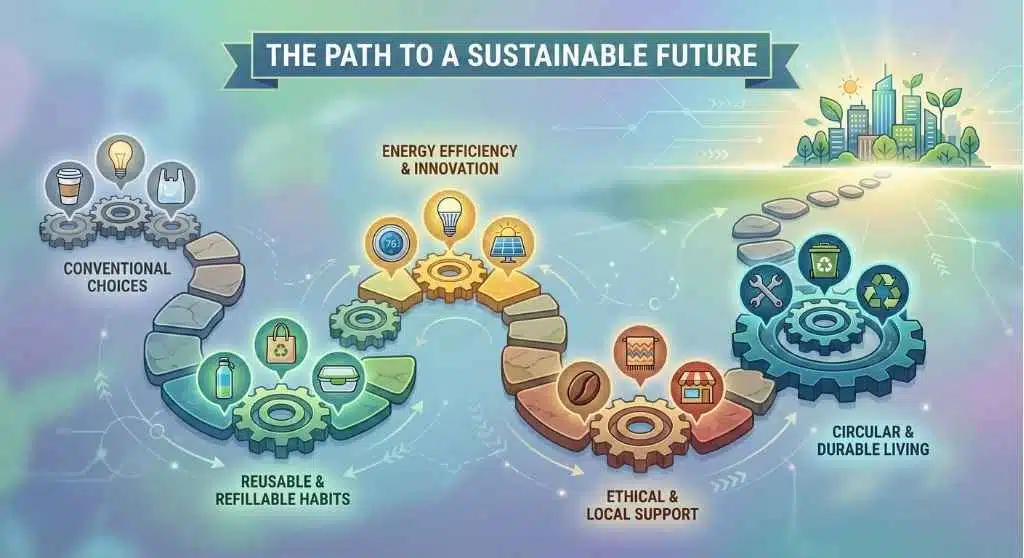
To unlock the full benefits of sustainable products, it’s essential to choose wisely and avoid greenwashing. Many products use vague or misleading labels, so understanding what makes a product genuinely sustainable is crucial.
Certifications are a reliable starting point. Labels such as Energy Star, Fair Trade, FSC, and B-Corp offer verified assurances of environmental and ethical standards. Reading ingredient lists also helps you avoid unnecessary chemicals and synthetic fragrances, especially in personal care and cleaning products.
Additionally, it’s wise to consider a product’s lifespan — whether it’s durable, repairable, refillable, or recyclable. Products designed for circularity tend to offer more value and reduce long-term waste.
Here is a helpful comparison of common certifications:
| Certification | What It Guarantees |
|---|---|
| Energy Star | High energy efficiency and lower energy consumption |
| Fair Trade | Ethical wages and improved working conditions |
| FSC / PEFC | Sustainably managed forests and responsible wood sourcing |
| Organic certifications | Reduced chemicals in farming and cleaner production practices |
| B-Corp | Verified social and environmental company performance |
These details make choosing sustainable products easier and more reliable.
Simple and Practical Sustainable Lifestyle Swaps
Sustainable living does not require dramatic changes overnight. Small decisions — such as drinking from a reusable water bottle, carrying a cloth shopping bag, or choosing concentrate-based cleaners — add up quickly. These simple solutions reduce waste, save money, and help you gradually transition to a more eco-conscious lifestyle.
Consider how easy it is to make these meaningful swaps:
| Habit Area | Conventional Choice | Sustainable Swap |
|---|---|---|
| Hydration | Purchasing bottled water | Using a reusable bottle with filtered tap water |
| Coffee and tea | Disposable cups and plastic pods | Reusable thermal cup and refillable coffee systems |
| Shopping | Plastic carrier bags | Durable cloth or jute bags |
| Cleaning | Bulk plastic cleaning bottles | Concentrated refills or cleaning tablets |
| Groceries | Plastic produce bags | Reusable mesh produce bags |
| Laundry | Standard detergent in plastic bottles | Eco-friendly strips, powders, or concentrated refills |
Each small change contributes to a more efficient, organized, and environmentally conscious routine.
Frequently Asked Questions About the Benefits of Sustainable Products
What are the main benefits of sustainable products?
The main benefits of sustainable products include long-term cost savings, reduced environmental impact, improved health and safety, and support for ethical production. These products are designed to last longer, use fewer resources, and generate less waste in everyday life.
Are sustainable products better than conventional products?
Sustainable products are generally better than conventional products because they focus on durability, efficiency, and safety. They reduce energy use, limit harmful chemicals, and support responsible manufacturing practices, offering long-term value rather than short-term convenience.
Do sustainable products really help save money?
Yes, sustainable products often save money over time. Energy-efficient appliances lower utility bills, reusable items reduce repeat purchases, and durable products last longer, cutting down replacement costs.
How can I tell if a product is truly sustainable and not greenwashed?
To identify truly sustainable products, look for trusted certifications, clear ingredient or material lists, and transparent sourcing information. Avoid vague claims and prioritize products that are refillable, recyclable, or repairable.
How do sustainable products help transform our daily lives?
Sustainable products transform daily life by reducing waste, saving money, and creating healthier living environments. They make everyday routines more efficient while supporting ethical and environmentally responsible practices.
Final Thoughts: Why the Benefits of Sustainable Products Matter
The benefits of sustainable products are clearer than ever. They make your home healthier, reduce clutter and waste, save you money over time, and support brands that value people and the planet. Sustainability is no longer just an environmental trend — it’s a practical approach to improving personal wellbeing and building a future where everyday choices contribute to long-term positive change.
By choosing items that last longer, use fewer resources, and avoid harmful chemicals, you take steps toward a lifestyle that feels cleaner, simpler, and more aligned with your values. You don’t need to be perfect or change everything at once. Even one sustainable product can begin the shift toward a meaningful and lasting impact.






























