

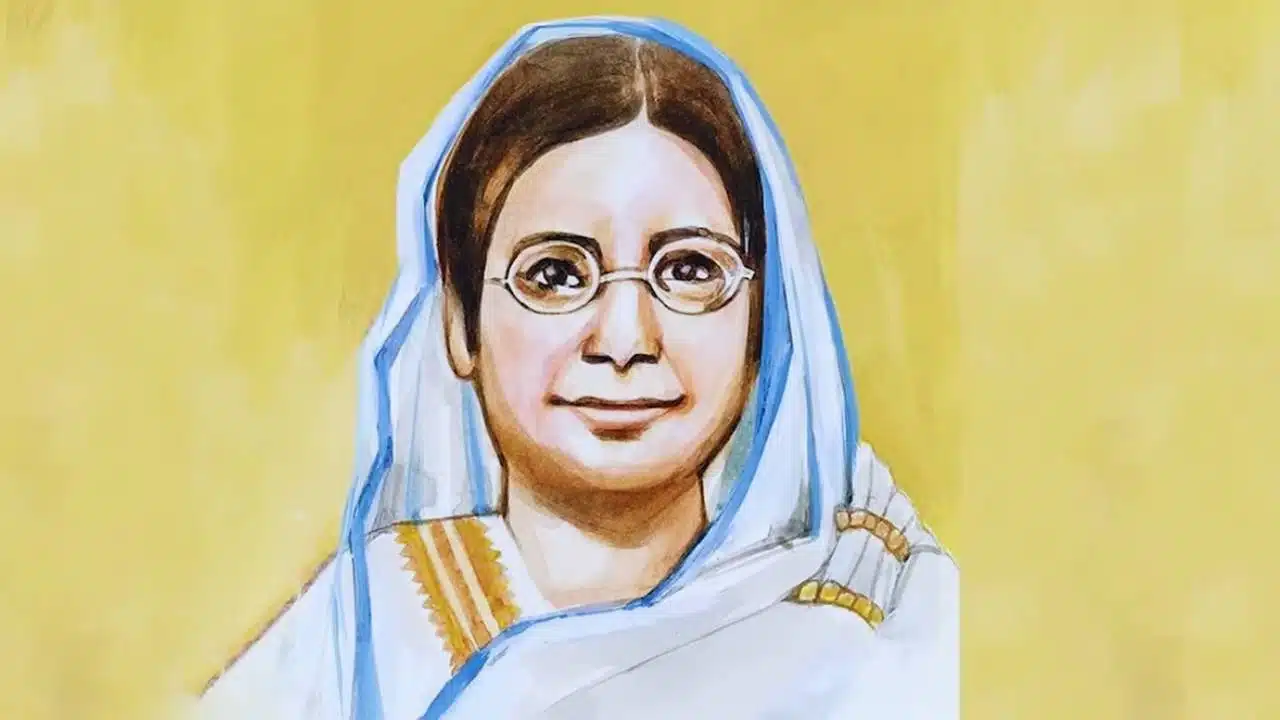
Bangladesh is observing Begum Rokeya Day today, honouring the life and legacy of Begum Rokeya Sakhawat Hossain — the trailblazing writer, feminist thinker, social reformer and one of the earliest advocates of women’s education in Bengal. The day holds special significance because it marks both her birth and death anniversary, a moment when the nation pauses to reflect on her influence and the path she paved for women’s empowerment.
Across the country, government bodies, educational institutions, cultural organisations and women’s rights groups are holding discussions, special programmes, exhibitions and award ceremonies to commemorate her contributions. These annual observances remind citizens of how profoundly Begum Rokeya challenged social norms and how her ideas continue to shape national policies and public conversations around gender equality.
Begum Rokeya is celebrated for her fearless belief that women, regardless of their social or religious background, have the right to education, dignity and equal participation in society. Her writings, including her iconic feminist satire Sultana’s Dream, envisioned a world where women’s intellect and abilities were not restricted by societal barriers. Today’s observances echo those ideals, as leaders and communities reaffirm Bangladesh’s commitment to ensuring women’s rights, safety and opportunities for growth.
Four Women to Receive the Begum Rokeya Padak 2025
One of the central highlights of the national observance is the conferring of the prestigious Begum Rokeya Padak, an award given each year by the Ministry of Women and Children Affairs to recognise remarkable contributions toward women’s empowerment. This year, four distinguished women have been selected for their long-standing dedication in their respective fields.
Ruvana Rakib will be honoured in the category of women’s education (research), acknowledging her vital work in expanding academic access and promoting gender-inclusive educational environments.
Kalpona Akter, known for her decades of activism in labour rights, is being recognised for championing the safety, dignity and fair treatment of women workers across industries.
Nabila Idris, selected in the human rights category, has worked to strengthen social justice frameworks and highlight the lived experiences of vulnerable communities, particularly women facing discrimination.
Ritu Porna Chakma, chosen for the women’s awakening (sports) category, is celebrated for breaking barriers in athletics and inspiring young women from marginalized backgrounds to pursue careers in sports.
Interim government chief adviser Professor Muhammad Yunus issued a formal message praising Begum Rokeya’s lifelong struggle against social injustices. He described her as a visionary who lifted generations of women “from darkness to light,” emphasising how her courage and progressive thinking shaped the early women’s movement in Bengal. His message also congratulated the four Padak recipients and reaffirmed the government’s ongoing commitment to strengthening women’s rights.
Government Programmes Highlight Ongoing Commitments to Women’s Welfare
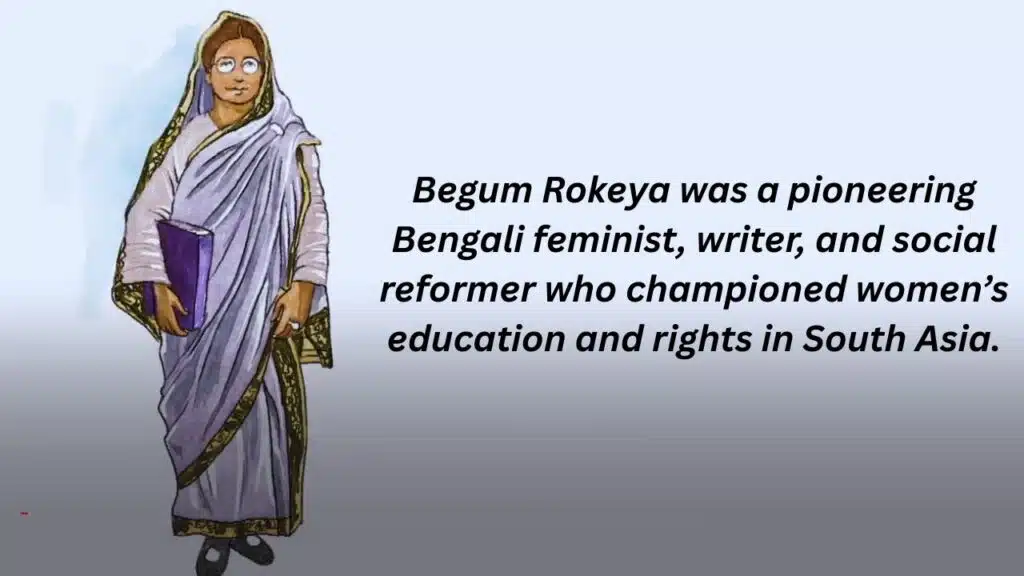
To honour the day, the Ministry of Women and Children Affairs outlined a series of programmes currently being implemented to advance women’s socio-economic development. These include initiatives aimed at supporting underprivileged rural women, expanding financial assistance for poor pregnant mothers, and providing targeted aid for low-income working mothers in urban centres. These welfare efforts are designed to reduce financial vulnerability and ensure women have access to essential healthcare and livelihood opportunities.
Microcredit programmes continue to play a major role in enabling women at the grassroots level to engage in small-scale entrepreneurship, helping them gain financial independence. The government also highlighted support systems for developing women entrepreneurs in marginalised communities, ensuring that training, resources and market access are available to women often excluded from economic participation.
Working women’s hostels are being maintained to provide safe and affordable accommodation for employed women in urban areas — an essential service for women migrating from rural districts in search of better employment.
Moreover, under the national initiative designed to prevent violence against women and children, a round-the-clock toll-free hotline (109) is operating nationwide. With an emergency Quick Response Team on standby, the hotline provides immediate assistance to victims of violence, ensuring that help remains accessible at any hour.
Cultural Programmes Call for Renewed Focus on Rokeya’s Teachings
Cultural institutions are also marking the day with special events. The Liberation War Museum is hosting a session titled “My Encounter with Rokeya,” featuring Spanish artist and filmmaker Isabel Herguera, director of the full-length animated adaptation of Sultana’s Dream. The programme aims to introduce Rokeya’s ideas to younger audiences through visual storytelling.
Meanwhile, at a debate competition organised by Bangladesh Mahila Parishad, its president Fauzia Moslem emphasized the urgent need to revisit Rokeya’s writings in light of rising misogynistic attitudes. She remarked that even today, Rokeya’s legacy faces misinterpretation or neglect, making it more important than ever to analyse and discuss her extensive works. Such dialogues, she noted, help reinforce the social values Rokeya championed — equality, knowledge, and freedom.































