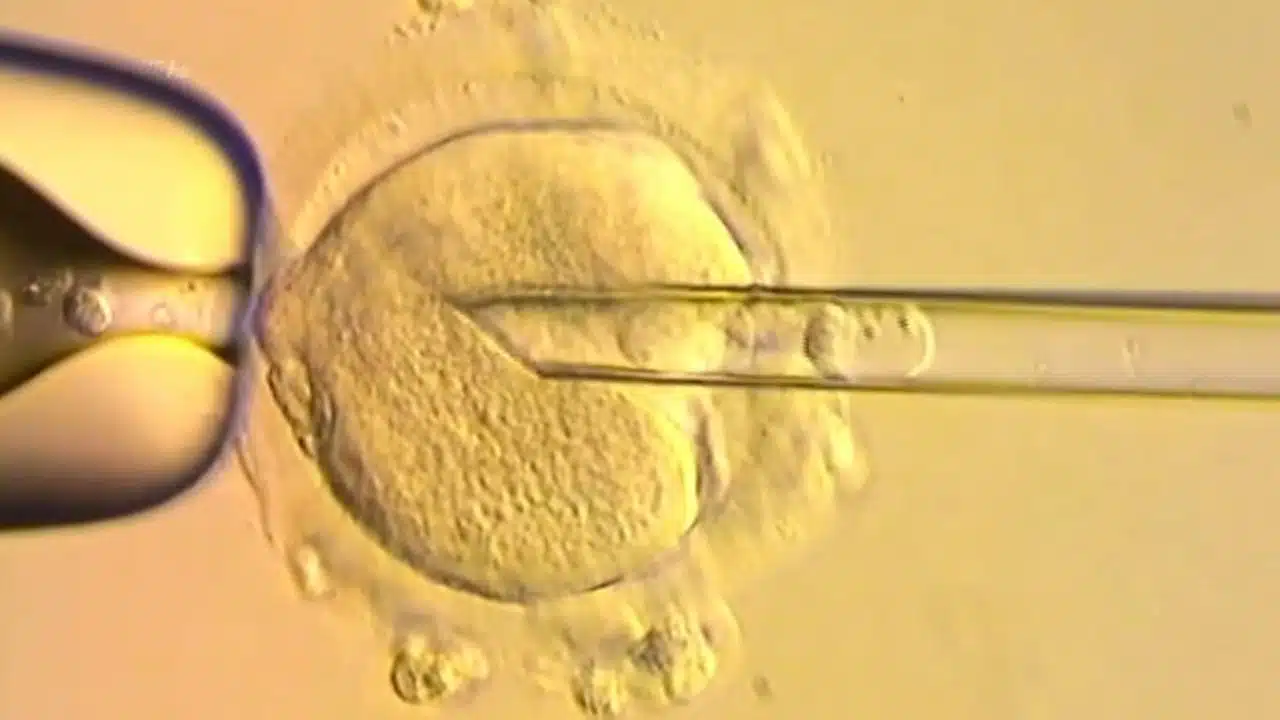
In a groundbreaking advancement that could reshape the future of fertility and genetic health, eight babies have been born in the United Kingdom using DNA from three different people — the mother, the father, and a female donor. The technique was developed to prevent the transmission of severe and often fatal mitochondrial diseases, a group of rare genetic disorders passed down from mother to child.
This experimental method, called mitochondrial donation or mitochondrial replacement therapy (MRT), was used by researchers at Newcastle University in the UK and Monash University in Australia. The successful births were reported in a peer-reviewed paper published Wednesday in the New England Journal of Medicine, showcasing promising results from a technique that has long been debated in the scientific and ethical communities.
Understanding the Need: What Are Mitochondrial Diseases?
Mitochondria are tiny structures found in almost every cell in the body. Often referred to as the cell’s powerhouses, they produce the energy that cells need to function properly. While the majority of a person’s DNA (more than 99%) is located in the cell’s nucleus — inherited half from the mother and half from the father — mitochondrial DNA (mtDNA) is solely inherited from the mother.
When this mitochondrial DNA is damaged or mutated, it can lead to a spectrum of diseases, known as mitochondrial disorders. These conditions are rare but devastating and may include symptoms such as:
- Severe muscle weakness
- Neurological issues like seizures or developmental delays
- Organ failure, including heart, liver, or kidney damage
- Poor growth, fatigue, and hearing loss
- Lactic acidosis (a buildup of lactic acid in the body)
- Infant mortality
There are currently no cures for mitochondrial diseases, making prevention the only reliable option. Families affected by these conditions often face heartbreaking decisions when trying to conceive.
How the Three-Person DNA Technique Works
The new reproductive technique involves replacing faulty mitochondria in a woman’s egg with healthy mitochondria from a donor. Here’s a step-by-step breakdown of the process:
- Genetic Material Extraction: Scientists extract nuclear DNA (which contains the baby’s traits like eye color and height) from the mother’s egg or embryo.
- Donor Egg Preparation: A donor egg, with healthy mitochondria, is used. Its nuclear DNA is removed, leaving only the healthy mitochondria.
- Reconstruction: The mother’s nuclear DNA is inserted into the donor egg.
- Fertilization: This reconstructed egg is then fertilized with the father’s sperm.
- Implantation: The resulting embryo, now containing DNA from three people, is implanted into the mother’s womb.
This process is done through in vitro fertilization (IVF). The child thus has nuclear DNA from the mother and father and mitochondrial DNA from the donor, with less than 1% of the total genetic material coming from the donor.
Experts emphasize that this small amount of donor DNA has no influence on the child’s appearance, personality, or other core traits, since mitochondrial DNA governs only cellular energy functions.
The Result: Eight Healthy Babies and a Continuing Pregnancy
The researchers reported that they performed this technique on fertilized embryos from 22 women. As of this report, eight babies have been born healthy, and one more woman is currently pregnant using this method. The infants are being closely monitored, but so far, they appear to be free of mitochondrial disease symptoms.
One of the babies showed slightly higher levels of abnormal mitochondria than expected. However, scientists say this level is still considered too low to cause concern and is unlikely to lead to disease. Nevertheless, long-term monitoring is ongoing to ensure continued health.
Global Legal Landscape: UK and Australia Lead the Way
The UK is currently one of the few countries in the world where this technique is allowed under law. In 2016, the UK became the first nation to legally approve mitochondrial donation for clinical use following intense scientific and ethical review. The law change allows the procedure under strict regulation and on a case-by-case basis.
As of July 2025, 35 patients have been authorized by the Human Fertilisation and Embryology Authority (HFEA), the UK’s fertility regulator, to undergo this procedure.
Australia also permits the use of this technique under similar restrictions. However, many countries, including the United States, currently ban clinical applications of mitochondrial donation due to legal and ethical concerns. In the U.S., Congress has annually renewed a law preventing the Food and Drug Administration (FDA) from reviewing applications for research involving heritable genetic modifications in human embryos.
Expert Reactions: Cautious Optimism and Ethical Considerations
The scientific community has responded with a mix of admiration and caution. Dr. Andy Greenfield, a reproductive health expert at the University of Oxford, described the research as “a triumph of scientific innovation”. However, he emphasized that this method would only apply to a very small number of women who cannot avoid passing on mitochondrial disease through embryo screening.
Dr. Zev Williams of the Columbia University Fertility Center, who was not involved in the study, praised the development as a milestone in reproductive options. “Expanding the range of reproductive options… will empower more couples to pursue safe and healthy pregnancies,” he said.
Robin Lovell-Badge, a developmental genetics expert at the Francis Crick Institute, addressed concerns about the DNA contribution from donors. He explained that mitochondrial DNA makes up less than 1% of the baby’s genome, and this contribution doesn’t affect the child’s identity or traits. He even compared it to bone marrow transplants, where a recipient receives more foreign DNA than through mitochondrial donation.
A Mother’s Mission: The Lily Foundation and the Power of Hope
This breakthrough carries deep personal meaning for families who have lost children to mitochondrial diseases. Liz Curtis, a UK mother who lost her daughter Lily in 2006 to such a disorder, now leads the Lily Foundation, a charity dedicated to research, awareness, and support.
Curtis remembers being told there were no treatment options for Lily, and that her infant daughter’s death was inevitable. It turned our world upside down,” she said. Today, she believes this new method offers real hope for families facing what she once did.
“It’s super exciting for families that don’t have much hope in their lives,” Curtis said. Her foundation has helped raise funds and awareness for the very research that made these births possible.
The Road Ahead: Monitoring, Ethics, and Global Policy
Though these births are encouraging, ongoing monitoring will be critical. Researchers will need to track the health and development of children born using this method into adulthood and possibly into future generations to understand any long-term effects.
Ethical discussions are expected to continue globally. While many bioethicists support the technique as a means of disease prevention, others raise concerns about germline modification — genetic changes that can be passed on to future generations.
Until broader policies change, mitochondrial donation will remain limited to a few highly regulated jurisdictions. Still, the successful birth of healthy babies using this method marks a turning point in fertility science, offering hope and new options for affected families around the world.
The Information is Collected from BBC and CNN.