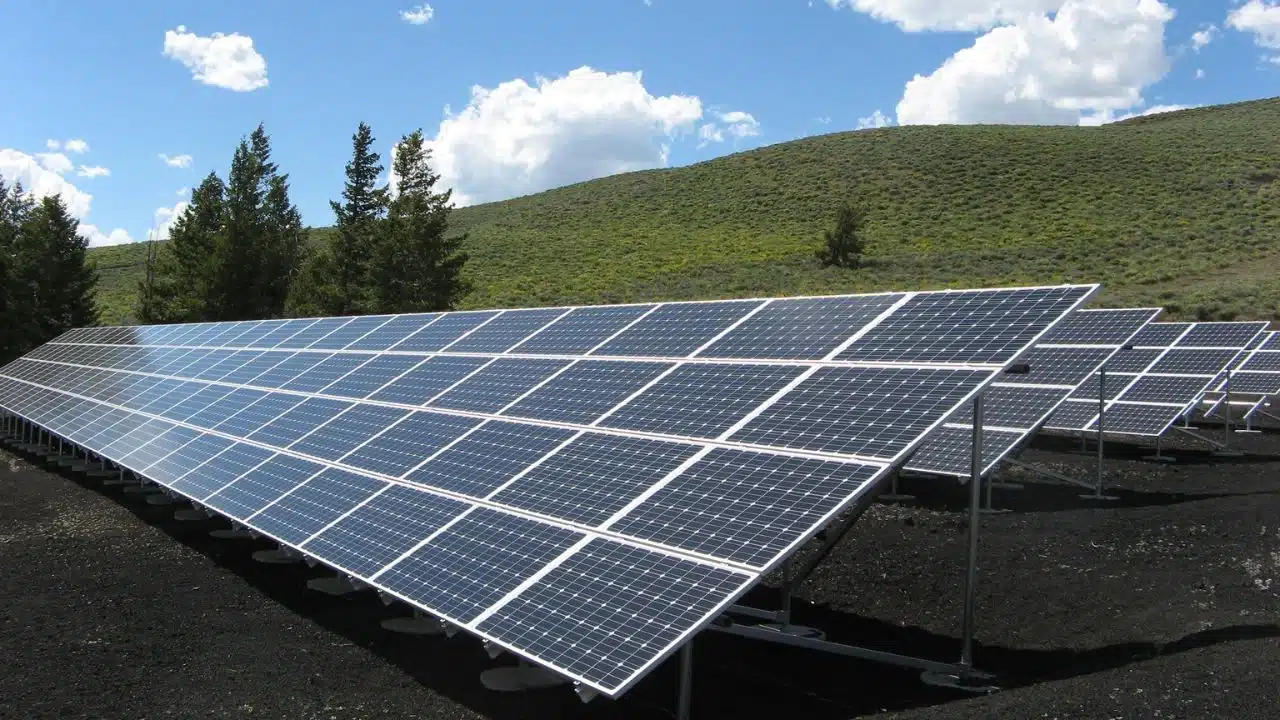
For eco-conscious consumers, transitioning from fossil fuels to renewable energy sources like solar doesn’t have to remain a distant future concept. Advancements in solar energy are making the move feasible for an increasing number of property owners. There are multiple ways to embrace this renewable energy source, from neighborhood solar gardens to solar-powered roof shingles.
Modern financing options, such as leasing roof panels, also make converting a home more affordable. With leasing, you don’t have to shell out the cost of the panels all at once. Plus, you can save on utility costs by becoming less dependent on traditional electricity. If you’re considering joining the green revolution, the latest improvements give you fewer reasons to hesitate. Read on to discover what’s new in solar energy utilization.
1. Increased Affordability
If you own your home, you know upgrades and improvements can be expensive. Just replacing major components with like-for-like may set you back thousands. Projects such as upgrading your windows or furnace aren’t generally manageable without some form of financing. Even then, interest rates and loan terms can make affordability challenging.
Property owners face the same dilemma when converting to renewable energy sources. One of the barriers to solar installation is the upfront costs. Putting solar panels on your roof means setting aside up to $20,000 for a 5-kilowatt system. If your home uses more energy, you may need to spend the money on more than one system. Not everyone has ready access to $20,000 or more to devote to upgrades.
Fortunately, you don’t have to buy solar panels to convert your property. Leasing arrangements make it easier to pull off the transition. You won’t have the large upfront costs, although you may have a relatively small down payment. Similar to leasing a car, you pay the equivalent of a one-time deposit and a monthly expense. If you lease solar panels, your monthly costs will typically be between $70 and $250.
2. Higher Efficiency
Some locations are sunnier than others. For instance, Denver usually sees more hours of sunlight each year than Seattle. But solar energy efficiency can be a concern even in areas with an abundance of rays. Some solar energy is lost as systems convert the sun’s power into electricity. When there’s more usable energy, the system’s efficiency goes up.
Thankfully, the solar industry is making strides with its technology. These advancements are boosting the efficiency of solar energy systems overall. This means more solar energy can become usable electricity to power buildings. You get more out of your investment in solar while decreasing your use of conventional fossil fuels.
With solar efficiency on the rise, you may not need to rely on traditional electricity as a backup. Appliances that require higher energy loads — think cooling systems and refrigerators — won’t switch to secondary power sources. Researchers are also testing high-efficiency systems with cars. In the not-too-distant future, solar cells will be able to convert the sun’s energy into enough electricity to keep electric cars running.
3. Increased Options
When considering converting to solar energy, many people picture installing panels on their home’s roof. But if you live in a hail-prone area, you may question the practicality of doing so. You don’t want to invest in technology that has a high chance of sustaining storm-related damage.
The good news is research teams are developing a wider range of solar energy options. These include solar roof shingles and windows. Both capture the sun’s energy to convert it into electricity. Shingles and windows provide property owners additional aesthetic benefits since they blend in. They’re not as noticeable as roof-top panels and thus help homeowners maintain curb appeal.
While solar roof shingles and windows aren’t as widely available as panels, they probably will be in the future. The technology integrated into window panes is still in testing and development. However, solar roof shingles are a possibility for homeowners now. The shingles can also withstand different weather conditions, lasting as long as non-solar varieties.
4. Shared Resources
Going solar sounds nice, but what if you live in an apartment? Or you might own a townhome in a building with multiple units. It’s not as easy to switch to renewable energy when you don’t have the authority to make changes. In addition, you may not want to invest in those improvements if you don’t plan on staying for long.
Community facilities allow renters and multi-family dwellings to go solar without big investments. For example, neighborhood solar gardens let nearby residents benefit from renewable energy. Renters can purchase subscriptions from the owner of the infrastructure. They can pay each month or year, depending on their needs.
Homeowners’ associations may choose to invest collectively in a solar garden. Each unit owner can contribute a portion of the infrastructure’s cost, making it more affordable. Sometimes utility companies will help sponsor solar gardens to lower overall expenses. Sponsorships like these also help bring renewable energy choices to less affluent neighborhoods. Shared renewable energy can become a reality if there are nearby spaces to install the infrastructure.
Solar Energy Developments
Taking advantage of the benefits solar energy has to offer is good for your budget and the environment. Making the transition isn’t as cost-prohibitive or impractical as it may have been in the past. Advancements in solar technology can pave the way for more neighborhoods to switch to renewable energy systems. As these improvements forge ahead, those who don’t embrace solar power will be behind the times.