There have been times in history when the creation of new technology has allowed us to say, “These inventions spread widely in society and changed the way we live.”
Think about how smartphones, laptops, and even desktop computers and TVs, which came before them, are used by a lot of people and have a big effect. When they hit the market, people bought them, they became important, and they totally changed the way we live. They changed how we learn and teach, connect and talk, do work and have fun. They changed society and our place in it in a basic way.
At the time these goods were introduced to the world, they were only possible because of many breakthroughs in the technologies that went into them. For example, computing and connectivity had never been better. But each of these goods stands out because they also made a huge step forward in how people and machines work together. How we used them changed the direction of technology growth and made it possible for many people to use these new devices in their daily lives.
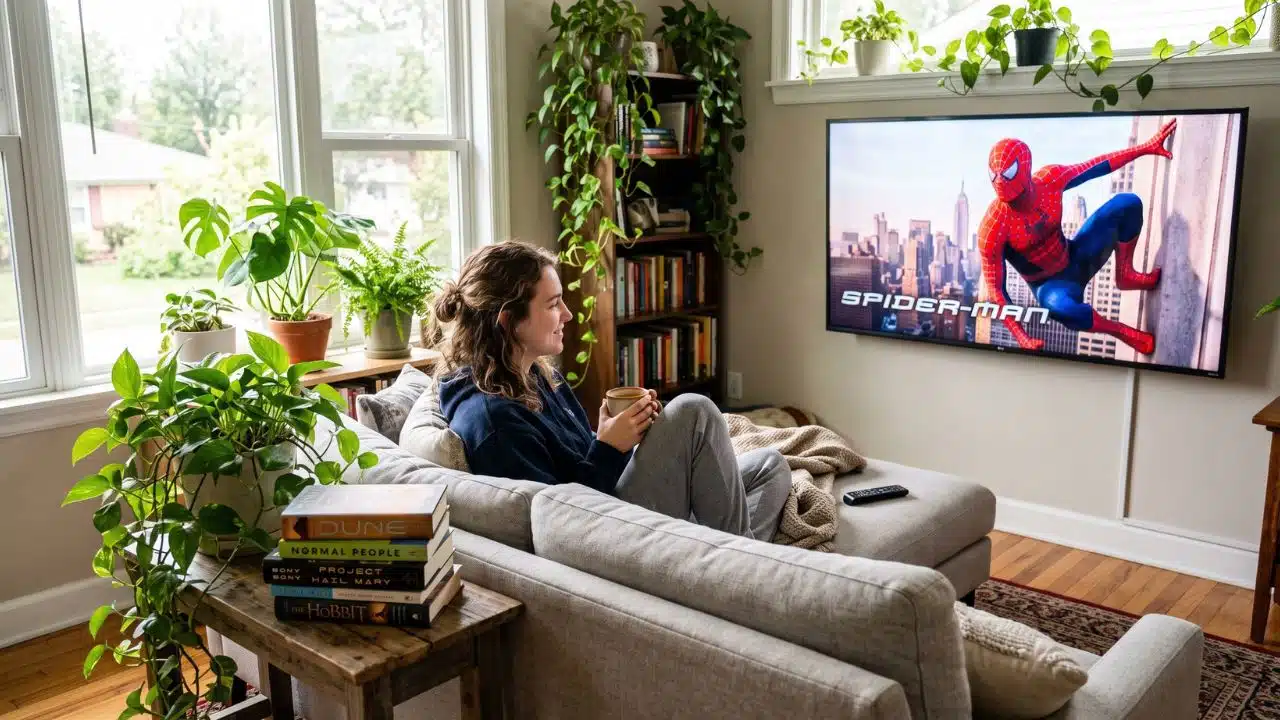
The first TVs brought amazing new audiovisual fun into people’s homes, but they didn’t become popular until the invention of the remote control, which made it easier for people to use.
For desktop computers to be used by many people, they needed a keyboard, a mouse, and a graphical user interface. Without these tools, which make it easy for people to talk to each other, computers would be useless to most people. Laptops became popular because they had built-in keyboards, trackpads, and LCD screens, and they could connect to the internet wirelessly so people could use the internet while not being tied down.
By making the whole screen a multitouch user interface, the modern smartphone took human contact to a whole new level. Keyboards built into phones went out of style very quickly. Now, all you have to do to change digital material is touch the screen. This huge improvement in how people interact with devices meant that you could now tap or grab with your fingers like you do in real life. Think about how hard it would be to use a cell phone without a touchscreen. What good are phones when the touch screen stops working? Not at all.
Because of innovations in how people and technology work together, all of these things are now part of our everyday lives. The question is, “What’s next?”
Most people in the tech business agree that augmented reality (AR) and virtual reality (VR) will be the next big thing in consumer devices. For these devices to be used for more than just niche uses, they need to let people use their eyes, hands, and voices to interact with them in a natural way. We’ll talk to machines the same way we talk to other people. Advances in machine learning-based artificial intelligence (AI) are making it easier to build strong computer vision and language understanding technologies that will make this possible.
Lightweight VR headsets could become popular for watching interactive multimedia, and AR glasses could make us more productive, but they will need to be easy to use. Imagine putting on a headset and being transported to a world where real and virtual items blend together and you can use your hands and voice to interact with them. You can choose a movie from a menu that floats in space by just looking at it, and then you can play it by pinching your fingers together or by telling it to play.
Voice-activated tech like Google Assistant, Amazon Alexa, and Apple’s Siri are already out there. We don’t have to touch any buttons; we can just talk to the gadgets. But this is about more than just phones and smart speakers.
As people who work in the hearing business, we are seeing innovations that have never been seen before. For example, AI technology is turning hearing aids into devices that can do more than one thing and act as personal assistants in the ear. Now, a hearing aid can answer questions, track your physical and mental activity, tell you to take your medicine or pick up milk from the store, transcribe speech, and even translate languages in your ear. All of this is done by modern hearing aids by us talking to them and them talking back to us.
Recent breakthroughs in generative AI, which are based on big language models that are trained with a lot of data, are already giving us a glimpse of how people will connect with and use the internet in the future. We won’t just be able to ask a question and get an answer back; instead, we’ll be able to have more in-depth talks with an intelligent agent.
Imagine talking with someone about your planned trip and getting suggestions based on what you like and what you need. Imagine asking a question about your health and getting helpful answers right away, before you can get a meeting with a professional. The most common way to interact with big language models, like OpenAI’s ChatGPT or Google’s Bard, is through text. However, a device in your ear that can hear and talk in both directions and is always on can make these interactions seamless.
Rapid progress in AI will have a big effect on how people and machines work together. It will help us do our jobs better and live better, happier lives. You don’t always know when you’re living in a historical moment, but this is one of those times we’ll look back on and remember how this change in technology changed how people connect with and use technology around them.