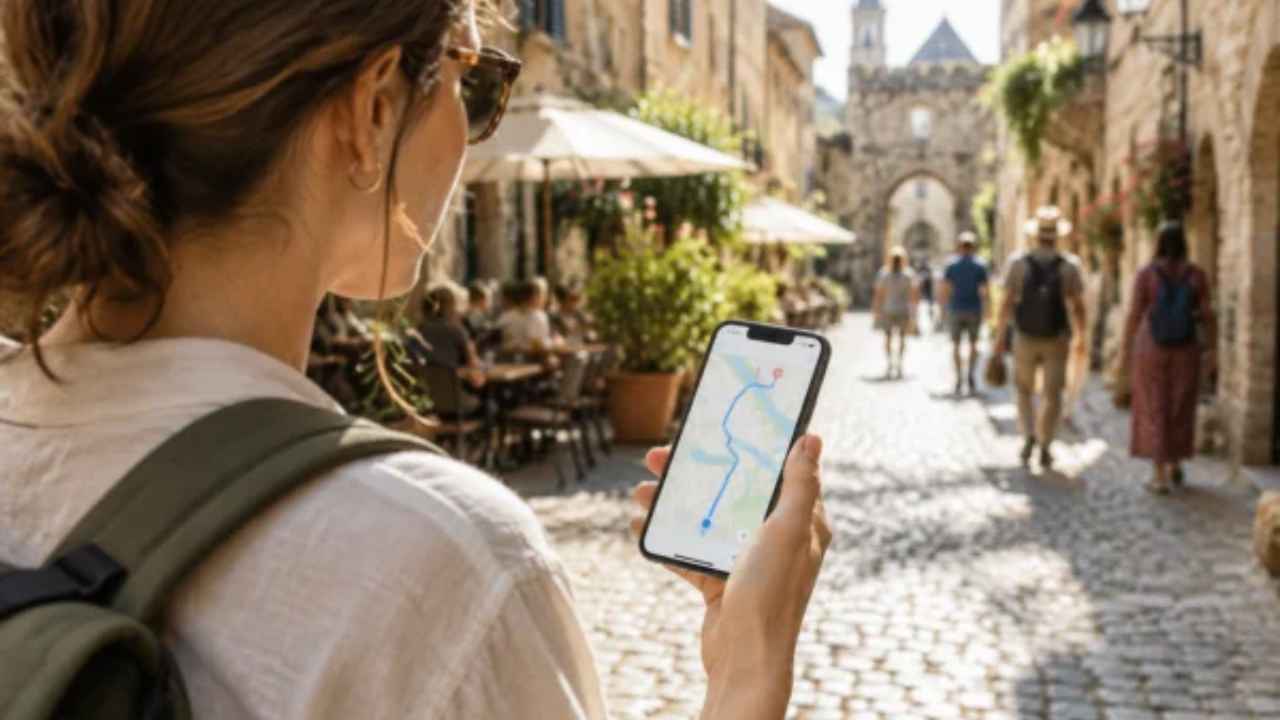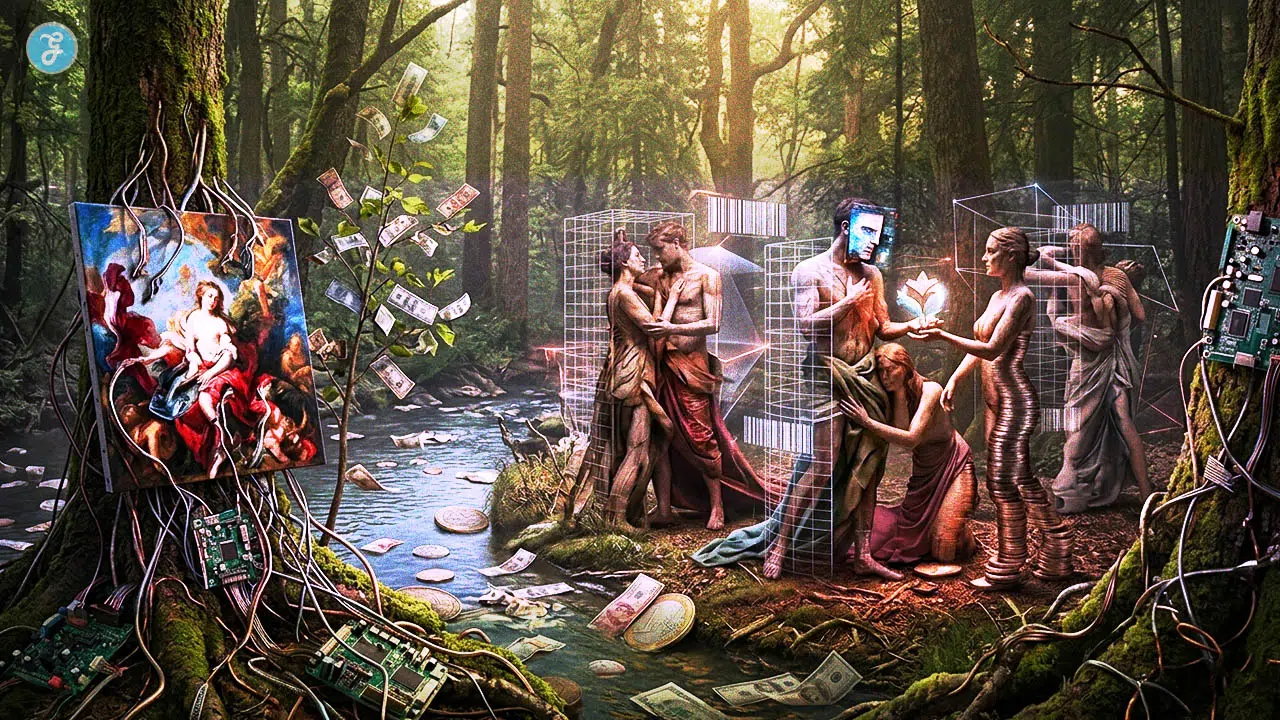
Picture a 19th century flâneur wandering the streets of Paris. He walked purely to observe. He had no destination. He needed no audience. He simply absorbed the rhythm of the city. Now look at a modern digital nomad on a secluded hiking trail today. The walk is no longer a quiet retreat. The experience is curated. The angle is tested. The lighting is optimized for a social feed. We no longer walk just to see the world. We walk to prove we were there.
This shift defines our current reality. Welcome to the era of performative living. This habit is no longer a strange side effect of digital success. It has become the primary goal of daily existence. We are stripping the soul out of our most basic human experiences. We convert art into mere content. We turn intimacy into a curated act. We treat nature as a green screen for productivity.
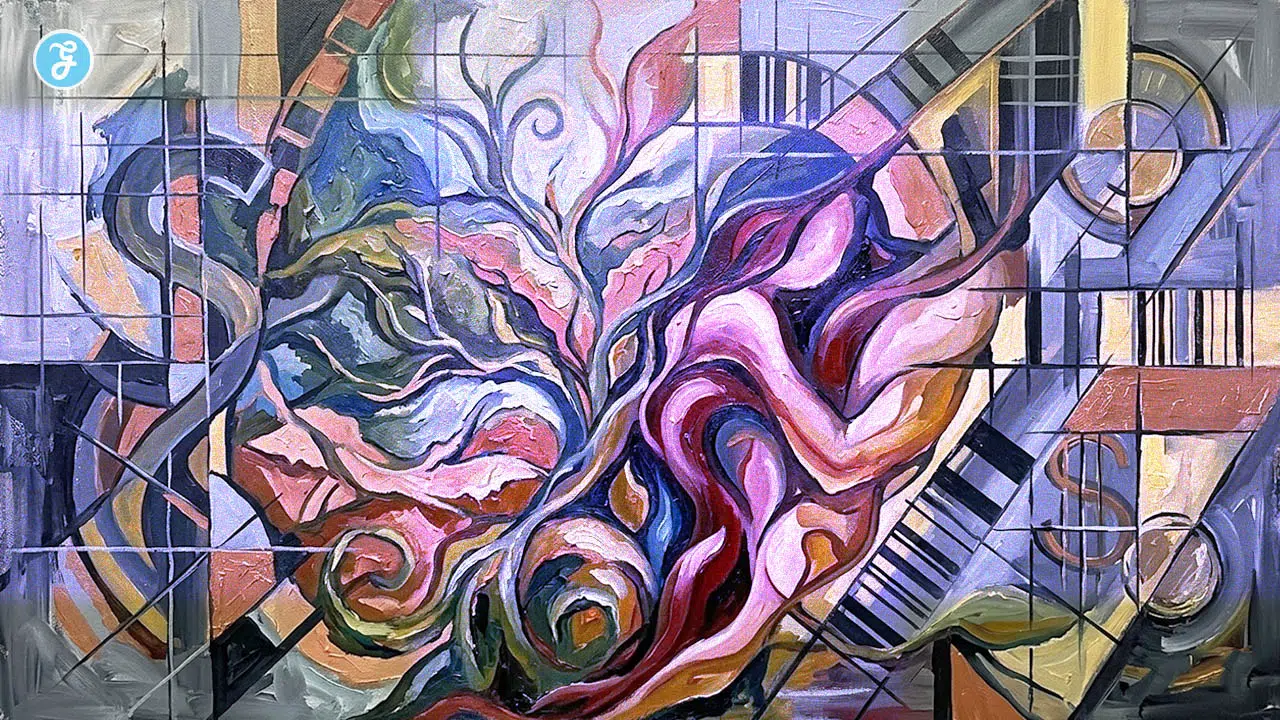
What happens when everything becomes a transaction? We participate in a massive extraction of meaning. By forcing utility onto every quiet moment, we leave the human spirit completely hollow.
The cultural shift is profound. Sociological data shows that framing leisure time as a tool for personal growth directly increases mental fatigue. We are exhausting ourselves trying to prove our worth. We used to navigate the world through raw experience. The old philosophy was clear. I feel, therefore I am.
Today the mantra is entirely different. I extract value, therefore I am validated. We measure our days in metrics, engagement rates, and optimized outcomes. We are losing the quiet essence that makes life worth seeking in the first place.
The High Price of Art as Digital Fuel
We are witnessing the slow death of the physical object. In the past, art existed as a tangible presence. You stood before a canvas and felt its weight. Today, art has been flattened into a digital commodity. It is no longer something we live with. It is something we scroll past. This shift turns creativity into a mere transaction. We have traded the soul of the work for the speed of the feed.
From Contemplation to Consumption
Walter Benjamin once wrote about the work of art in the age of mechanical reproduction. He argued that mass production stripped art of its unique presence. In 2026, we have taken this a step further. We are in the age of algorithmic reproduction. Art is no longer a silent dialogue between the creator and the observer. It has become fuel. It exists to keep the platform running. We do not contemplate a painting anymore. We consume a pixelated image. Research from the art market shows that digital assets often lose value the moment they stop being shared. The goal is no longer to move the viewer. The goal is to keep them clicking.
The Rise of the Performative Creator
Artists are facing a new and brutal reality. They must prioritize shareability over truth. If a piece of work cannot be condensed into a five-second clip, it effectively disappears. This is the heart of performative living for the creative class. The transactional nature of the Like has replaced artistic merit.
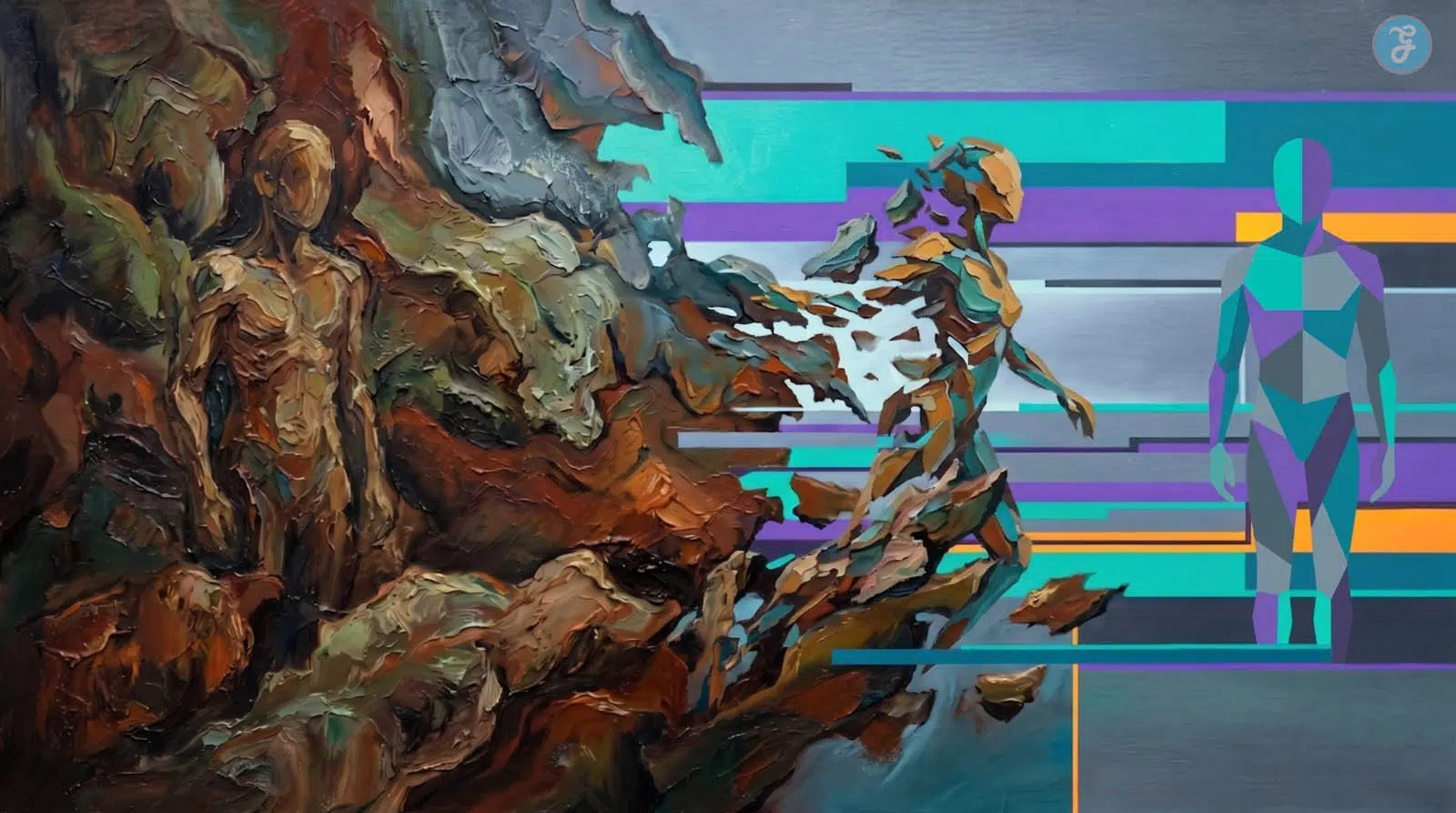
Success is measured by engagement metrics rather than emotional resonance. Creators are forced to perform their process for an audience that never looks at the final product for more than a moment. This pressure creates a feedback loop. Artists produce what the algorithm rewards. They stop taking risks that might alienate a follower.
The Loss of the Artistic Aura
When a work is optimized for a quick scroll, it loses its ability to challenge the viewer. This is the death of the aura. A profound piece of art should be difficult. It should demand your time. But the digital feed hates difficulty. It demands immediate satisfaction. When we strip away the time needed to truly see, we strip away the power of the art to transform us. We are left with hollow aesthetics. These images are pleasant enough to look at but they leave no lasting mark. We are losing our capacity for deep focus. We are trading our inner transformation for a temporary hit of dopamine.
Intimacy in the Age of Exchange
The most private corners of our lives are now public assets. We have invited the audience into our beds. Intimacy was once a sanctuary away from the world. Now it is a stage for digital curation. We are trading genuine vulnerability for a polished image of connection. This transformation turns the most human act into a cold transaction.
The Rise of Curated Intimacy
Pseudo-intimacy is the new social standard. We see it in the explosion of curated dating profiles and digital storefronts for the body. Platforms like OnlyFans have turned personal desire into a subscription model.
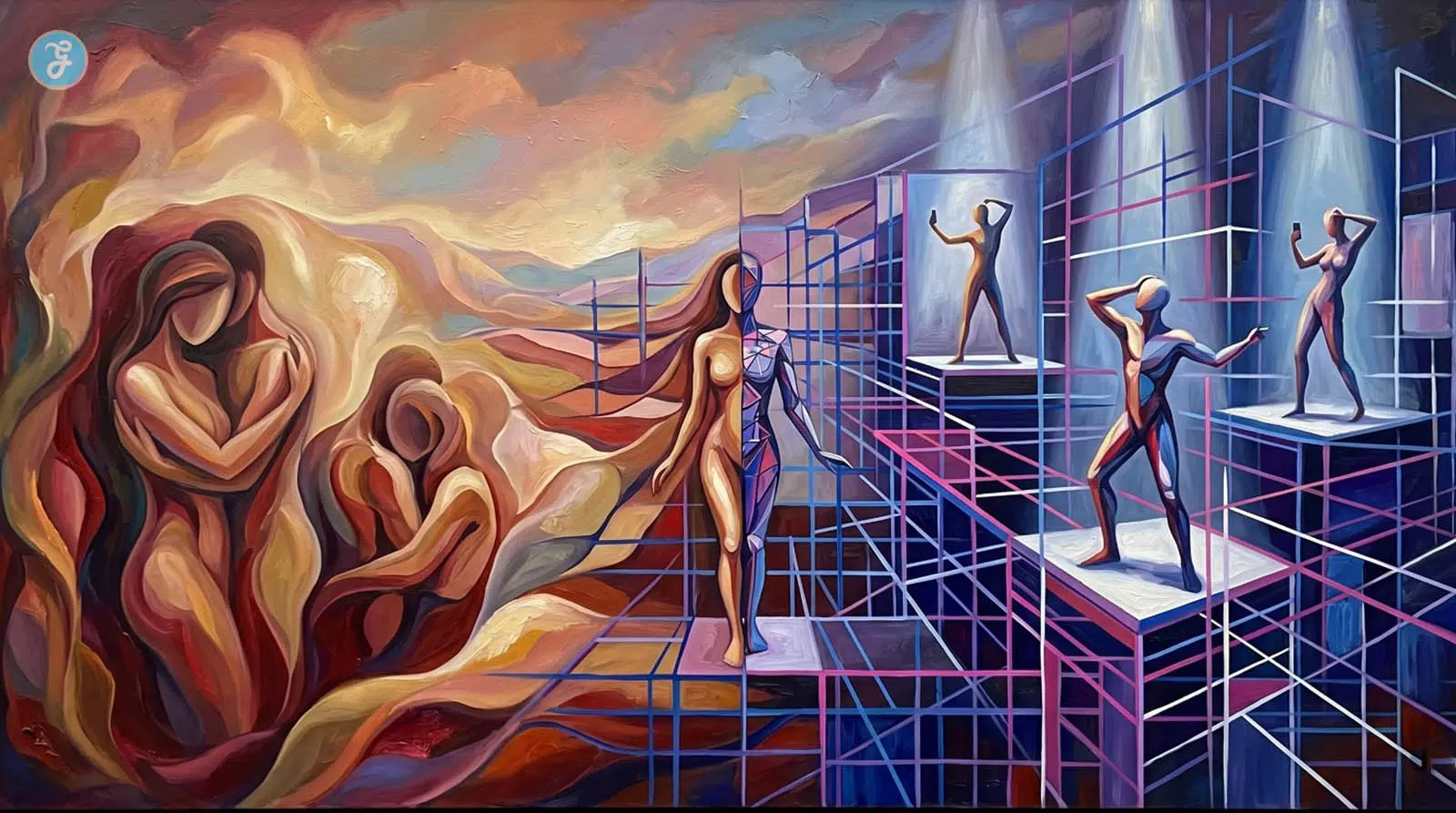
Even our romantic lives have become a form of emotional AI. We use pre-written scripts and filtered photos to attract a partner. We are no longer presenting our true selves. We are presenting a version of ourselves that we think will sell. The body is no longer a temple. It is a product optimized for the highest engagement.
Measuring Connection through Metrics
When intimacy becomes a performance, we start looking for proof of success. We measure our relationships by responsiveness. We track how fast a partner texts back. We count the public displays of affection on a timeline. This focus on output kills emotional depth. A 2025 meta-analysis in Frontiers in Psychology highlights a growing crisis. It focuses on partner phubbing or Pphubbing. This happens when one person ignores their partner to look at a phone. The study proves that digital preoccupation destroys trust. It makes the person sitting right next to you feel invisible. We are physically present but emotionally occupied with our digital performance.
Sex as a Means to an End
The private exchange of vulnerability is disappearing. Sex is increasingly treated as a tool for self-improvement or status. We use it to feel validated by others. We use it to check a box on a wellness list. This is the ultimate transactional shift. We are no longer asking how we feel in the moment. We are asking what this moment does for our brand. In this world of performative living, intimacy is just another task to master. We seek the outcome but we avoid the messiness of a real connection. We are winning the performance but losing the person.
Nature as a Productivity Hack
We no longer step into the woods to lose ourselves. We go there to find a better version of our working selves. Nature has been demoted from a wild force to a biological charging station. We treat the outdoors like a utility. It is something we use to fix our focus before heading back to the screen. This is the ultimate instrumentalization of the planet.
The Myth of the Green Tool
The wild is losing its status as something separate from us. We used to respect the forest as an independent entity. Now we view it as a restorative tool.
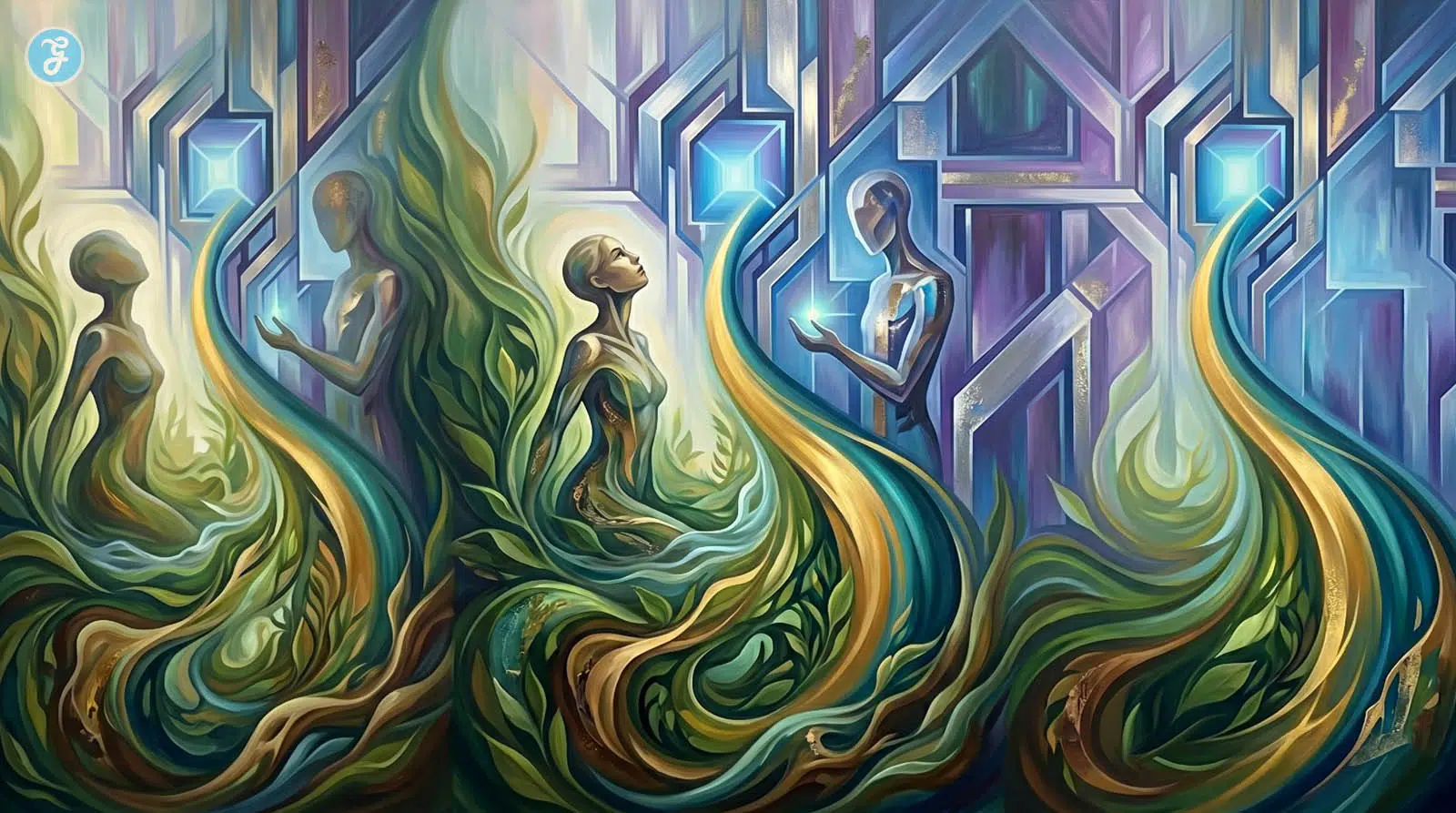
We speak about nature in terms of service. We want it to lower our cortisol or sharpen our memory. It is a one-way relationship. We are not there to witness the trees. We are there to extract a feeling of calm that we can then spend on our next project. This is not a connection. It is a maintenance appointment.
The Trap of Corporate Greenery
Tech giants are obsessed with the green effect. They fill their offices with plants and natural light. They cite famous studies from the University of Michigan about attention restoration theory. But the motive is rarely about employee happiness. It is about the bottom line. They use nature to boost cognitive endurance. They want to extend your memory span so you can work longer hours. This is the green effect trap. It turns the living world into a cog in the corporate machine. Nature is no longer an escape. It is a lubricant for the grind.
Performative Stewardship and the Silent Forest
We have entered the age of the Instagrammable environment. We see this in the rise of wellness tourism. People flock to remote vistas to capture a single perfect shot. The forest becomes a backdrop for a post about mindfulness. This is performative living at its peak. When we use the wild as a stage, the forest itself is silenced. We do not hear the wind or see the local ecology. We only see how the light hits our faces. We are trading the reality of the earth for a digital trophy.
The Paradox of the Digital Escape
The great irony is our desire to flee. We go to the mountains to escape a transactional world. Then we immediately turn that escape into social capital. We log our miles. We tag our locations. We turn our peace into a metric for others to admire. This creates a loop where we can never truly leave the market. Even in the deepest woods, we are still checking our reach. We have turned our rest into another form of labor. We are performing our freedom while remaining trapped in the loop.
Reclaiming the Unseen Life
- Constant documentation creates the illusion of growth but disrupts focus and deep learning.
- Nature loses its restorative power when treated as a backdrop for productivity.
- Art becomes disposable content when designed for sharing instead of meaning.
- Digital distraction in intimate moments erodes trust and emotional safety.
- Choosing to live without an audience protects what cannot be measured or monetized.
The Machinery Behind the Performance
We do not perform by accident. A complex machine of social and economic pressure drives our need to be seen. We have been conditioned to believe that an unrecorded life is a wasted one. This internal drive creates a cycle of constant visibility. We are caught in a trap where our private joy feels insufficient until it is publicly verified.
The Broken Promise of Validation
The search for digital approval is a losing game. Sociological research from 2025 shows a clear link between self-presentation and unhappiness. People who spend their lives curating their image report much lower life satisfaction. This is the validation loop. We post to feel better. We check for likes to feel seen. But the hit of dopamine is always temporary. It leaves us feeling more isolated than before. We are performing for a crowd that is too busy performing to actually look at us.
The Heavy Weight of Economic Pressure
Modern capitalism has convinced us that every second must produce value. If an experience isn’t put to work, we feel guilty. We view a quiet afternoon as a lost opportunity for branding. This mindset turns our hobbies into side hustles. It turns our rest into recovery time for future labor. In this world, everything has a price tag. We have forgotten how to do things just for the sake of doing them. We have become the managers of our own personal brands. We are working even when we think we are playing.
The Betrayal of the Self
Immanuel Kant offered a famous rule for a moral life. He argued that we should treat people as ends in themselves. We should never treat others as a mere means to an end. Performative living violates this principle on a personal level. We are treating our own lives as a means to a digital end. Our dinner is just a means to a photo. Our vacation is just a means to a status update. We have turned our existence into a tool for an algorithm. We are no longer the subjects of our own stories. We have become the objects of our own marketing.
Living by Numbers, Losing Life
The real damage of a transactional world is invisible. We are trading the richness of human feeling for the precision of data. When every moment is weighed and measured, the magic of the unexpected disappears. We are turning our lives into a series of logistics. We have gained efficiency but we have lost our sense of wonder.
Turning Reality into a Spreadsheet
We are obsessed with metrics. We track our step counts and monitor our heart rates. We check our engagement levels and count our followers. This data turns a three-dimensional life into a flat document. A walk in the park is no longer about the smell of rain or the sound of birds. It is about hitting a numerical goal. We have replaced the quality of our experiences with the quantity of our outputs. When life becomes a spreadsheet, there is no room for the soul.
The Paradox of Exhausting Rest
We are suffering from a new kind of fatigue. It stems from the irony of performing our own relaxation. When we try to optimize our downtime, we stop actually resting. We are busy documenting our meditation or filming our slow mornings. This behavior triggers mental fatigue syndrome. The brain never gets a break from the pressure of being watched. We are working to prove we are resting. This performance is more draining than the jobs we are trying to escape. True rest does not need an audience.
The Disappearing Act of Being
The greatest loss is our sense of presence. It is impossible to simply be when you are busy extracting value from the moment. We have become spectators of our own lives. We look at the world through a lens rather than with our own eyes. We are thinking about the caption before the event is even over. This constant state of planning kills the quiet essence of the present. We are physically in the room but our minds are already in the cloud. We are losing the ability to exist without a purpose.
The Quiet Defiance of the Unprofitable
Choose what cannot be measured. Do what offers no return except presence. Refuse to turn every moment into output. Protect what is yours by not making it visible.
The Power of Pointless Acts
True freedom begins in the undocumented moment. We need to create art that never leaves the room. We must take walks that are not measured, not posted, not optimized.
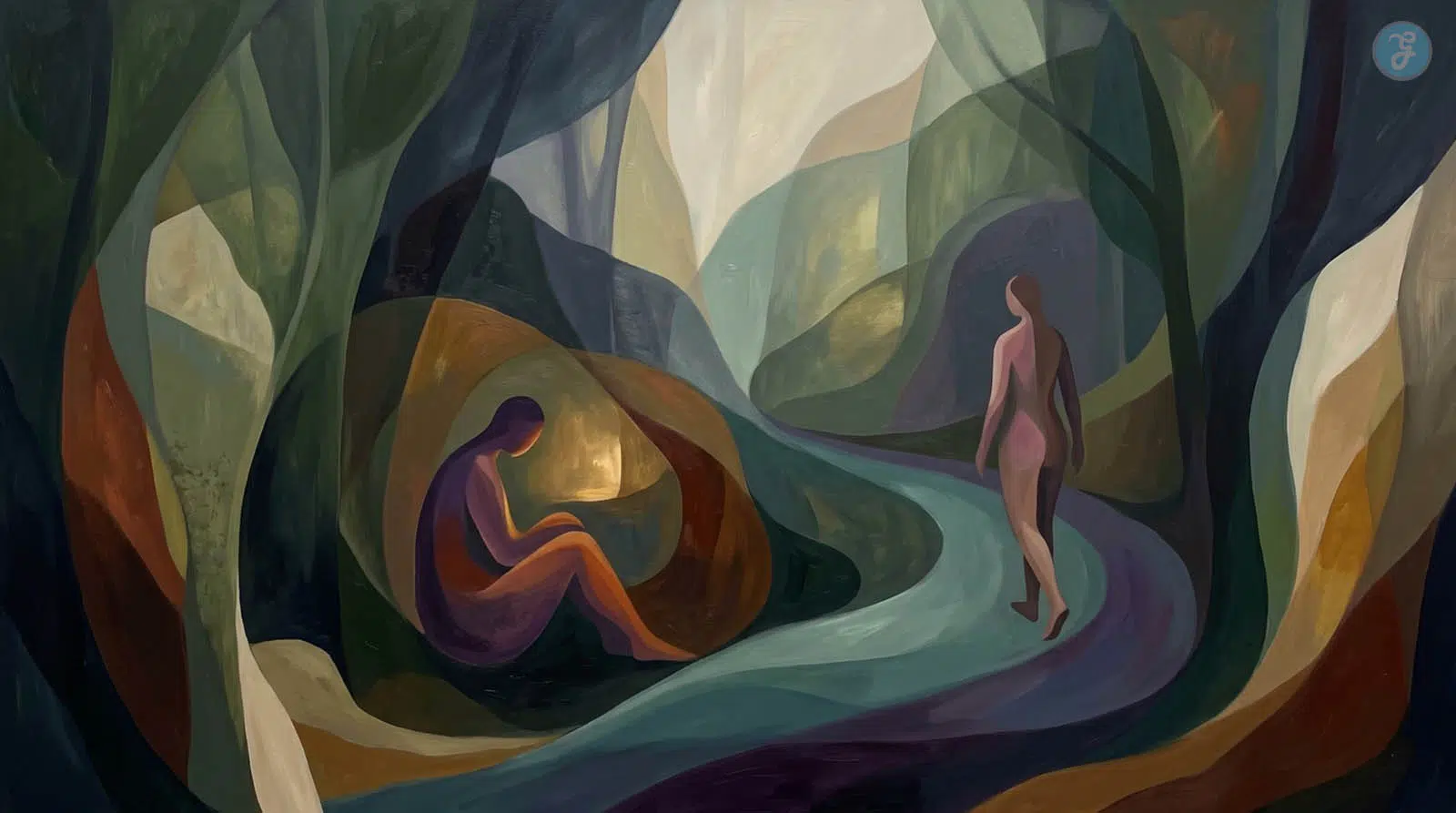
Intimacy must return to the shadows, where it can exist without an audience. These so-called pointless acts are not empty. They are a defense against a world that reduces everything to exchange. They remind us that we are not products. By choosing not to share, we keep something sacred. We reclaim the right to a life that is not constantly on display.
From Function to Being
We have to stop asking what a moment is for and start asking what it is. This shift changes the way we see everything. A sunset is no longer content. A conversation is no longer material. A person is no longer part of a narrative we are constructing. The world returns to its original texture. It becomes something to be felt rather than used. In this return, we move away from the noise of constant evaluation and back into the quiet truth of simply being.
Living without an audience is the most radical form of freedom left to us. We are not here to be consumed. We are not here to be curated. Our worth does not exist in numbers or visibility. It reveals itself only in the moments that cannot be captured or counted.
It is in the forest that no one photographed.
In the conversation no one recorded.
In the silence no one interrupted.
The performance ends there. And for the first time in a long time, something real begins.