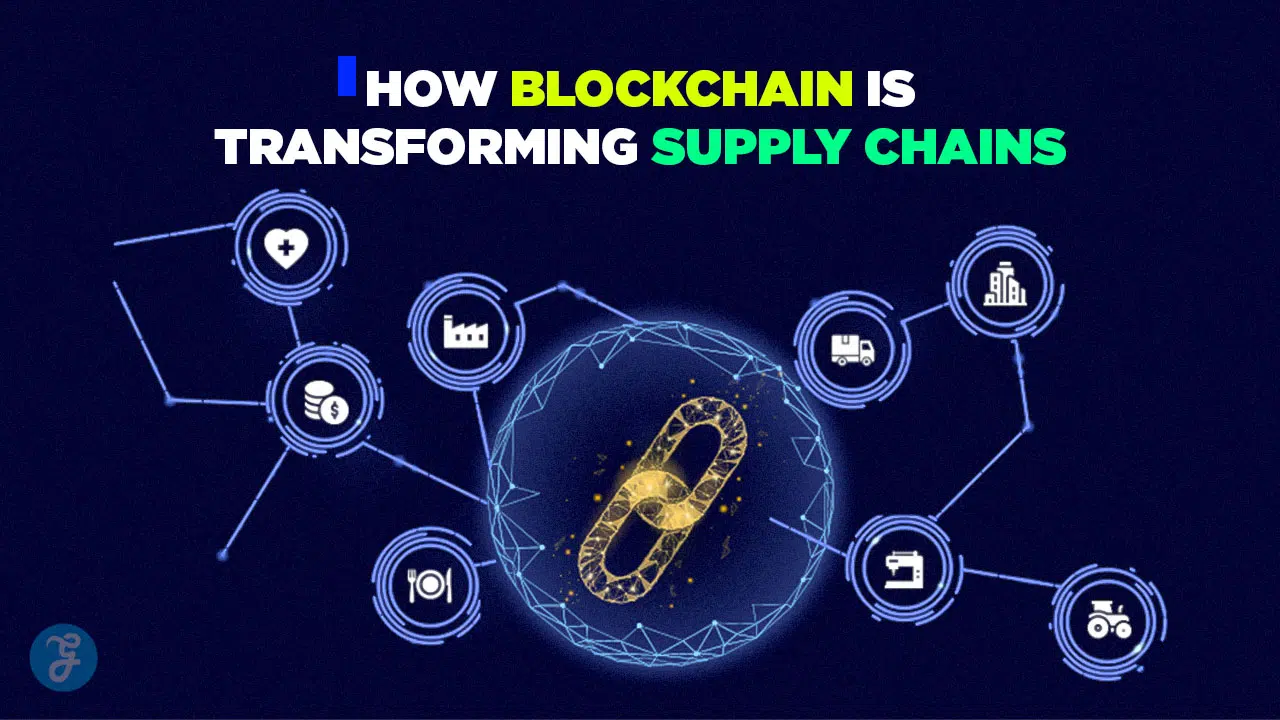
Ever get frustrated when a package goes missing and no one seems to know why? Or worry about fake products slipping into everyday purchases? These problems affect everyone, from local store owners to regular shoppers. Blockchain is transforming supply chain management by tracking every step of a product’s journey, eliminating guesswork and improving transparency.
In just a few minutes, it becomes clear how blockchain brings trust and faster solutions to the common challenges of shipping and product verification.
Understanding How Blockchain Is Revolutionizing Supply Chain Management
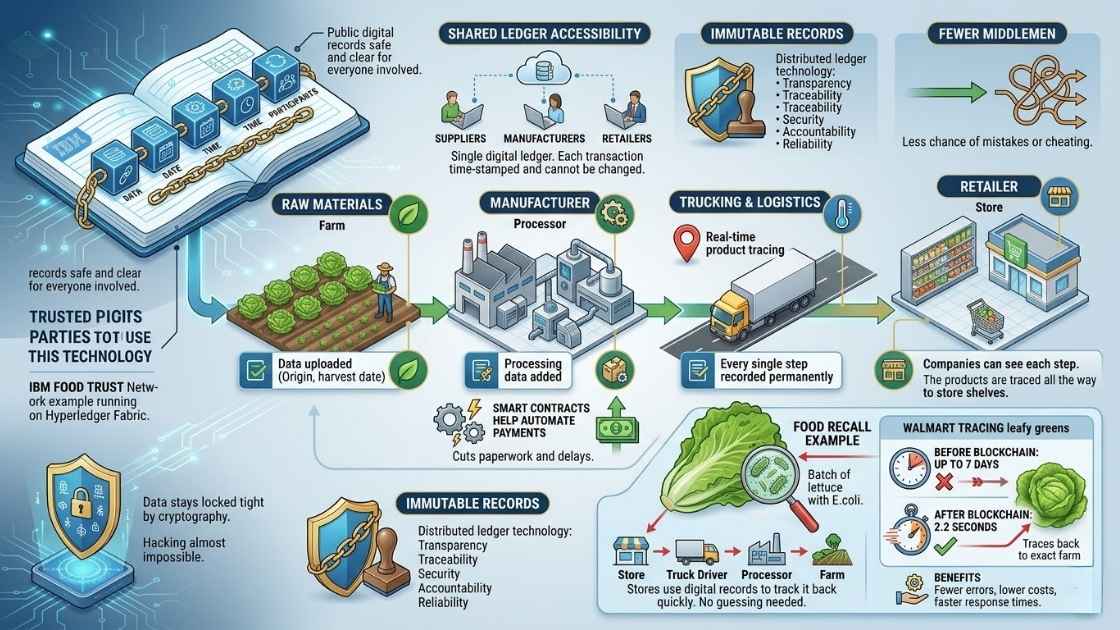
A blockchain is a type of digital ledger. It keeps records safe and clear for everyone involved. Each block holds data about transactions, dates, times, and who took part.
Imagine it as a public notebook that no one can erase or change. Trusted parties use this technology to track products from factories directly to store shelves. For example, the massive IBM Food Trust network runs on a highly secure system called Hyperledger Fabric.
Data on the network stays locked tight by cryptography. Hacking or faking information becomes almost impossible. As goods move along the supply chain, every single step gets recorded permanently.
Distributed ledger technology forms the backbone of this setup. It provides transparency, traceability, security, accountability, and reliability all rolled into one system.
How Blockchain Works in Supply Chains
Suppliers, manufacturers, and retailers all share access to a single digital ledger. Each transaction gets stamped with the exact time and cannot be changed once added. This makes all product movements easy to trace in real time.
Companies can see each step, from raw materials to delivery at the local grocery store. Smart contracts help automate payments when goods reach certain points. This cuts down paperwork and delays significantly.
Less need for middlemen means less chance of mistakes or cheating. Food recalls show exactly how this shines during an emergency.
If a batch of lettuce has E.coli, stores use digital records to track it back quickly through every stop. There is no guessing needed between the farm, the processor, and the truck driver. Brands like Walmart have used this exact method to trace leafy greens since 2018.
Before using blockchain, tracking a package of produce took Walmart up to seven days. Now, the system traces the food back to the exact farm in just 2.2 seconds. Fewer errors mean lower costs and faster response times during a crisis.
Benefits of Implementing Blockchain in Supply Chain Management
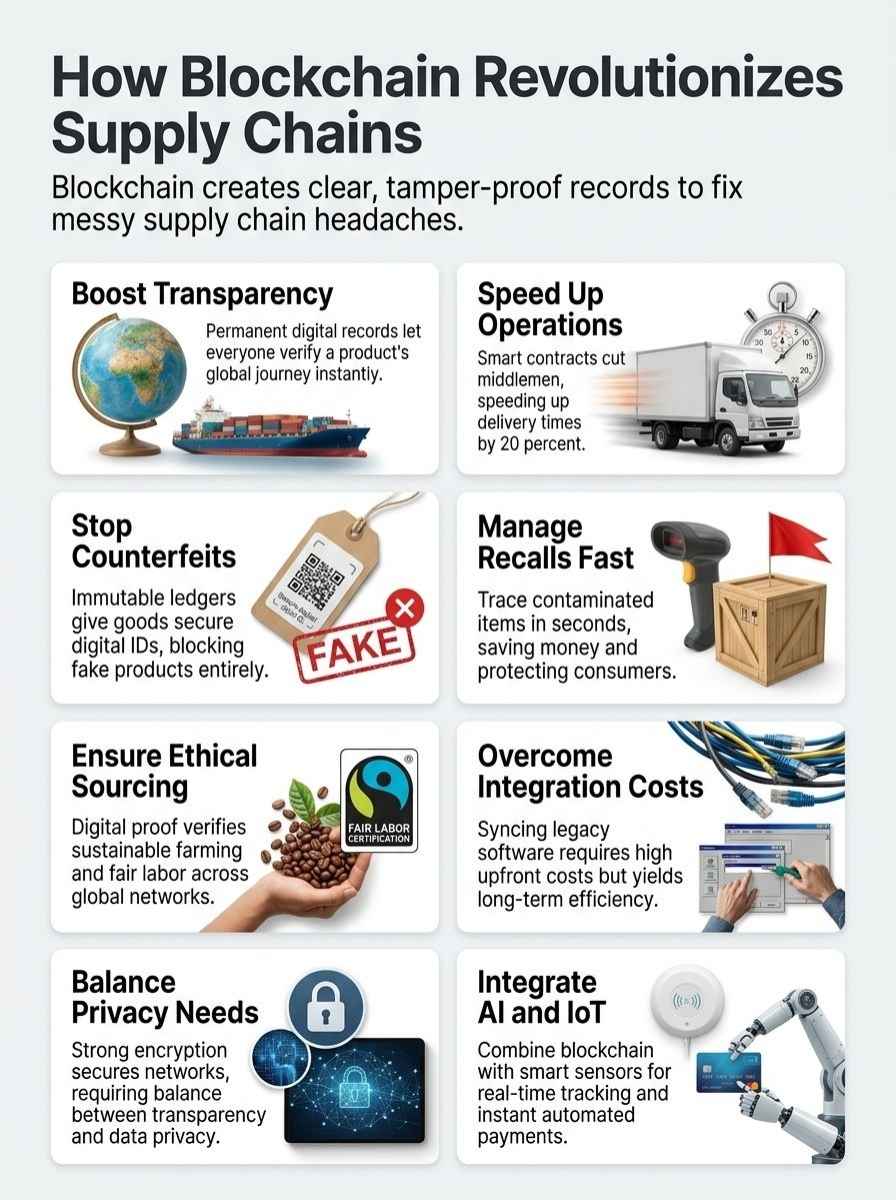
Blockchain opens new doors for companies to track goods and cut out confusion. Curious how this tech changes supply chains from the ground up? Keep reading.
Enhanced Transparency and Traceability
Each shipment tells its own story as it moves across the country. Distributed ledger technology records each step in real time, from the factory floor to the store shelf. Every participant can see updates instantly.
No one can secretly change data along the way because that record is permanent. Companies spot fraud faster and reduce risks tied to lost shipments or fake products.
“With the US FDA’s FSMA Rule 204 taking full effect in 2026, companies must provide traceability data for high-risk foods within 24 hours.”
Blockchain creates the exact data structure needed to meet this strict 24-hour deadline. Smart contracts trigger alerts if something seems off in the process, boosting accountability and cutting down human error. Customers gain complete confidence about what they buy.
Improved Efficiency and Speed
Supply chains simply run faster with this technology. It removes middlemen and reduces paperwork through automation like smart contracts.
A 2025 industry analysis found that blockchain can decrease documentation processing time by up to 85 percent. Fewer delays happen since digital records update instantly across the entire network.
Each step, from tracking to transaction verification, gets a massive boost in speed. Companies see lower costs too through several key improvements:
- Less manual checking means far fewer human errors.
- Digital identity for goods makes inventory management incredibly simple.
- Automated payments keep cash flowing without bank delays.
These changes help businesses save money and deliver products quicker than ever before.
Reduced Counterfeiting and Fraud
Every movement of goods gets logged as a digital record. These records cannot be hidden or tampered with by anyone in the network.
This means fake items struggle to slip through unnoticed. Using distributed ledger technology, companies gain a clear, unchangeable history of each product.
A 2025 study from the International Journal of Engineering Research & Technology found a 92 percent reduction in counterfeit products for organizations using blockchain. High-value goods like luxury watches and rare medicines move safely along the supply chain. They are tracked at every step without room for shady swaps or false claims.
Buyers know exactly what they get is genuine and safe.
Better Compliance with Regulations
Supply chain managers face strict rules and mountains of paperwork. With distributed ledger technology, every step gets recorded in a digital system that no one can alter.
Regulators can check these records at any time. There is absolutely no room for hidden errors or mistakes in inventory management. Smart contracts keep everyone honest by automating compliance steps each time a product moves.
For US food suppliers, blockchain easily captures the Key Data Elements at Critical Tracking Events required by law. Companies enjoy fewer headaches during audits because all data stays transparent and ready to view.
This shift makes it much easier for businesses of all sizes to meet local and global laws.
Enhanced Security and Immutability
Blockchain creates strong security by locking each record in a digital chain. Each transaction gets its own unique stamp, making unauthorized changes nearly impossible.
Hackers cannot slip past easily. They would have to change every block across the entire network at once to fake a record. Companies like Walmart use this exact feature to stop fraud and keep transactions honest.
Data stored on a blockchain stays extremely safe because it is shared on many computers worldwide. This builds incredible trust for several reasons:
- Everyone can check records without fear of tampering.
- Hidden edits are instantly rejected by the network.
- Constant verification drastically reduces financial risks.
Tracking goods from start to finish feels more like checking your secure bank app than solving a mystery.
Use Cases of Blockchain in Supply Chains
You might spot blockchain shaking up how goods move, making life easier for everyone involved. Each example brings its own story and opens the door to fresh possibilities worth exploring.
Streamlining Logistics and Shipping
Goods move much faster when you cut out the middlemen. All parties see the exact same data at once.
Trucks and ships load and unload quicker, keeping things moving like clockwork. Smart contracts automate payments after each step gets checked off. This removes long waits for paperwork or banks to approve a transaction.
Companies slash costs by using blockchain for transaction verification and inventory management.
| Supply Chain Metric | Traditional Systems | Blockchain Integration |
|---|---|---|
| Overall Cost Reduction | Minimal changes | 20% to 30% decrease |
| Average ROI Timeline | Unpredictable | 18 to 24 months |
Each product’s journey shows up clearly on a shared system. Customers feel more trust since they track orders from the warehouse shelf straight to their doorsteps. They see hard proof that no one tampered with the package along the way.
Tackling Counterfeiting in Goods
Counterfeit goods cause massive losses for many brands and hurt customer trust deeply. Blockchain helps fight fakes by giving each product a secure digital ID.
This record keeps track of every single hand the item passes through, from the factory straight to the store shelf. Consumers can scan a code with their phone and see exactly where the item came from. They can drill down to dates, specific places, and even raw materials.
Luxury brands like LVMH use the Aura blockchain platform to keep knock-offs off the market. With a tamper-proof ledger, it is much harder for scammers to swap out real inventory or fudge tracking info.
Each transaction gets recorded in a transparent network that no one can quietly edit or erase. Mistakes stand out clearly instead of getting swept under the rug.
Ensuring Ethical and Sustainable Practices
Blockchain keeps everyone honest. Each step gets recorded, so shady deals stand out immediately.
Coffee beans from Colombia and T-shirts from Bangladesh can prove their journey with real data, not just marketing promises. Sweatshops and forced labor hide less because the system stores every single move for all to see.
Farmers get fair pay since smart contracts lock payments until goods meet set rules. Pollution levels during shipping or manufacturing pop up in records that no one can quietly change after the fact.
Shoppers can scan QR codes at a store and learn if food is organic or if wood meets Rainforest Alliance standards. It is all backed by digital proof. Every player gets a chance to practice what they preach about ethics and sustainability.
Managing Product Recalls Effectively
Quick action in a product recall saves money and protects your reputation. Blockchain brings incredible speed, trust, and clarity to this normally stressful process.
In 2023, the average food recall in the United States took roughly 57 days from detection to full resolution. With blockchain, that timeline compresses to mere hours.
- Each batch has its own digital identity on the distributed ledger for fast tracking.
- All companies involved see updates right away through shared records.
- Digital records remain completely safe from tampering.
- Automated smart contracts allow recalls to start the second a problem pops up.
- Faster traceability lowers costs by reducing how much inventory needs pulling.
- Real-time updates cut down on errors and confusion.
Quick removal of unsafe products protects customers far better than old systems ever could.
Challenges of Blockchain Adoption in Supply Chain Management
Getting blockchain to work smoothly in supply chains brings hurdles. Keep reading to see what stands in the way of this tech upgrade.
Integration with Existing Systems
Mixing blockchain into old supply chain systems feels a bit like adding new gears to an old machine. Many companies still use legacy software that does not talk well with distributed ledger technology.
Connecting these pieces is tricky, but it pays off beautifully. Companies must sync data from suppliers, logistics partners, and inventory management tools into the exact same network.
To make it work, developers often have to build custom links to an organization’s Enterprise Resource Planning (ERP) system. This step requires careful planning and a dedicated IT team to ensure smooth data exchange.
Smart contracts help balance this initial effort by automating transaction verification between everyone involved across the globe.
Cost and Scalability Issues
Startups and large companies often worry about the expenses. Setting up distributed ledger technology requires a few major investments:
- Purchasing specialized new hardware.
- Developing custom integration software.
- Hiring highly skilled technical workers.
In 2024, developing a custom blockchain-based supply chain app in the US typically costs between $50,000 and $200,000. Small suppliers might struggle to keep up with big brands that can spend millions on digital upgrades.
As more users join and transactions pile up, public blockchains sometimes slow down. Large public networks like Ethereum can process only 15 to 30 transactions per second. This causes a bottleneck during busy times.
Supply chains need incredibly fast speeds for quick inventory management and logistics. Right now, a busy public blockchain can occasionally feel like gridlock at rush hour.
Legal and Regulatory Uncertainty
Legal rules change rapidly from place to place. Some countries openly accept distributed ledger technology, while others struggle with it or set strict limits.
In the United States, different states have their own views on digital records and smart contracts. This patchwork makes companies pause before rolling out systems across borders.
Laws about data privacy add another twist. This is especially true when a product moves through many different global regions. Many organizations worry about who exactly owns the data.
Big global brands want clear guidelines. They need to build secure and transparent networks without breaking local laws by mistake. These mixed signals can slow down innovation slightly.
Cybersecurity and Privacy Concerns
Hackers see supply chain data as a massive gold mine. These systems store sensitive information, such as digital identity details, inventory management records, and private finance files.
Blockchain secures these items with strong encryption, but no system is completely bulletproof. Global cyberattacks rose by over 38 percent in 2023, keeping IT teams on high alert. Smart contracts and transaction verification definitely help shield against fraud or tampering in logistics.
Still, privacy remains a tough challenge since distributed ledger technology shares some data across all network nodes. Companies must find the perfect balance between transparency for traceability and privacy for their own business secrets.
Staying alert protects both the efficiency gains and the customer satisfaction promised by these incredible solutions.
Future of Blockchain in Supply Chain Management
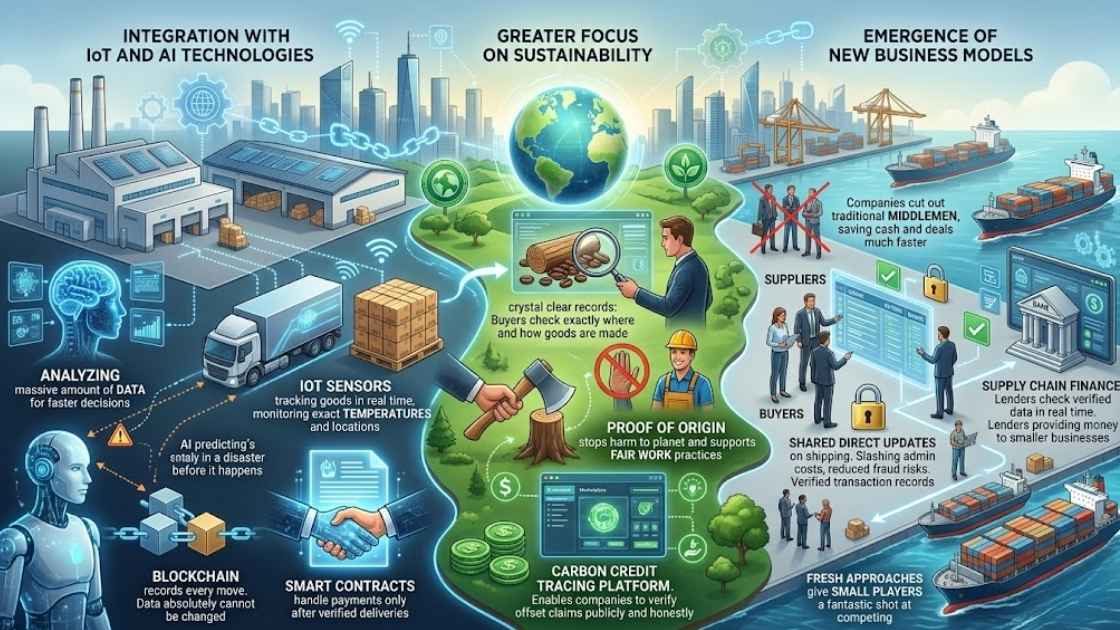
New tools mix with blockchain to help businesses make smarter choices. Get ready to see ideas take shape that once seemed like science fiction.
Integration with IoT and AI Technologies
IoT sensors and devices help track goods in real time. They monitor exact temperatures and locations while a truck moves down the highway.
“By combining blockchain with AI and IoT, companies create a self-monitoring supply chain that spots delays before they become disasters.”
Blockchain records every move those goods make, from the warehouse to the final delivery. It stores data that absolutely cannot be changed. In 2025, more supply chains use Artificial Intelligence to look at this massive amount of data for faster decisions.
Smart contracts handle payments only after verified, safe deliveries. This cuts down mistakes and speeds things up for everyone involved.
Greater Focus on Sustainability
Many companies use blockchain to show every single step in their supply chains. This creates crystal clear records, so buyers can check exactly where and how goods are made.
Proof of origin helps stop harm to the planet and strongly supports fair work practices. Blockchain makes it incredibly hard for suppliers to hide poor treatment of workers or illegal logging.
Today, platforms are even being developed specifically for carbon credit tracing. It enables companies to verify their carbon offset claims publicly and honestly. More visibility leads directly to better choices that protect people and nature at every turn.
Emergence of New Business Models
This technology is completely shaking up the way businesses work together. Companies now cut out the traditional middlemen, saving cash and making deals much faster.
Distributed ledger technology lets suppliers, buyers, and banks share direct updates on shipping. This change slashes administrative costs and heavily reduces fraud risks. Everyone gets access to exact, verified transaction records.
Supply chain finance looks totally different these days, too. Lenders can check verified data in real time before handing over money for goods. More companies combine blockchain with IoT sensors to track items from start to finish. These fresh approaches give small players a fantastic shot at competing with the giant industry leaders.
Final Thoughts
Supply chain management is changing fast. We have clearly seen how it improves transparency, makes tracking goods incredibly easy, and keeps records safe from tampering. Companies save real money and work faster with fewer errors. Anyone can start small by learning more or testing a simple pilot project in their own business.
Have you thought about how better traceability could help your products reach customers more safely? The future looks incredibly bright for those who use these smart tools. Exploring How Blockchain Is Revolutionizing Supply Chain Management is the perfect first step.