Have you ever spent hours creating content but still felt invisible online? Maybe your posts seem lost in a sea of digital noise while others grab all the attention. It gets frustrating when your hard work does not lead to more clicks, shares, or leads. You start to wonder if the algorithm is just against you. Here is a fact: using a Cluster Content Strategy can help you own your niche completely. Brands that organize their content with strong topic clusters often see higher search rankings and gain trust faster from readers.
This blog will show you how to use this smart strategy step by step. We will skip the jargon and focus on what works. Ready for change? Grab a cup of coffee, and let’s go through it together. This could be the answer you have been searching for!
What is a Cluster Content Strategy?
Content marketers often feel lost trying to answer every question about their field. Jumping from topic to topic can confuse readers and lower a brand’s authority. Cluster Content Strategy solves this puzzle by organizing web content around one big theme. Think of it like building a house with strong walls.
A main page, called the pillar page, serves as the foundation. It covers a broad subject, such as “Niche Marketing” or “SEO Optimization.”
Surrounding it are several smaller pages, clusters, that dig into specific details. These might cover “Keyword Research,” “Internal Linking,” or “Audience Segmentation.”
Each cluster links back to the pillar page and connects with other clusters using smart internal linking. This helps search engines understand your site and shows users you know your stuff inside out.
HubSpot pioneered this strategy in 2017 and saw organic traffic grow by more than 50 percent within six months. Brands that focus on Topic Clusters boost visibility faster because search engines rank tightly linked pages higher for important keywords.
Every piece of supporting content adds weight. This helps you become an expert source for both people and Google alike.
Why is a Cluster Content Strategy Important?
With a smart cluster content strategy, you put your site in front of more eyes. You start to look like the go-to expert for your niche, and people notice.
Improves SEO and visibility
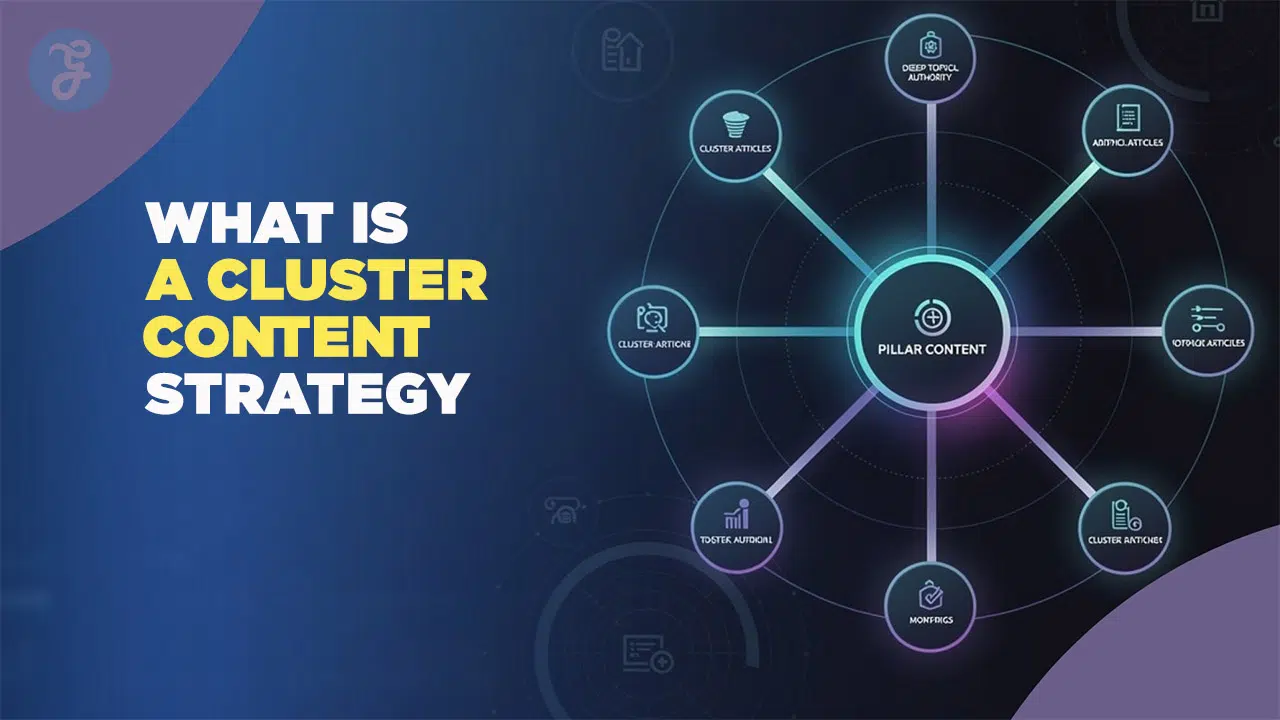
A cluster content strategy gives search engines a map. Your pillar page acts as the main stop, while supporting pages branch out like spokes on a wheel.
Google sees these strong connections and trusts your site more. More trust means higher rankings in search results.
Recent data from HireGrowth in 2025 found that content grouped into topic clusters drives approximately 30% more organic traffic than standalone pieces.
Each linked article boosts the strength of your pillar page. People searching for answers find you faster. It grows your audience almost like magic beans sprouting overnight.
Businesses that use this approach often see better click rates. They also see lower bounce numbers and more visits from new readers looking for help or advice.
Enhances user experience
Clear topic clusters help visitors find what they need fast. Readers stay longer if the content flows smoothly from the main topic to more detailed answers. A good internal linking plan makes it easy to jump between related pages. It is like skipping stones across a pond.
This easy-to-follow layout builds trust with your audience. Users feel confident exploring your site for advice or solutions because each piece connects logically.
Fewer dead ends mean less frustration. This boosts engagement and keeps people coming back for more digital marketing tips and guides.
People trust brands that answer their questions fast. A strong Cluster Content Strategy makes your site a leading source in your field.
Google favors sites with well-organized content filled with helpful info on many subtopics. This boosts domain authority and keeps you high in search results. Covering every angle shows deep knowledge. Users associate your brand with great tips, how-tos, and thoughtful guides.
A 2025 study by Yext analyzing AI search behaviors found something incredible. Websites with clear topic clusters received 3.2 times more citations in AI-generated answers than single-page competitors. You can do the same for any niche. Connect core topics with detailed blog posts and watch your authority grow over time.
Key Components of a Cluster Content Strategy
Think of these building blocks as the glue that holds your topics together. Keep reading to see how each one works its magic.
Pillar pages
Pillar pages cover the main topic in your niche. They act like a hub at the center of a busy city. Each pillar page gives readers a broad overview and answers big questions fast. Think of it as your home base for content strategy because search engines love clear structure.
For example, if you focus on “Niche Marketing,” a pillar page might explain what niche marketing is. It would also cover why it works and share core tactics with simple tips.
Readers find value right away since everything links back to this key page from different cluster topics. Clear internal linking helps boost SEO optimization and makes it easy for users to jump around without getting lost.
According to Orbit Media’s 2025 Blogger Survey, 39% of marketers publishing 2,000+ word posts report “strong results.” This is proof that comprehensive pillar pages make an impact fast!
With strong topic authority here, brands stand out. They help audiences explore every corner of their chosen field with ease.
Supporting cluster content
Supporting cluster content covers narrow topics that connect back to your main keyword. These pages answer specific questions in your niche.
You might write articles like “How do I use long-tail keywords?” or “What are good audience segmentation strategies for small businesses?” This helps boost domain authority and connects users with helpful info fast.
Search engines spot this structure and reward it with better SEO rankings. Each piece links back to the pillar page so Google has a clear path to follow across your website.
Think of these pages as neighborhood houses all connected by sidewalks. They lead visitors right where you want them. For example, HubSpot became an authority in digital marketing by building dozens of topic clusters around one core subject. Add images or short infographics to break up text. Readers enjoy quick tips and real-life stories mixed in with hard facts.
Internal linking structure
After building out supporting cluster content, smart internal linking stitches your whole strategy together. Each blog post or page connects neatly to your pillar page. It also links to other related pieces. This creates a web that guides people through your site with ease.
Google sees these links as signs of trust and authority for both visitors and search engines. Use clear anchor text like “SEO Optimization tips” or “Niche Marketing ideas.”
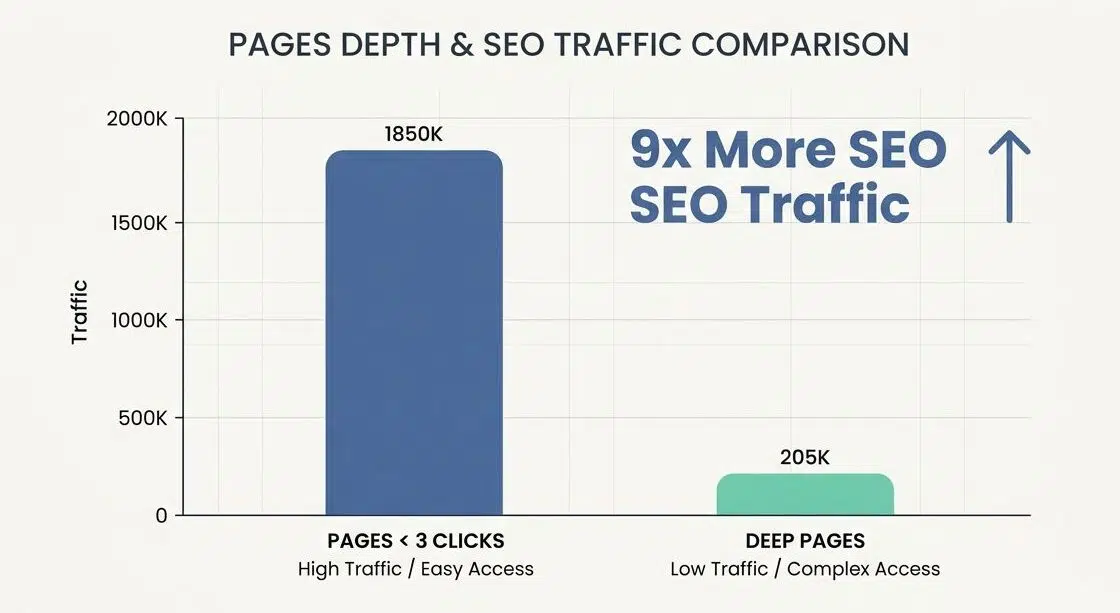
Link between pillar pages, subtopics, case studies, or FAQs whenever there is a strong connection. A 2025 analysis by My Rankings Metrics showed that pages within three clicks of the homepage generate 9 times more SEO traffic than deeper pages.
This helps boost topic authority fast. It keeps users sticking around longer on your digital marketing website.
How to Implement a Cluster Content Strategy
Rolling out a cluster content strategy is easier than herding cats if you follow the right steps. Stick with it and watch your topic authority soar like an eagle on a thermal.
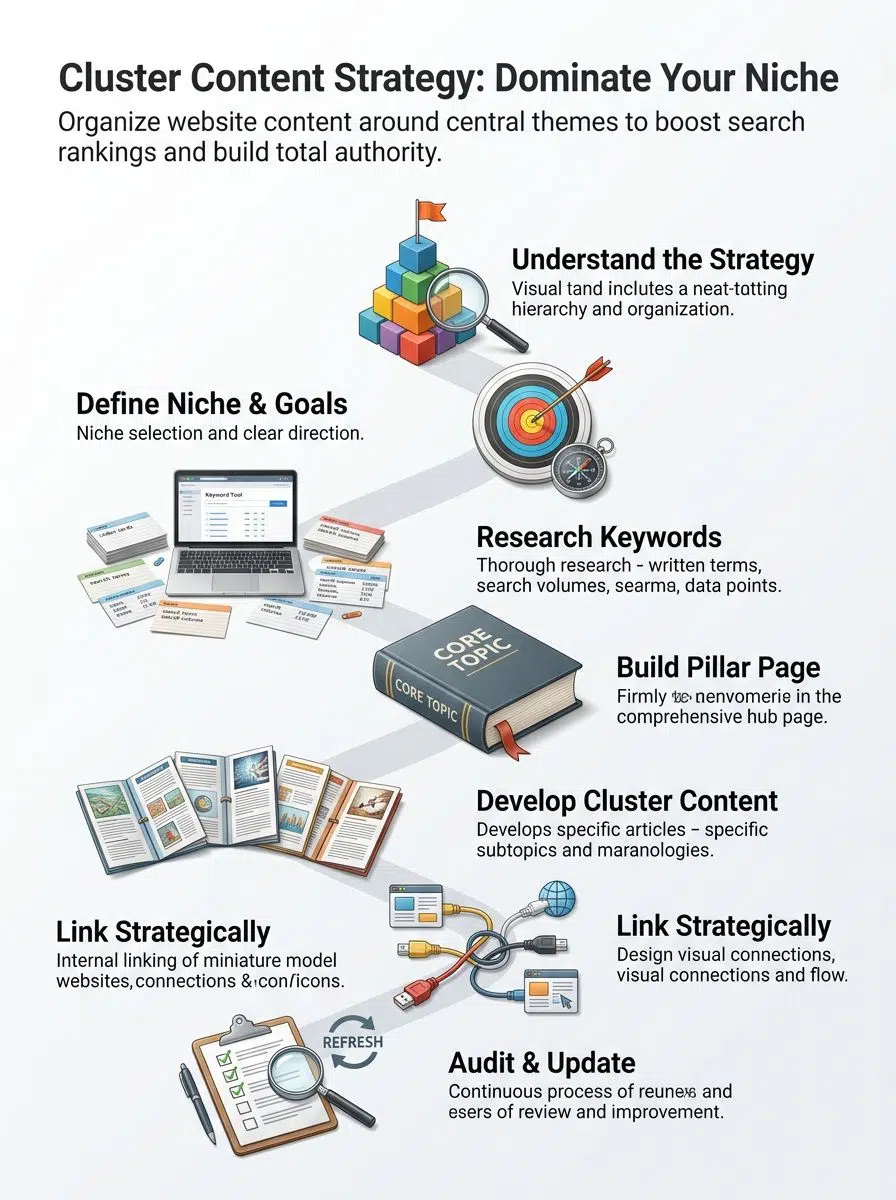
Step 1: Define your niche and goals
Pick a focused topic area. You could choose “vegan baking for kids” or “urban gardening tips.” Stay specific. Broad ideas get lost in the digital jungle. Know your audience’s needs and wishes so you can shape your content strategy around them.
Clear goals help you track progress, boost SEO optimization, and sharpen your brand positioning. Ask yourself what you want.
- Do you want more email subscribers in the US market?
- Are you looking for higher Google ranks for local terms?
- Do you need stronger niche authority to beat competitors?
Set targets using numbers or dates so success becomes easy to spot. Good cluster content starts with knowing who you are talking to and what they search for online.
Step 2: Perform keyword and topic research
You have your niche and goals. Now it is time to dig for the right keywords. Start by making a list of words or phrases people use when searching online about your subject. Use tools like Google Keyword Planner or Answer Socrates to spot what gets searched most.
Think about the questions people ask. Consider problems they face and trends in niche marketing. Check out competitor sites too. Notice which topics help boost their content strategy. You can use advanced tools like Keyword Insights or SE Ranking to group related keywords under bigger ideas called topic clusters.
This will guide you on what pillar pages and cluster articles to build out next. Mixing long-tail and short-tail keywords helps catch the attention of different readers.
Step 3: Create a pillar page for your core topic
Now that you have a list of strong keywords, it is time to build your pillar page. This single page covers your core topic in great detail.
Make it easy to find and easy to understand. For example, if you focus on Content Marketing for small businesses, the pillar page needs to be comprehensive.
Explain what content marketing is. Show clear benefits with numbers or facts from trusted sources like HubSpot or Statista.
Answer common questions using simple language. Add sections for related subtopics that connect back to this pillar.
Use internal linking so readers can jump to detailed cluster pages about things such as Keyword Research or Topic Authority. Add visuals like charts or infographics.
These help users stay engaged longer and boost SEO optimization, too. A well-done pillar builds trust and signals authority in your niche market space.
Step 4: Develop cluster content for subtopics
Pick subtopics that support your main pillar page. Write short, helpful articles for each one.
These supporting pages explain parts of the core topic in detail. For example, if your digital marketing pillar is about “SEO Optimization,” clusters might cover specific angles.
You could write about keyword research, internal linking tips, or audience segmentation tricks. Link each piece back to your main content and other cluster articles.
This boosts SEO and helps readers find answers faster. Grouping topics like this builds authority in niche marketing by showing deep knowledge on every angle people care about.
Mix up the length and format. Use lists, stories, guides, and even simple how-to checklists to keep things clear and interesting for all audiences.
Step 5: Strategically link pillar and cluster content
Connect your pillar page and cluster articles using clear internal links. Make sure each cluster post links back to the main pillar page.
You must also link from the pillar page out to the clusters. This is called “bidirectional linking,” and it is critical. Imagine your content as a spider web. Every thread connects the pages, so users stay engaged for longer. Strong internal linking helps search engines like Google understand your website’s structure. It boosts SEO optimization significantly.
Google reported in 2023 that sites with well-organized topic clusters increased visibility by up to 40 percent compared to scattered blogs. Use keywords from both the cluster posts and pillar content in anchor text for better niche authority and brand positioning.
This step also guides readers right where they need to go next. It helps them explore all aspects of your digital marketing or niche marketing topics without getting lost.
Step 6: Monitor, audit, and update content regularly
Keep an eye on your content. Tools like Google Analytics show which articles bring people in and which ones get dusty. Outdated stats, broken links, or changes in SEO strategy drag down your niche authority fast. Run a quick audit every few months.
You can use tools like Screaming Frog or Ahrefs Site Audit to find issues quickly. Update posts with fresh data and new keywords from recent research.
Fix anything that seems off. Think of this step as spring cleaning for digital marketing. Review internal linking often to strengthen topic clusters and boost user experience. That way, each piece supports the others like bricks in a strong wall.
Best Practices for Content Clusters
Smart planning keeps your topics connected like links in a chain. Fresh ideas and engaging extras keep readers coming back for more.

Focus on user intent over keywords
People want answers rather than just random words. Google now tracks what people mean with their searches. If someone types “how to start a blog,” they want steps and tips. They might even want tools rather than dozens of keyword repeats.
You build trust and become an authority by giving helpful information that solves real problems. Say you run a digital marketing site.
Someone searching “best SEO strategy for small business” wants clear actions or examples. Think about guides or quick wins like local listings tips or audience segmentation tricks.
Write content that matches these needs instead of stuffing in keywords everywhere. This way, your cluster content strategy brings readers right to the advice they need.
Identify and fill content gaps
Scan your topic clusters with sharp eyes. Find missing answers that your readers want but cannot see yet. For example, SEO Optimization thrives on covering every angle your audience searches for. This ranges from definitions to deep how-to guides.
Check what rivals publish by performing a quick Competitive Analysis. Spot gaps they miss. Gather feedback through comments or online forums. Your readers might ask simple questions about Topic Authority or Internal Linking that you haven’t answered yet.
Take note if users keep searching for “best practices” or “examples.” Those are clear signals to fill in the blanks fast!
Use Keyword Research tools like SEMrush or Ahrefs to track down search queries without matching content on your site. Plug those holes quickly. Fresh content can boost Niche Marketing success and help you own your niche authority completely.
Use visuals and interactive elements
Images and charts make complex ideas simple. A colorful infographic can explain a tough SEO strategy in seconds. Use screenshots to walk users through steps. You can show them exactly how to build pillar pages for your content strategy.
Readers will stay longer if your site feels lively. Quizzes, clickable maps, or sliders turn visitors into active participants. Interactive elements encourage clicks and boost engagement rates by up to 30%. Simple visuals also help with audience segmentation since people learn in different ways.
Sites filled only with text tend to lose attention quickly. Mix things up for the best niche authority results.
Common Mistakes to Avoid
Some mistakes can trip you up fast. Keep your eyes peeled and curiosity sharp because there is more to uncover just ahead.

Overlooking internal linking
Many people forget to add links between their own pages. Skipping internal linking is like building roads but leaving out the signs. Google might get lost. Your SEO strategy can stumble as a result.
Without good links, users may hit dead ends and head back to search engines. Smart internal linking connects cluster content with pillar pages.
This helps visitors explore related topics and spend more time on your site. Sites with a clear internal linking structure often see better rankings and keep their audience happier.
Spread strong links throughout your content clusters. Do not make readers work harder than they need to!
Creating thin or low-value clusters
Ignoring internal linking causes trouble, but shallow content clusters also drag your SEO strategy down. Thin clusters often result from rushing through topic research.
Stuffing low-quality posts around a pillar page is a bad move. Google ignores these pages, and users bounce away. This leaves your site’s authority looking shaky. Low-value cluster content repeats ideas, offers little insight, and fails to support the main subject.
In 2025, there is also the risk of “AI Cannibalization.” This happens when AI tools scrape your thin content and rewrite it better than you did. To avoid this, ensure every cluster page adds unique value. Include personal data, specific examples, or expert quotes.
Clusters need fresh angles and real value for visitors searching for answers. Think of each supporting article as a brick. The pillar page won’t stand without sturdy bricks beneath it. Focusing only on keywords can stall audience engagement.
Keyword Cannibalization
This is when you accidentally compete with yourself. It happens when two pages cover the exact same topic too closely.
According to an Ahrefs 2025 analysis, sites with high cannibalization rates see an average 15-20% drop in keyword rankings. Google does not know which page to rank, so it often ranks neither. Map your keywords carefully. Ensure every page has a distinct purpose to avoid this common trap.
The Bottom Line
Owning your niche takes work, patience, and a sharp Cluster Content Strategy. Pillar pages act as cornerstones for SEO optimization while supporting content fills in gaps like bricks in a solid wall.
Each piece helps build topic authority and brand positioning step by step. Internal linking ties it all together and shows search engines that you are the expert. Smart keyword research, strong internal linking, and regular updates set the stage for long-term gains in digital marketing. Your audience finds what they need fast.
Trust grows, clicks increase, and your site climbs higher. It is much like planting seeds across your garden. Give each one care and watch them grow into something bigger than expected.