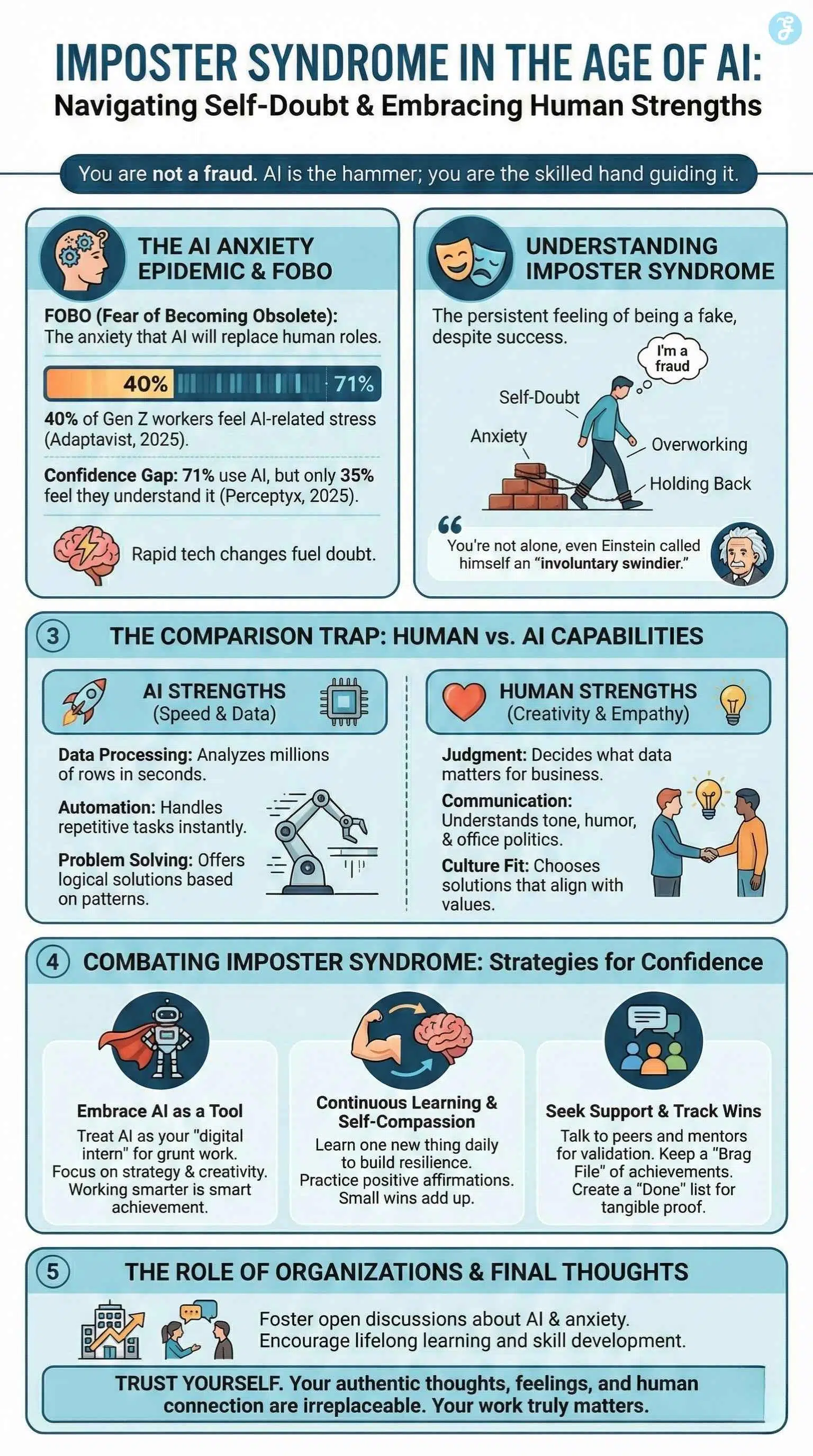
You sit at your desk, staring at the screen. Your mind races with questions. Am I good enough? Will a computer take over my job? Many feel this way now, thanks to new tools like Artificial Intelligence. If you are worried that everyone else understands AI better than you do, or that you will never catch up, you are not alone. In fact, a 2025 report from Adaptavist found that 40% of Gen Z workers feel stressed or anxious specifically about AI adoption.
Imposter Syndrome In The Age of AI has become common. Studies show more people doubt their skills because of rapid tech changes. This blog will explain what imposter syndrome is and why it hits hard in times like these. You will also learn simple ways to build confidence and value your strengths again.
Understanding Imposter Syndrome
Imposter syndrome whispers that you are a fraud, even when you win or do well. Many people feel like they do not belong, and this voice can get louder as things change fast at work.
What is Imposter Syndrome?
Many people feel like a fake at work or school, even if they are doing well. This is known as imposter syndrome. A person with imposter syndrome struggles to accept their own achievements.
They often think they do not deserve praise or success. Self-doubt sneaks in, whispering thoughts like, “I am not smart enough,” or “Everyone will find out I am a fraud.”
Mental health suffers under this pressure. Dr. Pauline Clance and Dr. Suzanne Imes first named this feeling in 1978 after seeing it in high-achieving women. Men experience it too, across all jobs and backgrounds.
“You’re not alone; even Albert Einstein once called himself an ‘involuntary swindler.’”
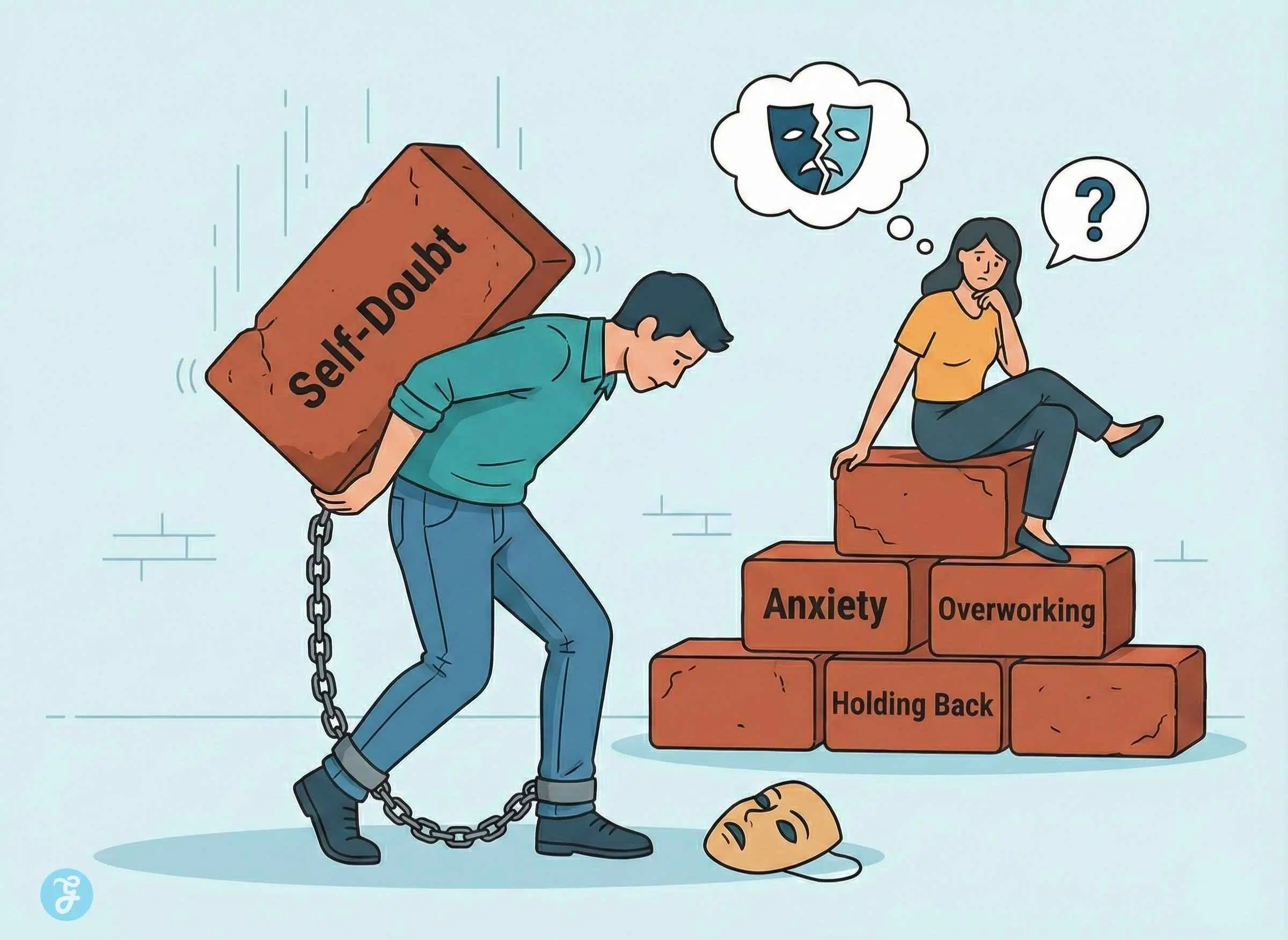
This self-doubt breeds anxiety and hurts self-esteem over time. People may overwork or fear being exposed as less capable than others see them.
How it Affects Personal and Professional Growth
After learning about imposter syndrome, the next piece shows its real weight on both life and work. Self-doubt can slow your steps, like walking with bricks tied to your shoes.
People often feel anxious before trying something new or sharing ideas at work. A sense of not measuring up may cause them to hold back, miss chances for achievement, or avoid big projects altogether.
Confidence takes a hit each time they compare themselves to others, especially in fast-moving jobs changed by artificial intelligence. Imposter feelings do not just affect job performance; they seep into mental health and happiness, too. Worry piles up as you wonder if someone will point outthat you are “not good enough.”
Even praise feels hollow sometimes without validation from yourself. Professional development stalls when anxiety keeps people from training or asking questions that could spark growth mindset changes.
At home, impostor worries can lead folks to doubt their authenticity in relationships or struggle with self-esteem after small slip-ups at work.
The Rise of AI-Induced Imposter Syndrome
You notice machines acing tasks that once took hours of sweat and grit, right? Suddenly, you wonder if your skills have lost their shine or were ever as sharp as you thought.
This specific type of anxiety has a new name: FOBO, or Fear of Becoming Obsolete.
How AI is Changing Work Dynamics
AI tools handle tasks in seconds that once took hours. Many jobs now use programs to write emails, check data, or even give feedback on projects. People spend less time doing simple work and more time making choices or solving problems.
Some feel a wave of self-doubt as machines seem smarter at certain things, like math or spelling. Many workers talk about performance anxiety as AI creates new ways to measure results and speed.
Suddenly, teams work faster and compete against computer standards they never set themselves. One day, you may finish a task with the help of AI, only to question if your achievement still counts as yours.
This shift can make even confident people worry about their authenticity at work. As humans compare their own skills with what artificial intelligence can do, questions around validation and mental health pop up often.
Why AI Makes Us Question Our Abilities
AI works at lightning speed. It can spot patterns, answer questions, and solve math in seconds. Most people spend years learning those same skills.
Seeing a computer breeze through tough tasks can shake your confidence. A 2025 survey by Perceptyx revealed a “confidence gap” where 71% of employees use AI, but only 35% of individual contributors feel they understand it well enough.
Uncertainty creeps in fast, as if your hard work means less than before. You might feel more anxious about keeping up or fitting into new tech-driven jobs. People start to compare themselves with machines that do not get tired or need breaks.
Confidence drops when it seems AI always makes fewer mistakes or remembers everything perfectly. This kind of comparison plays tricks on self-esteem and mental health, fueling anxiety about personal achievement and value at work.
AI is the hammer; you are still the skilled hand guiding it.
Rising worries around automation and productivity surges show just how easy it is for anyone to slip into Imposter Syndrome In The Age of AI: You Are Not A Fraud if they focus only on what computers do better than humans.
Common Triggers of AI-Driven Imposter Syndrome
Many feel uneasy when new tech enters the room, especially if it seems to outpace human effort. Sometimes, watching machines work faster or smarter can make people question their own worth.
Automation and Productivity Surges
Machines finish jobs fast now. Computers and AI handle tasks that once took people hours, even days. Typing a quick report? AI can write it in seconds. Making lists or checking numbers? Software does this with zero breaks. You may feel like you cannot keep up, as tools outpace human speed by miles.
Self-doubt creeps in because of these big changes. Some workers see others using smart tech to “do more” every day, while they worry about falling behind.
The bar for achievement rises higher with each new tool or update, leaving many anxious about their worth and role at work. Confidence takes a hit as machines seem less tired than any person ever could be; yet, this productivity race should not shake your authenticity or mental health.
Comparing Human and AI Capabilities
AI can process huge amounts of data fast. People bring creativity, empathy, and judgment to the table. A computer program might solve math problems in seconds, but it cannot comfort a worried friend or create art that makes us laugh out loud. Workers may face self-doubt as they watch AI handle tasks that once took hours or days.
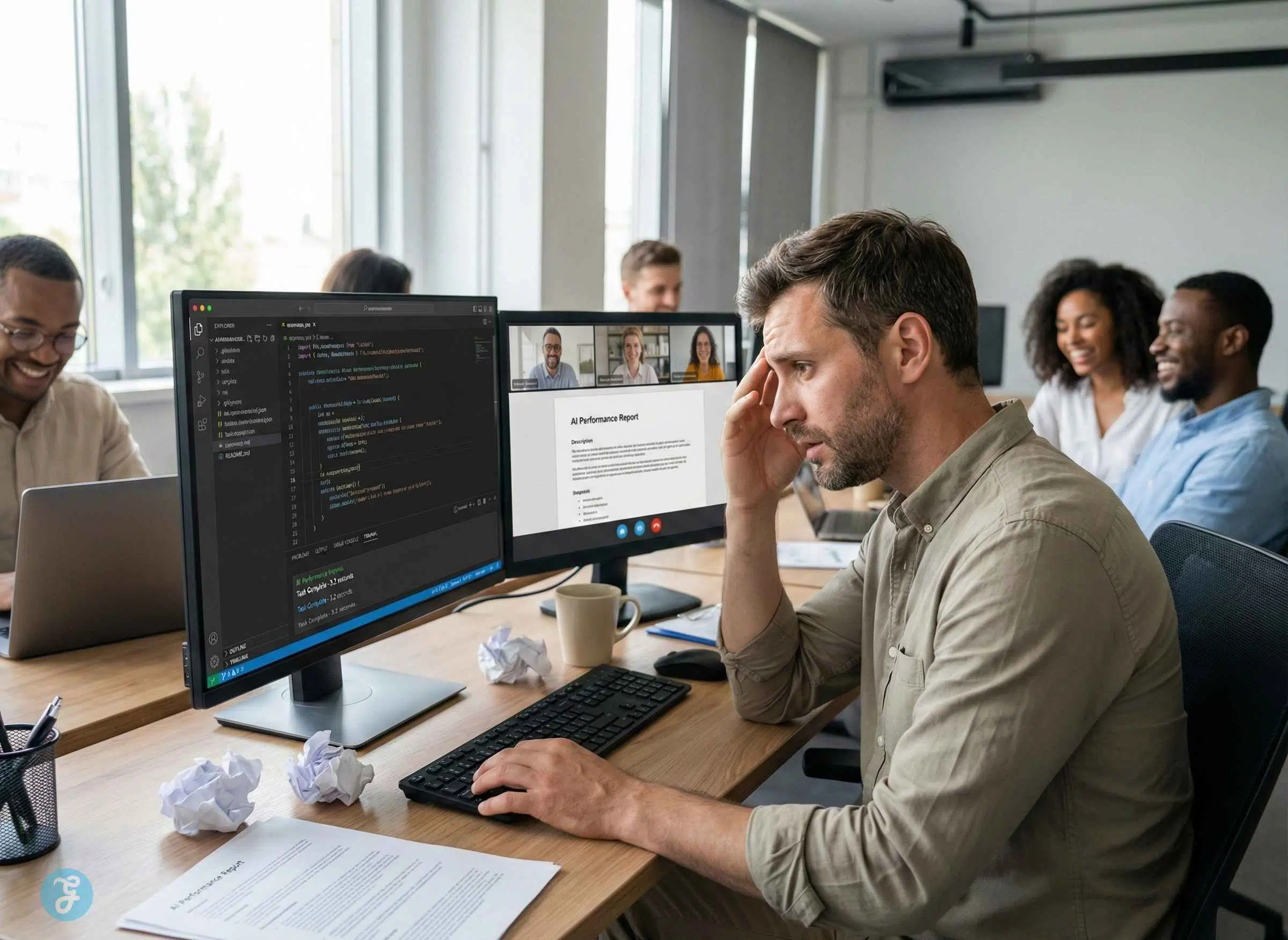
Self-esteem takes a hit if you keep comparing your skills to a super-fast machine. Still, AI follows rules set by its code; humans think outside the box and learn from mistakes.
Your authenticity shines through in ways no algorithm can copy. Where machines repeat patterns, people build trust, offer support, and show true resilience during tough times at work or home.
| Skill Category | What AI Does Best | What You Do Best |
|---|---|---|
| Data Processing | Analyzes millions of rows in seconds. | Decides which data actually matters for the business. |
| Communication | Drafts emails and summarizes notes instantly. | Understands tone, humor, and office politics. |
| Problem Solving | Offers 50 potential solutions based on logic. | Choose the one solution that fits the company culture. |
Combating Imposter Syndrome in the Age of AI
AI is here to help you, not take your place. Focus on what makes you special, and let technology be your sidekick.
Embracing AI as a Tool, Not a Replacement
Some people fear that artificial intelligence will steal jobs and erase human skills. Tools like ChatGPT or Midjourney move fast, which can stir anxiety or self-doubt about our own value at work.
Instead of seeing these tools as rivals, treat them like a helpful sidekick in a superhero story. AI sorts data, crunches numbers, and speeds up the boring stuff so real humans focus on creativity, big ideas, and connections machines just can’t fake.
Expert Tip: Think of AI as your “digital intern.” You are the director who sets the strategy, and the AI handles the grunt work. This simple mindset shift puts you back in charge.
No robot laughs at jokes around the office or brainstorms wild new dreams over pizza. People bring empathy, personality, and resilience to any goal worth chasing; this sets us apart, no matter how “smart” computers get.
Next time you use an AI program to double-check grammar or help with research for professional development, pat yourself on the back. Working smarter is not cheating; it is smart achievement.
Use these tools with confidence and know your authenticity shines brighter than any algorithm ever could.
Focusing on Unique Human Strengths
People solve problems with empathy, humor, and a creative spark that no AI can copy. A machine may write fast or crunch numbers all day, but it cannot comfort a friend who feels anxious about change.
Human authenticity shines in tough conversations and quick thinking under pressure. Faces light up when you share an idea only you could think of; there is power in your story.
Self-doubt grows if you measure yourself against code instead of character. Confidence comes from knowing that things like mental health care, encouragement, and teamwork often depend on the human touch.
Even the smartest robot cannot spot sarcasm or cheer for someone’s small achievement with true excitement. Your skills go beyond pattern matching; they shape trust and real connection at work every single day.
Strategies for Overcoming AI-Related Imposter Syndrome
You can take small steps each day to boost your self-worth, even with smart machines all around you. By making tiny changes in how you think and live, you make space for growth and true confidence.
Building Confidence Through Continuous Learning
Learning even small new things each day helps chip away at self-doubt. Someone who keeps up with changes around artificial intelligence often feels less anxiety and more confidence, studies from 2023 say.
AI updates happen fast; still, picking up just one new skill or fact about it can boost your self-esteem bit by bit. Many people feel nervous that machines will outpace them.
Yet those who spend a few minutes daily reading articles, joining workshops, or talking to friends tend to find extra validation in their own achievements. Small wins add up like snowflakes turning into a snowball; soon enough, growth mindset and resilience become habits instead of just words on a blog post.
Practicing Self-Compassion and Positive Affirmations
Everyone makes mistakes. AI cannot take that away from us, and it should not steal our confidence either. Self-compassion is like giving yourself a little pep talk when you start to doubt your skills or feel anxious about tasks.
Whisper kind words instead of harsh ones the next time you miss a detail at work or compare your performance to an algorithm’s speed. Try repeating positive affirmations in tough moments, such as “I am enough” or “My efforts matter.”
Even top achievers deal with self-doubt and anxiety; saying these things out loud can help kick stubborn thoughts aside. This simple habit builds resilience, calms nerves, and lifts your self-esteem no matter how much technology grows around you.
Seeking support from peers and mentors offers even more strength for professional growth.
- Keep a “Brag File”: Create a simple document where you paste compliments, successful project emails, and wins. Read it when you feel small.
- The “Done” List: Instead of just a To-Do list, write down a “Done” list at the end of the day to see tangible proof of your work.
- Talk to Real People: A 5-minute chat with a colleague can do more for your mental health than an hour of doom-scrolling.
Seeking Support from Peers and Mentors
Self-compassion lifts your spirit, but a friendly chat can do wonders for your confidence. Talking with peers often helps lower self-doubt and anxiety.
Mentors share their stories about feeling like a fraud, too; you realize even the biggest achievers question themselves sometimes. A quick message to ask for advice or feedback builds a connection.
Your mental health matters, and others can offer fresh ideas or just good old validation. It is easy to compare yourself to AI, but support from real people reminds you of your value and authenticity. You gain resilience by sharing achievements with those who understand this journey.
The Psychological Impact of AI-Induced Imposter Syndrome
Self-doubt can sneak in and rattle your nerves, making each win feel less like an achievement. Worrying you’re not good enough leaves you on edge, even when others see your value.
Increased self-doubt
AI tools often finish tasks in seconds, making many people question their own achievements and skills. This wave of self-doubt can sneak up fast.
Someone might see an AI answer complex questions or solve big problems at lightning speed. Thoughts like “Am I good enough?” or “Do I even belong here?” grow louder with each comparison.
People may start to think they lack authenticity or value, especially if they work beside high-tech machines every day. Anxiety rises as the pressure to keep up sets in. Confidence drops, and some workers feel less important than before.
Even experts trip over this feeling; it is not just for newcomers or young staffers. Self-esteem takes a hit, but you are still much more than your job title or output speed; machines cannot match your real-life ideas and heart!
Fear of being replaced or irrelevant
The thought of machines taking over can spark anxiety fast. Many people worry about being replaced by artificial intelligence at work. This type of self-doubt often creates stress and performance anxiety, making us question our own value and achievement.
You may see stories in the news about developers losing jobs or artists feeling squeezed out by new technology, and it makes your heart pound a little faster. Comparison can feel like a game with no winners when it involves humans going up against computers that never sleep or need coffee breaks.
Productivity surges thanks to automation can make even confident workers fear they will become irrelevant overnight. Yet, having confidence in your skills helps you protect your mental health during these times of change.
It takes resilience to accept new tools while staying true to your authenticity at work or school. Your identity is more than any task that a robot could perform; that’s something no machine can replace.
The Role of Organizations in Addressing AI-Induced Imposter Syndrome
Companies can help people feel safe and valued as work shifts with AI. With strong support, teams grow more confident in their strengths and abilities.
Fostering Open Discussions About AI and Its Impact
Open talks about artificial intelligence help ease anxiety and self-doubt in the workplace. People feel safer sharing their thoughts on AI if leaders invite all voices and treat every question with respect.
Honest chats help workers spot myths, share ideas, and see that challenges with AI are common for everyone. A few minutes each week spent discussing artificial intelligence can boost confidence and mental health.
It builds trust, as people hear stories of others facing similar changes or worries. These small group talks lift the pressure to be perfect; instead, they highlight authenticity, growth mindset, and real achievement over competition with machines.
Encouraging Lifelong Learning and Skill Development
New tools pop up every day, and AI is one of the fastest movers. Staying curious helps keep confidence high and eases self-doubt.
Sign up for a short course or try a free online workshop. Even reading an article about artificial intelligence, mental health, or growth mindset sparks new ideas. People who learn often feel more empowered at work and at home.
Small steps lead to real achievement over time, like learning one new skill each week. Helping others do the same lifts everyone’s spirits, too. Talking openly sets the stage for fostering open discussions about AI and its impact next.
Final Thoughts
You have learned that imposter syndrome is common, especially with smart technology all around us. Using simple steps like learning new things and talking about your worries can really help. These tips are easy to try, save time, and boost your confidence where it counts most.
If you want more support or stories, many books and websites talk about self-doubt and the growth mindset in the age of AI. At the end of the day, trust yourself. Your thoughts, feelings, and work truly matter.