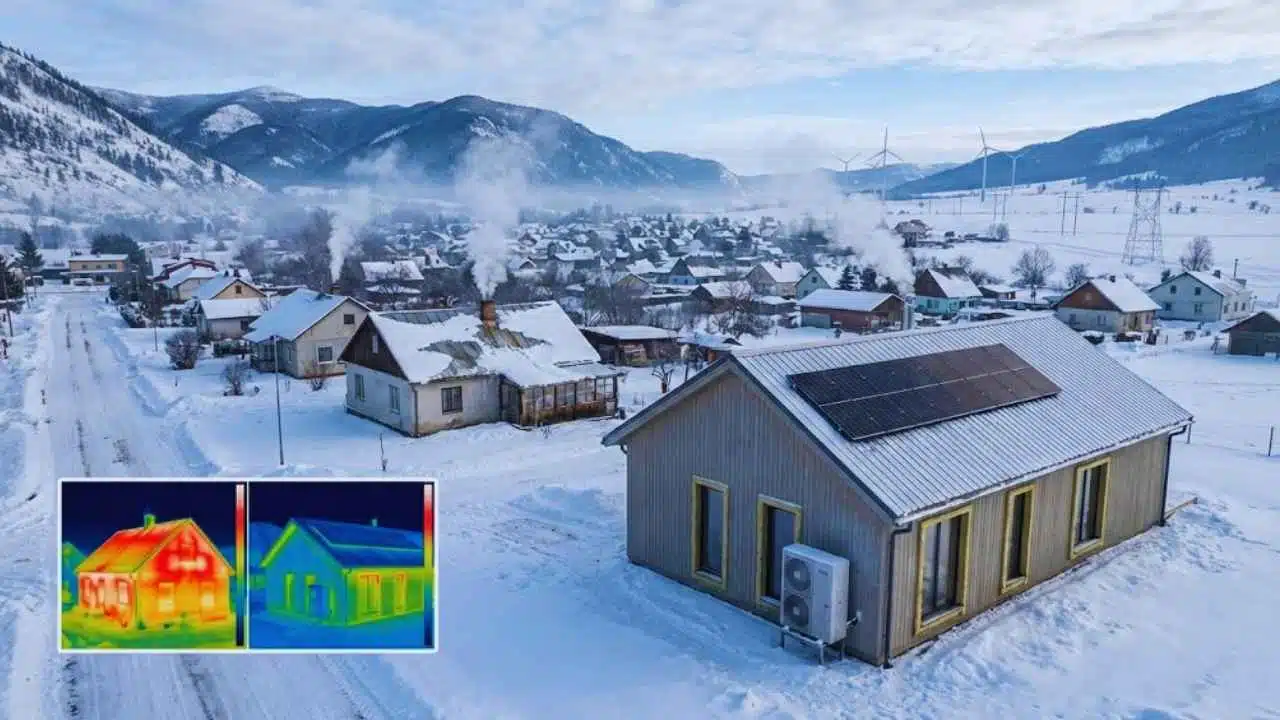
In cold climates, heating decisions carry long-term environmental consequences that go far beyond monthly utility bills. A heating replacement isn’t just a home upgrade, it’s a choice that can lock in emissions, energy demand, and infrastructure strain for decades. Understanding how different systems perform in cold conditions is essential to reducing environmental impact without sacrificing reliability.
The Environmental Impact of Heating Systems in Cold Climates
Because in cold regions, heat isn’t a convenience, it’s survival, and that changes the math entirely. The environmental impact of heating systems in cold climates is driven by sustained demand, not occasional use. Homes in cold climates demand continuous, high-output energy for months at a time, not just during peak hours. Unlike cooling, which is seasonal and intermittent, heating systems often run daily for long stretches at full capacity. Cold air is unforgiving: as outdoor temperatures drop, every gap between indoors and outdoors accelerates heat loss through walls, windows, roofs, ductwork, and air leaks, forcing systems to operate continuously rather than intermittently.
This sustained runtime, combined with high output demand, significantly increases fuel consumption and emissions, especially in regions with older housing stock that wasn’t designed for modern efficiency. In many cold climates, heating also coincides with peak winter energy demand, when electricity grids and fuel supply chains rely more heavily on fossil fuels to meet load. The result is that home heating becomes one of the largest single sources of residential carbon emissions in cold regions, making the environmental impact of heating systems greater than many homeowners expect.
Low Carbon Emission Heating and How Different Systems Compare
The key difference isn’t just what fuel they use, it’s how efficiently they turn energy into usable heat. Low carbon emission heating depends both on system efficiency and the carbon intensity of the energy source. Combustion systems such as oil, propane, and natural gas furnaces generate heat by burning fuel, producing direct carbon emissions along with upstream emissions from fuel extraction and transport. Oil and propane furnaces have particularly high emissions per unit of heat, limited efficiency gains, and carbon-intensive fuel supply chains, which is why they remain especially problematic in rural cold regions.
Natural gas furnaces are cleaner at the point of use than oil, but methane leaks upstream significantly increase their real-world climate impact, limiting their role as true low carbon emission heating solutions. Electric resistance heating converts electricity directly into heat and is nearly 100% efficient at the appliance level, but in cold climates it is often powered by fossil-heavy grids during winter peaks, quietly increasing its emissions footprint.
Heat pumps work differently: they don’t create heat, they move it. By transferring heat rather than generating it, they can deliver multiple units of heat for each unit of energy consumed, making them a cornerstone of low carbon emission heating when systems are properly designed for cold temperatures. The biggest emissions gap ultimately comes down to this: burning fuel versus moving heat.
The Hidden Environmental Impact of Heating Systems
Most discussions stop at fuel type, but the real footprint is broader. The hidden environmental impact of heating systems includes upstream emissions from fuel extraction, refining, processing, and transportation; grid stress in winter, which often triggers the dirtiest power plants during peak demand; refrigerant leakage from modern systems, which can have a warming impact thousands of times stronger than CO₂; and the embodied carbon associated with manufacturing, shipping, disposing of, and replacing equipment.
Oversized or poorly installed systems often have shorter lifespans, leading to premature replacement and higher material turnover, increasing environmental impact beyond operational energy use. As a result, a “high-efficiency” system that is installed poorly or replaced too often can erase much of its environmental advantage.
Environmentally Friendly Home Heating for Cold-Climate Homes
Only systems that address both energy efficiency and carbon intensity qualify, and context matters. Environmentally friendly home heating in cold regions focuses on minimizing total energy demand while maintaining reliable performance at low outdoor temperatures. Cold-climate air-source heat pumps, ground-source (geothermal) heat pumps where installation is feasible, and well-designed hybrid systems can significantly reduce emissions when paired with adequate insulation and a reasonably low-carbon electricity supply.
District heating powered by renewables or waste heat can also qualify as environmentally friendly home heating where available. What disqualifies a system isn’t cold weather, it’s inefficiency, poor integration, or fossil dependence without a transition plan. The environmental performance of any system depends heavily on proper sizing, installation quality, and how well the building envelope limits heat loss.
Eco Friendly Home Heating Starts With Reducing Heat Loss
Often more than half. In cold climates, eco-friendly home heating begins with the building itself. The cleanest heating system in the world still fails if the house behaves like a sieve. Heat loss through attics, basements, walls, and ducts increases energy demand regardless of system efficiency, forcing heating systems to run longer, cycle harder, consume more fuel, and age faster.
In many cold-climate homes, this heat loss accounts for a substantial share of heating-related environmental impact, often comparable to or greater than the impact of the heating system itself. In many homes, air sealing and insulation upgrades deliver more eco-friendly home heating gains than swapping the furnace. The heating system gets the blame, but the building envelope is usually the real culprit.
Sustainable Heating Solutions That Work in Cold Climates
The ones designed for cold, not adapted to it. Sustainable heating solutions for cold climates include cold-rated heat pumps with variable-speed compressors, low-temperature hydronic systems like radiant floors, and systems that integrate thermal storage or supplemental backup for extreme conditions. Wood pellet or biomass systems can also play a role in specific rural contexts with sustainable supply chains.
The common thread across these sustainable heating solutions is system-level design, not just appliance choice. These systems perform best when engineered to maintain stable output at low outdoor temperatures and when paired with buildings that retain heat efficiently.
The Trade-Offs of Low Carbon Emission Heating
Every low carbon emission heating strategy involves balancing trade-offs between upfront cost and lifetime emissions, peak performance and resilience during extreme cold, and technology efficiency versus grid cleanliness. There’s no perfect option, only aligned trade-offs based on climate, housing stock, and energy infrastructure.
Some options reduce emissions significantly but depend on grid cleanliness or require electrical upgrades, while others offer consistent performance at higher installation costs. Heat pumps can reduce emissions but may require electrical upgrades, geothermal offers unmatched efficiency with higher installation impact, and hybrid systems lower carbon without full electrification but still rely on fossil fuel. Balancing reliability during extreme cold with long-term environmental benefits is essential.
Reducing the Environmental Impact of Heating Systems Without Full Replacement
This is where the fastest wins are. Homeowners can reduce the environmental impact of heating systems by improving air sealing and insulation, especially in attics and rim joists, optimizing thermostat schedules, reducing supply and return duct losses, tuning and balancing existing systems annually, and using smart controls or zoning to limit unnecessary runtime.
These measures reduce runtime and peak demand, lowering energy use and emissions regardless of the heating system in place. As a result, many homes can cut heating emissions 20-40% without touching the furnace, advancing eco friendly home heating outcomes without major capital investment.
The Future of Environmentally Friendly Home Heating in Cold Regions
It’s less about a single technology and more about integration. The future of environmentally friendly home heating in cold regions centers on buildings designed to need far less heat in the first place, increased electrification paired with grid decarbonization, and systems that adapt output to real-time conditions rather than relying on high-intensity cycling.
Thermal storage that shifts demand away from peak emissions and policies that prioritize envelope upgrades alongside system replacements will further support sustainable heating solutions. In cold climates, sustainable heating won’t come from brute-force power, it will come from homes that waste less, systems that think smarter, and energy that gets cleaner over time.