Have you ever watched a system so broken that it actually starts to make sense? That is exactly how I feel when I analyze the psychology in Alice in Borderland. As a writer obsessed with psychological thrillers, I usually look for logic in chaos, but the debate between Chishiya vs Banda throws a wrench in the works.
Fans often ask me who the real monster is. Is it Chishiya with his surgical precision? Or is it Banda with his terrifying calm? I have spent years breaking down complex data for my readers, so I decided to treat this character study like a technical audit.
I dug into the Chishiya Alice in Borderland personality traits and compared them against real psychological frameworks. I even looked at the DSM-5 criteria for Antisocial Personality Disorder to see where the fiction meets reality. Did you know that in the US alone, nearly 3.6% of adults meet the criteria for ASPD?
In this post, I am going to walk you through the evidence. We will look at their game tactics, their history, and what separates a survivor from a predator. So grab a coffee and let’s figure this out together.
Sunato Banda: The Psychopath Behind the Smile
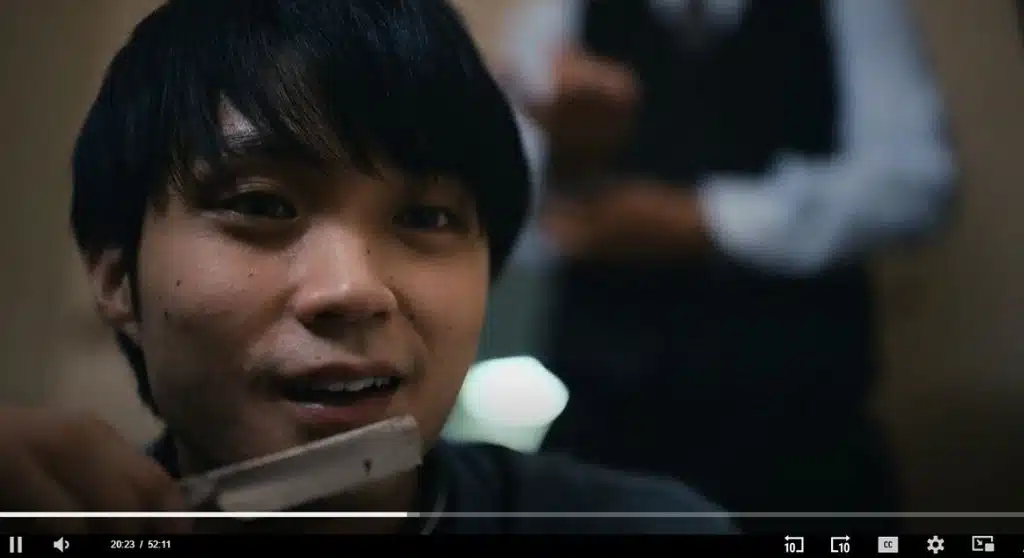
Sunato Banda walks with a calm grin that sets off every alarm bell in my head. He does not just survive chaos. He seems to drink it in. Most players in the Borderland look terrified. Banda looks like he is home.
Background: Convicted serial killer with a sadistic nature
Banda entered the Borderland with a resume that reads like a horror movie script. In the real world, he was already a convicted serial killer. He did not kill for money or revenge.
He killed because he liked it. I found it fascinating that the manga introduces him as a prisoner who thrived in solitary confinement. While isolation breaks most people mentally within days, Banda treated it like a meditation retreat. This is a classic indicator of severe antisocial pathology where external social needs are nonexistent.
- The Diagnosis: His behavior aligns with the DSM-5 criteria for Antisocial Personality Disorder (ASPD).
- The trait: A pervasive pattern of disregard for the rights of others.
- The result: He feels zero remorse.
As I watched his scenes, I saw the dark triad traits clearly. He mixes narcissism and psychopathy into a dangerous cocktail.
“Pain is just another tool, Banda once said under his breath. This line stuck with me because it proves he views human suffering as a utility, not a tragedy.”
Personality: Manipulative, emotionless, and thrives on harm
I see Sunato Banda as a high-functioning sociopath. He treats other humans like variables in an equation. If betraying you solves the problem, he will do it without a second thought.
His face is a mask. He wears that twisted smile even when he is causing physical harm. Unlike Shuntarō Chishiya, who sometimes pauses or hesitates, Banda gets a dopamine hit from the destruction.
In every game, he uses manipulation as his primary weapon. I noticed how he calculates cruelty with scientific precision. It reminds me of the engineering concept of “destructive testing,” where you break materials just to see where they fail. Banda does this to people.
Motivations: Driven by pleasure in cruelty and a desire for power
Sunato Banda shows a hunger for control that makes my skin crawl. He uses violence as entertainment. In Alice in Borderland Season 2, his profile matches that of a sadist who derives specific gratification from dominance.
He smiles while watching others suffer. He enjoys holding life and death over weaker players. This is a key distinction.
Chishiya acts to survive. Banda acts to dominate. His addiction to this power separates him from the typical “Citizen of the Borderland.” He is not planning to leave. He is playing because he finally found a playground that lets him be himself.
Shuntarō Chishiya: The Sociopath/Anti-Hero
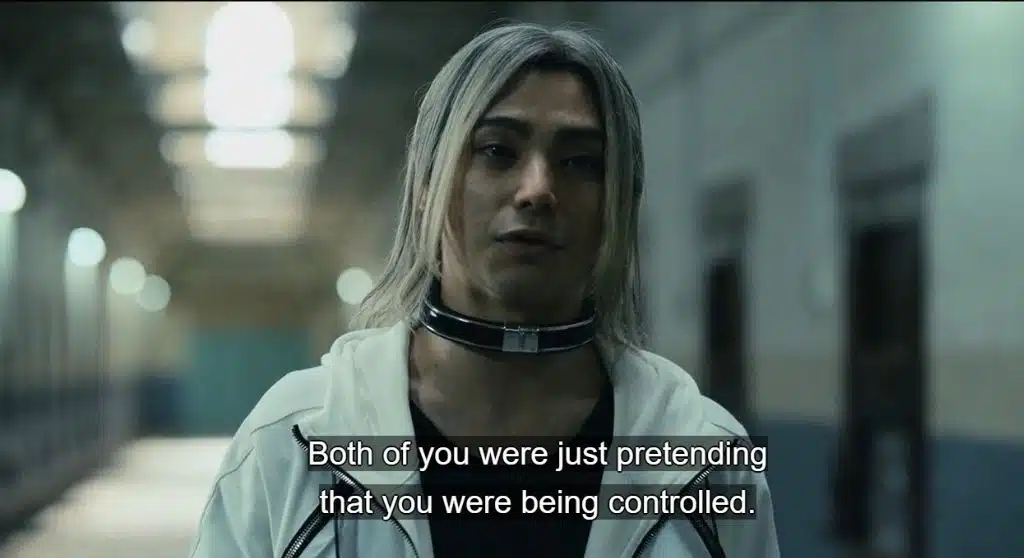
Chishiya has a mind as sharp as a razor. He plays his cards close to his chest and blurs the line between villain and hero. I respect his efficiency, even if his methods are cold.
Background: A disillusioned doctor turned pragmatic survivor
Before the fireworks, Chishiya wore a white coat. He was a doctor in the field of pediatrics and internal medicine. Years in a corrupt hospital system drained his hope until only cynicism remained.
In Alice in Borderland, that medical training turned him into a cold strategist. He knows exactly how fragile the human body is.
“In survival games, compassion is currency you can’t always afford.”
Every decision became a calculation for self-preservation. This is likely trauma-induced apathy rather than inherent psychopathy. He learned to shut down his empathy because feeling too much in a hospital full of dying patients was a liability.
Personality: Intelligent, calculated, and morally ambiguous
I see Chishiya as the ultimate pragmatist. He stays calm while chaos grows all around him. Each move he makes is a chess piece sliding on the board.
He leaves nothing to luck. People often miss his true intentions. Even Game Masters like Kuzuryu struggle to read him. Chishiya can wade through danger with little emotion, but I notice glimmers of empathy mixed into his choices.
He rarely crosses the dark line that Banda lives on. His morality shifts depending on the data available. If saving you has a high probability of helping him, he will do it.
He is an anti-hero. I spot flashes of kindness when least expected. But he will choose logic over heart if the numbers don’t add up.
Motivations: Survival-focused but capable of growth and empathy
Chishiya stands out because he plays the survival game with a cool head. He makes choices that help him live, yet he does not lose his ability to understand others.
After facing Kuzuryu (King of Diamonds), I noticed a shift in his algorithm. His actions show more than just self-preservation. He risks himself for people like Usagi and Arisu.
This shift doesn’t make him soft. It makes him complex. Chishiya still uses logic over pure emotion, but seeds of empathy grow with each test. His personality evolves as he starts caring about those close to him.
Key Comparisons Between Banda and Chishiya
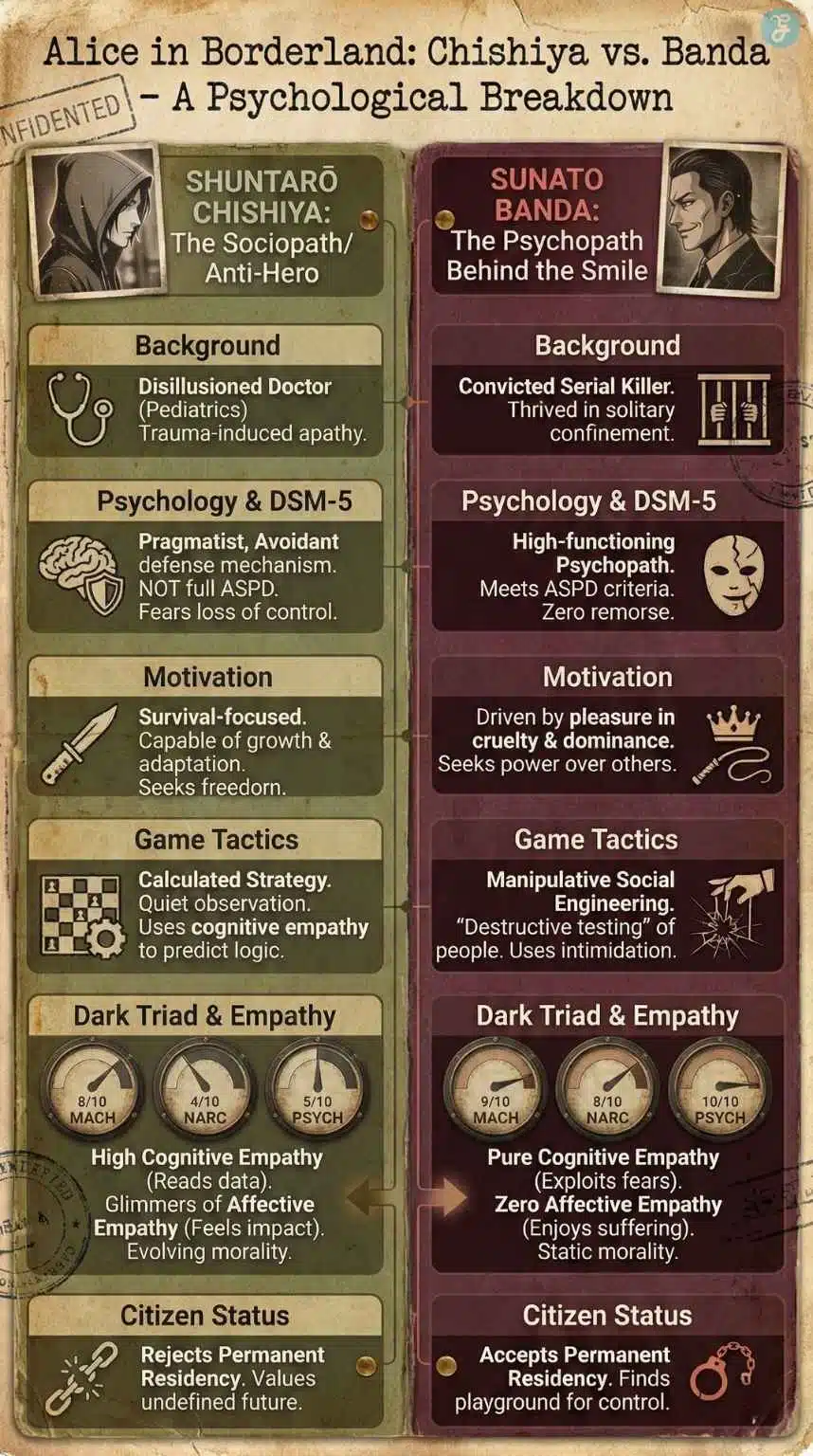
If you want to see how cold logic squares off against pure cruelty, look at these two. The match is fascinating from a behavioral standpoint.
Morality: Pure evil vs. pragmatic moral evolution
Sunato Banda lives for harm. His moral compass is broken. In Alice in Borderland, he earns his cruel reputation as a sadist. He shows no guilt after any crime.
Power over others fuels his actions. Shuntarō Chishiya stands on shifting sands. My view of his personality swings between awe and concern. As a survivor shaped by loss, he uses logic first but does not relish cruelty.
Over time, I watch hints of empathy peek through. While Chishiya manipulates others to survive, growth remains possible for him. Morality is a tool that he adapts to the situation.
Development: Stagnant sadism vs. redemptive arc
Banda never changes. He is a static variable. He moves through the story like a shadow. His sadism stays fixed from start to finish. Each game is just another excuse for him to manipulate and harm. He lacks self-reflection.
Chishiya is a dynamic variable. At first, he seems selfish and distant. Yet over time, his personality shows signs of growth. I see flickers of guilt break through his poker face. Banda stagnates in cruelty while Chishiya pushes toward something better.
Similarities: Strategic minds, calm demeanor, and manipulative skills
Both Chishiya and Sunato Banda plan several moves ahead. They are like chess players who see the whole board. I watch how each uses a calm face to mask quick thinking. Panic never touches their voices.
Their manipulative skills shine through every round. Whether tricking allies or foes, both push people into traps without raising suspicion. I notice Chishiya prefers subtle mind games while Banda leans on intimidation.
Both characters blur moral lines. But they do it for different reasons. Banda wants power. Chishiya wants adaptation.
Chishiya keeps his distance, but that does not make him antisocial. In my view, he uses avoidance as a firewall. It is a defense mechanism rather than hatred. Sunato Banda fits the classic Alice in Borderland sociopath comparison because he ignores rules and rights entirely.
Here is why I classify Chishiya differently:
- Empathy levels: Chishiya can read emotions and feel them. He just suppresses them.
- Violence triggers: He rarely starts violence without a survival reason.
- Fear response: His avoidant style comes from a fear of losing control.
This is clear during tense moments with Kuzuryu. Chishiya displays affective empathy. He understands the weight of a human life. Antisocial types like Banda lack this completely.
The Dark Triad Test: Where Do They Rank?
I decided to size them up using the Dark Triad lens. This psychological theory looks at three traits: Machiavellianism, Narcissism, and Psychopathy. Here is how I rate them based on their actions.
| Trait | Sunato Banda | Shuntarō Chishiya |
|---|---|---|
| Machiavellianism (Manipulation, calculated moves) |
|
|
| Narcissism (Grandiosity, self-centeredness) |
|
|
| Psychopathy (Lack of empathy, thrill-seeking) |
|
|
Cognitive vs. Affective Empathy in the Borderland
Thinking about the Dark Triad test, I see how they both score high on manipulation. Now, let’s look at empathy. This is where the engineer in me sees the biggest difference in their wiring.
Cognitive empathy is knowing what someone feels. It is data processing. Affective empathy is actually sharing those emotions. It is feeling the impact.
Chishiya reads people like a manual. He spots fear and hope instantly. He starts out distant, but he grows more compassionate as new threats rise.
Banda takes it further. He knows what hurts you, but he delights in it. He lacks the urge to comfort anyone. The Netflix version shows these differences clearly. Banda’s conversations ooze with cold logic while Chishiya risks thawing his walls.
The Jack of Hearts: A Case Study in Manipulation
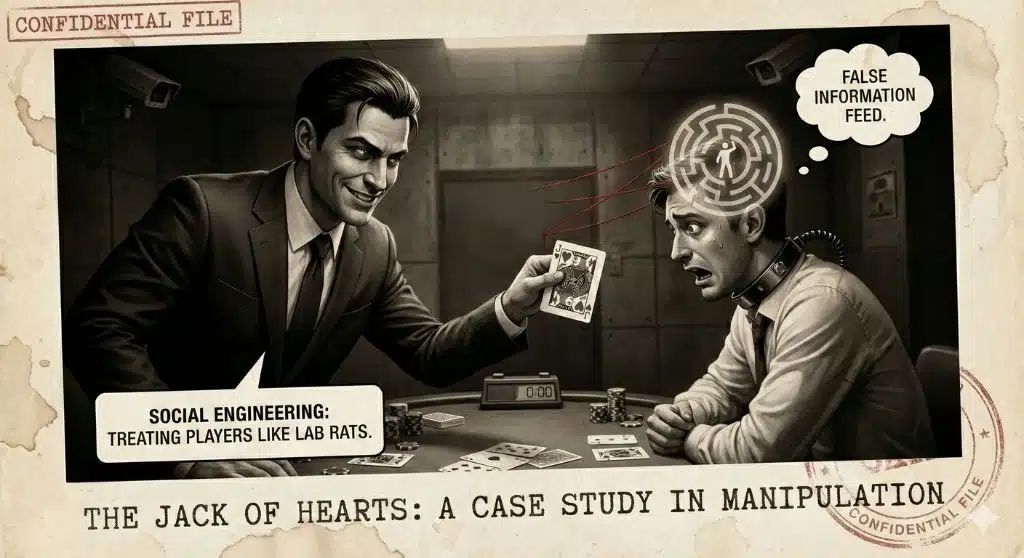
I watched the Jack of Hearts game closely. It was a masterclass in social engineering. Players had to outwit each other using pure manipulation. Sunato Banda dominated this game. He showed why many rate him as a high-level psychopath.
His ability to read faces and twist truths separated him from the pack. He treated the other players like lab rats in a maze. He fed them false information just to see how they would react.
Chishiya’s approach amazed me in a different way. He used quiet observation. Unlike Banda, Chishiya thrived by reading people’s logic. He looked for the rational patterns in their behavior.
His methods highlighted the difference between affective empathy vs. cognitive empathy. Chishiya used his brain to predict moves. Banda used his lack of heart to exploit fears.
The Perfect Foils: Chishiya & Kuina vs. Banda & Yaba
Chishiya and Kuina work like a clever tag team. They pick apart games with sharp minds. Against them, Banda and Yaba act like wild cards. They use fear as a tool. Banda’s grin hides his sadistic joy. Yaba follows him without question. I see Sunato Banda’s analysis come to life here.
He chases power for pleasure. He twists rules just to watch others break. In contrast, Chishiya focuses on logic over cruelty. He can be cold, but he uses cognitive empathy to win.
Kuina brings heart to the team. She doesn’t let her feelings cloud her judgment. When they face Banda and Yaba, each pair reflects opposite sides of the spectrum. It is calculation versus delight in harm.
Why Banda Respected Chishiya [But Underestimated Him]
Watching the clash between these groups, I noticed something interesting. Sunato Banda usually dismissed threats. He only cared if you were as cunning as he was.
He eyed Chishiya with curiosity. Few people matched his strategic mind in the games. The way Chishiya outsmarted others caught Banda’s interest. However, even a master manipulator like Banda made mistakes. He respected Chishiya’s intelligence but pegged him as too clinical.
He thought Chishiya was too detached to take bold risks. That judgment nearly cost Banda dearly. This shows that cognitive empathy gives you insight, but underestimating someone’s drive to survive is a fatal error.
The “Citizen” Philosophy: Why Banda Stayed Behind
Banda saw himself as more than just a player. He had no urge to escape. Staying behind gave him a sense of authority. It was like a guard staying at his post. In Banda’s mind, control meant everything.
He moved through each contest with zero affective empathy. To Banda, being a Citizen of the Borderland was not about hope. It was about power over the lost souls around him. I noticed he did not care about returning home. He only cared that he set the rules where cruelty thrived.
What If Chishiya Had Accepted Permanent Residency?
If Chishiya had taken the offer, his story would have shifted. He would have gone from a clever survivor to a trapped administrator. Permanent residency means losing your freedom.
I know he treasures control above all else. His cognitive empathy helps him read people, but it can’t shield him forever. A life stuck among citizens like Banda would test his cool mind. He might become more distant.
The games never end for a resident. Growth stalls out. Imagine Chishiya locked in routines and studying opponents with no room for change. He would likely watch cruelty unfold every day. Accepting residency could have stolen his chance at redemption.
Will Sunato Banda Return in Season 3?
Sunato Banda left a haunting mark. His lack of empathy pushed every boundary. I have noticed many fans asking if we will see him again. Creators keep details quiet, but Netflix loves a shock return. With so much of his past hidden, producers may bring him back.
Plenty of stories remain untold about Banda’s alliances. If he does appear again, his presence could test the survivors even more. That possibility ties directly into the mystery of the “Citizen” philosophy.
Final Words
Both Chishiya and Banda left deep marks on the Borderland. But I see a clear gap between them. Banda’s actions come from pure cruelty. He enjoys causing pain.
Chishiya makes cold choices, yet there is a pulse of empathy in his actions. If true sociopathy is about lacking all feeling for others, Banda wears that label far better. In this twisted world, monsters stand out. But shades of humanity matter more than we think.