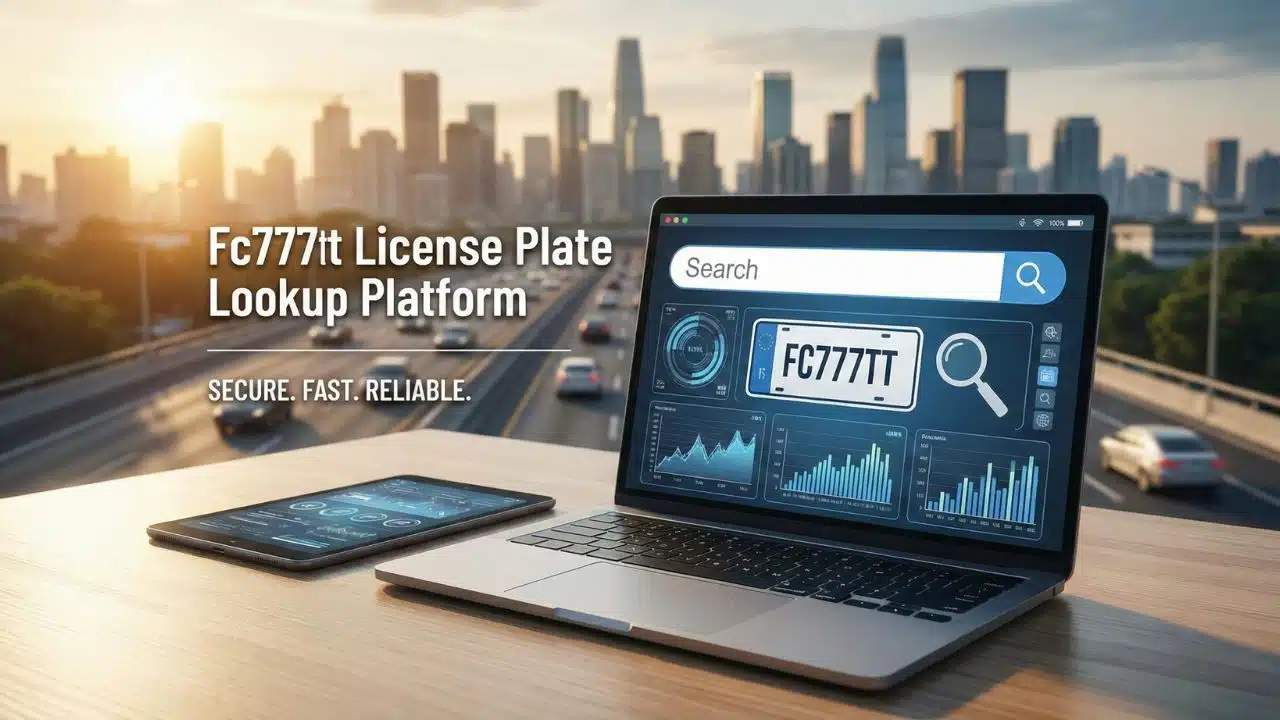
You know how a simple license plate check can turn into a time sink fast with slow pages, messy results, and no clear next step. That is exactly the problem a focused FC777TT license plate lookup platform should solve.
FC777TT is a plate-style identifier that people often associate with Philippine plate formats, so the confusion is real if you are trying to verify a listing, manage a fleet record, or confirm a vehicle detail from a screenshot.
Just as important, a good platform sets expectations. In the US, privacy rules limit what a license plate search can legally reveal about a person, so the best user experience is clear, compliant, and action-driven.
This page breaks down the features, the practical benefits, and the best practices that keep FC777TT lookup workflows fast and defensible.
Key Takeaways
- FC777TT-style lookups work best when the platform validates the plate format first, then shows results with a confidence indicator so you can confirm the match before you act.
- A user-friendly dashboard should separate vehicle details you can use right away (make, model, and registration status where available) from restricted personal information you should not expect to see.
- For US buyers and risk teams, pair license plate searches with VIN-based checks, since the VIN is the more stable identifier across states and systems.
- For title and fraud screening, use NMVTIS-backed vehicle history from an approved data provider, which helps flag title brands and related risks without relying on rumors or scraped data.
- NICB’s VINCheck service is free and caps searches at five per 24-hour IP, so it works best as a quick theft and salvage signal before you pay for deeper reports.
- If you need sensitive owner details in the Philippines, use official LTO channels and follow the Philippine Data Privacy Act, rather than relying on unofficial sites or social posts.
- Treat “red flags” seriously: any site that asks for SSN, demands payment before showing basic vehicle data, or hides company details is a stop sign.

Key Features for FC777TT License Plate Lookup
A strong FC777TT license plate lookup experience is built on three things: accurate input handling, clean results you can act on, and guardrails that keep your searches compliant and auditable.
AI-assisted plate parsing (so messy input still works)
Real-world plate checks rarely start with perfect text. You get a grainy photo, a chat screenshot, or a plate typed in with a typo (O vs 0 is the classic).
Use AI for OCR (optical character recognition) and validation, but make the workflow human-friendly. When the system is not sure, it prompts you to confirm the ambiguous characters before it runs the search.
- Format validation: verify the length and character pattern, then explain what failed so you can fix it quickly.
- Smart normalization: handle spaces and hyphens consistently, then store the normalized plate as the searchable key.
- Confidence checks: show a simple confidence label for OCR-based entries, so you know when to recheck the source image.
- Duplicate control: merge repeat searches into a single record with timestamps, so teams do not chase stale entries.
Real-time reporting that stays readable
The dashboard should prioritize the data that changes decisions. You want clear vehicle details, a short activity history, and an obvious “what to do next” panel.
In the US, use the plate as a starting point, then route users to VIN-based verification for recalls, theft checks, and title history. NHTSA’s recall guidance emphasizes using the 17-character VIN, which you can usually find at the lower-left windshield or on the driver-side doorjamb label.
If a lookup promises instant owner addresses or phone numbers from a plate in the US, that is a compliance risk, not a feature. A trustworthy platform will explain what it can show, and why certain personal information is restricted.
Workflow integrations that reduce rework
A plate lookup platform earns its place in your process when it cuts copy-paste work. That usually means exports, alerts, and integrations that your team already uses.

| Workflow need | What to support | Why it improves user experience |
|---|---|---|
| Case tracking | Unique identifier per lookup, notes, and status tags | Keeps teams aligned and reduces “Which record is right?” confusion |
| Evidence storage | Cloud file sync (Drive, Box) plus attachments | Makes it easy to store photos, PDFs, and supporting docs in one place |
| Reminders | Calendar-friendly due dates and follow-ups | Turns a lookup into a managed task, not a forgotten tab |
| Accounting and operations | Exportable logs for internal billing or reconciliation (QuickBooks) | Helps agencies and businesses prove work completed without extra tooling |
Anti-abuse controls that keep searches fast
AI-driven lookup tools attract bots, scraping, and curiosity-driven bursts. You protect performance and trust with simple controls that do not punish legitimate users.
- Rate limits: cap bursts and apply backoff for repeat failures.
- Bot defense: use CAPTCHA-style checks for suspicious patterns, not for every search.
- Access logging: record who searched what and when, so you can audit use and investigate misuse.
- Role-based views: show only what each user role needs, especially for businesses managing high-volume lookups.
Benefits of Using FC777TT
The real value of FC777TT is not that it can search a plate string. It is that it can turn a plate check into a repeatable workflow that supports speed, accuracy, and privacy.
Faster decisions for buyers, fleets, and risk teams
For readers doing due diligence, the best flow is simple: use FC777TT to locate a record, confirm the vehicle details, then escalate to VIN-based checks before money changes hands.
NHTSA reported that in 2024, more than 29 million vehicles were recalled in the United States. That is why a platform that nudges users toward recall checks (using the VIN) is doing more than reporting data; it is reducing real risk.

- Buyers: spot inconsistencies early (color, model, year) before you travel to inspect a vehicle.
- Fleet ops: track renewals, compliance tasks, and plate number changes without rebuilding spreadsheets.
- Insurance and claims: organize supporting documents and timelines to cut investigation cycle time.
Fraud signals that do not rely on rumors
A good platform uses reputable, structured sources and labels what each source can and cannot tell you. In the US, two names matter for practical verification: NMVTIS for title history signals and NICB VINCheck for theft and salvage signals tied to participating insurers.
NICB notes that VINCheck is free and limited to five searches per 24 hours per IP, so it fits best as a quick screen before you invest in deeper reporting or a physical inspection.
Privacy and security that matches real-world rules
In the US, the Driver’s Privacy Protection Act limits disclosure of personal information from state vehicle records, so a platform should not promise private owner details from a license plate.
For Philippine-related lookups, treat LTO records and the Philippine Data Privacy Act as the baseline. A platform can still deliver a fantastic user experience by focusing on lawful vehicle details, strong encryption, and access controls.
Best Practices for Maximizing User Experience
If you want the fastest results with the least risk, treat plate lookups like a workflow, not a one-off search. Standardize input, filter intelligently, and keep an audit trail you can defend.
How can I use advanced search filters effectively?
Filters should reduce noise and help you confirm “same vehicle” signals, not just find “a match.” Use them to narrow quickly, then validate carefully.
- Normalize first: strip spaces and hyphens, then search on the normalized plate number so your results stay consistent.
- Use attribute cross-checks: confirm make, model, color, and year together, not in isolation.
- Flag risk indicators: create saved filters for lapses, mismatched details, or repeated changes that suggest tampering.
- Batch with intent: run bulk lookup for fleets and agencies, but tag each import with a case name so you can trace why it happened.
- De-duplicate by rule: auto-merge repeat lookups into one record, then preserve timestamps as evidence.
- Verify OCR entries: if the plate came from an image, confirm ambiguous characters before you escalate the case.
What legal guidelines should I follow for plate lookups?
Follow the rules of the country and system you are querying. In the US, privacy laws restrict personal information tied to motor vehicle records. Use the official LTO procedures for sensitive requests in the Philippines.
- Do not expect personal owner data from a plate in the US: build your process around lawful vehicle details and VIN-based verification steps.
- Use official channels for sensitive requests: if you need restricted information in the Philippines, use LTO processes and document your justification.
- Keep proof of purpose: store lookup logs, consent records (if applicable), and case notes so you can show legitimate use.
- Review vendor transparency: confirm the platform explains its data sources, retention policy, and access controls in plain language.
- Restrict access internally: limit bulk lookup tools to authorized roles and require reason codes for high-sensitivity searches.
Red flags to watch for before you trust a “lookup” site
These patterns show up again and again in low-quality services. Treat them as a reason to stop, not a reason to “try it anyway.”
- Requests for SSN or other sensitive personal information before showing basic vehicle data
- Demands for payment before you can see any non-sensitive result preview
- No clear company identity, support channel, or terms that explain data sources
- Promises of an instant owner address or phone number based only on a license plate.
- No audit trail, export option, or access controls for business users
Takeaways
A strong FC777TT license plate lookup workflow saves time because it validates input, reduces duplicates, and shows vehicle details in a clean, user-friendly dashboard.
It also protects you by setting honest expectations about personal information and by logging access for accountability.
Use FC777TT for fast screening, then confirm high-stakes decisions with VIN-based checks and official channels where required. That is how you get speed, clarity, and a better user experience without creating compliance risk.
FAQs on Fc777tt
1. What is the FC777TT License Plate Lookup Platform?
FC777TT is a license plate lookup platform that improves the overall user experience in the digital realm. It offers a Dashboard (computing) with analytics and filters to help teams work faster as the market is changing faster than ever.
2. How does FC777TT keep people engaged?
The system uses gamification and creativity to focus attention; it adds a bit of interactive feedback, progress meters, and task rewards.
3. Is the platform email-based and can it handle new platforms and high search volume?
The solution is not limited to email-based flows; it supports APIs and connectors for many sources. Nothing stays stuck in manual threads, and the backend scales to meet large search volume.
4. Who benefits and what features are planned next?
Analysts, investigators, and ops teams gain value; members use the Dashboard (computing) to speed workflows. The roadmap adds new platforms, deeper analytics, and scaled search handling to match a world that is changing faster than ever.