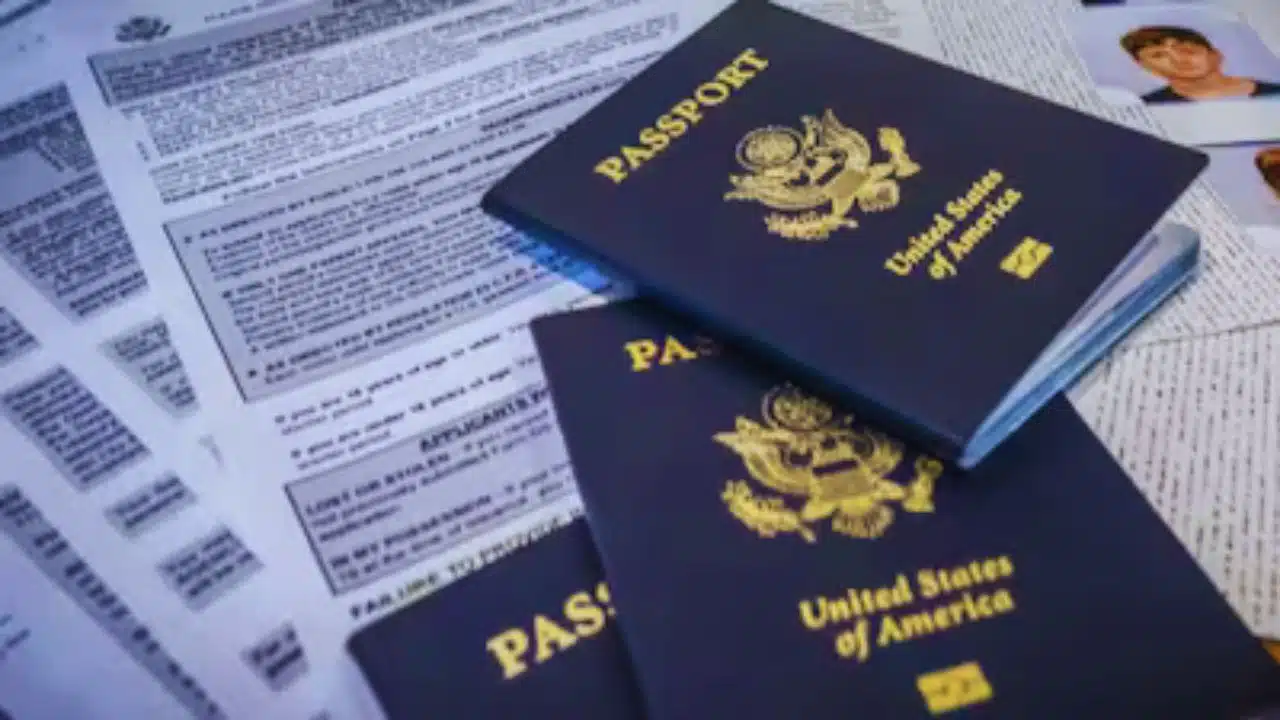
The Henley Passport Index 2025 shows the U.S. passport has fallen outside the global top 10, now tied with Malaysia for visa-free or visa-on-arrival access to 180 destinations, as shifting visa reciprocity rules and global mobility policies reshape international travel.
What Changed in the Henley Passport Index 2025
The latest Henley Passport Index 2025 update marks a notable shift in global travel freedom rankings. The United States passport is now ranked 12th globally, tied with Malaysia, based on visa-free or visa-on-arrival access to 180 out of 227 destinations worldwide.
The Henley Passport Index is compiled using data from the International Air Transport Association (IATA), which tracks real-time entry requirements. Countries are ranked according to how many destinations their citizens can enter without applying for a visa in advance.
Although some summaries describe the U.S. position as 11th, Henley officially lists it as 12th due to shared rankings. When multiple countries have the same access score, they occupy the same position, causing variations in reported rankings.
Asia Continues to Dominate the Top of the Rankings
Asian countries continue to lead the global passport power rankings in 2025, reflecting long-term investments in diplomatic relations and reciprocal travel agreements.
Top Passports in Henley Passport Index 2025
| Rank | Country | Visa-Free / VOA Access |
| 1 | Singapore | 193 |
| 2 | South Korea | 190 |
| 3 | Japan | 189 |
| 12 (Tied) | United States | 180 |
| 12 (Tied) | Malaysia | 180 |
Henley’s analysis highlights that Asia-Pacific nations have consistently expanded travel access through strategic visa policies, while several Western nations have seen stagnation or marginal declines.
Why the U.S. Passport Fell in 2025
The decline of the U.S. passport is not due to a single policy change but rather a combination of small but impactful shifts throughout the year.
Visa Reciprocity Pressures
A major factor is visa reciprocity. While U.S. citizens enjoy broad global access, the United States allows visa-free entry to only 46 nationalities, placing it relatively low on global openness rankings. Countries increasingly reassess their visa policies based on how their own citizens are treated abroad.
Reinstated Visa Requirements
In April 2025, Brazil reinstated visa requirements for U.S. citizens after several years of visa-free travel. Even a single country changing its entry rules can affect passport rankings significantly, especially when many countries cluster closely in score.
Small Changes, Big Ranking Shifts
Henley notes that rankings near the top are extremely competitive. A difference of just one or two destinations can cause a country to drop several places, particularly when ties are involved.
Malaysia’s Growing Passport Strength
Malaysia’s position alongside the United States underscores its growing diplomatic reach and stable visa agreements. While the difference may appear symbolic, it reflects Malaysia’s consistent travel access across Asia, Europe, and parts of the Americas.
The comparison is striking because the U.S. passport ranked first globally as recently as 2014. The current standings highlight how global mobility power can shift over time based on policy direction rather than economic size alone.
Record Passport Demand in the United States
Despite the drop in ranking, demand for U.S. passports has reached historic highs, indicating strong outbound travel interest.
U.S. Passport Statistics
| Metric | FY 2024 | FY 2025 |
| Passports issued | 24,515,786 | 27,348,416 |
| Passport cards issued | 3,737,228 | 4,544,022 |
| Valid passports in circulation | 169,915,821 | 183,170,240 |
The data shows that more Americans than ever are holding valid passports, even as travel rules become more complex in some regions.
What This Means for Travelers in 2025–2026
For U.S. Travelers
- More destinations may require eVisas or advance visas, especially where reciprocity policies tighten.
- Travelers should expect increased pre-travel planning, even for destinations that were previously visa-free.
For Malaysian Travelers
- Malaysia’s strong ranking supports easier regional and international travel, particularly for business and short-term tourism.
For Governments and Tourism Authorities
- Visa policies are increasingly used as economic tools to boost tourism or enforce diplomatic balance.
- Even small changes in entry rules can significantly influence global mobility rankings.
Final Thoughts
The Henley Passport Index 2025 reflects a broader shift in global travel dynamics. Passport power is no longer static and increasingly depends on openness, reciprocity, and diplomatic engagement.
For travelers, the key takeaway is practical rather than symbolic: understanding visa rules matters more than ever. For policymakers, the rankings serve as a reminder that border policies influence not only security and diplomacy but also economic competitiveness and global perception.