If you’ve ever watched water pool around your feet in the shower or waited impatiently as a kitchen sink drains inch by inch, you know how disruptive a clog can be. The frustration builds quickly, especially when the problem keeps coming back. The question many homeowners ask is simple: Why do drains get clogged, and what can you do about it?
Drain problems rarely appear suddenly. Most clogs form gradually, fed by everyday habits that push food, hair, grease, soap residue, and foreign objects into pipes. When you look closely at what causes blockages, one theme becomes clear: you can prevent clogged drains with consistent habits and simple maintenance routines.
Why Do Drains Get Clogged? Understanding the Everyday Causes
Drains aren’t designed to digest everything we send down them. While wastewater systems handle water and small particles well, they are vulnerable to thicker materials, sticky residues, and items that never break down. Understanding these everyday culprits makes it easier to prevent clogged drains before they turn into expensive repairs.
How a Healthy Drain Functions
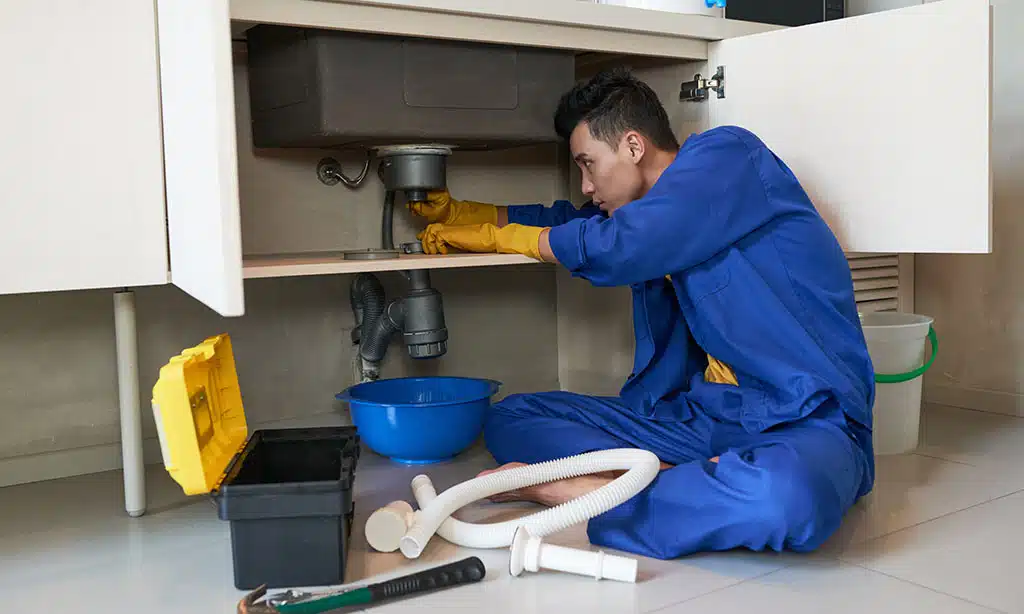
A drain system relies on gravity and smooth interior piping to guide water downward and into the main sewer or septic system. When water flows at a steady pace, it sweeps small debris along with it. Problems begin when:
- Water slows down
- Residue sticks to pipe walls
- Layers of debris build up inside the drain
- Larger objects become lodged in bends or joints
Once the interior of a pipe starts collecting buildup, the diameter narrows. This creates a bottleneck, and even normal household waste begins to move sluggishly. Over time, that slowdown turns into a full blockage.
Recognizing how quickly residue accumulates highlights the importance of preventive habits that keep drains clear.
The Most Common Household Materials That Cause Clogs
Several everyday materials are responsible for most household clogs. While some originate from the kitchen, others come from the bathroom or laundry area. Each plays a different role in making drains slower and more vulnerable.
1. Hair
Hair is the leading cause of clogged bathroom drains. It binds easily, tangles on itself, and sticks to any surface inside the pipe—especially where soap scum has already formed a sticky layer.
2. Soap Scum
Traditional bar soaps contain fats and minerals that leave a waxy, sticky residue behind. Over time, this residue collects on pipe walls and traps hair, lint, and skin cells.
3. Grease, Fat, and Oil
Grease is one of the most damaging materials for kitchen drains. Hot grease goes down the sink as a liquid, but as soon as it cools, it solidifies into a thick coating that narrows pipes and catches food particles.
4. Food Scraps and Starches
Foods that swell, expand, or break apart easily create major clogs. These include:
- Rice and pasta
- Potato peels
- Coffee grounds
- Eggshell fragments
- Fibrous vegetables
Even garbage disposals don’t fully process these materials, and they create a thick sludge that can block pipes quickly.
5. Wipes and Hygiene Products
Despite packaging claims, most “flushable” wipes don’t break down in water. They remain intact inside pipes, where they combine with grease, toilet paper, and other debris. Cotton pads, swabs, floss, and feminine products also contribute to major blockages.
6. Hard Water Mineral Buildup
In areas with hard water, minerals accumulate inside pipes. This buildup narrows the passageway, making it easier for other debris to cling and form clogs.
7. Foreign Objects
Children’s toys, bottle caps, small tools, razor covers, and even jewelry have been found inside drains. These objects don’t cause clogs immediately but act as anchors for hair, food, and grease.
Structural Problems That Can Cause Clogging
Sometimes the problem has nothing to do with hair or grease. Structural issues hidden beneath floors, walls, and the yard may be the true cause.
Tree Root Intrusion
Tree roots seek water, and any small cracks in outdoor sewer lines attract them. Once inside the pipe, roots expand and form a dense web that catches everything that passes.
Aging Pipes
Older materials like clay or cast iron corrode or crack over time. When a section of pipe sags, drains develop a “belly,” where water pools instead of flowing smoothly.
Poor Drain Slope
A drain that lacks proper slope slows water flow. Stagnant water leaves behind solids, which eventually form blockages.
You can’t prevent clogged drains from structural problems without professional inspection, but early signs—like repeated or whole-house blockages—indicate something deeper is happening.
Early Warning Signs a Drain Clog Is Developing
Clogs rarely appear out of nowhere. Small signals often show up weeks before a complete blockage occurs.
Look for:
- Slow-draining sinks or showers
- Water pooling during everyday use
- Gurgling noises from pipes or toilets
- Bubbling in the toilet when another drain runs
- Unpleasant odors rising from sinks or floor drains
- Frequent need for plunging
- A clog that clears but quickly returns
Addressing these signs early helps prevent clogged drains later on, especially when they occur repeatedly.
Kitchen Drains: Why They Clog and How to Keep Them Clear
The kitchen is the biggest risk area for drain issues. Between cooking, cleaning, dishwashing, and garbage disposal use, kitchen drains see a constant flow of grease, oils, scraps, and detergents.
To effectively prevent clogged drains here, you must understand the habits that contribute most to buildup.
Grease, Fat, and Oil: The Top Kitchen Culprits
Grease is responsible for a large percentage of kitchen clogs. Pouring it down the sink—even in small amounts—allows it to cool and harden inside the pipes. Over time, the buildup becomes thick enough to block water.
To prevent this:
- Let the grease solidify and scrape it into the trash.
- Wipe greasy pans with paper towels before washing.
- Collect leftover oils in a jar to discard later.
These simple steps drastically reduce the risk of kitchen drain blockages.
What You Should Never Put Down a Kitchen Sink
To prevent clogged drains, avoid sending these items down the sink:
- Coffee grounds
- Eggshells
- Pasta, rice, and flour
- Large food scraps
- Fibrous vegetables
- Fat trimmings
- Fruit pits
- Bones
Even if you have a garbage disposal, these materials either swell, degrade slowly, or scrape pipe interiors.
Simple Kitchen Habits That Keep Water Flowing
Maintaining clear kitchen drains doesn’t require complex tools. Just consistent habits.
- Use a sink strainer to catch scraps.
- Run hot water for several seconds after washing dishes.
- Flush the drain with hot (not boiling) water weekly.
- Keep the disposal clean by grinding small amounts of soft foods with cold water.
- Avoid forcing large amounts into the disposal at once.
These habits make it easier to prevent clogged drains without relying on harsh chemicals.
Bathroom & Laundry Drains: Why They Back Up and How to Avoid It
Bathroom and laundry drains handle hair, soap, detergent, and personal-care products. They clog frequently because these materials easily bind together.
Why Bathroom Drains Clog So Easily
Showers and sinks naturally collect:
- Strands of hair
- Soap film
- Dead skin
- Shaving residue
- Shampoo and conditioner buildup
These combine to create thick, sticky mats that cling to pipe walls.
Hair Management: The Most Effective Prevention Tool
Hair is preventable. Simple tools keep it out of the drain entirely.
- Install hair catchers in tubs and showers.
- Clean stoppers regularly.
- Brush long hair before showering.
- Remove hair from brushes over a trash can instead of rinsing it away.
These tiny behaviors dramatically reduce bathroom clogs.
Toilet Clogs: Understanding What Should Never Be Flushed
The toilet is designed for one purpose: removing waste and toilet paper. Anything else risks a blockage.
Do not flush:
- Wet wipes
- Cotton swabs or cotton pads
- Feminine hygiene products
- Dental floss
- Paper towels
- Diapers or liners
- Cat litter
- Plastic packaging
A small trash bin with a lid can prevent major plumbing problems.
Laundry Room Drains
Washing machines and utility sinks contribute to drainage issues when:
- Lint accumulates in pipes
- Powder detergents leave residue
- Paint, mortar, or potting soil is rinsed down the sink
- Use lint traps, clean utility sinks often, and avoid washing paint or construction materials indoors.
Effective Maintenance Habits to Prevent Clogged Drains
Routine maintenance is the most reliable way to reduce clogs. Instead of reacting to a blockage, small weekly and monthly steps keep building up from forming.
Weekly Maintenance
- Pour hot water down the kitchen and bathroom drains.
- Clean drain covers and stoppers.
- Run water in rarely used drains to prevent odor-causing dry traps.
Monthly Maintenance
You can safely refresh drains with:
- Baking soda and vinegar
- Hot water flushes
- Removing and cleaning pop-up stoppers
- Clearing hair manually with a simple hook tool
These methods help prevent clogged drains without damaging pipes.
Why You Should Use Chemical Cleaners Sparingly
Chemical drain openers may dissolve surface-level buildup, but they also weaken older pipes, damage finishes, and disrupt septic systems. Relying on chemicals often signals deeper issues.
Mechanical tools—plungers, drain snakes, and hair-removal devices—are safer and more effective long-term.
When a Clog Is a Sign of a Bigger Problem
Sometimes a blockage is not caused by hair or food at all. It may indicate a serious issue deeper in the system.
Watch for:
- Repeated clogs in the same drain
- Multiple fixtures are backing up simultaneously
- Gurgling or bubbling noises
- Sewer odors indoors or outdoors
- Sudden wet spots in the yard
These symptoms suggest a main sewer line blockage or structural failure. A professional inspection is essential in these cases.
Do’s and Don’ts to Prevent Clogged Drains
A simple checklist helps maintain good habits year-round.
Do’s
- Scrape plates before washing.
- Collect grease in a container.
- Use strainers in kitchen and bathroom sinks.
- Clean hair from stoppers weekly.
- Run hot water after dishwashing and showers.
- Only flush waste and toilet paper.
- Schedule professional inspections for older homes.
Don’ts
- Don’t pour grease or fat down the drain.
- Don’t flush wipes, cotton products, or floss.
- Don’t overload the garbage disposal.
- Don’t rinse paint or concrete into sinks.
- Don’t rely on chemical cleaners monthly.
- Don’t ignore early warning signs.
Conclusion: Preventing Clogs Is Easier Than Fixing Them
Clogged drains rarely happen overnight. They develop quietly, fed by everyday habits and overlooked maintenance. When you understand the small decisions that contribute to buildup, you’re better prepared to prevent clogged drains across your home.
With simple routines, mindful sink use, and occasional professional support, you can avoid one of the most common and frustrating household problems. Prevention costs little, saves time, and keeps your plumbing system healthy for years to come.