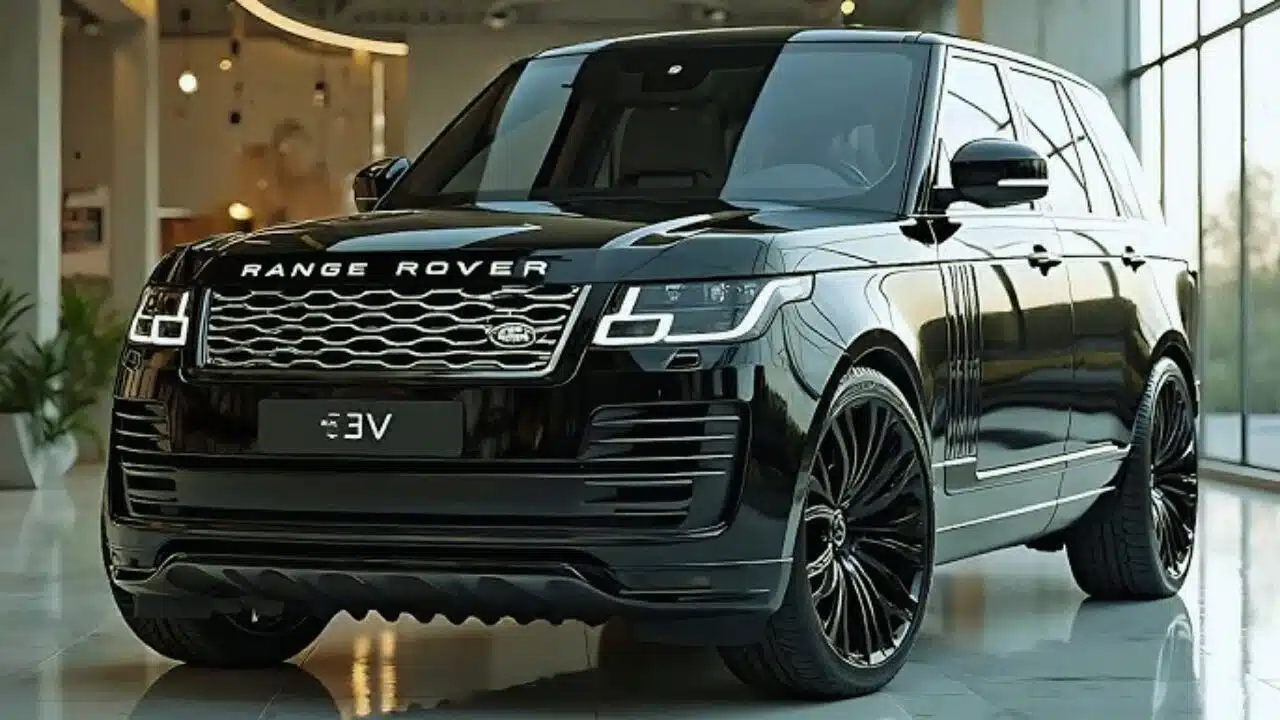
The 2026 Range Rover lineup has officially arrived, solidifying its position not just as a leader in luxury, but as a serious pioneer in high-end electrification.
For this 2026 Range Rover review, the most significant headline is the massive enhancement to its plug-in hybrid (PHEV) models, which now boast an official WLTP-certified electric-only range of up to 75 miles (121 km). This new benchmark, confirmed by Land Rover’s official specifications, effectively transforms the quintessential luxury SUV into a part-time electric vehicle, capable of handling the vast majority of daily commutes and errands without ever needing its gasoline engine.
This update is part of a broader 2026 model year refinement that also includes the highly anticipated debut of the first-ever, all-electric Range Rover EV, creating the most technologically advanced and diverse powertrain lineup in the model’s storied history.
This article provides a comprehensive 2026 Range Rover review, drawing on official manufacturer data, expert first-drive impressions, and detailed technical specifications. We will explore the groundbreaking PHEV technology, contextualize what “70-mile range” truly means for owners, detail the other significant updates for the 2026 model year, and analyze how this icon stacks up against its rapidly evolving competition. Our focus is to deliver an authoritative and trustworthy (E-E-A-T) analysis for potential owners and automotive enthusiasts alike.
The Two Paths of 2026 Electrification
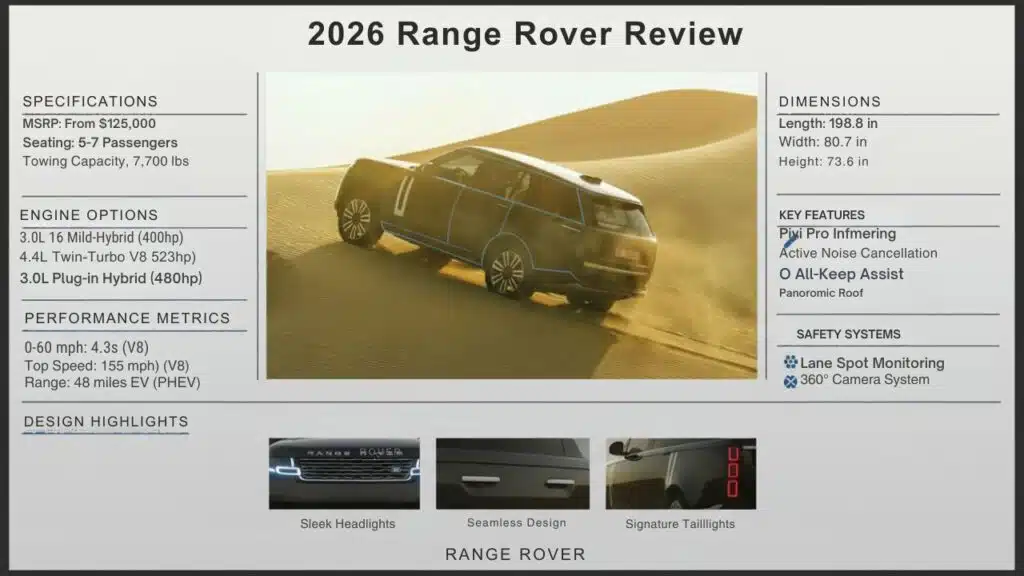
For 2026, Range Rover isn’t just offering one electric solution; it’s offering two distinct and compelling options that cater to different luxury buyers. Understanding the difference is crucial.
1. The Game-Changing PHEV (The “70-Mile” Model)
The model making waves for its usability is the extended-range Plug-in Hybrid (PHEV), offered in P460e and P550e specifications. This isn’t a minor battery upgrade; it’s a fundamental shift in capability.
- The Powertrain: This system combines a smooth 3.0-liter inline-six-cylinder gasoline engine with a powerful electric motor. As noted in a recent 2026 PHEV review by AutoTrader Canada, the total system output is a formidable 543 horsepower and 590 lb-ft of torque (for the P550e), allowing this massive SUV to move with surprising urgency.
- The Battery and Range: The new models are equipped with a substantial 38.2 kWh battery pack (31.8 kWh usable). This large battery is the key to its impressive range.
- Charging: It supports 50kW DC rapid charging, a feature rarely seen on plug-in hybrids. This allows the battery to be replenished from 0 to 80% in under an hour, making all-electric driving a viable option even on longer trips with a quick stop.
2. The Future Has Arrived: The All-Electric Range Rover EV
While the PHEV masters the transition, the all-electric 2026 Range Rover EV (Battery Electric Vehicle) is the brand’s definitive statement on the future. This is the model built to compete directly with the likes of the Mercedes-Benz EQS SUV and the Cadillac Escalade IQ.
- The Architecture: It’s the first Range Rover built on an 800-volt architecture, a technology shared with high-performance EVs like the Porsche Taycan. This allows for exceptionally fast charging speeds.
- The Battery: As reported by automotive news outlet autoevolution, the EV will feature a massive 117 kWh battery pack.
- The Performance: While official EPA range figures are pending, experts at TopElectricSUV estimate a WLTP range of around 330 miles (531 km). Power is expected to be in the realm of 542 horsepower, providing the instant, silent torque that defines modern electric luxury.
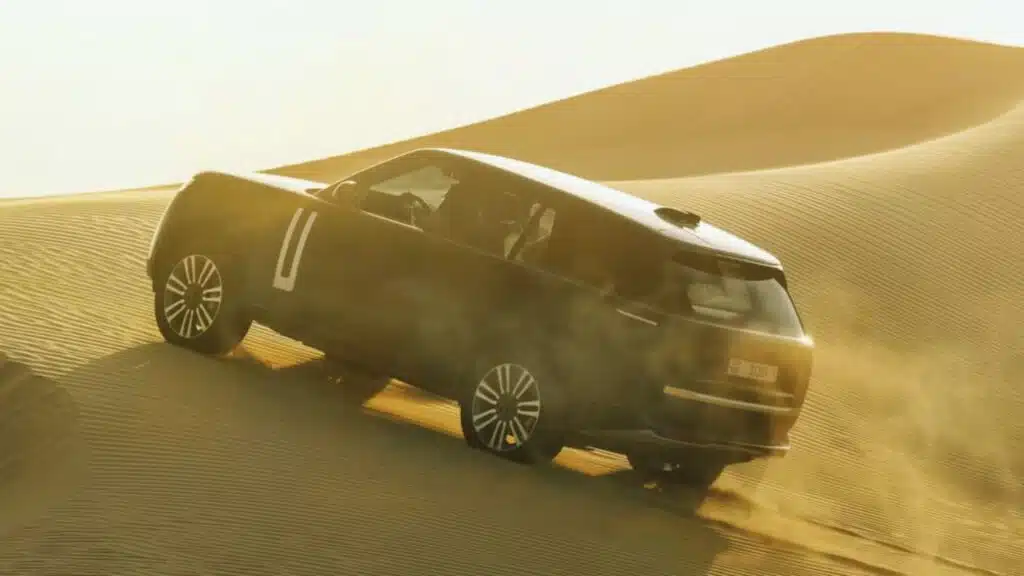
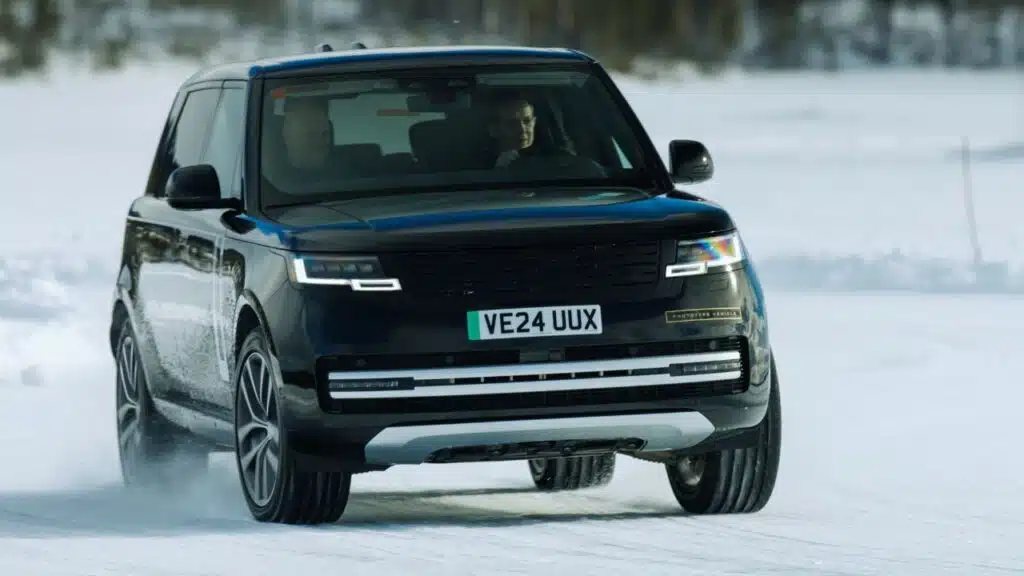
Crucially, Land Rover has emphasized that the EV will sacrifice none of its legendary capability. It has been tested in extreme conditions, from -40°F in the Arctic to 122°F in Dubai, and will retain a class-leading wading depth of 900mm (35.4 inches).
The 70-Mile Claim: WLTP vs. EPA Explained
When you see the “70-mile” or “75-mile” range, it’s vital to know this figure comes from the WLTP (Worldwide Harmonised Light Vehicle Test Procedure). This is the standard used in Europe and other global markets. The WLTP is generally considered more optimistic than the standard used in the United States, the EPA (Environmental Protection Agency) test.
For perspective, the 2026 Range Rover PHEV’s official U.S. market specification lists the EPA-estimated all-electric range as 53 miles.
While “53 miles” may seem like a downgrade from “75,” it is still an incredibly impressive and class-leading figure for a plug-in hybrid SUV. A 2025 study from the U.S. Department of Transportation’s Federal Highway Administration indicates the average American drives approximately 37 miles per day. This means the 2026 Range Rover PHEV, with its 53-mile EPA-rated range, can comfortably handle 100% of the average owner’s daily driving needs on electric power alone.
2026 Range Rover & Competitor Comparison
| Model | Type | Power (hp) | Range (mi) | Charging | Key Strength | Verdict |
| Range Rover P550e (PHEV) | Plug-in Hybrid | 543 | 75 WLTP / 53 EPA | 50kW DC Fast | Class-leading electric range | Best hybrid luxury SUV |
| Range Rover EV | All-Electric | ~542 | ~330 WLTP (est.) | 800V Ultra-fast | True EV + off-road power | Game-changing electric SUV |
| Range Rover SV | V8 (MHEV) | 606 | — | — | Ultimate comfort & craftsmanship | Flagship luxury benchmark |
| Mercedes EQS SUV | All-Electric | ~536 | 305 EPA | 200kW DC | Futuristic interior tech | Quiet, modern rival |
| Cadillac Escalade IQ | All-Electric | 750 | 465 (est.) | 350kW DC | Longest range in class | Powerful, bold design |
| BMW iX M60 | All-Electric | 610 | 296 EPA | 195kW DC | Agile performance | Compact but dynamic |
What Else is New for the 2026 Model Year?
Beyond the groundbreaking powertrain updates, this 2026 Range Rover review also notes that the model year focuses on “refined upgrades,” as reported by Land Rover dealer sites detailing the new inventory. The L460 generation, first introduced in 2022, was already a masterclass in reductive design and opulent comfort, so the 2026 changes are about perfecting the formula.
- Standard Feature Enhancements: Land Rover has streamlined its luxury offerings. For 2026, the 11.4-inch Rear Seat Entertainment system is now a no-cost, standard feature on the high-end Autobiography and SV trims.
- Interior and Tech: The cabin remains a serene sanctuary, dominated by the crisp, 13.1-inch curved ‘floating’ glass Pivi Pro infotainment screen. This system, which supports wireless Apple CarPlay® and Android Auto™, continues to be praised for its responsiveness and intuitive interface.
- Unmatched Luxury: Material choices remain at the pinnacle of the industry, with options for traditional Windsor and Semi-Aniline leathers alongside innovative, sustainable materials like Ultrafabrics™ and Kvadrat™ wool blends.
- Active Noise Cancellation: The sense of calm is amplified by one of the industry’s most advanced active noise cancellation systems. Microphones in each wheel arch monitor road and tire noise, and the system generates a counter-frequency through the 29-speaker Meridian™ Signature Sound system’s headrest speakers, effectively erasing exterior noise before it reaches the occupants.
Power and Performance: The 2026 Powertrain Lineup
The 2026 Range Rover offers a powertrain for every possible desire, from silent electric efficiency to thunderous V8 performance. The high-performance story for 2026 is the Range Rover Sport SV, which Car and Driver confirms will feature a 626-horsepower twin-turbo V8 and a revolutionary 6D Dynamics hydraulic suspension system.
Here is a breakdown of the core powertrain options available across the 2026 Range Rover and Range Rover Sport family.
| Model / Powertrain | Engine Type | Horsepower (Approx.) | Key Feature |
| P460e / P550e (PHEV) | 3.0L Inline-6 + Electric Motor | 454 hp / 543 hp | Up to 75 miles (WLTP) / 53 miles (EPA) EV Range |
| P530 | 4.4L Twin-Turbo V8 | 523 hp | Smooth, effortless V8 performance |
| SV (Range Rover) | 4.4L Twin-Turbo V8 | 606 hp | The pinnacle of Range Rover luxury and power |
| SV (Range Rover Sport) | 4.4L Twin-Turbo V8 (MHEV) | 626 hp | Extreme performance; 0-60 mph in 3.6s |
| Range Rover EV | All-Electric Dual Motor | 542 hp (Est.) | First-ever all-electric model; ~117 kWh battery |
The Competitive Landscape
The 2026 Range Rover is not evolving in a vacuum. The ultra-luxury SUV segment is engaged in a technological arms race.
- Against other PHEVs: The Range Rover’s 53-mile (EPA) electric range places it at the very top of its class. Competitors like the BMW X7 and Mercedes-Benz GLS offer mild-hybrid systems, but their plug-in hybrid equivalents (often found in smaller models like the X5) have historically offered significantly less electric-only range, often between 30-40 miles. The 2026 Range Rover PHEV’s range is a distinct, tangible advantage.
- Against new EVs: The upcoming all-electric Range Rover EV will face stiff competition.
- Cadillac Escalade IQ: As noted in the autoevolution report, the Escalade IQ boasts a massive 465-mile estimated range and 750 horsepower, setting a high bar for pure stats.
- Mercedes-Benz EQS SUV: This established competitor offers a 305-mile EPA range and a “Hyperscreen” dashboard, focusing heavily on futuristic cabin technology.
- BMW iX: While slightly smaller, the iX M60 is a performance benchmark with a 296-mile EPA range and over 600 horsepower.
Where the Range Rover EV aims to win is by refusing to compromise. It will offer an 800-volt architecture (which the Escalade IQ lacks) for superior charging and will promise true Land Rover off-road capability, a claim its rivals do not prioritize.
Takeaways
This 2026 Range Rover review confirms that the new model year is a statement of confident evolution. The brand has successfully integrated its electrification strategy without diluting its core DNA of supreme luxury and go-anywhere capability.
For the majority of luxury buyers, the 2026 Range Rover PHEV is now, quite possibly, the most compelling and practical luxury vehicle on the market. Its 75-mile (WLTP) or 53-mile (EPA) electric range is not a gimmick; it’s a genuinely usable feature that allows for silent, emissions-free driving for almost all daily tasks. It provides the “best of both worlds” without compromise: a serene EV for the city and a powerful, long-range hybrid grand tourer for the open road.
Simultaneously, the launch of the all-electric EV signals that the brand is ready for the next era. By focusing on class-leading charging technology (800v) and retaining its legendary off-road prowess, Range Rover is ensuring its flagship remains the one, true benchmark, no matter what powers it. The 2026 lineup proves that for Range Rover, the future is not about replacing its identity, but enhancing it.
FAQs on 2026 Range Rover Lineup
1. What is the electric range of the 2026 Range Rover PHEV?
The official WLTP range is up to 75 miles (121 km), while the EPA estimates 53 miles—still enough for most daily drives without using the engine.
2. Does the 2026 Range Rover support fast charging?
Yes. The PHEV supports 50kW DC rapid charging, a rare feature for plug-in hybrids, allowing an 80% charge in under an hour. The EV, using 800-volt architecture, will charge even faster.
3. How much power does the 2026 Range Rover EV produce?
The all-electric EV is expected to produce around 542 horsepower with instant torque for effortless acceleration.
4. Will the all-electric Range Rover still be capable off-road?
Absolutely. Land Rover has confirmed that the EV maintains a 900mm (35.4-inch) wading depth and has been tested in extreme climates, ensuring true Range Rover capability.
5. What are the key upgrades for 2026?
The 2026 model introduces standard rear-seat entertainment on upper trims, improved noise cancellation, sustainable material options, and enhanced infotainment technology through the Pivi Pro system.
6. How does the Range Rover PHEV compare to the Mercedes-Benz GLS or BMW X7 hybrids?
The Range Rover PHEV offers up to 20 more miles of electric range than most competitors, plus superior interior refinement and off-road performance.
7. When will the Range Rover EV be available?
Land Rover has confirmed production for late 2025, with first customer deliveries expected in early 2026.