Do you worry your child cannot read well, or that you miss facts online? Many people feel the same, as screens and short posts cut into reading time, and learning can stall. International Literacy Day shines a light on this need each year on September 8.
The International Literacy Day 2025 theme is Promoting Literacy in the Digital Era, and UNESCO will hold a global conference in Paris on September 8, 2025, with the Literacy Prizes award ceremony. Digital literacy covers the skills to find, judge, make, and share online content safely, and that shifts how we teach and learn.
This post shares simple tips, community literacy programs, and ideas for digital literacy workshops so you can act at home or at school. Read on.
Key Takeaways
- UNESCO set the 2025 theme “Promoting Literacy in the Digital Era” and will host a conference and Literacy Prizes in Paris on September 8, 2025.
- UNESCO launched the Data for Action project on April 3, 2025, to map literacy rates, guide programs, and share statistics and tools.
- About 739 million people lacked basic literacy in 2024; 40% of children lacked minimum reading skills, and 272 million were out of school in 2023.
- Digital literacy workshops teach online safety, fact-checking, privacy settings, and critical thinking and reach marginalized learners on International Literacy Day.
- Todd Bol started the first Free Little Library in 2009; Audrey Azoulay urges multilingual education to boost attendance, thinking, and social cohesion.
Theme of International Literacy Day 2025

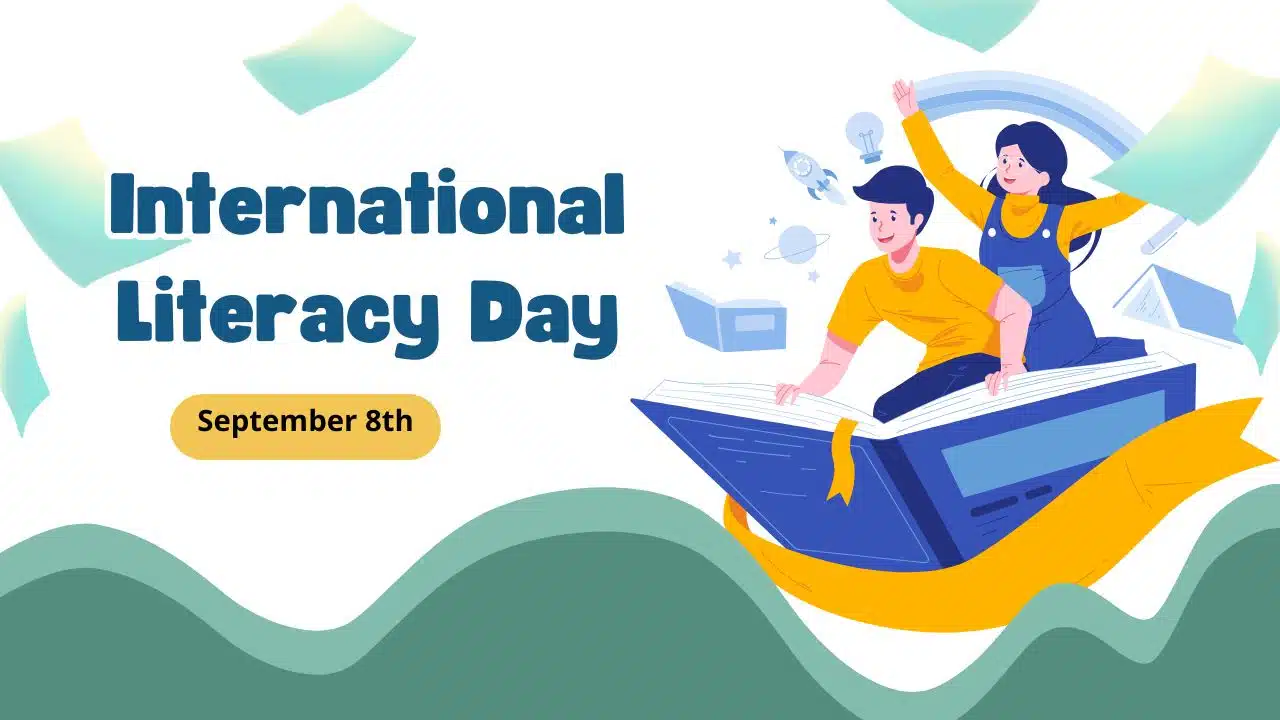
International Literacy Day 2025, celebrated on September 8th, names its theme Promoting Literacy in the Digital Era. UNESCO notes digitalization changes how people learn, work, and socialize.
Digital tools can broaden learning for marginalized groups, and they can also cause double marginalization through gaps in access and skills.
Literacy in the digital era covers the ability to access, understand, evaluate, create, communicate, and engage with digital content safely and responsibly. Privacy issues, digital surveillance, reinforced biases, ethics, passive consumption, and environmental impacts now shape policy and practice.
ILD 2025 will reflect on how to design, manage, and monitor literacy programs and policies, and it will tie critical thinking to the ability to discern credible information. These literacy skills help people read and write in digital spaces, and the day links this push to global literacy, plus past work from 2023 and 2022, including Transforming Literacy Learning Spaces.
Key Activities and Celebrations
Local and global events mark International Literacy Day and open doors to reading while fighting illiteracy. Read on to see how UNESCO and a literacy group use libraries, digital platforms, multilingual education, and adult education to reach millions, build basic literacy skills, and lift people out of poverty.
Community literacy programs
Start a community lending library to promote literacy. Todd Bol created the first Free Little Library in 2009, in Hudson, Wisconsin. Neighbors traded books like they traded pies. The model runs on an honor system: take a book, return a book.
People can access it 24/7, and there are no late fees.
Hold book drives as International Literacy Day activities on September 8 and donate titles to classrooms and community centers. Parents can ask teachers for a wish list, then buy and drop books onto class shelves.
Gifting books for birthdays, holidays, or as small gestures sparks reading. Donating books on ILD can positively impact the community. It builds basic literacy skills, and it supports adult education and world literacy goals.
Scholaroo lists scholarships and global resources; it helps learners find funding and study aids. UNESCO highlights multilingual education. It improves attendance for girls in rural areas, boosts thinking skills, and grows social cohesion.
Digital literacy workshops
Digital literacy workshops train people to access, understand, evaluate, create, communicate, and engage with digital content safely. They reach learners at local levels who face double marginalization, those without the ability to read and write, and those without digital access.
In 2024, about 739 million youth and adults still lack basic literacy skills; 40% of children do not reach minimum reading proficiency, and 272 million children and adolescents remained out of school in 2023.
Workshops teach privacy settings, use of online tools, ways to spot reinforced biases, fact-checking, critical thinking, and how to avoid passive consumption. They help people cut through the noise.
UNESCO, the United Nations, and groups like the World Literacy Foundation run programs on September 8 for International Literacy Day, linking literacy to human rights, culture, social equality, rule of law, and peace.
Role of UNESCO in Promoting Literacy in 2025
UNESCO organizes International Literacy Day events every September 8. The United Nations Educational, Scientific and Cultural Organization declared that date in 1966. Audrey Azoulay, Director-General of UNESCO, stresses multilingual education.
She says it helps communication and cultural understanding. UNESCO launched the Data for Action project on April 3, 2025, to map literacy rates and guide programs. It shares statistics, research, and tools, and it awards literacy prizes to spotlight work around the world.
Education policy links to the Incheon Declaration from the World Education Forum, adopted in 2015. It marked the 1990 International Literacy Year in Jomtien, Thailand, as a turning point for adult learning.
UNESCO also highlights the 2019 theme, Literacy and Multilingualism, to promote mutual understanding and peace. Programs tie literacy to health messages, even topics like tuberculosis, to fight extreme poverty and boost public health.
Readers gain knowledge, greater freedoms, and skills for global citizenship, and societies grow in justice, toleration, and solidarity.
Takeaways
September 8th invites the world to mark literacy, to act, and to cheer small wins. The 2025 theme, Promoting Literacy in the Digital Era, focuses on online searching, coding basics, and media literacy.
Communities use learning platforms, mobile apps, open educational resources, and mother tongue lessons, a real game changer for village schools. A global summit at UNESCO Headquarters in Paris will host the Literacy Prizes and will showcase the Data for Action project.
This day frames literacy as a fundamental human right; it opens doors to group cohesiveness, cross-cultural communication, and a more sustainable society.
FAQs on International Literacy Day 2025
1. What is International Literacy Day, and when do we mark it?
International Literacy Day is an international day that highlights the importance of literacy. UNESCO established the day in 1967, and the day has been held since 1967. We mark it on September 8 every year as International Literacy Day.
2. Why does literacy matter to people and to society?
Literacy means the ability to read or write and to have minimum literacy skills. It builds proficiency in reading, and it helps people learn to read and write. Literacy is also a fundamental human right. It breaks the cycle of poverty, it aids communication, and it helps lasting peace and a sustainable society.
3. Who joins the celebrations of International Literacy Day?
The international community, schools, local groups, and the United Nations join in. The United States and other nations run programs and events. Groups plan activities for awareness and concern for literacy and for promoting multilingual education and cross-cultural communication.
4. What does the data say about global literacy?
One in five adults are still not literate. Two-thirds of those illiterate live in poor communities. Millions of adults remain unable to read or unable to write. These facts show concern for literacy issues and fuel concern for literacy problems worldwide.
5. How can I take part on September 8, or any literacy day?
Join a local program, volunteer to teach someone to read, or share books for independent reading. Use social media with literacy day tags, host a read-aloud, or raise funds for schools. Small actions help group cohesiveness, fight discrimination, and support learning in language and life.
6. What does UNESCO do for literacy, and are there prizes?
UNESCO’s work drives the United Nations Literacy Decade and many campaigns. UNESCO established awards, called Literacy Day and literacy prizes, to honor good programs. These prizes push literacy for mutual understanding, and they link literacy to sustainability and planet health.