Picking a content management system can feel like finding a needle in a haystack. You need easy website builders, built-in SEO tools, and automated marketing features all in one spot.
By 2025, ten AI-powered CMS platforms will lead the U.S. market, from HubSpot CMS Hub to Drupal. This list will explore tools like generative AI, machine learning, and google analytics for content personalization and metadata automation.
We will break down pricing, ease of use, and built-in marketing tools. You will spot the best fit for your site. Read on.
Key Takeaways
- By 2025, ten AI-powered CMS platforms—HubSpot CMS Hub, Adobe Experience Manager, Contentful, Shopify, Wix, Drupal, Kontent.ai, Bloomreach, Sitecore, and dotCMS—will lead the U.S. market. They use generative AI, machine learning, and Google Analytics to personalize content and automate metadata.
- HubSpot CMS Hub taps CRM data and predictive analytics to run A/B tests, tweak meta tags, and power live chat bots. This boosts user session times, click rates, and conversions.
- Contentful and Kontent.ai follow API-first, headless CMS models. They link with REST or GraphQL, use GPT-4 and DeepL for auto-tagging and translation, and speed up content scaling.
- Shopify, Wix ADI, and Bloomreach drive e-commerce sites with AI. They scan buyer habits, power recommendation engines, and aid SEO with natural language processing.
- Drupal, Sitecore, and dotCMS serve large, multi-site networks. They apply AI caching, load balancing, security scans, and automate omnichannel content delivery with CRM integrations.
HubSpot CMS Hub Features
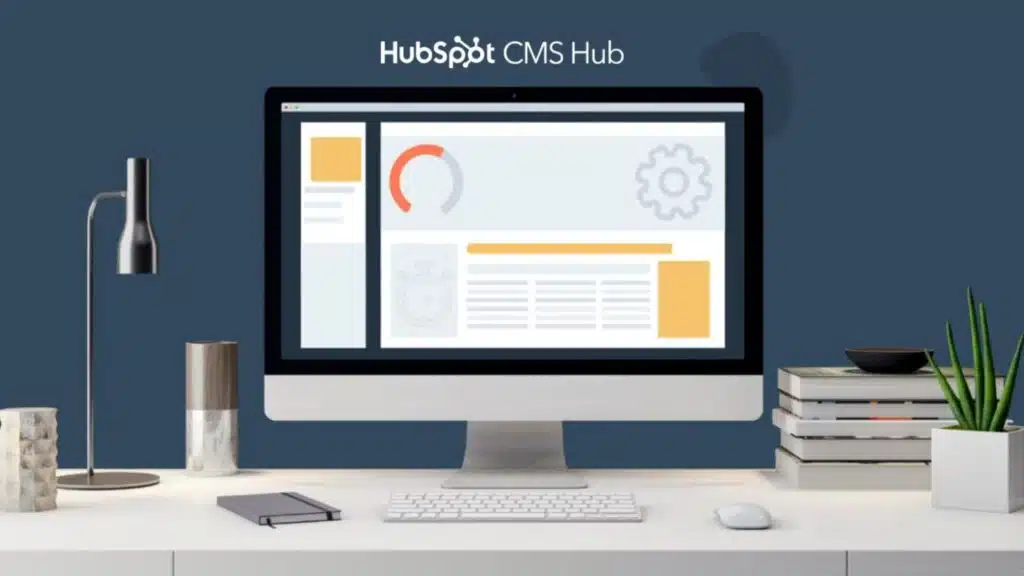
HubSpot CMS Hub wields AI like a savvy editor in your corner, shaping pages to each visitor with CRM data, content personalization, and predictive analytics. Its marketing automation and an analytics platform work hand in hand, so you can run A/B tests, tweak meta tags, and spot trends at a glance.
How does AI-driven personalization improve user experience?
Users see pages that match their past choices and stage in the buying process. The HubSpot CMS uses AI analytics and predictive analytics to track clicks, form fills, and time on page.
Built-in SEO and analytics tools feed the engine with search terms and page hits. Teams pull CRM integration data for custom funnel reports. Those reports help create HTML layouts and CSS styles that speak to each lead.
Live chat bots greet visitors in real time, answer basic questions, and suggest next steps. Chat scripts adapt to past comments, so the tone stays friendly. AI-powered recommendation engines suggest blog posts, ebooks, or product pages based on past behavior.
This content personalization works across email, social media, and website builders in digital marketing campaigns. It boosts session times, click rates, and conversion growth.
What marketing tools are integrated for better content strategies?
HubSpot CMS acts like a Swiss Army knife for marketers. It brings marketing automation and customer relationship management integration into one spot. Analytics dashboards pair HubSpot stats with Google Analytics data for clear performance views.
Search engine optimization tools boost search rankings and content personalization. Teams can stage posts and set publishing schedules, so no deadline catches you off guard.
Compared to other cms platforms, HubSpot CMS ties key marketing tools like electronic mail campaigns to contact management, so you send targeted campaigns with ease. AI-driven lead scoring ranks prospects by engagement signals.
Segmentation tools sort contacts by behavior, interests and firmographics. Content teams see which blog topics spark conversions. Sales reps receive clean handoffs from HubSpot customer relationship management, keeping deals moving quickly.
Adobe Experience Manager Features
Adobe Experience Manager uses smart algorithms to turn raw data into clear reports, so teams catch trends fast. It sends content to web, app, and email channels on autopilot via its API-only CMS and online servers.
How does AI analytics enhance content insights?
The enterprise content management system uses artificial intelligence in predictive analytics on a cloud platform. It tracks site traffic, post traffic, bounce rates, and demographics.
AI software generates automated reports and analytics dashboards. They reveal eye-tracking heatmaps and user journey maps.
Learning algorithms identify top content and offer optimization tips. AI-driven content curation powers smart editing ideas. Content teams get clear pointers to boost engagement and content personalization.
This pipeline speeds up content distribution and ties into workflow automation.
How is content delivery automated across channels?
The cms platform Adobe Experience Manager delivers posts to web, mobile, and social feeds. AI schedules and publishes content by watching real time clicks and shares. It runs versioning across three channels in one workflow.
Asset management tags, locks, and syncs media for blogs, ads, and emails.
Users get auto translations for global audiences with AI tools. Backup, migration, and staging features test updates before go live. That workflow automation boosts lean teams, cuts manual steps.
Web analytics feed data back to CRM for smarter marketing automation. Content distribution stays sharp, fast, and error free.
Contentful Features
Contentful runs on a cloud hub that uses natural language analysis to draft and tag posts in seconds. It links your content feed with AI-driven content curation and workflow automation for smooth scaling.
What benefits does the API-first AI-powered approach offer?
Developers build custom content experiences with an API-first design. It lets them mix and match modules via REST API or GraphQL. Many modern cms platforms embrace this api-first setup.
The headless cms model pushes posts to web, mobile, or IoT screens. You get fast dev cycles and agile updates. AI APIs add automated tagging, so content finds its audience, and the system keeps things organized.
Integrations with CRM systems and Google Drive can automate workflows, trimming manual work.
Traffic spikes do not slow this setup. Teams plug in personalization engines powered by large language models or natural language processing. They adjust user experiences on the fly.
Future updates drop in without a rebuild, so brands stay fresh. Marketers use marketing tools, link to Google Analytics via APIs, and tweak campaigns in real time.
How does AI assist in content creation and management?
Contentful’s API first AI powered approach boosts content creation. It offers smart recommendations for text, and AI driven content curation for media. Editors get SEO tips and readability fixes.
AI tags and organizes assets in the media library. It automates scheduling and staging across channels. This headless cms speeds up updates.
AI driven translation tools handle multiple languages with ease. Real time collaboration improves with AI workflow automation for teams. Analytics track reader clicks, time on page, and shares.
Editors use these insights to refine content personalization. This content management system feels like a virtual assistant for marketers.
How does Shopify use AI for e-commerce?
Shopify taps AI tech to scan buyer habits, then fuels a recommendation tool that nudges carts toward checkout. It runs data analysis on sales figures, feeds insights into automation flows, and keeps your store humming like clockwork.
How do AI tools personalize product recommendations?
On Shopify’s platform, AI tools analyze customer browsing and purchase data to find shopper patterns. They fuel content personalization in e-commerce cms for online stores, like a personal shopper in your pocket.
A product recommendation engine lives in Shopify’s app ecosystem. It adapts picks based on real-time user behavior. This model refines its choices as users click and buy.
Merchants can use AI-driven email and retargeting campaigns to nudge buyers. AI-driven upsell and cross-sell features increase average order value. They segment customers for targeted promotions and offers.
What e-commerce integrations does Shopify offer?
Shopify connects your online store to over 8,000 customization apps. You can tap into AI-driven marketing tools and analytics apps to grow sales. The platform links Stripe and PayPal payment gateways with ease.
It also ties UPS and FedEx shipping providers directly into checkout. Shopify adds inventory management, Salesforce CRM integration, and Square point-of-sale tools.
Merchants get AI-powered fraud detection to keep transactions safe. They access automated sales funnel reporting and analytics. Omnichannel sales sync stores on web, social media, and major marketplaces.
How does Wix use AI in website creation?

Wix ADI taps machine learning to craft layouts in minutes using your logo and photos. Its SEO tools guide you on titles and alt text, then it sends performance data to Google Analytics.
How do AI-powered design tools simplify website building?
AI-powered design tools steer you through theme and layout selection in minutes. They learn your style and auto-suggest templates that match your goals. You drag and place blocks with smart tips for colors, fonts, and content spots.
The assistant uses machine learning in content management systems to boost speed and cut manual work.
AI also handles image size, compression, and alt-text tagging to help seo tools. It powers drag-and-drop builders in website builders and a beginner-friendly cms. You launch a shop or blog without any programming skills.
Predictive analytics and neural networks keep suggestions fresh and on point.
How does Wix use AI for SEO optimization?
Wix scans each page and post with AI using natural language processing to spot missing keywords and weak tags. The platform then suggests tweaks for better rankings. A simple SEO checklist offers a score for each to-do item.
SEO settings sit inside the editor so you never have to jump between tabs. AI also crafts meta tags, alt text and structured data in a snap.
AI wears a detective hat as it tracks search metrics and flags dips in traffic. It taps an analytics tool and seo tools to chart your scores and drop tips for new keyword ideas. This clever tool feels like a road map to search success, saving time for busy site owners.
You can tweak settings on the fly and watch your numbers climb with each update.
How does Drupal leverage AI for enterprise solutions?
Drupal shifts into high gear, using machine learning and predictive analytics to power enterprise sites. It hooks into a container orchestrator and an API query layer, so teams dodge downtime and roll out content in record time.
How does AI enhance Drupal’s scalability?
This enterprise CMS automates content deployment across large, multi-site networks. It uses AI-powered caching and load balancing to handle traffic spikes. These features help high-traffic sites stay online and fast.
Analytics driven by AI guide server optimization and resource allocation. The modular design lets teams add AI modules without downtime.
Automated translation and localization via AI modules open new markets. Scalable API integrations connect to headless CMS setups and CRM tools. Real-time monitoring spots issues, and AI reconfigures servers instantly.
Visitors get instant content, and editors face fewer delays.
What AI-driven security features does Drupal provide?
Drupal content management system uses AI security modules to spot anomalies and threats in real time, boosting website security. Automated vulnerability scanning, powered by AI, pins down weak spots instantly.
AI tools track user actions and flag odd behavior for review.
Machine learning models block spam and brute-force attacks before they start. AI bots enforce HIPAA and SOC 2 standards to keep sites compliant. Automated backup and recovery guard data from loss or corruption.
Kontent. ai Features
Kontent.ai taps AWS to power its headless CMS, and teams sync content tasks fast with Zapier. It mixes DeepL auto-translation and GPT-4 checks to deliver spot-on, local-ready copy.
How do AI-driven workflows improve content collaboration?
Smart ai-driven workflows act like a referee, assign tasks, speed approvals, and free your team from manual coordination. Editors add comments in real time inside popular cms platforms.
AI-powered notifications ping marketers, writers, and designers on release status. Automated version control protects each draft against accidental overwrites. It links with task boards and issue trackers so every change appears instantly.
AI tracks progress, flags looming deadlines, and suggests steps to speed up content delivery. Pattern analysis inside your headless cms highlights bottlenecks and offers fixes. Marketing automation and workflow automation unite to power content personalization across channels.
Teams talk in the same interface, thanks to built-in messaging and feedback tools. This smooths collaboration, cuts delays, and boosts user engagement.
How is multilingual content managed with AI?
AI-driven translation tools auto-localize blogs, product pages, and emails. These tools use natural language processing and multilingual support, to spot tongues in real time and swap text on the fly.
They suggest local terms, market slang, or jargon to match each culture. Automated content adaptation keeps every line culturally relevant.
AI monitors each version’s performance like a coach reviewing game tape. Metrics flow back for constant tweaks through workflow automation. A headless CMS integration pushes updates across global publishing channels in seconds.
Editors lean on AI for grunt work, while they push creative boundaries.
Bloomreach Features
Bloomreach fuses natural language processing with AI personalization, tailoring each page as shoppers browse. It taps predictive analytics and a search and merchandising API to sharpen product discovery on your online storefront.
How does AI personalization boost customer engagement?
AI software tracks how users click and scroll on a site to power content personalization. It sorts visitors into dynamic segments to send precise messages to each person. A CRM integration merges past orders with browsing signals.
That data feeds into Google Analytics, which measures click rates and session times. Shoppers then see offers that fit their current mood, which lifts conversion and retention.
Machine learning scans past buys, then foresees the next move for each user. It tweaks page layouts in real time, matching new interests on the fly. Integrated analytics show which links draw the most eyes and clicks.
Brands then fine-tune headlines or images in seconds. This smart setup keeps shoppers hooked, much like a barista who remembers your coffee order.
What AI-powered search and merchandising features are available?
Search runs on natural language processing, so it reads what customers type like a human. It pops up autocomplete suggestions in real time. Search analytics log top queries and fill content gaps.
This data feeds marketing automation and SEO tools.
Merchandising uses predictive analytics to shuffle products by demand on your e-commerce CMS. It ranks items with AI algorithms for sharp content personalization. It spots fast movers, and then it shifts categories for peak visibility.
Automated product suggestions keep shoppers on track and raise average order size.
Sitecore Features
Sitecore shapes real-time user data into custom messages, with its data platform and AI engine that learns on the fly. It taps a content delivery network for instant loads, and its marketing automation syncs with your CRM for smooth campaigns.
How does AI enable real-time customer data use and content delivery?
AI collects customer data from clicks, scrolls, and form entries. It slices data like a pro chef, using predictive analytics to fine tune content personalization. Machine learning models refine lists based on what each user does.
These models power adaptive segmentation that shifts content to match user tastes.
Automated triggers prompt emails, push notifications, or in app greetings at the perfect moment. Smart engines pick each channel with crm integration and marketing automation links.
Developers plug them into headless cms for easy scaling. This workflow automation cuts delays, sending offers that feel one to one. Data insights feed constant tweaks, boosting message impact over time.
How does machine learning support personalization at scale?
Machine learning analyzes large datasets fast. TensorFlow models spot patterns in site visits. Scikit-Learn pipelines update personalization rules from user clicks. Recommendation engines push articles and product suggestions at scale.
Each offer adapts with real feedback.
Scalable cms platforms like Sitecore and Contentful handle millions of interactions. AWS Lambda and Azure Functions run tasks on demand. Predictive analytics guide content personalization in real time.
Google Analytics feeds drive marketing automation across emails and web pages. Data-driven insights inform strategic content planning and delivery.
dotCMS Features
dotCMS drives omnichannel distribution, so teams can publish to web, mobile, and social feeds at once. It also blends conversational agents and task flow automation with CRM integration to speed up content work across languages.
How do AI tools support omnichannel content delivery?
AI adapts text, images, and layouts for websites, apps, and social feeds. It feeds each channel the right format, so you avoid manual tweaks. Smart pipelines sync changes in real time.
Automated translation tools convert content into multiple languages. You can engage a global audience fast.
A headless CMS links every asset, from blog posts to product photos. AI-driven workflows tag and store images, so you find them in seconds. They feed a predictive analytics tool with channel-specific data.
The system runs A/B tests and tracks metrics in a web analytics service. Smart insights guide your content personalization and SEO moves. CRM integration adds customer data to each touchpoint.
What flexible AI integrations does dotCMS offer?
dotCMS offers API-first architecture. Developers use REST and GraphQL connectors. Teams link external AI services. They add AWS SageMaker, Google Cloud AI, and a language API. Projects pull in NLP models and image analysis.
These plug-and-play modules speed marketing automation, workflow automation, and content personalization. The headless cms design handles omnichannel distribution.
This platform also supports CRM integration. Teams sync Salesforce or Microsoft Dynamics with a few clicks. Users add e-commerce cms features by linking Shopify or Magento. The open structure wires up custom chatbots and analytics platforms.
Security modules guard content and user data.
Takeaways
This list of tools shines a light on AI in content sites. It shows a mix of headless CMS and page builders. Each uses AI and data predictions. You saw how HubSpot pairs marketing tools with Google Analytics.
You learned of an e-commerce platform that makes selling easy. You heard of an open source system that scales fast. Pick a solution that fits your needs. Then you will see work run smooth as an oiled wheel.
FAQs
1. What makes HubSpot CMS a top choice for 2025?
HubSpot CMS works like a Swiss Army knife, it packs crm integration, marketing tools, and marketing automation into one. It helps you set up subscriptions too. It offers ai-driven content curation and content personalization. It links to google analytics, it keeps your site safe.
2. How does natural language processing improve content?
Natural language processing, or NLP, reads your words, then picks the best ones. It helps with ai-driven content curation and content distribution. It boosts seo tools, it spots tone. It makes your blog or online store chat smoother.
3. Why choose a headless CMS for your site?
A headless CMS frees web developers to use any website design. It splits the back end from the front end. It speeds up page loads, it fuels multilingual support. It works for a blogging platform or an e-commerce CMS. It fits workflow automation and crm integration.
4. How can WordPress.com and WordPress.org help small teams?
WordPress.com is a beginner-friendly CMS, it gets you online fast. WordPress.org gives you more power, with wordpress plugins and wordpress themes for every need. Both come with seo (search engine optimization) tools, website security, and marketing automation.
5. Do AI-powered CMS platforms boost SEO and analytics?
They do, they pack strong seo tools and predictive analytics. They feed clean data to google analytics, they track search engine ranking, they cut through misinformation. They help you fine-tune content for more clicks.
6. Can these CMS platforms support an online store?
Yes, they do. They act as an e-commerce CMS, they take apple pay, hold subscriptions, track credit, and guard information security. They link with crm integration, they power online shop functions. They even aid web accessibility.