You probably spend hours chasing data in spreadsheets and phone calls. North America leads the real estate tech market with big names like Oracle and RealPage driving growth. We explain how AI chatbots, virtual tours, blockchain smart contracts, and smart home gadgets can cut costs and speed deals.
Keep reading.
Key Takeaways
- AI predictive analytics taps public listings, IoT sensors, and mortgage records via APIs from Oracle, Microsoft, and RealPage to forecast a 3% US market growth in 2025.
- AI chatbots on websites and smartphones cut response times by 80% (2024 report) and link to CRM and IoT devices to guide buyers and support energy-efficient features.
- Virtual tours use 3D scans from Matterport and headsets like Quest Pro and Hololens 2 to host live showings across North America in 2025, letting buyers walk properties and swap finishes in real time.
- Smart contracts on the Ethereum blockchain automate escrow, title transfers, and payments, cut middlemen fees, and reduce errors for faster, more transparent deals.
- IoT sensors and smart thermostats from Microsoft and RealPage feed live data into remote dashboards, trim energy use by up to 30%, and cut repair bills by 15% through predictive maintenance.
Artificial Intelligence in Real Estate
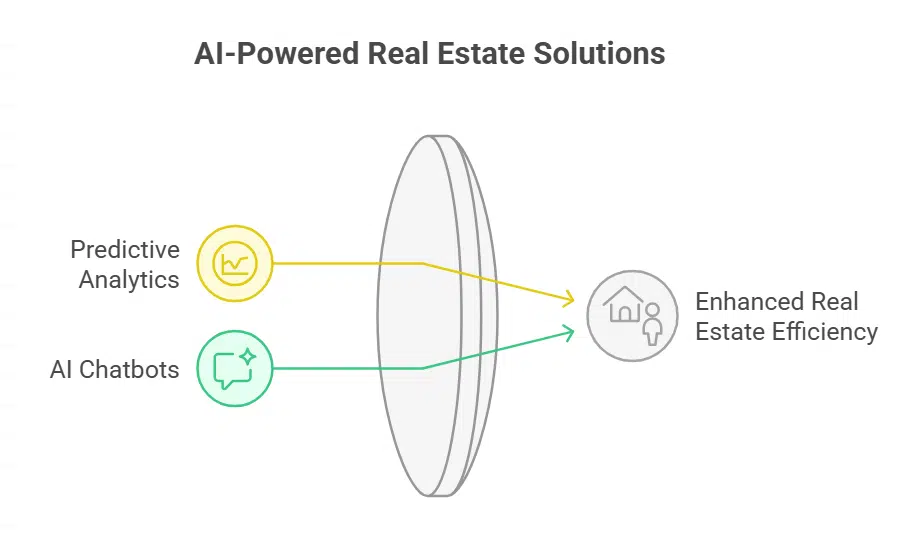
Predictive analytics software sifts through vast datasets, forecasting market trends that can boost property investments. AI-driven chatbots reply to inquiries any hour, freeing agents to build stronger client bonds and sneak in a coffee break.
Predictive analytics for market trends
Data from public property listings, IoT sensors, and mortgage records feed machine learning models. These models spot shifts in average sales price, rent growth, and vacancy rates.
Oracle, Microsoft, and RealPage offer real estate APIs that let developers pull big data. The National Association of Realtors uses these tools to forecast the US market, showing a 3% growth rate in 2025.
North America leads the PropTech scene, thanks to top tech firms and a rich data pool. PropTech aims to make transactions fast, clear, and user friendly.
Developers tap predictive analytics software to set dynamic pricing, reduce risk, and plan new projects. They link AI engines to CRM platforms for smart alerts on investment properties.
Smart homes add new data streams, as thermostats and smart meters share usage patterns. This synergy between PropTech and developers helps build a digital, transparent ecosystem. It drives the real estate technology market toward steady expansion.
AI-powered chatbots for customer interactions
PropTech aims to make real estate transactions more efficient, and bots embody that goal. Developers equip websites and smartphones with artificial intelligence (ai) chatbots. These assistants tap into real estate APIs and crm software, guiding prospects swiftly.
A 2024 report shows a drop in response time by 80 percent at North American firms. Chatbots run on machine learning algorithms and predictive analytics. Agents connect bots to Internet of Things (IoT) devices and smart thermostats.
This setup boosts customer engagement and supports energy-efficient property functions.
An AI virtual agent handles FAQs about virtual tours and pricing strategies. It learns from big data and updates listings in real time. Customers chat on mobile or desktop and get instant market trends.
The tool logs interactions in property management software for deeper customer relationships. Developers benefit from streamlined workflows and faster deals. This shift shapes a transparent, digital ecosystem in commercial real estate by 2025.
Virtual and Augmented Reality
Slip on a Quest Pro headset, and walk through a condo that exists only in a Matterport scan. Fire up ARKit on your tablet, pin digital blueprints on the soil, while Hololens 2 sprinkles design notes in midair.
Virtual property tours
Virtual tours let buyers roam homes from any screen. They cut travel time and boost transparency.
- 3D imaging software scans every room, and creates accurate floor plans.
- VR headsets plug into cloud platforms so developers and agents host live showings across North America in 2025, creating a digital transparent ecosystem.
- Digital twins feed big data tools, and deliver predictive analytics on buyer behaviors, showing how PropTech drives real estate innovation.
- Augmented reality overlays let viewers swap finishes and try new layouts in real time.
- Secure APIs link tours to real estate CRM systems from Oracle and RealPage.
- Tour logs track viewer heat maps, which appraisers and investors use for property valuations.
- IoT sensors sync with cameras, and show real time temperature and energy efficiency, aiding green building goals.
- Artificial intelligence chatbots guide users through the tour, and answer questions about price and upgrades.
Augmented planning and design visualization
Augmented reality lets teams spot design flaws fast and share clear visuals on the job. It cuts waste, boosts transparency, and drives digital transformation.
- Developers import 3D models from building information modeling software into an AR platform, so they view layouts in real space.
- Construction teams wear mixed reality headsets on site, so they overlay plumbing and wiring on empty floors.
- Investors approve floor plans with AR overlays on vacant land, which speeds up deals and drives buyer satisfaction.
- Designers tweak facades in real time using 3D rendering engines and virtual reality headsets to see lighting, materials, and shadows.
- Clients step inside full-scale digital twins in a VR room, which helps them grasp flow, scale, and finish choices.
- Teams link building plans with energy consumption data from IoT devices, which reveals inefficiencies before walls go up.
- North America leads AR tool growth, as Microsoft and other real estate technology giants push mixed reality headsets into development sites.
- Oracle and RealPage integrate AR with real estate CRM software, which ties client notes to 3D plans for smooth workflows.
- Project managers overlay sensor feeds from internet of things devices on walls, which shows temperature, humidity, and maintenance alerts in real time.
Blockchain Technology
Imagine a digital log that records each land deal, no middleman sneaks in fees, and every entry sits on Ethereum, or a blockchain framework. Smart contracts pop up, coded in a contract language, they self‐execute, so you can close a sale while sipping coffee.
Secure and transparent property transactions
Chain networks hold each real estate transaction on a distributed ledger. North America leads this shift, with Microsoft, Oracle, and RealPage driving most setups. Real estate APIs link developer platforms to ledgers in 2025.
This connection cuts middlemen and slashes fraud. Property technology tools make every deal clear to buyers and real estate investors.
Smart contracts automate escrow, title transfers, and payment release. The code fires when conditions finish, so agents avoid errors. IoT sensors and building management systems feed data into this web.
Property technology teams see value in audit trails, data analytics, and appraisal records stored on-chain. Developers and PropTech teams form a digital, transparent ecosystem.
Smart contracts for faster deals
Smart contracts run on a blockchain ledger. They speed up real estate transactions and cut down on paperwork in 2025. PropTech tools like real estate APIs link escrow, title, and mortgage data in one digital platform.
Microsoft, Oracle and RealPage back many such pilots in North America.
Developers gain more transparency and real-time settlement. Builders and estate agents can reduce errors, save days, even weeks. The code locks in conditions and triggers funds release automatically.
This approach makes property technology more user-friendly, and it fuels the digital transformation in commercial real estate and residential real estate markets.
Internet of Things (IoT) and Smart Homes
Developers use edge computing and smart thermostats to spot issues before tenants call. They tap voice assistants and remote dashboards to track energy use in real time.
Remote property management
Property technology powers network sensors and real estate APIs that landlords use to run properties from afar. Dashboards show live data on access, water pressure, and power draw.
Alerts pop up when pipes leak or HVAC shutters age. Agents schedule predictive maintenance before a breakdown occurs. This cuts repair bills by about 15% and keeps tenants happy.
Intelligent temperature controls and occupancy lights trim energy use by up to 30%. North America leads this trend with firms like Microsoft, Oracle, and RealPage driving the market.
Many platforms keep workflows transparent and user-friendly for agents and tenants alike. Their interfaces link building sensors to real estate crm software. Owners juggle dozens of homes from a single app screen, and they do so without setting foot inside.
Energy-efficient smart devices
Smart thermostats, lighting controls and predictive maintenance sensors use internet of things APIs to adjust temperature, cut waste and boost energy efficiency in smart buildings.
Microsoft, Oracle and RealPage lead North America’s real estate technology market, as developers adopt these PropTech solutions to make property management more efficient, transparent and user friendly in 2025.
Big Data and Predictive Analytics
Big data tools like Spark and Power BI dashboards slice through market noise, spotting market trends before they hit the front page. ML models and pattern recognition help developers lock in deals while rivals still sniff around.
Market insights and forecasting
Analysts use real estate APIs to tie sales, census and rental records into a single pool. They spot real estate market trends and guide property valuation. They feed IoT and CRM signals into predictive analytics to track shifting demands in commercial real estate.
Tech giants like Microsoft, Oracle and RealPage power those connections. North America drives much of that growth. Developers deploy these tools to plan smarter projects in 2025.
Forecasting models tap pattern recognition, AI and big data to flag price swings ahead of time. They layer weather and occupancy data for predictive maintenance in smart buildings.
Live dashboards show energy use, tenant satisfaction and ESG scores. Those insights help teams cut costs, speed reviews and drive customer-centric deals.
Personalized property recommendations
Predictive analytics sift through big data to spot real estate market trends. Software parses past sales, local demographics, and traffic figures to build buyer profiles. Real estate CRM tools feed these insights into PropTech dashboards.
RealPage and Oracle APIs link to property technology platforms for live recommendations. North America leads PropTech growth, with Microsoft driving new tools in 2025.
AI chatbots on real estate platforms refine each profile with custom questions. They track budgets, commute times, and school scores for every client. Platform APIs deliver matching listings in seconds, using market trends and valuation models.
Developers tap this data to suggest homes that fit unique buyer needs. Collaboration between developers and PropTech teams makes the market more digital and transparent.
End-to-End Digital Platforms

An end-to-end digital platform links your customer database, project dashboard, and finance modules on one cloud network, acting like a digital spine that keeps every step in sync and cuts out data silos.
It taps into predictive analytics and smart workflows, so developers see live insights, elevate tenant satisfaction, and close deals in record time, no sweat.
Streamlined workflows for developers
Developers move faster on cloud-based digital platforms that integrate real estate crm software, data visualization dashboards, and PropTech modules to foster synergy. Cloud teams spin up Docker container images on the fly and scale via Kubernetes cluster in minutes, cutting time.
Teams query market trends and property valuation via GraphQL endpoint and REST interface tied to big data sources.
PropTech solutions with real estate APIs enable you to automate tenant satisfaction workflows, trigger smart contract modules for commercial real estate deals, and manage property data without friction.
Microsoft and RealPage drove this trend in North America in 2024, and it boosts energy efficiency while cutting errors.
Simplified buyer and seller interactions
PropTech platforms streamline real estate transactions between buyers and sellers. They use APIs to sync listing data in real time. Firms like RealPage and Oracle power many platforms in North America.
Smart contracts on the Ethereum network handle deposits and close deals within days. This transparency boosts customer experience and cuts delays.
Chatbots and digital signature tools cut phone tag and paperwork. An AI chatbot answers basic questions on a real estate platform in seconds. DocuSign ties into the real estate CRM software to collect e-signatures in minutes.
This synergy between PropTech and CRM software helps sales teams focus on high-value talks.
Drones in Real Estate
A camera drone lifts your listing into the sky, revealing every rooftop ridge and hidden crack with photogrammetry. Pair that with a drone mapping platform and thermal imaging, and you’ll snag high-res shots that nail buyer interest in a snap.
Aerial property surveys
Drones change the way we survey land in 2025. They give developers real time data to boost efficiency and transparency.
- Drones capture high-resolution images in minutes, trimming survey time by up to 70 percent and pushing digital transformation
- Survey-grade LiDAR sensors link with GIS software and real estate APIs from Microsoft and Oracle, building precise 3D maps
- Cloud-based platforms feed aerial data into predictive analytics engines to model market trends in commercial real estate
- Real time imagery syncs with PropTech CRM software, giving agents instant property valuation and buyer insights
- Green tech teams use drone scans to track energy efficiency and carbon footprints, supporting sustainable practices under ESG goals
Marketing with high-quality visuals
Unmanned aerial vehicles capture crisp, high resolution images of rooftops, yards, and smart thermostats. Agents upload this media into real estate platform APIs, such as the RealPage interface, to streamline listing creation.
North American developers use these visuals to fuel virtual tours and immersive augmented reality experiences. Crisp media boosts buyer interest and speeds up real estate transactions.
Developers pair aerial visuals with predictive analytics platforms to spot market trends and refine pricing. This tactic taps big data insights and highlights energy efficiency features, drawing eco-conscious buyers.
Oracle and Microsoft tools help embed high resolution imagery into property technology dashboards. Firms see listing views climb by up to 35 percent within days.
Green Technology and Sustainability Tools
Solar panels and smart meters feed on sunlight and data, like a plant, to cut energy waste. Explore building energy management platforms and carbon trackers to see how they trim bills and emissions.
Energy-efficient building designs
Developers fit buildings with IoT sensors and smart thermostats. These tools adjust temperature and lighting to lower energy use. Smart thermostats link to building management APIs.
Real estate APIs power real-time data feeds. Property managers spot spikes in consumption and act fast. North America leads PropTech adoption, where Microsoft, Oracle, and RealPage set the pace.
PropTech tools make property management more efficient and transparent. They use information technology to monitor usage and control systems. Teams track energy consumption, reach environmental, social, and governance goals, and cut carbon footprints.
Developers and tech firms join forces to craft digital, transparent ecosystems. Energy-efficient building designs use data to drive savings, reduce waste, and boost tenant satisfaction.
Real estate technology shapes a greener future in 2025.
Tools for tracking carbon footprints
Energy Star Portfolio Manager tracks CO2 output for each property. This app reads data from smart thermostats, meters, and automated building controls. Dashboards display ESG ratings in real time.
Microsoft and RealPage APIs feed live readings into these tools.
PropTech teams deploy carbon calculators from LEED Impact to set reduction targets. These tools mix data visualization with predictive analytics to spot waste. Experts cut emissions in heating, lighting, and cooling.
Developers plug IoT sensors into property management software to log every kilowatt.
Takeaways
PropTech tools give developers speed and clarity, from AI assistants that sift through big data to virtual viewers that bring buildings to life. Smart devices adapt settings to match daily routines, lowering costs and raising comfort.
Distributed ledgers cut paperwork and speed deals with secure, coded pacts. Real estate teams use predictive analytics on market trends to pick the right projects. Online systems tie every step into one smooth flow.
Drone imaging adds aerial angles that wow buyers and highlight sites. The tech wave is gaining steam, and those who ride it will shape tomorrow’s landscapes.
FAQs on Best PropTech Tools for Real Estate Developers
1. What is property technology in the real estate industry?
Property technology, or PropTech, taps artificial intelligence (AI), mass data sets, and connected devices to do the heavy lifting. It fuels online walkthroughs, overlay graphics, and preemptive repairs. It cuts costs and speeds up real estate transactions.
2. How does trend forecasting aid property valuation and market trends?
Trend forecasting uses AI to spot shifts before they hit, like reading the tea leaves. It analyzes past sales, mass data sets, and environmental, social, and governance (ESG) metrics. It gives clear, fast insights for smart real estate investments.
3. What role do smart sensors and connected devices play in smart buildings?
Smart sensors help smart buildings track energy efficiency and tenant satisfaction. They connect with a real estate platform and support online walkthroughs and overlay graphics. They also trigger preemptive repairs before small faults cause big problems.
4. How do overlay graphics and immersive headset sessions improve residential real estate marketing?
Overlay graphics let buyers preview furniture in real homes. Immersive headset sessions let them wander hallways like ghosts, without stepping foot on site. They draw interest fast, even when the market cools.
5. How can auto-enforce agreements and client tracking tools streamline real estate transactions?
Auto-enforce agreements cut through red tape like a hot knife through butter and speed deals. Client tracking tools follow leads, manage follow-ups, and keep everyone in the loop. They free up time for software development and adaptive reuse projects.
6. How can a robust real estate platform boost real estate investments and asset oversight?
A strong real estate platform brings market trends, data visualization, and ESG tracking into one hub. It offers tools for property valuation, retail store planning, and energy efficiency. It helps developers ride out a downturn, like surfers on a choppy wave.