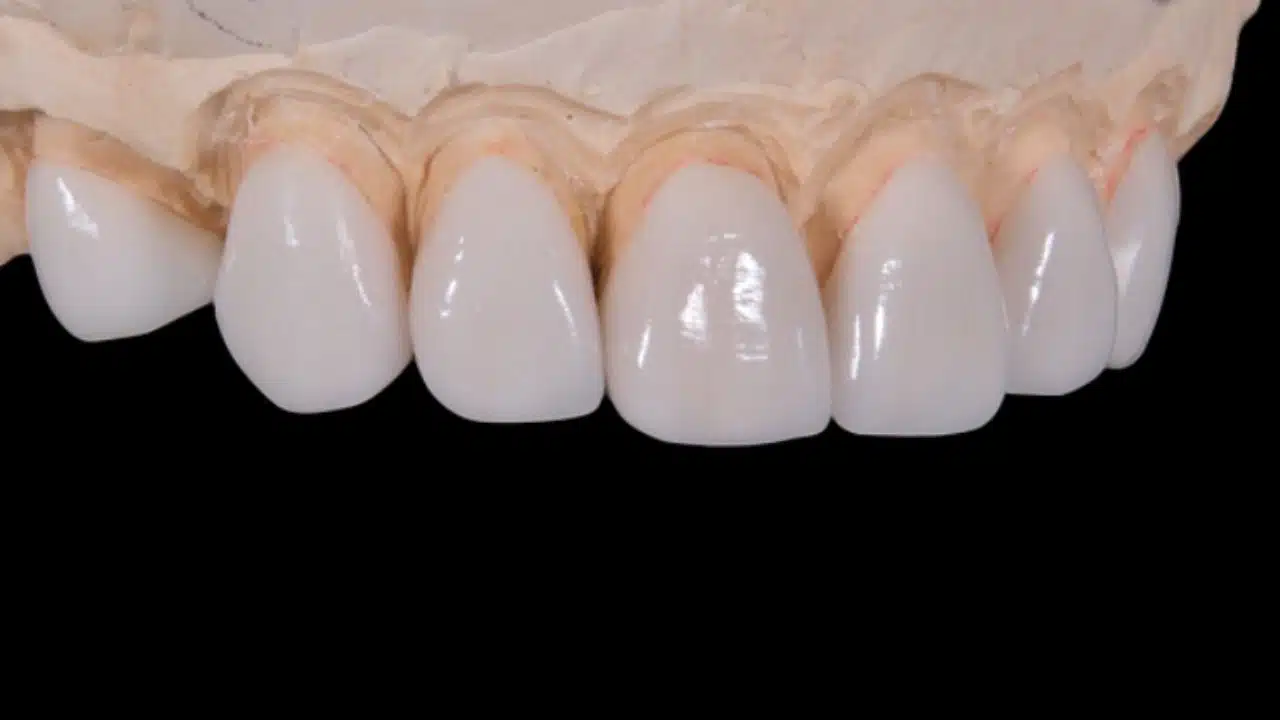
Many people refrain from open mouth smiling or showing their teeth under any circumstances. This can be reason enough to consider having cosmetic veneers placed on your teeth, especially if teeth whitening or bleaching treatment has not had the results you hoped for.
If you have broken, chipped, significantly worn, or discolored teeth, or if you feel your teeth are awkwardly positioned, pointy, or small, dental veneers are available in varied options depending on your specific needs, your budget, and the look you prefer.
You want to do your research and make sure to understand all the options before getting veneer applications. These are permanent and a substantial investment. The look of your majorly impacts your appearance and, thereby, your self-confidence.
What Are Veneers
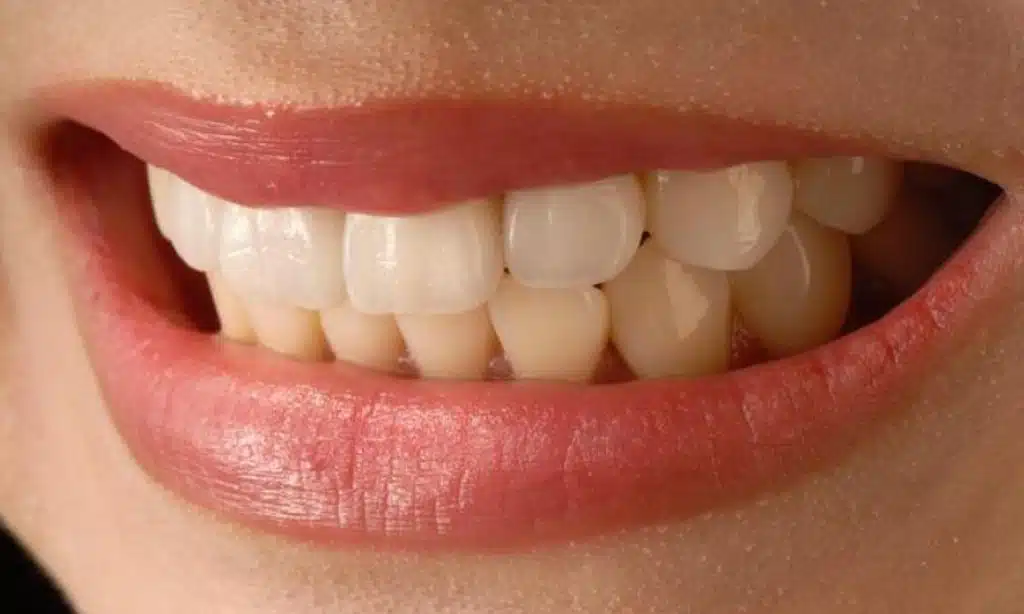
Porcelain veneers are thin, shells or covering colored to look like teeth and placed over the visible part of a tooth. These overlays are applied over the front of the teeth and look natural albeit display a marked improvement of your current smile.
The veneers are customized to match the general shape and color of your existing teeth, so they appear to be simply a better version of your own. Veneers are the ideal choice for someone without extensive damage but wants to make their natural smile ideal with a relatively non-invasive process.
How Do Veneers Work
Veneers cover each existing tooth with a wafer-thin layer of porcelain or similar composite. After removing roughly 0.5 millimeters from the tooth’s surface, the veneer is applied.
The dental provider wants to preserve the tooth’s nerve and maintain maximum strength to ensure a long lifespan for the covered teeth. This will mean little to no issue replacing the veneers if needed down the road.
You only need to cover those teeth that are problematic and possibly the neighboring teeth. Your local cosmetic dentist will recommend the number of individual veneers needed and match the color and shape for each existing tooth.
You can also choose full veneers to completely cover a tooth or partials to only cover discolored or damaged areas depending on the problems you’re experiencing. Many people choose to veneer the top or bottom front teeth or both those most visible.
What do you need to know before moving forward with porcelain veneers? Think about these factors.
Are you a good candidate
Are these a good fit for your teeth? While they work for many people, not all individuals are good candidates. As a rule, anyone looking to change their smile’s appearance could be a candidate.
These prosthetics can change the shape, color, and size of your natural teeth. As long as you have healthy gums and good bone structure, you will likely do well with veneers. They address issues such as:
- Fluorosis or antibiotic staining/other staining
- Chipping
- Bite concerns
- Old fillings and restorations
- Crowding or other space issues
- A narrow or uneven smile
A cosmetic dental provider works to fix tooth problems by performing custom porcelain veneer procedures. Visit – Porcelain Veneers Review: Prep, Benefits, Cost, Results – for one individual’s porcelain veneer experience.
Times veneers may not work
A few situations can lead to porcelain veneers not working out. You may need other dental work before having the prosthetics applied. When teeth are severely worn from grinding, it’s challenging to adhere veneer to the tooth’s surface.
Also, if there are large gaps some orthodontic work may need to be done to move teeth to remove these gaps before the cosmetic dentist can perform the application. If there’s a large gap where the veneer is placed, it will remain.
In situations where the teeth are overly crowded or the jaw is incredibly small leading to misaligned teeth, an orthodontist would, again, need to make room for proper placement.
The process
Once you’re deemed a good candidate, the process can be performed relatively quickly. Your mouth will be evaluated to see if other dental work needs to be performed. This should be handled before the veneers are applied
Once you’re ready to have the application, a very thin layer of enamel is removed from each tooth less than fingernail thickness. The dentist will take impressions to create a mold so permanent veneers can be made.
The teeth are fitted with temporary restoration, enabling you to consider the look and feel, color and shape before the permanent application.
The temporary restoration is removed on the next visit allowing a bonding glue to be put on the teeth and the permanent veneer to be applied. Many patients choose to have local anesthesia for these visits. Read here to learn about porcelain veneers.
Recovery/post veneer care
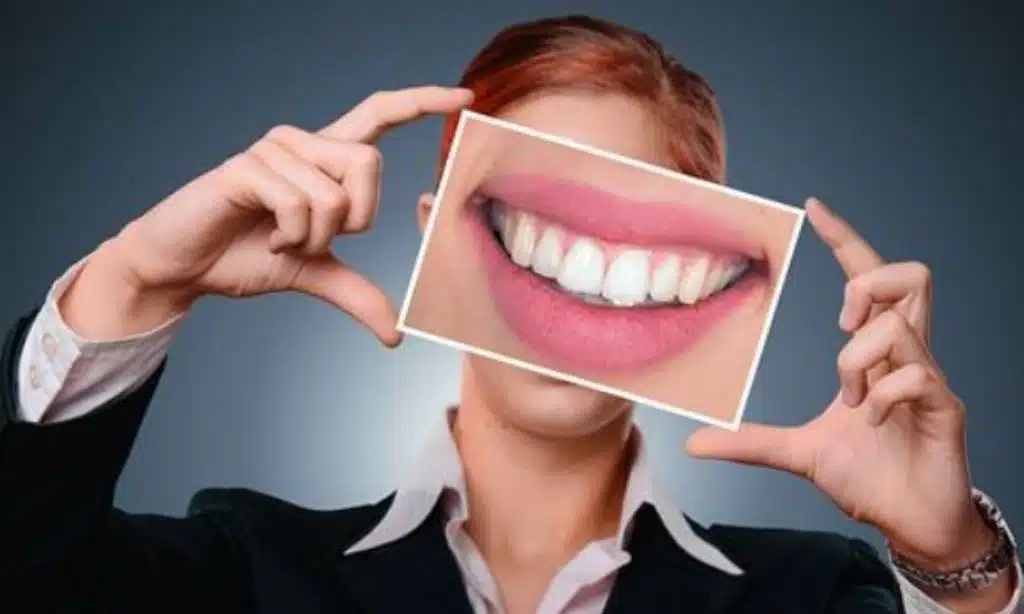
The recovery process is relatively simple and straightforward. At first, your teeth may be somewhat sensitive to temperature, and you may experience slight soreness, but these effects should be mild. Primarily, you’ll notice a bright new smile more than an adverse response.
Veneers require the same care and upkeep as teeth. This includes regular dental exams and cleaning. You should practice good oral hygiene, keeping your teeth and gums clean. The better you care for your mouth, the longer the veneers will appear healthy and last.
These are not meant to be a temporary fix. They are not removable but stay put after the permanent application.
Assuming they receive proper care with routine dental exams and proper oral hygiene, most last as long as 15 years and some up to 20 years. After a while, many people start to think of them as their natural teeth.
Final Thought
The most important thing when considering cosmetic dentistry, such as veneers, is to do adequate research and schedule a consultation with a professional where you can address pertinent questions and concerns before committing to the procedure.
Consider all the options and remember that veneers should be customized to you as an individual. No two smiles are the same so you want to work with a professional, experienced, and credentialed cosmetic dentist who will craft your porcelain veneers to suit your appearance and preferences.