

In a world increasingly burdened by plastic waste, making small but meaningful swaps in our daily routines can create a significant impact. Personal care products are among the top contributors to environmental pollution, with billions of plastic containers discarded every year, many of which take centuries to decompose.
The harsh reality is that much of this plastic ends up polluting oceans, harming marine life, and releasing toxic microplastics into our food and water supply. Not only does this threaten biodiversity, but it also has long-term consequences for human health.
The good news? By taking simple steps towards sustainability, you can reduce your carbon footprint and live a more eco-friendly lifestyle.
Incorporating easy DIY zero-waste personal care swaps into your routine allows you to make a positive environmental impact while embracing natural, toxin-free alternatives that are better for your body and the planet.
The Environmental Impact of Traditional Personal Care Products
- Plastic Waste: Over 120 billion units of packaging are produced by the beauty industry annually, most of which end up in landfills or oceans. A single plastic bottle can take over 450 years to decompose.
- Chemical Pollution: Many commercial products contain toxic chemicals like parabens and sulfates that wash into water systems, harming aquatic life and contaminating drinking water sources.
- Carbon Footprint: The production and transportation of these products contribute heavily to greenhouse gas emissions, increasing global warming at an alarming rate.
Benefits of DIY Zero-Waste Personal Care Swaps
- Eco-Friendly: Reduces reliance on single-use plastics and harmful chemicals, leading to a healthier planet.
- Cost-Effective: Homemade alternatives are often cheaper than store-bought brands, saving you money in the long run.
- Healthier Choices: Many DIY recipes use natural ingredients, reducing exposure to synthetic additives that may cause skin irritation or other health issues.
- Customization: You can tailor recipes to your personal needs, choosing ingredients that work best for your skin and hair type.
By adopting these 5 DIY zero-waste personal care swaps you can make today, you’ll contribute to a healthier planet while taking better care of yourself.
5 DIY Zero-Waste Personal Care Swaps You Can Make Today
Each of these zero-waste personal care swaps is designed to be simple, practical, and highly effective. These swaps reduce waste, eliminate harmful chemicals, and are easy to incorporate into your routine. The best part? Most of these ingredients can be found in your kitchen or local zero-waste store.
1. DIY Zero-Waste Toothpaste
Traditional toothpaste tubes are non-recyclable and contribute significantly to plastic waste, with billions ending up in landfills each year. Many conventional toothpastes contain artificial preservatives, microplastics, and fluoride, which some prefer to avoid due to potential health concerns.
Additionally, mainstream toothpaste brands often include synthetic foaming agents like sodium lauryl sulfate (SLS), which can cause mouth irritation, allergic reactions, and disruption of the oral microbiome. The plastic packaging of toothpaste alone accounts for a significant portion of personal care waste, making DIY zero-waste toothpaste a more sustainable and healthier alternative.
Simple Homemade Zero-Waste Toothpaste Recipe
Ingredients:
- 2 tbsp baking soda (natural cleanser and whitener)
- 2 tbsp coconut oil (antibacterial properties)
- 10 drops peppermint essential oil (freshness and antibacterial boost)
- 1 tsp xylitol (optional, for sweetness and oral health benefits)
Instructions:
- Mix all ingredients in a small reusable jar.
- Stir until a smooth paste forms.
- Use a small amount on your toothbrush and brush as usual.
Best Storage Tips for Eco-Friendly Use
- Store in a glass jar with a lid.
- Use a small spoon or wooden spatula to scoop it onto your toothbrush.
- Keep in a cool, dry place to prevent melting.
| Ingredient | Purpose |
| Baking Soda | Cleans and whitens teeth |
| Coconut Oil | Antibacterial, moisturizes gums |
| Peppermint Oil | Freshens breath, antimicrobial properties |
| Xylitol (optional) | Prevents cavities, adds sweetness |
2. Plastic-Free Shampoo Alternatives
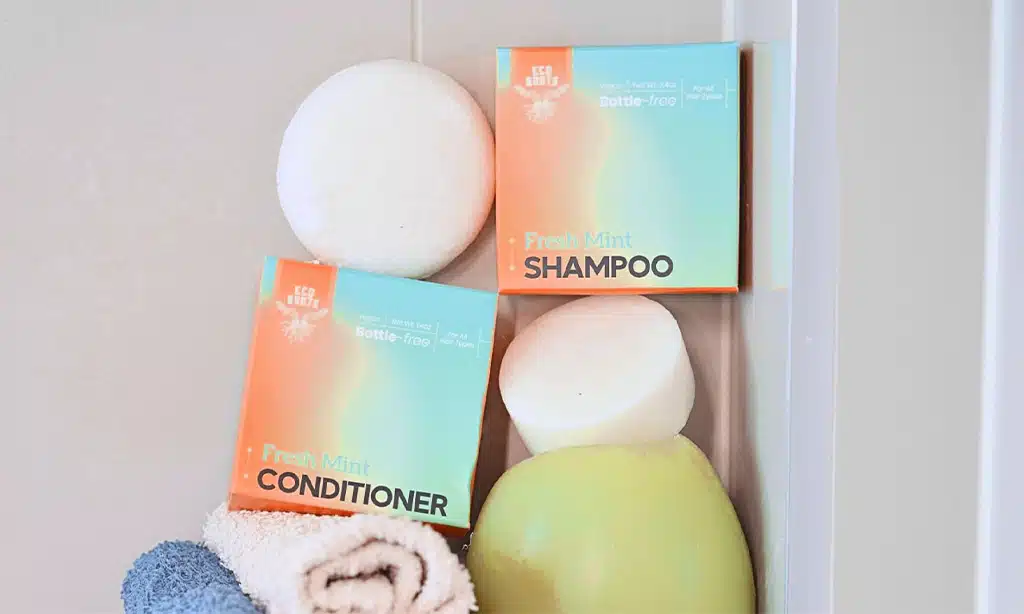
Commercial shampoos come in plastic bottles that contribute to pollution, with millions of these bottles discarded annually, often ending up in landfills or oceans. They often contain sulfates, such as sodium lauryl sulfate (SLS), which strip natural oils from hair, leading to dryness, scalp irritation, and increased frizz.
Additionally, liquid shampoos require preservatives, such as parabens and formaldehyde-releasing agents, to maintain their shelf life, but these can sometimes be harsh on sensitive scalps and may disrupt the skin’s natural microbiome.
Many mass-produced shampoos also contain synthetic fragrances and dyes, which can trigger allergic reactions in some individuals. Opting for zero-waste alternatives not only reduces environmental impact but also promotes healthier hair and scalp care.
DIY Herbal Shampoo Bar Recipe
Ingredients:
- 1 cup Castile soap base
- 1/4 cup coconut milk
- 1 tbsp olive oil
- 10 drops lavender essential oil (calming and antibacterial)
- 1 tbsp dried rosemary (stimulates hair growth)
Instructions:
- Melt the Castile soap base over low heat.
- Stir in the coconut milk and olive oil.
- Add essential oils and dried rosemary.
- Pour into a silicone mold and let it harden.
- Use by rubbing the bar directly onto wet hair.
Sustainable Hair Care Tips
- Use an apple cider vinegar rinse for conditioning.
- Opt for wooden or bamboo combs instead of plastic.
- Dry your hair with a reusable microfiber towel.
| Alternative | Benefit |
| Shampoo Bar | Plastic-free, lasts longer than liquid shampoo |
| Apple Cider Vinegar Rinse | Naturally conditions hair, balances pH |
| Bamboo Brush | Reduces static, eco-friendly |
3. Reusable Makeup Remover Pads
Cotton pads and wipes generate an enormous amount of waste every year, with millions of them discarded daily after just a single use. Most disposable makeup wipes contain synthetic fibers, making them non-biodegradable and a significant contributor to landfill waste, where they take decades to break down.
Additionally, the production of disposable wipes requires vast amounts of water, chemical treatments, and energy-intensive manufacturing processes, further exacerbating environmental damage.
Many wipes also contain preservatives and fragrances that can cause skin irritation and harm aquatic ecosystems when washed down the drain. By switching to reusable alternatives, individuals can significantly cut down on waste while embracing a more sustainable beauty routine.
DIY Reusable Makeup Pads: Materials & Steps
Materials:
- Old soft fabric (cotton, flannel, or bamboo)
- Scissors
- Sewing needle and thread (or sewing machine)
Instructions:
- Cut fabric into circular or square shapes.
- Sew the edges to prevent fraying.
- Wash and reuse after each use.
How to Wash & Maintain Them for Long-Term Use
- Hand wash with mild soap or machine wash in a mesh bag.
- Air dry to extend lifespan.
- Store in a reusable container.
| Alternative | Benefit |
| Reusable Cotton Pads | Reduces waste, cost-effective |
| Muslin Cloths | Soft on skin, multipurpose use |
| Microfiber Pads | Highly absorbent, reusable for years |
4. DIY Zero-Waste Deodorant
Most deodorants contain aluminum, artificial fragrances, and parabens, which may cause skin irritation, hormonal disruptions, and other health concerns. Aluminum compounds, commonly found in antiperspirants, have been linked to potential risks such as blocking sweat glands and possibly contributing to breast cancer and Alzheimer’s disease, though studies are ongoing.
Additionally, aerosol deodorants release volatile organic compounds (VOCs) and harmful chemicals into the air, reducing indoor air quality and contributing to air pollution. The plastic packaging used for commercial deodorants further adds to environmental waste, with millions of deodorant containers ending up in landfills each year.
Opting for natural, DIY alternatives can help eliminate exposure to these harmful chemicals while reducing environmental impact.
Easy Homemade Deodorant Recipe for Odor Control
Ingredients:
- 3 tbsp coconut oil
- 2 tbsp baking soda
- 2 tbsp arrowroot powder (absorbs moisture)
- 5 drops tea tree essential oil (antibacterial)
- 5 drops lavender essential oil (soothing scent)
Instructions:
- Melt coconut oil and mix in dry ingredients.
- Add essential oils and stir well.
- Pour into a small glass jar or reusable deodorant tube.
- Allow to solidify before use.
Best Natural Ingredients for Sensitive Skin
- Shea butter for extra moisture.
- Bentonite clay for additional detox properties.
- Cornstarch instead of baking soda for sensitive skin.
| Ingredient | Benefit |
| Coconut Oil | Moisturizes and has antibacterial properties |
| Baking Soda | Neutralizes odor |
| Arrowroot Powder | Absorbs sweat |
| Tea Tree Oil | Fights bacteria |
5. Sustainable Alternatives for Disposable Razors
Disposable razors generate billions of plastic waste items annually, contributing significantly to landfill overflow and ocean pollution. The majority of these razors are made from mixed materials like plastic and metal, making them nearly impossible to recycle.
Additionally, the manufacturing process of disposable razors requires significant energy and resources, including fossil fuels for plastic production, water for processing, and energy-intensive transportation logistics.
This results in a high carbon footprint, further exacerbating climate change concerns.
Switching to a Safety Razor: Benefits & Tips
- Eco-Friendly: Made of stainless steel and lasts a lifetime.
- Cost-Effective: Only blades need replacement.
- Better for Skin: Provides a closer, smoother shave with less irritation.
How to Maintain a Safety Razor for Longevity
- Dry the razor after each use.
- Store in a dry place to prevent rust.
- Replace blades every 5-7 shaves.
| Alternative | Benefit |
| Safety Razor | Reduces plastic waste, durable |
| Electric Razor | Long-lasting, rechargeable |
| Straight Razor | Zero waste, traditional shaving experience |
Takeaways
Making small swaps in your personal care routine can have a profound and lasting impact on both the environment and your health. Every eco-friendly choice contributes to reducing plastic waste, lowering chemical exposure, and promoting sustainable living.
By embracing these 5 DIY zero-waste personal care swaps you can make today, you are taking a step towards a healthier, more mindful lifestyle that benefits both you and the planet. These simple yet effective swaps not only help minimize waste but also encourage a deeper connection to natural and toxin-free self-care.
Take action now, experiment with these eco-friendly alternatives, and inspire others to join the zero-waste movement by sharing your journey. Every small change adds up to a significant difference!
























