Feeling stressed? You’re not alone. Nearly 8 in 10 Americans say they frequently experience stress in their daily lives, according to the American Psychological Association. Unmanaged stress can take a toll on both your mental and physical health.
The good news? There are many simple yet effective ways to keep stress at bay. Read on to learn 10 tips and tricks to help you feel calmer and more in control this year.
1. Practice relaxation techniques
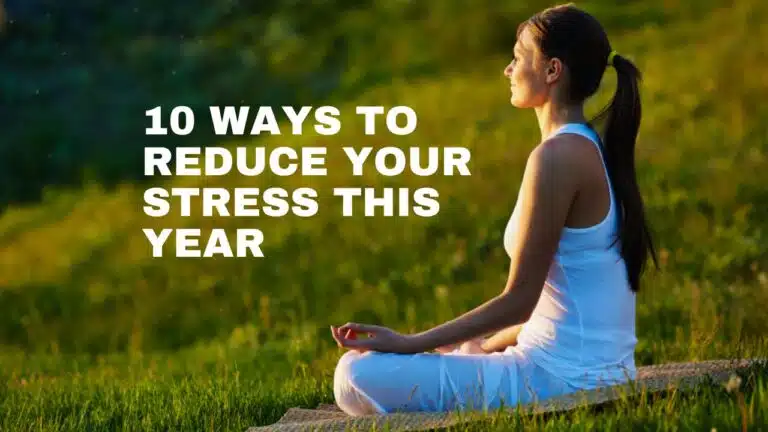
Simple relaxation techniques like deep breathing, progressive muscle relaxation, and mindfulness meditation are proven stress reducers. Set aside just 5–10 minutes daily to focus on relaxing both your mind and body. Apps like Calm and Headspace make it easy to start a regular meditation routine.
Slow, deep belly breathing triggers your relaxation response by lowering your heart rate and blood pressure. Progressive muscle relaxation involves systematically tensing and relaxing muscle groups throughout your body. Mindfulness meditation teaches you to calmly focus your attention on the present moment.
2. Exercise regularly
Regular exercise is one of the most effective stress management tools. Aerobic exercise causes your body to release endorphins, nature’s feel-good chemicals. Aim for 30 minutes of activity on most days. Go for a jog, take a Zumba class, ride your bike —any activity you enjoy counts!
Beyond the mood boost, research confirms that exercising regularly can help you better cope with the physical effects of stress. It reverses hormonal changes triggered by stress to leave you feeling more relaxed.
3. Get More Sleep
When you’re tired, even minor stressors can feel amplified. Ensure you get enough shut-eye so you wake up each morning feeling well-rested and resilient.
The National Sleep Foundation advises adults to get between 7-9 hours of sleep per night. To help maximize your slumber, create an ideal sleep environment that is cool, quiet and dark. Stick to a regular sleep-wake schedule, even on weekends. Limit screen time and caffeine consumption in the evenings.
4. Laugh Out Loud
Laughter really could be the best medicine when it comes to stress relief. Chuckling releases feel-good hormones and neurotransmitters in your brain, like dopamine and serotonin. Smile and laugh more by watching funny videos, reading humorous books, listening to comedy podcasts, or simply sharing silly moments with friends.
5. Spend Time in Nature
Did you know that spending just 20 minutes outdoors can lower your stress hormone levels? Plan regular nature breaks to unwind in green spaces like parks, hiking trails, gardens, or beaches.
Research confirms that “forest bathing” has powerful stress-busting effects. The sights, sounds, smells and energies of the natural world encourage relaxation. If you can’t get outside, bring nature indoors with houseplants or nature-inspired decorations.
6. Listen to soothing music
Transport yourself to a calmer state of mind with relaxing tunes. The tempo, rhythm and melody of music directly impact your mood and emotions. Peaceful, slow-paced instrumental music is best for relaxation.
Create stress-busting playlists featuring your favorite tranquil tunes. Tune in while commuting, working, unwinding, falling asleep or whenever you crave a mental reset. The notes will soothe your mind and nerves.
7. Enjoy stress-relieving teas
Sip stress away with relaxing herbal teas like chamomile, peppermint, lemon balm and passionflower. They contain plant compounds that quiet stress receptors in your brain. Chamomile can reduce symptoms of anxiety and sleep issues. Peppermint also calms the stomach during stressful times.
Brew yourself a hot cup when you desire comfort or before bedtime. Add some raw honey to naturally boost the soothing effects. Keep a variety of bagged herbal teas at work and at home so they’re always on hand.
8. Practice self-care
Don’t neglect taking good care of yourself in order to prevent stress overload. Carving out time for favorite hobbies, social connections and pampering activities will help you regularly recharge.
Self-care will look different for everyone. Your list might include reading novels, playing with pets, calling friends, journaling thoughts, enjoying bubble baths or scheduling massages. Identify what energizes you, then weave more of those feel-good moments into your routine.
9. Add stress-busting foods
Eat to beat stress! Some foods contain key nutrients that calm the nervous system. For example, vitamin C helps regulate stress hormone levels, while magnesium calms muscles and nerves.
Fill up on stress-fighting foods like oranges, leafy greens, nuts, seeds, eggs, yogurt, oatmeal, beans, rice and more. Limit your intake of sugary and fried comfort foods that can send your mood and energy on a rollercoaster ride. Fueling well will help you feel resilient.
10. Say No More Often
Taking on too much is a surefire way to get stressed out. This year, give yourself permission to politely pass on requests that overwhelm your schedule or overtax your bandwidth. Prioritize what energizes you, and don’t overcommit your time.
Free yourself of unnecessary obligations in order to make more space for meaningful moments. You’ll enjoy more ease, mental clarity and joy when you respect your limitations. Give yourself credit for all that you achieve each day rather than dwelling on what remains undone when you power down at night.
Frequently Asked Questions About Reducing Stress
How much stress is too much?
Experts caution that consistent, long-term stress takes a major toll on your overall well-being. Listen to warning signs from your mind and body, like persistent sad moods, fatigue, stomach issues, chest pains, a lack of motivation, and sleep troubles. Address the root causes and make de-stressing a priority.
What happens if you don’t manage stress?
Unmanaged stress can negatively impact every organ system in your body. It’s linked with health issues like high blood pressure, heart disease, obesity, diabetes, skin problems, pain, infertility and more. Mentally, it contributes to anxiety, depression, lack of focus, burnout and strain on relationships. Don’t ignore it!
What are early signs of too much stress?
Look out for frequent headaches, jaw clenching, teeth grinding, changes in appetite, digestive issues, sadness, anger flare-ups, mental fog, lack of drive, muscle tension and problems sleeping. Take such signals seriously and adopt stress antidotes before matters escalate.
What should you do if you feel extremely stressed?
First, remove yourself from stressful situations when possible and practice quick tension techniques like belly breathing, calming teas or calling a friend. Long-term, avoid burnout by adjusting commitments and schedules, forming healthy daily habits, incorporating self-care practices and seeking professional help like therapy if needed. You have power over your stress response.