

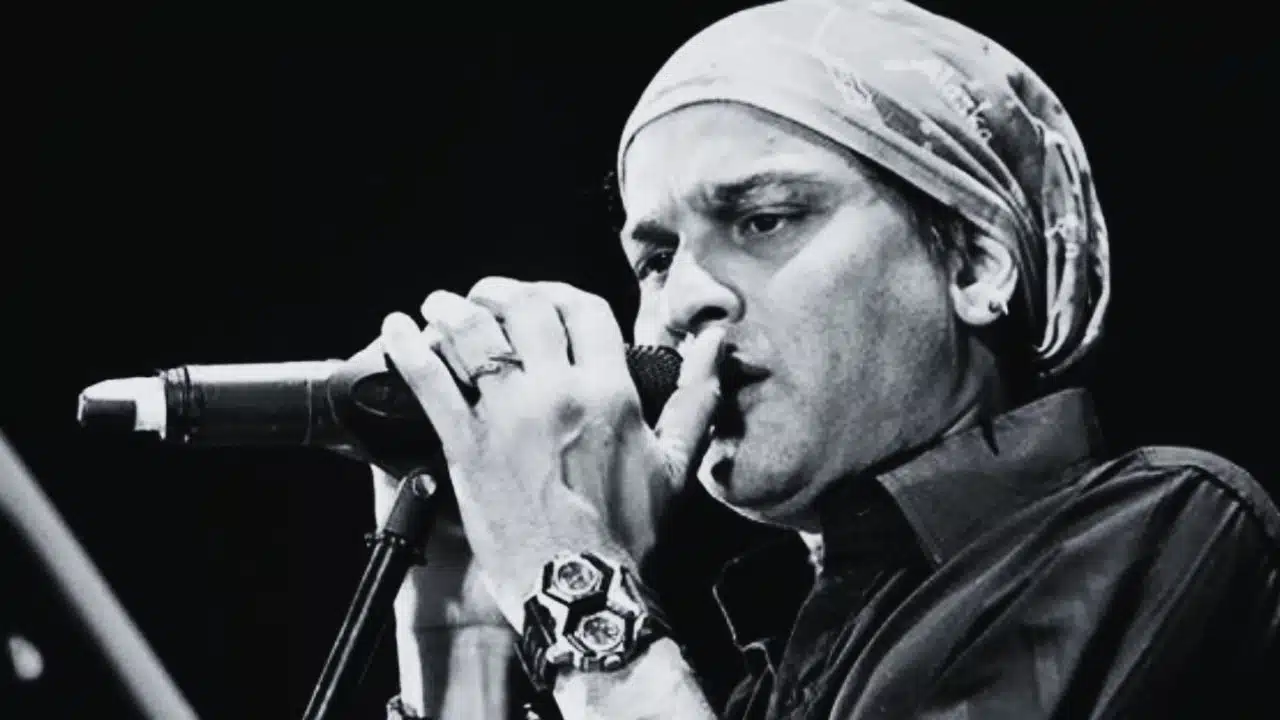
The cultural world of Assam and India is in deep mourning after the sudden passing of Zubeen Garg, one of the most celebrated voices of the region. The singer, who captivated audiences with his versatility across Assamese, Hindi, Bengali, and many other languages, died on 19 September 2025 in Singapore at the age of 52.
According to the official death certificate issued in Singapore, Zubeen Garg lost his life due to drowning while swimming as part of a scuba-diving activity. He reportedly experienced breathlessness and a seizure in the water. Despite receiving CPR and being rushed to Singapore General Hospital, he was declared dead at 2:50 pm IST. His death came as a devastating shock to his fans, colleagues, and the wider Indian music fraternity.
State Funeral and National Mourning
The Government of Assam has moved quickly to ensure that Zubeen Garg is given a farewell that reflects his immense stature in the world of music. Chief Minister Himanta Biswa Sarma announced that the singer will be cremated with full state honours. His last rites will be performed on 23 September 2025 at Hatimura, Kamarkuchi NC Village in Kamrup (Metropolitan District), near Guwahati.
Initially, the state declared three days of mourning, during which all official events were suspended. This mourning period has since been extended until 23 September, so that the day of his funeral can be observed with complete dignity and respect across the state.
Two Memorials to Preserve His Legacy
The government, in consultation with Zubeen Garg’s family, has decided to establish two memorials in his name to keep his memory alive for future generations:
-
Kamarkuchi Memorial: A 10-bigha parcel of land near Guwahati has been allotted for the singer’s final resting place. This site will host a permanent memorial and serve as a pilgrimage point for fans.
-
Jorhat Memorial: His ashes will be taken to Jorhat, a historic town deeply connected to Zubeen Garg’s personal and musical journey. A second memorial will be built there to acknowledge his bond with the cultural heart of Assam.
These memorials are expected to become cultural landmarks, celebrating not only his music but also his identity as a symbol of Assamese pride.
Sea of Mourning in Guwahati
When Zubeen Garg’s mortal remains arrived in Guwahati from Singapore, the city turned into a gathering of collective grief. Streets were filled with thousands of people who came to pay their final respects. Men, women, and children were seen carrying flowers, photographs, and banners as they joined in his funeral procession.
Traffic came to a standstill in parts of the city, as people poured out of their homes and shops to witness his final journey. Many were visibly emotional, chanting his name, while others played his most loved songs on loudspeakers to honour the voice that defined their childhoods and youth.
The Cause of Death and Questions Raised

Zubeen Garg’s sudden death abroad also raised questions. Reports confirmed that he had been swimming as part of a scuba-diving session when he fell unconscious. His health had faced challenges before—he had been hospitalized multiple times in recent years due to exhaustion and minor cardiac issues. Yet his unexpected passing has left fans struggling to accept that one of the most energetic performers of the region is gone.
Authorities in Assam have also reportedly filed cases against event organisers and managers who had been overseeing his work schedule, citing negligence in matters related to his health.
Music That Transcended Borders
Zubeen Garg’s career was extraordinary in both scale and impact. He was not only a singer but also a composer, music director, actor, and philanthropist. He sang in over 40 languages and dialects, ranging from Assamese and Bengali to Hindi and Tamil.
For many across India, his most memorable Hindi song was “Ya Ali” from the Bollywood film Gangster (2006), which became a nationwide sensation. In Assam, however, his body of work spanned thousands of Assamese songs, film soundtracks, and albums that shaped the cultural identity of an entire generation. His ability to blend folk traditions with modern melodies made him a pioneer in taking Assamese music to global platforms.
Tributes from Across India
As the news of his death spread, tributes poured in from every corner of India. Fellow musicians described him as an “irreplaceable voice.” Political leaders spoke of his unmatched contribution to the cultural pride of Assam. Fans across the country flooded social media with stories of how his songs had touched their lives.
His funeral is expected to draw not just ordinary admirers, but also prominent cultural figures, politicians, and artists who considered him a guiding force in Indian music.
A Legacy Beyond Music
The decision to build memorials in both Kamarkuchi and Jorhat reflects the depth of Zubeen Garg’s influence. These sites will serve as cultural spaces where future generations can learn about his contributions.
For Assam, his loss is not just the death of a singer—it is the departure of a cultural ambassador who carried the voice of the state to the world. For India, it is the end of an era in which Zubeen Garg’s songs formed a bridge between regional music and national recognition.
As the state prepares for his final rites on 23 September, Assam and India stand united in grief. The massive turnout in Guwahati, the government’s state mourning, and the establishment of two memorials highlight the scale of his legacy.
Zubeen Garg will remain a name etched in the history of Indian music, not only for the melodies he created but also for the cultural pride he represented. His music will continue to echo across homes, stages, and hearts—ensuring that even in death, his voice will never be silenced.































