Ever feel like your body’s frame is something you just don’t think about? You’re not alone. Our bones hold us up every single day, but we often take them for granted until a small slip or fall leads to a surprising ache or, even scarier, a broken bone.
It’s a topic many of us shy away from, but staying quiet about our bone health can make things much worse.
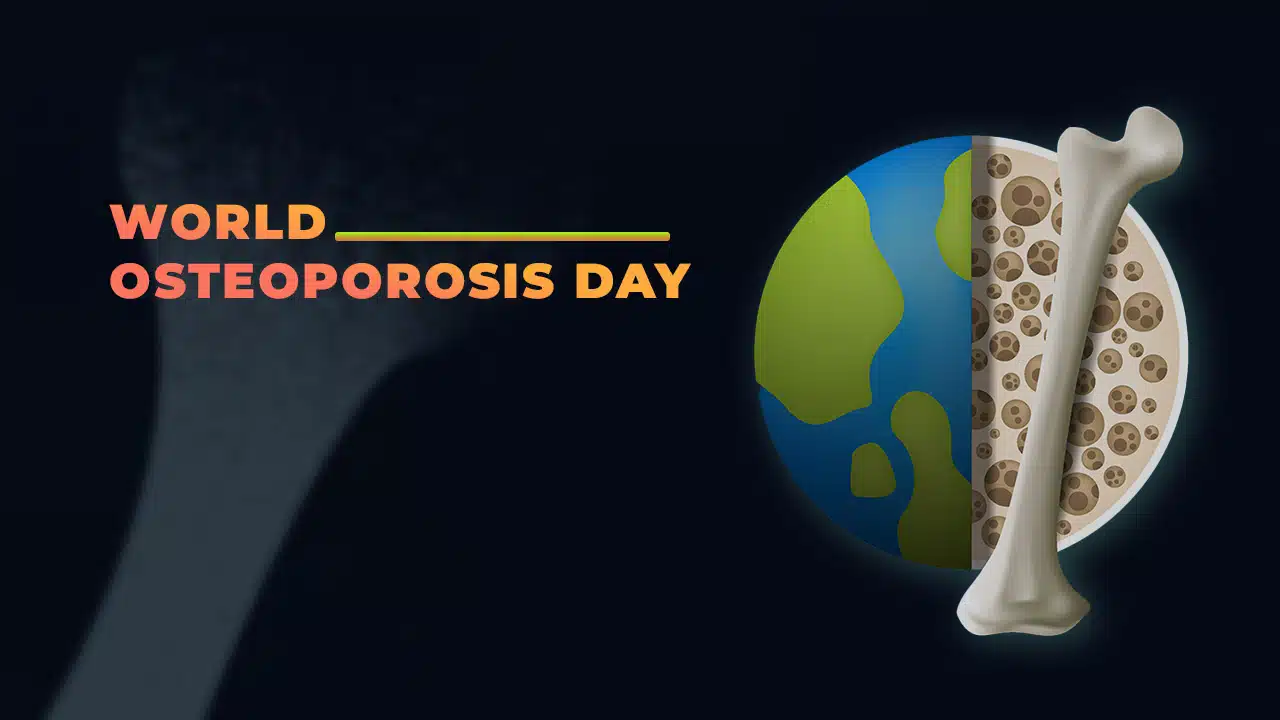
That’s where World Osteoporosis Day comes in. Every year on October 20th, it shines a massive spotlight on this issue, making bone health something we can all talk about openly. Groups like the International Osteoporosis Foundation (IOF) lead the charge, working to bust myths and teach us how to keep our frames strong for life.
I’m here to walk you through the real risks, share simple steps for building stronger bones, and tell you how you can get involved. So, grab a cup of coffee, and let’s go through it together. I’ll show you everything you need to know.
Key Takeaways
- On World Osteoporosis Day 2025, the global community is urged to have open conversations about bone health, challenging the myth that it only affects older women.
- A staggering 80% of people who suffer a fragility fracture are not tested or treated for osteoporosis, a gap the International Osteoporosis Foundation (IOF) is working to close.
- You can take control of your bone health with early actions like getting enough vitamin D and calcium and doing regular weight-bearing exercises. Most adults need 1,000-1,200 mg of calcium daily.
- The IOF’s “Build Better Bones” platform and Global Patient Charter use real patient stories to empower people to seek help, talk about their risks, and get a DXA scan.
- Events around the world, from local health talks to global online campaigns, are making it easier than ever to learn how to protect your bones at any age.
The 2025 Theme: Breaking the Bone Health Taboo

“It’s Unacceptable!”. This theme underscores a global urgent need to address the treatment and prevention gaps in osteoporosis care, mobilizing action from individuals, healthcare systems, and policymakers to prevent fractures and improve bone health.
The International Osteoporosis Foundation (IOF) is at the forefront, pushing for everyone to talk openly about risk factors, diagnosis, and the simple things that make a big difference, like getting enough vitamin D.
Addressing stigma and misconceptions
For too long, talking about bone health has been taboo. One of the biggest myths is that osteoporosis is only a concern for older women. But that’s simply not true.
Worldwide, one in five men over 50 will experience an osteoporotic fracture. Organizations like the Bone Health & Osteoporosis Foundation (BHOF) in the U.S. and the Royal Osteoporosis Society (ROS) in the U.K. are working hard to spread the word that men and younger adults are also at risk.
The silence is causing a massive treatment gap. A 2024 study from Sunnybrook Research Institute found that two-thirds of seniors who suffer a fracture don’t receive the recommended medication to prevent another one. This happens because people sometimes feel embarrassed or believe it’s just a normal part of aging, so they avoid getting help or a simple bone density test, known as a DXA scan.
It’s time to set the record straight: bone strength matters at every age. With the right nutrition, physical activity, and open conversations, we can all take powerful steps toward a fracture-free future.
Encouraging open conversations about bone health
Talking about your bones should feel as normal as discussing what you had for lunch. A great first step is to understand your personal risk. The IOF offers a free online tool called the IOF Osteoporosis Risk Check that can help you start that conversation with your doctor.
Sharing personal experiences is another powerful way to break the silence. The IOF’s “Build Better Bones” platform features stories from people who are navigating life with osteoporosis, turning a hidden struggle into a source of connection and action. These stories encourage others to get their bone density checked without feeling ashamed.
You can also show your support by signing the IOF Global Patient Charter. It’s a worldwide call for better patient care and helps make fracture prevention a global health priority. Every signature adds another voice, proving that together, we can build a stronger, healthier future.
Steps to Promote Bone Health

Think of your daily habits as an investment in your future self. The choices you make today can build up your bone strength, helping you avoid painful fragility fractures down the road. Why not start right now?
Importance of early diagnosis and prevention
Catching bone loss early is the key to stopping it. A bone density scan, or DXA scan, is a simple, painless test that can tell you how strong your bones are. The results are given as a T-score, which compares your bone density to that of a healthy young adult.
- A T-score of -1.0 or above is considered normal.
- A T-score between -1.0 and -2.5 indicates low bone mass, sometimes called osteopenia.
- A T-score of -2.5 or below is a diagnosis of osteoporosis.
Knowing your score empowers you to act before a serious problem develops. The costs of inaction are huge, with experts predicting that osteoporosis-related fractures will cost over $25 billion in 2025 in the U.S. alone. A small step today truly can help you stand tall tomorrow.
Lifestyle changes for stronger bones
You have the power to improve your bone density with a few simple adjustments to your daily routine. Think of it as a recipe for a stronger skeleton.
First, focus on bone-healthy nutrients.
Of course, calcium and vitamin D are the superstars. Most adults need 1,000-1,200 mg of calcium and 600-800 IU of vitamin D daily. But don’t forget about their supporting cast: magnesium and vitamin K2, which help your body use calcium effectively.
| Nutrient | Why It’s Important | Great Food Sources |
|---|---|---|
| Calcium | The primary building block of bone. | Yogurt, milk, sardines (with bones), tofu, and fortified orange juice. |
| Vitamin D | Helps your body absorb calcium. | Sunlight, salmon, egg yolks, and fortified milk. |
| Magnesium | Supports vitamin D activation and bone structure. | Leafy greens, nuts, seeds, and sweet potatoes. |
| Vitamin K2 | Helps direct calcium to your bones. | Fermented foods like sauerkraut, cheese, and egg yolks. |
If you take calcium supplements, remember that your body absorbs them best in small doses of 500 mg or less at a time, preferably with a meal.
Next, get moving with the right exercises.
Your bones get stronger when you put weight on them. Aim for activities that challenge your body against gravity.
- Weight-bearing exercises: Brisk walking, dancing, jogging, or climbing stairs.
- Strength training: Lifting weights, using resistance bands, or doing bodyweight exercises like squats and push-ups.
- Balance exercises: Activities like yoga or Tai Chi can improve stability and help with fall prevention.
Finally, avoid habits that can harm your bones, such as smoking and excessive alcohol consumption.
Community Engagement and Events

Across the globe, people are uniting to put a spotlight on bone health. From neighborhood walks to international online campaigns led by the International Osteoporosis Foundation, every event adds a voice to the call for preventing osteoporotic fractures.
Local and global initiatives to raise awareness
On World Osteoporosis Day, you’ll find a huge variety of events designed to spread knowledge and hope.
- The International Osteoporosis Foundation (IOF) offers digital toolkits that anyone can use to host an event or launch a social media campaign.
- In the U.K., the Royal Osteoporosis Society (ROS) runs campaigns and provides resources to educate the public.
- Many local hospitals and clinics host free seminars where doctors bust common myths about bone fragility and discuss the latest in prevention.
- Online webinars connect experts and patients from different countries, sharing tips on everything from exercise to nutrition.
- Community fundraisers fuel research and support programs that help close the treatment gap for fragility fractures.
- Schools get involved by teaching kids about bone-healthy eating, turning them into “bone heroes” from a young age.
Sharing personal stories to inspire action
There is incredible power in a personal story. When people share their experiences with osteoporosis, it makes the issue real and urgent.
The IOF’s “Build Better Bones” platform is filled with these kinds of stories. Reading about someone else’s journey with a fragility fracture can be the spark that encourages you to finally ask your doctor about your own bone health or get a DXA scan.
These stories transform bone health from a silent worry into an open conversation. If you’re looking for a place to connect with others, the Bone Health & Osteoporosis Foundation hosts an online support community on a platform called Inspire, where thousands of members share advice and support. It’s a safe space to see that you are not alone on this journey.
Takeaways
Your bone health is too important to ignore. This World Osteoporosis Day, let’s break the silence and turn awareness into action.
Talking about osteoporosis openly can shatter old myths and empower those around us.
Remember, even small steps can make a huge difference. A chat with a friend, a daily walk, or adding more calcium-rich foods to your plate can lead to a lifetime of stronger bones.
Let’s all stand tall for our health today, so our bones can support us for all of our tomorrows.
FAQs
1. What is World Osteoporosis Day 2025 all about?
World Osteoporosis Day, held annually on October 20th, is a global campaign focused on raising awareness for the prevention, diagnosis, and treatment of osteoporosis. This year’s theme, “It’s Unacceptable,” highlights the urgent need to address this condition, which affects over 500 million people globally.
2. How can I improve my bone strength and density?
You can boost your bone strength by doing weight-bearing exercises like hiking, jogging, or dancing for at least 30 minutes, five days a week. It is also vital to get enough calcium and vitamin D, with the Bone Health & Osteoporosis Foundation recommending 1,200 mg of calcium and 800-1,000 IU of vitamin D for women over 50 and men over 70.
3. Why do people keep talking about vitamin D for bones?
Vitamin D is essential because it allows your body to absorb calcium, which is the primary mineral needed to build and maintain strong bones.
4. What are some ways to prevent fragility fractures?
To prevent fragility fractures, it’s important to understand your personal risk factors, such as family history or long-term use of certain medications, and to make your home safer by removing tripping hazards like loose rugs. The International Osteoporosis Foundation notes that a fragility fracture occurs every three seconds, making preventative action critical.
5. Where can I find support if I have concerns about osteoporosis?
The International Osteoporosis Foundation (IOF) offers valuable resources, and its Global Patient Charter advocates for patients’ rights to timely diagnosis and care. You can also connect with others and find local resources through organizations like the Bone Health & Osteoporosis Foundation and online communities like the Mayo Clinic Connect support group.