You may ask why the 4th of July still matters in 2025, when life moves fast. On July 4, 1776, the Declaration of Independence freed the colonies from British rule. This post shows how the founding fathers, the Continental Congress, and events at the Pennsylvania State House under the American flag connect to our own fight for freedom.
Read on.
Key Takeaways
- July 4, 1776, at the Pennsylvania State House in Philadelphia, the Continental Congress approved the Declaration of Independence, freeing the colonies from British rule.
- The phrase “all men are created equal” still guides us in 2025. A digital map and an interactive timeline trace freedom’s path from George Washington’s leadership to Frederick Douglass’s July 5, 1852 speech (Fransen).
- Early traditions began in 1777 with parades, cannon salutes at noon, public readings of the Declaration, and roadside barbecues. Today, people watch fireworks, join live streams on apps, and plan for the 250th anniversary on July 4, 2026.
- Modern challenges include state bans on books about inequality, cuts to Douglass’s speech in schools, and the need for honest lessons on slaveholding founders. July 4th marches for civil rights and voting rights keep the spark of liberty alive.
- Fourth of July ideals inspired Vietnam’s Sept. 2, 1945, declaration; a North African nation’s Feb. 28, 1922 independence; India’s Aug. 15, 1947 freedom; and Iraq’s Oct. 3, 1932, self-rule. The U.N. Charter of 1945 also backed the right to self-determination.
Reflecting on the Principles of Freedom in 2025
A dusty copy of the Declaration of Independence sits in a record vault, its words still alive. The founding fathers wrote that all men are created equal. George Washington and John Adams stood firm in the Revolutionary War.
Jefferson and Richard Henry Lee voted for the resolution for independence in Independence Hall on July 4, 1776. Those inalienable rights rang true then, and they ring true now. In 2025, we face fresh tests, yet those saving principles call us to act.
A digital map and an interactive timeline help us see how freedom has grown. This Independence Day in 2025, we can track progress and spot new paths forward.
Frederick Douglass rose at an 1852 gathering to ask, What to the Slave is the Fourth of July? He called those saving principles a mirror and lights. His words carry weight today. Fransen said we must read his full speech to grasp true freedom.
You can pull up that text in record vaults or scan a historical map in a museum app. That tool links past and present, and it sparks a lightbulbmoment about freedom.
The Evolution of Independence Day Traditions
Crowds lined the streets as the first anniversary passed in 1777. Neighbors cheered, waving the American flag as George Washington sat at a grand table. Town bands struck up tunes from the American Revolution.
People read the Declaration of Independence in town halls. They sipped cider and grilled meat at roadside barbecues. Soldiers on nearby bases fired cannons at noon in a salute to the Union.
This linked military might with civic pride. Early speeches echoed common sense, penned by Thomas Paine. Dinners hosted by the Federalist Party added a political twist. Each city added its own spin to July 4th traditions.
Modern folks still crave those simple thrills. Parades thrill kids, who toss candy at floats. Family picnics stretch across green lawns. Fireworks paint the sky in red, white, and blue.
Friends snap selfies with the American flag fluttering behind them. Apps now let people stream Fourth of July celebrations live. Some families fire virtual cannons, mimicking that midday boom.
Food trucks join barbecues in big parks. Teens reenact battles from the American Revolution on set fields. Storytellers mention Thomas Jefferson alongside the founding fathers. Communities across fifty states join in, fostering national pride and unity.
Everyone salutes freedom as we near the 250th anniversary in 2026.
Challenges to Freedom in Modern America
Government records show some states ban books that discuss inequality. Schools cut Frederick Douglass’s speech from 1852, skipping lines that blamed slavery. That action hides links between the Declaration of Independence, the American Revolution, and founding fathers who owned people.
It also mutes Douglass’s call for true liberty.
Scholars echo Fransen; they urge honest lessons on George Washington and other slaveholding leaders. They want teachers to use library collections, digital books, and public lectures.
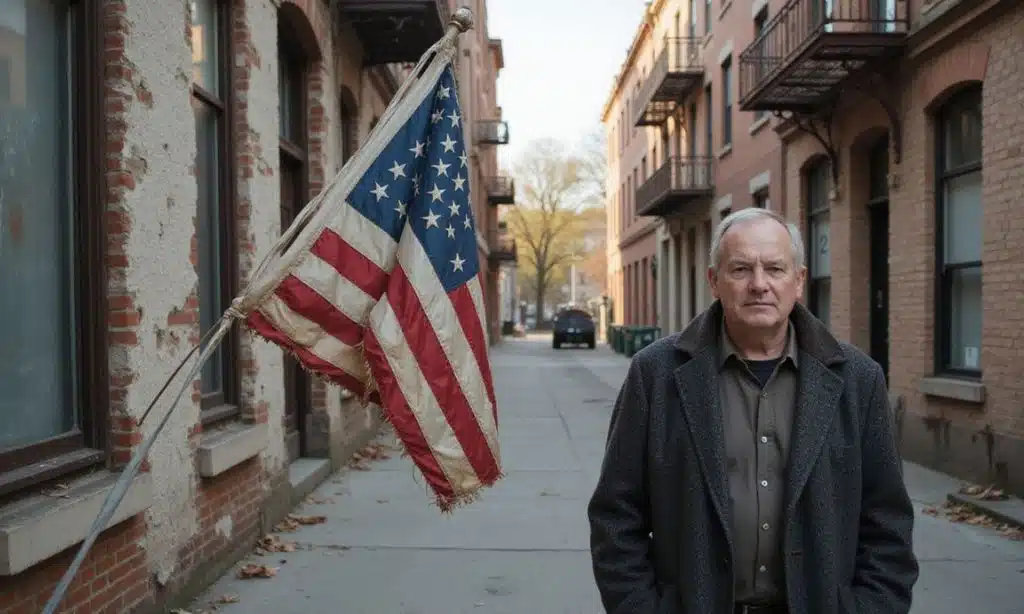
The Fourth of July, our Independence Day, still features the American flag at full staff, but many feel its promise fades. Marches on July 4th draw groups that chant for civil rights and voting rights.
The struggle for liberty needs a steady guard, or we risk dimming the spark struck in 1776.
The Global Significance of the 4th of July
The Fourth of July shines as a symbol of freedom. The Declaration of Independence from 1776 set a model. Leaders in Vietnam wrote their own declaration on September 2, 1945, echoing American revolution ideals.
A North African nation won freedom from Britain on February 28, 1922. India gained its sovereignty on August 15, 1947, and Iraq declared self-rule on October 3, 1932. Founding fathers like George Washington inspired future revolutions.
The United Nations Charter went into force in 1945, backing the right of self-determination. Many people saw America’s Independence Day message as proof that an oppressed nation could rise.
Several African states won freedom in the 1950s and 1960s, and some as late as the 1990s. Each July 4th reminds people worldwide of that spark.
Stories of Resilience: What We Can Learn from the Past
History shows grit on Independence Day. Hope lives in every age.
- Soldiers at a winter encampment fought frost and hunger in the American Revolution. They rallied around the Declaration of Independence, adopted on July 4, 1776, and the words of the Founding Fathers.
- Abigail Adams used a document to nudge the founding fathers, hinting that liberty should cover every person, even ahead of july 4th.
- Frederick Douglass, in his April 1852 speech, called the Declaration’s ideals “saving principles” and challenged Americans to face the gap between words and freedom.
- Enslaved workers held secret meetings on Independence Day, quoting that document to inspire each other toward liberty.
- Civil rights marchers picked July 4th, 1965, for a freedom ride, and they turned fireworks into a backdrop for protest and change.
- Digital organizers now flood feeds each Fourth of July, using social media as a tool to spread stories, memes, and calls for justice.
Why Unity and Reflection Matter More Than Ever
Unity drives respect across fifty states and American communities worldwide. Fourth of July parades, barbecues, picnics, and fireworks bind people with pride. Fransen urged readers to study Frederick Douglass’s 1852 speech at the National Independence Day Convention to face historical truths.
He called for honest talk about slavery, the Declaration of Independence, and the founding fathers.
Reflection helps people uphold civic engagement and deeper democracy. Museums, archives, and civic centers offer tools to explore our past. Independence Day reminds us of our shared duty to freedom and justice.
Celebrating Independence: Balancing Patriotism and Progress
Patriots salute stars and stripes during parades. The founding fathers signed the Declaration of Independence on July 4, 1776. Families mark Independence Day under bright fireworks. The Bill of Rights and the Constitution guide modern debates.
Frederick Douglass spoke on July 5, 1852, critiquing true freedom.
Vietnam cited the U.S. Declaration of Independence in 1945. Citizens study that link at town hall readings. Millions plan to celebrate the Fourth of July in 2025 with forward goals.
Americans will look ahead to the 250th anniversary on July 4, 2026.
Takeaways
Liberty fuels hope each Fourth of July. The Declaration of Independence guides every new debate on freedom. Fireworks and barbecues bridge our past with today’s community. People honor voices like Frederick Douglass and the Founding Fathers.
Each year we claim freedom with fresh pride and care.
FAQs
1. What keeps Independence Day alive in 2025?
It still marks our hard-won freedom, it calls us to stand tall for our rights, and it lights a spark in every community.
2. How did the first Independence Day shape our freedom then, and what has changed now?
Back then, leaders called for self-rule; they risked all for a new start. Today, we use tech and new laws, but we still chase the same goal: a fair voice for everyone.
My grandpa once leaned in, he told me about the old parade, the cheers, and the hope in their eyes. Those tales bind us; they pass pride and lessons to the next child.
4. How can we honor Independence Day today?
Join your town parade, grill burgers in the yard, play folk songs, or talk with friends about what freedom means. Each act keeps our history bright and our future strong.