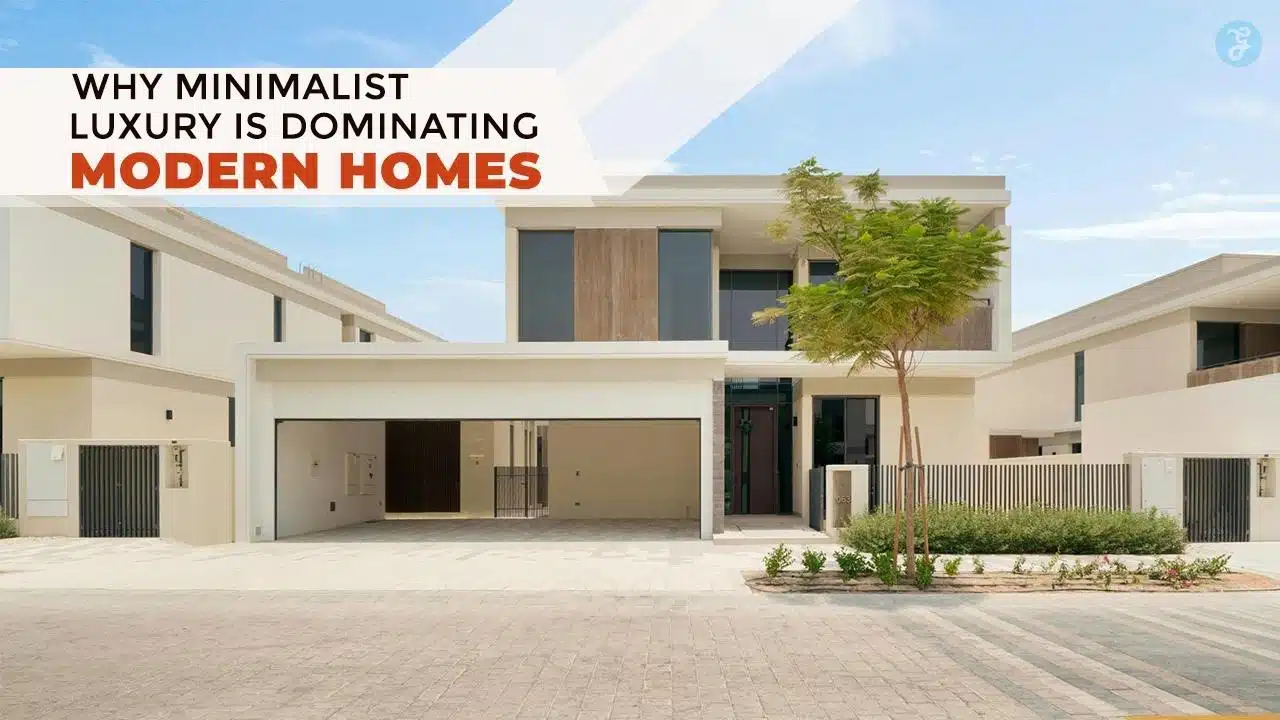
Minimalist luxury has become the quiet power player of interior design. In modern homes around the world, this look sits somewhere between bare-bones minimalism and overt, logo-filled opulence. Spaces feel calm, edited, and airy, yet nothing about them feels cheap or sparse.
Instead, minimalist luxury homes signal comfort, quality, and ease. They do it without shouting. Clean lines frame generous sofas. Neutral palettes hold rich textures. Light flows across stone, linen, and wood. Every element appears thought through, but never tries too hard.
This blend of understatement and refinement explains why minimalist luxury is dominating modern homes. It reflects how people want to live now: less visual noise, more emotional comfort, and a quieter form of status that favours quality over spectacle.
What Is Minimalist Luxury in Modern Homes?
Minimalist luxury, sometimes called luxury minimalism, is more than a look. It is a design approach that strips away excess while upgrading what remains. The goal is not to own as little as possible. The goal is to live with the right things, in the right place, at a high level of quality.
In a minimalist luxury home, you see clear lines and open space. You also notice the weight of a solid table, the depth of a wool rug, or the softness of a linen curtain. Materials feel honest and tactile. Furniture silhouettes appear simple but are carefully proportioned. Colours stay controlled, yet never flat or clinical.
Minimalist luxury also borrows heavily from quiet luxury interiors. Instead of flashy brand names, it relies on craftsmanship, good joinery, natural stone, solid timber, and tailored upholstery. The sense of luxury sits in the details, not in loud decoration.
From Classic Minimalism to Quiet Luxury Interiors
Classic minimalism prized restraint, purity of form, and a near-monastic absence of clutter. For many people, that ideal translated into white boxes and hard surfaces that felt more like galleries than homes.
Minimalist luxury softens that approach. It keeps the discipline of “less, but better”, yet adds warmth and nuance. Surfaces invite touch. Seating invites you to sink in, not perch. Colour remains muted, but we see creams, oat tones, mushroom greys, and soft browns instead of stark white alone.
Quiet luxury interiors pushed this shift further. They showed that a room can feel understated and still clearly read as high-end. The message is no longer “I own a lot”. It is “I chose well”. Minimalist luxury homes take that message and translate it across entire floor plans.
How Luxury Minimalism Differs from Stark Minimalism
The difference between stark minimalism and luxury minimalism can be felt instantly. In a stark minimalist space, you may admire the discipline but hesitate to sit down. In a minimalist luxury home, you want to settle in and stay.
Luxury minimalism uses fewer pieces, but each piece has character. A sculptural armchair, a single striking light, or a generous slab of stone carries more visual weight than a shelf full of objects. Storage stays concealed. Technology hides in cabinetry. The eye rests on volume and proportion rather than clutter.
Most importantly, minimalist luxury interiors build atmosphere. They manipulate light, texture, and sound. Soft textiles absorb echo. Layered lighting replaces single harsh bulbs. Natural materials age gracefully, so the home gains patina instead of looking worn out.
Why Minimalist Luxury Is Dominating Modern Homes
Minimalist luxury did not appear in a vacuum. Several broader lifestyle, economic, and cultural shifts are pushing homeowners towards this aesthetic.
Burnout, Clutter, and the Search for Calm
Many people live in a state of constant input: screens, notifications, traffic, and headlines. When the outside world feels loud, home becomes a place of refuge. A minimalist luxury home supports that need.
By reducing visual clutter it reduces cognitive clutter. Surfaces are not jammed with ornaments. Shelving is edited, not crammed. Rooms hold enough furniture to function well, but not so much that navigating them becomes a small obstacle course.
At the same time, the space does not feel bare or punitive. Plush rugs, deep sofas, and soft throws create visual and physical comfort. This balance of calm and cosiness makes minimalist luxury more attractive than both hyper-maximalism and harsh minimalism.
Remote Work and the Multi-Functional Home
Homes now work harder than ever. They operate as offices, gyms, classrooms, and entertainment spaces. That shift has raised expectations for how interiors perform and appear.
Minimalist luxury lends itself to this new reality. Clutter-free backdrops look professional on video calls. Concealed storage keeps devices and paperwork out of sight. Flexible layouts allow a room to move from focused work to relaxed gathering without feeling chaotic.
Because the palette stays restrained, spaces flow more easily into one another. A living area, dining space, and kitchen can share similar tones and finishes. This visual continuity supports open-plan layouts and makes smaller homes feel larger and more coherent.
Conscious Consumption and Sustainable Luxury
There is also a quiet reaction against disposable décor. Constantly swapping cushions, ornaments, and trend-led pieces feels wasteful and tiring to many homeowners. Luxury minimalism offers a different path.
Instead of frequent, low-cost purchases, the focus shifts towards fewer, better investments: a solid dining table, a quality sofa, long-lasting flooring, and durable stone in the kitchen. These pieces can outlive short-term trends and stand up to daily use.
Natural materials—wood, stone, wool, linen, clay—carry an inherent sense of authenticity. They age, but they age well. That quality aligns with a broader interest in sustainability, even for those not living in fully “eco” homes. The message is simple: own less, but make it count.
Design Principles That Define Minimalist Luxury Homes
While every minimalist luxury home looks different, certain principles appear again and again. They provide a blueprint for this aesthetic, whether in a city apartment or a large house.
Quality Over Quantity in Every Room
Minimalist luxury starts with ruthless editing. Homeowners and designers remove what is not needed. What stays, however, must earn its place.
A single well-made armchair can replace three cheaper seats. One striking artwork can anchor a wall instead of a gallery of pieces with no clear connection. A solid timber bench may perform several roles: seating, display surface, and visual divider between zones.
This focus on quality extends beyond furniture. Door handles, taps, hinges, and hardware receive as much attention as larger items. The hand feel of a handle, the weight of a door, and the smooth glide of a drawer silently communicate luxury every day.
Neutral Palettes With Depth, Not Blandness
Minimalist luxury homes rarely rely on loud colour. Instead, they use layered neutrals and a few accents with discipline. The key is depth.
Walls might sit in warm off-white or stone. Floors in pale oak or deeper walnut. Upholstery in sand, dove grey, or mushroom. Small hits of black, charcoal, or deep brown add punctuation and prevent the palette from drifting into monotony.
Texture does much of the heavy lifting. Bouclé, linen, wool, leather, plaster, and honed stone create interest without the need for busy patterns. The result feels calm yet rich, like a piece of music played in a narrow but carefully tuned range of notes.
Natural Light, Space, and Honest Materials
Light is central to luxury minimalism. It is treated almost as a building material.
Rooms are arranged to capture natural light where possible. Heavy curtains give way to lighter drapes or blinds that can fully clear the window. Internal partitions may open up, allowing daylight to travel deeper into the plan. Reflective surfaces, such as subtle gloss on cabinetry or polished stone, bounce light around without feeling flashy.
Material honesty is another hallmark. Wood looks like wood. Stone looks like stone. Metals appear in their true finishes: brushed brass, blackened steel, or soft nickel. Rather than disguising budgets with faux materials, minimalist luxury leans into authenticity—even if used in focused areas rather than everywhere.
How Minimalist Luxury Shows Up in Key Rooms
The language of minimalist luxury shifts slightly from room to room, but the underlying logic remains the same.
Living Rooms as Quiet Showpieces
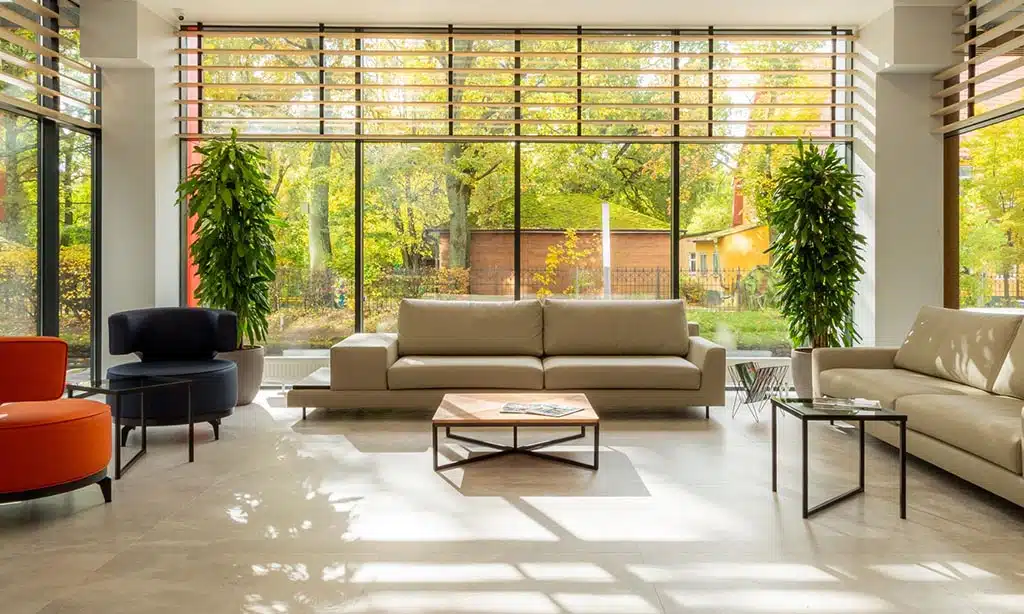
In a minimalist luxury living room, the sofa often acts as the main character. It tends to be low, deep, and generously proportioned. Its upholstery might be textured but muted, inviting you to sit without calling attention to itself.
The rest of the room supports that centrepiece. A single coffee table in stone or wood provides a solid anchor. A side chair, perhaps sculptural or slightly unexpected, balances the composition. Lighting comes from a floor lamp, a subtle ceiling fixture, and possibly wall lights—each placed to create pools of warm light rather than one bright glare.
Decor remains deliberate. A few books, a bowl, a vase with a single branch or a small floral arrangement. The negative space between objects is as important as the objects themselves.
Kitchens as Understated Status Symbols
Modern kitchens often double as social spaces and visual backdrops. Minimalist luxury kitchens recognise this and present themselves as calm yet clearly premium.
Cabinetry tends to be handle-less or uses discrete pulls. Appliances integrate into panels to maintain continuous lines. Stone worktops may carry veining that feels like natural artwork, flowing down into waterfall edges. Colour palettes stay restrained—off-whites, greys, or warm woods—allowing materials to stand out.
Storage solutions play a large role. When small appliances, utensils, and pantry items hide behind closed doors, surfaces remain clear. This creates that magazine-like simplicity, but the kitchen still works hard behind the scenes.
Bedrooms and Bathrooms as Retreats
In bedrooms, minimalist luxury pushes the idea of sanctuary. The bed is generous and layered: quality mattress, crisp sheets, a few pillows in tonal shades, and a single throw instead of a mountain of cushions. Bedside tables stay edited, with perhaps a lamp, a book, and one personal item.
Curtains or blinds fall in soft, full lengths, framing the window and controlling light. Colour schemes remain hushed, often a shade or two deeper than the main living spaces to encourage rest.
Bathrooms take cues from boutique hotels. Large-format tiles reduce grout lines. Basins may sit on monolithic tops. Fixtures keep a simple geometry but come in brushed metal finishes that feel refined. Clutter disappears into recessed cabinets and drawers, leaving out only what supports the ritual of daily care.
Why Developers and Brands Embrace Minimalist Luxury
Minimalist luxury is not only a homeowner’s preference. Developers, agents, and design-led brands have strong reasons to back this aesthetic.
Broad Appeal to Global Buyers
Minimalist luxury travels well across markets and cultures. A restrained, well-detailed space rarely offends. Buyers can imagine their own furniture and art in the rooms.
This broad appeal makes minimalist luxury a safe yet aspirational choice for new developments, serviced apartments, and branded residences. It reads as premium without being culturally specific or overly trend-driven. As a result, marketing images feel timeless, and listings remain attractive for longer.
Versatility for Staging, Resale, and Rental
Neutral palettes and simple forms give agents and stylists enormous flexibility. A few accessories can tilt the mood towards coastal, urban, or rustic. The underlying shell stays consistent.
For landlords and short-term rental hosts, minimalist luxury offers durability and efficiency. Hardwearing materials and uncluttered layouts make cleaning easier. Spaces photograph well for listings. Guests perceive a high standard of care even when the décor relies on a few strong moves rather than many small items.
Luxury Branding Without Flash
Brands across fashion, hospitality, and interiors have leaned into a “stealth wealth” tone. Minimalist luxury suits that position perfectly.
Instead of overt logos, the brand story appears through touchpoints: the weight of a door, the softness of towels, the finish on cabinetry, the calm of the colour palette. This aligns with a growing preference for quiet confidence over showy display. It also allows brands to talk about values—craft, longevity, sustainability—rather than just visual style.
How to Bring Minimalist Luxury Into Your Own Home
You do not need a full renovation or a huge budget to move your home towards minimalist luxury. The shift is as much about mindset as it is about objects.
Edit First, Then Curate
The first step is subtraction, not addition. Walk through each room and remove what feels redundant, broken, or purely habitual. Aim to clear surfaces and reveal the architecture.
Once you create breathing space, resist the urge to refill it immediately. Live with the emptier room for a while. Notice how you move through it. Pay attention to what you genuinely miss and what you do not. That observation phase helps you make better decisions when you start curating again.
Invest in Fewer, Better Pieces
When you do bring items back in, favour quality and longevity. This does not always mean the most expensive option, but it usually means solid construction and timeless form.
Choose one or two pieces per room to carry most of the visual weight. In a living room, that might be the sofa and the coffee table. In a bedroom, the bed and the bedside lighting. Spend as much as you comfortably can on those anchors, and keep secondary items simple.
Over time, this approach builds a home where almost everything feels purposeful. You avoid the drawer of regret purchases and the sense of constant churn.
Layer Texture, Light, and Personal Stories
Minimalist luxury does not ask you to erase your personality. It simply asks you to be selective about how you express it.
Use texture to soften and enrich rooms: wool rugs, linen curtains, tactile cushions, timber side tables, clay vessels. Vary the feel of surfaces, even if the colours stay close. Add layers of light—ambient, task, and accent—so the atmosphere can shift from bright and functional to low and intimate.
Finally, keep some pieces that carry personal meaning: a photograph, a travel object, a favourite book, a small artwork from a local maker. When placed thoughtfully, these items break any hint of showroom sterility and make the space unmistakably yours.
Is Minimalist Luxury a Passing Trend or a New Normal?
Like any strong movement, minimalist luxury will evolve. Early versions leaned heavily on pale neutrals and extremely pared-back forms. Newer expressions introduce richer colours, deeper woods, and more visible craftsmanship while holding on to the core values of calm and clarity.
Some designers talk about “minimaluxe” or “hushed interiors” to describe this direction: rooms that remain simple in outline but feel more layered, tactile, and emotionally resonant. The common thread is still restraint. The difference lies in how that restraint is expressed.
Ultimately, minimalist luxury looks less like a fleeting trend and more like a settling point. It offers a practical response to busy lives, open-plan living, and a desire for more mindful consumption. It lets homeowners enjoy comfort and beauty without visual chaos or conspicuous display.
As long as people crave spaces that restore them rather than overwhelm them, minimalist luxury will continue to dominate modern homes—quietly, confidently, and with room to breathe.
Final Thought
Minimalist luxury has become the defining look of modern homes because it captures what many people want today: calm, comfort, and quality without excess. It blends the clarity of minimalism with the warmth of premium materials, creating spaces that feel serene yet sophisticated. As homes continue to serve multiple roles—from workspace to sanctuary—this approach offers both practicality and refinement. With its focus on thoughtful curation, natural textures, and long-lasting design, minimalist luxury is more than a trend. It reflects a wider shift toward intentional living, where beauty comes from simplicity and every detail adds quiet value.