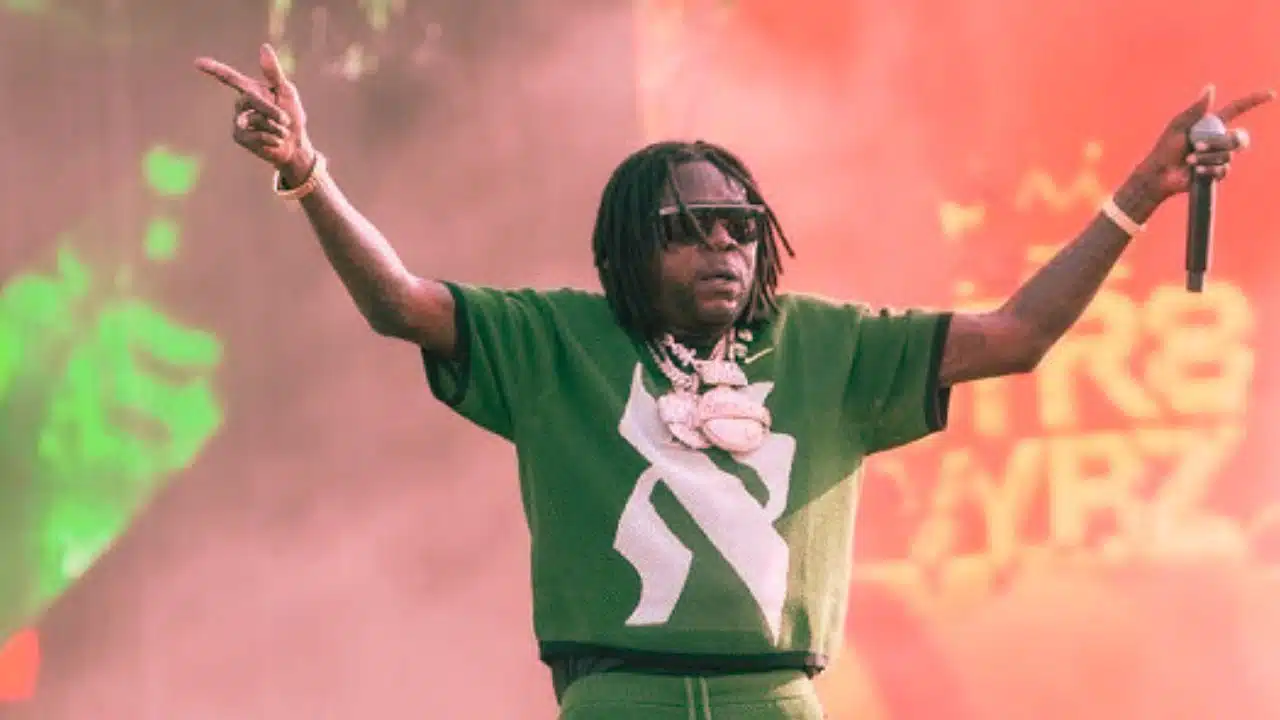
Many fans hunt for clear answers on who is vybz kartel and why his name pops up in music and news. They find bits of rumor and odd headlines. He was born Adijah Palmer in Kingston, Jamaica in 1976.
This guide will walk you through his rise in dancehall clubs, his hit songs, his studio craft, his court case and his impact on culture. Keep reading.
Key Takeaways
- Vybz Kartel (Adijah Palmer) was born January 7, 1976, in Kingston, Jamaica. He sang at street gatherings by age 12 and formed the Vibes Cartel in 1996 with Mr. Lee and Escobar.
- He hit Jamaican charts in 2002–2003 with “Guns Like Mine,” “Badman,” and “Most High,” won Stone Love’s Deejay of the Year award in 2002, and earned a 2003 MOBO nomination.
- His 2009 single “Rompin Shop” reached No. 87 on the Billboard Hot 100. The New York Times, Fader, and Dazed & Confused ran cover stories on him in summer 2011.
- Police charged him with two murders in September 2011 and convicted him in 2014, handing him a life sentence. He released “King of the Dancehall” in 2016 and walked free on July 31, 2024.
- He founded the Portmore Empire label and mentored Popcaan and Spice. He fused reggae, hip-hop, and dancehall to reshape fashion, slang, and sound system culture.
What was Vybz Kartel’s early life like and how did he start in music?
Vybz Kartel was born on January 7, 1976, in Kingston, Jamaica. He sang in street gatherings, and he joined local talent shows. At age 12, he dropped his first track, Fat Women, as Adi Banton.
He formed the Vibes Cartel in 1996 with Mr. Lee and Escobar. They split soon after, so he kept the name Vybz Kartel and built his solo career.
He drew from stars like Ninjaman, Buju Banton, Will Smith, and KRS-One. A veteran DJ, Bounty Killer spotted his skill and made him a protégé. Kartel then wrote songs for Bounty Killer, for the deejay Elephant Man, and for the group Scare Dem Crew.
He fused Reggae roots with Dancehall energy to boost Jamaican music, and he rose fast in the late 1990s.
Rise to Prominence in Dancehall
Vybz Kartel blasted onto the dancehall scene with hits like “Clarks”, riding killer riddims on booming sound systems. He flexed raw lyricism and punchy flow, turning the studio and mixing board into his playground.
What were Vybz Kartel’s breakthrough hits?
Early on he dropped a string of Jamaican charttopping singles. Fans ate up his raw style and catchy riddim hooks.
- Guns Like Mine (2002) drove heads to nod with deep bass and clever punch lines.
- Badman (2002) showed his tough persona over an eerie reggae beat that grabbed ears.
- Most High (2002) fused sharp wordplay with a simple, danceable groove.
- Dancehall Hero fired up clubs and radio with its shout-out to street legends.
- Ramping Shop climbed charts, thanks to its playful back-and-forth vocals.
- Fever brought heat to sound systems, its sultry melody topping playlists.
- Yuh Love (2009) rode the Smoke Machine Riddim by Dre Skull into heavy rotation.
- Rompin Shop (late 2008) stirred talk with explicit lines, yet ruled dancehall charts.
- Go Go Wine lit up dance floors with its catchy hook and slick production.
- Half On A Baby blended romance and swagger on a smooth, mid-tempo beat.
- Clarks (2010) paid tribute to the footwear label, boosting his global reach.
How would you describe Vybz Kartel’s signature style and influence?
Kartel grips crowds with explicit, provocative lyrics that fueled controversy. Some bans could not stop fans from streaming his songs. He launched both clean and raw cuts of hits like “Virginity” and “Versatility.” Music tackles love, conflict, social issues head-on.
Producers note his blend of reggae riffs, dancehall beats, and hip-hop loops. Engineers praise his use of a rhythm box and audio board for crisp mixes.
Artists mimic his flashy style and bold outfits, setting fashion statements across Kingston. Clubs buzz with new steps that trace back to his dancehall trend pushes. DJs spin his anthems on giant sound systems worldwide.
Labels find themselves chasing his boundary-pushing approach to culture and music. Trendsetters call him the spark that ignited a fresh wave of bold creativity.
Major Career Milestones
He racked up millions of streams on digital platforms and shook up dancehall culture.
He grabbed the studio microphone and turned simple beats into crowd anthems.
How did Vybz Kartel establish his legacy from 1993 to 2008?
Vybz Kartel climbed local stages in Kingston and shook up dancehall culture. His daring moves built a major legacy.
- Kartel joined Bounty Killer’s Alliance crew in 1993 and cut his teeth on local Sound System stages. He learned to craft lyrics and command crowds.
- Stone Love named him Deejay of the Year at its 30th Anniversary in 2002, a nod to his raw talent. The honor came during a packed sound clash event.
- The debut album, “Up 2 Di Time”, dropped in 2003 and earned a MOBO Award nomination in the U.K. People later pulled the nod over homophobic lyrics.
- A fallout with Bounty Killer came in 2005, pushing him to forge his own path in music. He honed his style and scored major hits.
- Portmore Empire label rose under his lead. He signed Spice, Gaze Kim, Blak Ryno, Shawn Storm, Doza Medicene, Lisa Hype, Jah Vinci, Popcaan, Gaz Indu, Sheba and Dotta Coppa.
- Diss tracks fired at Mavado in 2006 sparked a fierce Gaza vs Gully rivalry. Fans picked sides and the clash shaped his legacy.
What marked Vybz Kartel’s international success and legal troubles between 2009 and 2013?
Fans took notice beyond Jamaica in 2009. His tunes landed on the Billboard Hot 100.
- A new censorship rule hit reggae and dancehall in February 2009 when Jamaica banned songs that showed sex or praised violence.
- He scored a dancehall success when “Rompin Shop” climbed to number 87 on the Billboard Hot 100 in August 2009.
- His 2011 Kingston Story album dropped with producer Dre Skull on the remix circuit.
- The hit single “Go Go Wine” from that record turned into a club anthem and radio staple.
- Fader, Dazed & Confused and The New York Times all ran cover stories on him in summer 2011.
- The track “Half On A Baby” arrived in October 2011 with five remixes by Mosca, Dubbel Dutch, Schlachthofbronx, Funkystepz and Bert On Beats.
- Police charged him in September 2011 with the murder of Barrington “Bosie” Burton, sparking controversy in the music world.
- Courts added a second murder count for Clive “Lizard” Williams after he posted bail, intensifying his legal issues.
How has Vybz Kartel continued his music career during incarceration since 2014?
Vybz Kartel kept his sound alive in prison. He released albums and mixes from behind bars.
- Following his 2014 incarceration and life imprisonment, he kept his dancehall career alive with steady writing.
- His 2016 album, ‘King of the Dancehall’, topped charts on YouTube and Spotify.
- Collaborations with Tekno and Afro B emerged in 2020 and 2021.
- Using FL Studio and Pro Tools, he crafted beats from prison cells.
- Tracks flew to SoundCloud and Apple Music as new releases flowed.
- A Pusha T remix of ‘Half On A Baby’ hit hip hop blogs hard.
- Royalties from streams kept his music career funded behind bars.
- News on July 31, 2024, stunned fans as freedom came for him and co-accused.
Personal Life
Kartel sends sweet letters to his children, tags family in social network posts, juggles romance and court filings like a pro, and spices it all with cheeky lyrics, so read on to find out more.
What is known about Vybz Kartel’s family and relationships?
Vybz Kartel came from a tight knit home in Waterford, Portmore near Kingston, and keeps family matters under wraps. He weaves real ties into hit tracks, turning friends and lovers into lyrical content.
Collaborators and prodigies from his Portmore Empire label boost his personal life into the spotlight. Media outlets in Jamaica chase any gossip about his kin.
His close bonds with protégés build his public persona and spark new talent in dancehall music. A few siblings and parents stay out of view, while partners inspire bold verses. He shares love stories like a poet on stage.
Fans track every new line for hints about his relationships.
What controversies has Vybz Kartel been involved in?
Controversy swirled around his explicit lyrics. Broadcast regulator enforced censorship on Rompin Shop in 2009. Award bodies dropped him for homophobic lines. A violent clash with performer Ninjaman flared at a music festival.
Rival star Bounty Killer traded diss tracks in 2005. The feud split fans and press.
His feud with artist Mavado sparked the Gaza vs Gully clash. The head of government urged peace over violence. Authorities arrested him in 2011 on murder charges. Incarceration did not stop new releases.
Critics questioned the island’s justice system.
How tall is Vybz Kartel and what is his physical stature?
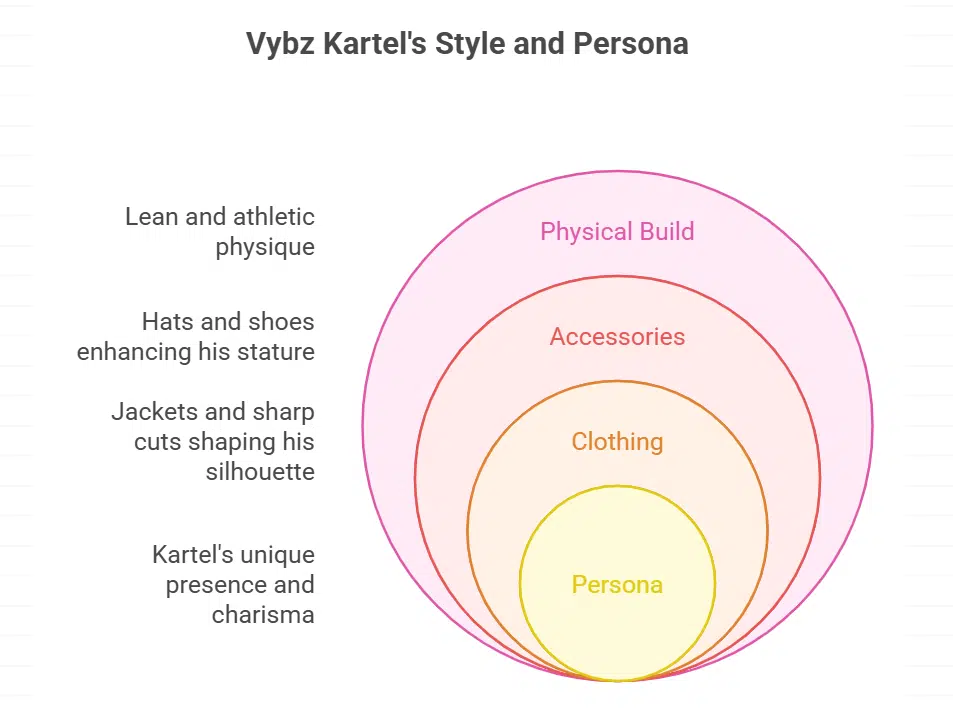
Kartel occupies a midrange height that blends into crowds of dancehall stars. He sports a lean, athletic build, with narrow shoulders and toned limbs.
He picks Clarks shoes to boost his stance and adds high-brim hats to stretch his profile. Bold jackets and sharp cuts sculpt his frame, and his persona pops on stages and in media.
Awards and Recognitions
He grabbed major prizes at music awards and topped the chart listings. See how each honor built his legend.
What notable awards and nominations has Vybz Kartel received?
Vybz Kartel rose fast in dancehall music. Fans saw him earn top awards and many nominations.
- Stone Love named him Deejay of the Year in 2002, at their 30th Anniversary bash, and that win cemented his spot in dancehall music.
- His track Up 2 Di Time earned a nomination at the 2003 MOBO Awards in the UK, before officials pulled it over homophobic lyrics, a move that ruffled feathers.
- Rompin Shop climbed to number 87 on the Billboard Hot 100 in August 2009, marking his first U.S. chart crown, and setting the bar high.
- Summer 2011 saw him grace covers for Fader, Dazed & Confused and The New York Times, a rare triple feature that turned heads.
- His albums won praise from critics and fans, stacking acclaim across dancehall charts and playlists, and sealing his iconic status.
Discography Highlights
Kartel dropped album After All, shared mixtape Tecknology on SoundCloud, and released club-hit singles that shook dancefloors—read on to see how his tracks changed the game.
What are Vybz Kartel’s key albums?
Vybz Kartel dropped several albums that shaped dancehall. These discography highlights showcase his growth and raw talent.
- Up 2 Di Time (2003): His studio debut fused street narratives with raw beats and paved his path to commercial success in Jamaica.
- J.M.T. (2005): He rode heavy riddims with rapid flows, scoring multiple hits and turning one track into a carnival anthem.
- Pon Di Gaza 2.0 (2010): It featured hit singles “Ramping Shop” and “Life Sweet.” Audio engineering pros praised its crisp mix and booming bass.
- Kingston Story (2011): He bridged reggae roots and modern dancehall, weaving local tales into catchy refrains. Clubs and streaming platforms still spin its tracks.
- King of the Dancehall (2016): Released during his incarceration, it proved his staying power. Critics deemed it critically acclaimed as fans kept it high on the charts.
Which mixtapes and singles are most significant in Vybz Kartel’s career?
His tracks lit dancehall stages. Fans craved his mixtapes on every block.
- Fat Women was his first single, cut at age 12 under the name Adi Banton.
- Guns Like Mine, Badman and Most High dropped in 2002, building his street cred.
- Dancehall Hero and Ramping Shop broke charts, showing off his playful bars and style.
- Rompin Shop hit in late 2008, stirring heat with its bold lyrics, and Go Go Wine kept dancers moving.
- Yuh Love arrived August 2009 on the Dre Skull Smoke Machine Riddim, mixing smooth vocals and raw energy.
- Clarks sparked a fashion trend in 2010, selling out shoe shops across Jamaica.
- Half On A Baby landed in 2011, spawning remixes by the producer Mosca, the duo Dubbel Dutch, the crew Schlachthofbronx, the DJ Funkystepz and the beatmaker Bert On Beats.
- Collaborations with the Nigerian singer Tekno, the UK beatmaker Afro B and a remix by the rapper Pusha T added new flair.
- Underground mixtapes on streaming services fused raw freestyles with hot riddims, stoking street hype.
Impact on Dancehall Culture
Kartel rewrote dancehall history by fusing gritty street slang with modern riddim beats, sparking trends in sound system clashes and remix culture—keep reading to see his full impact.
What dancehall trends did Vybz Kartel pioneer?
Vybz Kartel spread signature footwear across Kingston, shaping street fashion. Fans flashed those boots in dance halls. Bold verses shook radio waves with raw themes. His tracks came in clean and adult versions on the same cut.
A fan faction rose, molding street culture into festival scenes.
Music videos bloomed with bright sets and quick edits. Directors then copied that fresh style in many clips. Collaborative tracks with new voices crossed borders. Online distribution platforms and free streams pushed his songs far and wide.
Social ills on schools, roads and politics jumped into his lyrics.
How has Vybz Kartel influenced emerging artists?
Portmore Empire launched Kartel’s legacy. That label gave Spice, Popcaan, Gaze Kim, Blak Ryno, and Jah Vinci a solid start. His studio let artists speak freely. He used a music workstation and drum pad to shape fresh sounds.
He wrote hits for Bounty Killer, Elephant Man, and Scare Dem Crew. Many mentees moved on to solo stardom. His mentorship gave them bold voices. Producers still mimic his vocal runs.
Studios now blend rap, reggae, and EDM. His genre fusion pushed dancehall forward. Young singers tweak his lyrical twists as blueprints. They push creative limits under his old model.
The ripple shows up in today’s hits.
Takeaways
Vybz Kartel rose from Kingston streets to global dancehall stages. He fused reggae roots with raw hip hop energy. Fans still feel his pulse in venues around the globe. He sends new songs from prison, using audio hardware and internet platforms.
His bold lyrics shaped culture and inspired fresh voices. Kingston born artist keeps breaking rules, even behind bars.
Discover more about the dancehall icon’s physical presence by exploring our detailed article on how tall Vybz Kartel is.
FAQs
1. Who is Vybz Kartel?
He is a singer from Jamaica, who rose as the King of Dancehall. His real name is Adidja Palmer.
2. What does Exploring the Life and Legacy of the King of Dancehall show?
It dives into his roots, his rise, and his influence on the music. It paints his life in broad strokes, and it shows how his legacy still echoes.
3. How did Vybz Kartel shape his music?
He added bold words, he dropped hot beats. “His music hit me like a wave,” one fan said. He broke old rules, set new paths. Fans still move to his tracks.
4. Why does his legacy still matter?
His songs still play at big gatherings. His life story sparks talks among music lovers. He carved his mark on the music world.