
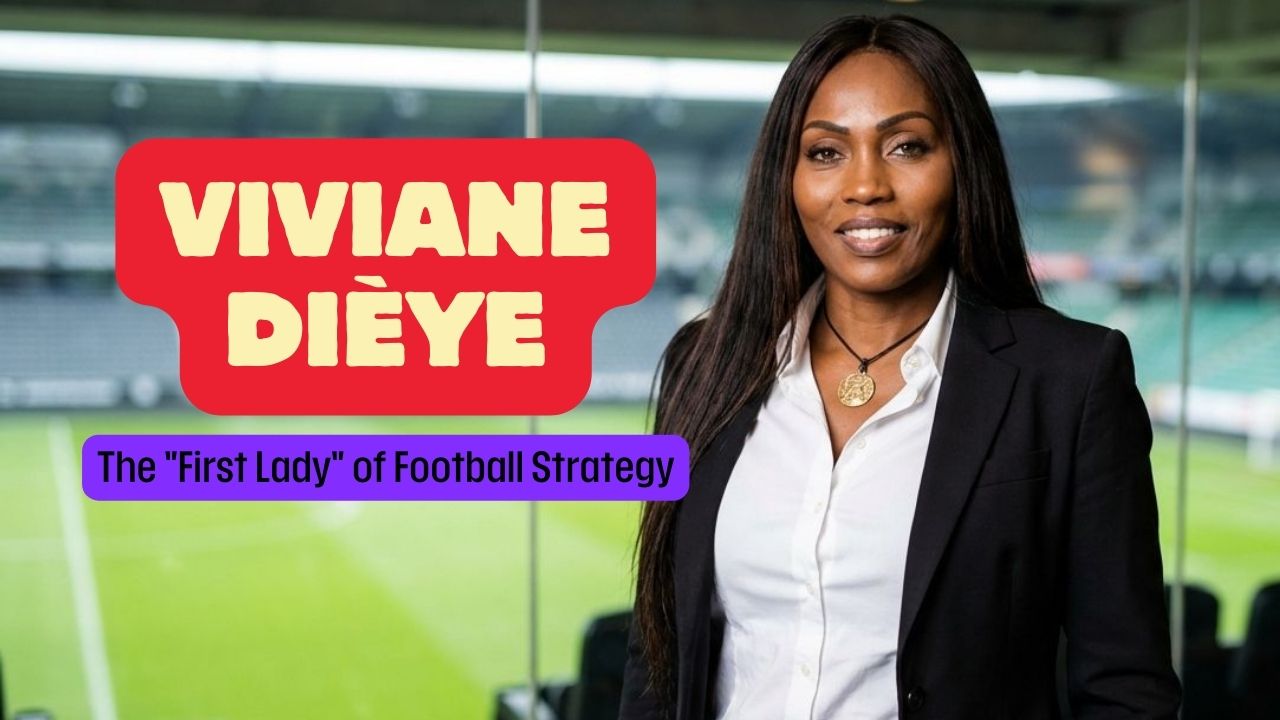
If you keep hearing the name Viviane Dièye in football conversations, you are usually hearing it through the careers of high-profile coaches like Bruno Metsu, and through big national team storylines tied to Senegal and Saudi Arabia.
What people want is simple: what is verified, what is rumor, and what her real role is in association football, beyond the headlines.
This guide separates confirmed biographical facts from internet mythology, then shows you how to evaluate claims about “behind-the-scenes” football strategy so you can judge them with confidence.
Key Takeaways
- Verified identity: Viviane Dièye is widely documented as Bruno Metsu’s wife and widow, and she later became publicly linked to coach Hervé Renard.
- Big moments people mix up: Metsu is tied to Senegal’s 2002 FIFA World Cup run, while Renard is tied to Saudi Arabia’s famous World Cup win over Argentina in 2022.
- Strategy claims need proof: There is no widely published, official record naming Dièye as a coach, analyst, or tactical staff member on a World Cup bench.
- Best way to verify: Trust official staff lists, federation announcements, and reputable match reports before you trust social media captions or celebrity-style bios.
Who Is Viviane Dièye?
Viviane Dièye is best known publicly through her family ties to elite football coaching, first as the wife of Bruno Metsu and later as the partner of Hervé Renard.
Many blogs describe her as a strategist, influential advisor, or football thinker. In practice, the most reliable public records focus on her as a spouse and public companion, not as a named member of the coaching staff.
One key, verifiable detail is that Metsu was survived by Viviane Dièye Metsu and their three children, and biographical summaries of Metsu also describe her as Senegalese and connected to his life in Senegal and France.
- If you want the safe summary: She is a public figure adjacent to major coaches, not a clearly documented coach on the official record.
- If you see “First Lady of football strategy”: Treat it as a fan nickname, not a formal title.
Viviane Dièye’s Connections to Football Legends
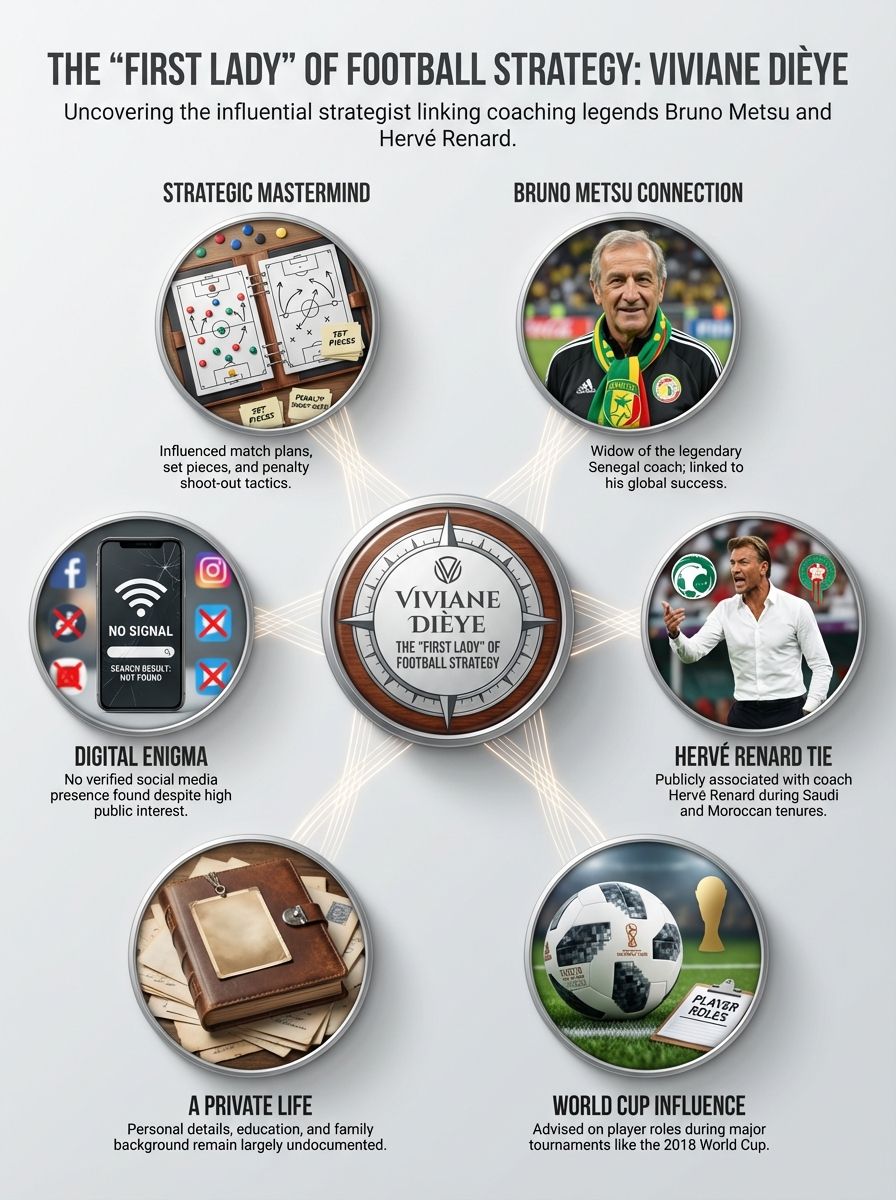
Viviane Dièye is connected to widely known football names through relationships: Bruno Metsu, who led Senegal during its historic rise in the early 2000s, and Hervé Renard, who coached multiple national teams, including Saudi Arabia.
To keep the timeline straight, use the table below as your quick reference point.
| Figure | Why fans remember them | Where Viviane Dièye fits |
|---|---|---|
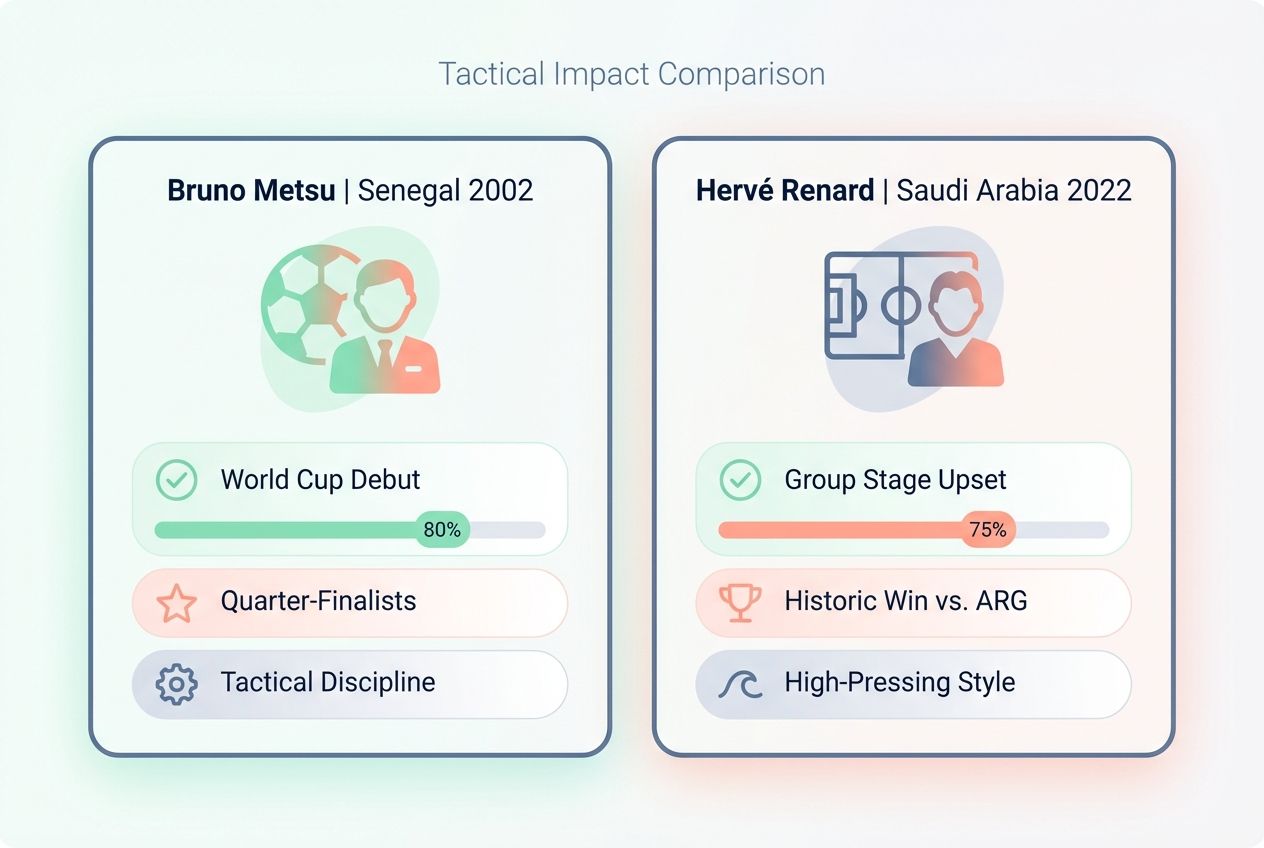
| Bruno Metsu | Led Senegal to a famous upset over defending champions France at the 2002 FIFA World Cup, and to the quarter-finals | Documented as his wife and widow, often referred to as Viviane Dièye Metsu |
| Hervé Renard | Coached Saudi Arabia to a shock World Cup win over Argentina (2-1) on November 22, 2022 | Publicly described as his partner in major biographical profiles |
How Was Viviane Dièye Married to Senegal Coach Bruno Metsu?
Viviane Dièye is documented as the spouse of Bruno Metsu, the Senegal coach associated with the 2002 World Cup breakthrough.
As described in Metsu’s widely cited biographical record, he converted from Christianity to Islam in Senegal in connection with his marriage, taking the name Abdulkarim (also reported as Abdou Karim in some coverage), and his wife is described as a Senegalese Muslim who used the name Viviane Dièye Metsu after the marriage.
Metsu died on October 15, 2013, after being diagnosed with primary colon cancer in October 2012. His death is one reason Dièye is frequently mentioned in stories about Senegal, France, and football culture around the World Cup.
What Is Viviane Dièye’s Partnership with Hervé Renard?
Hervé Renard is publicly listed as being in a relationship with Viviane Dièye, and this is repeated across major biographical summaries of Renard.
What you should not assume, unless you see official confirmation, is that “partner” means “assistant coach” or “tactical staff.” National team staff roles are usually published, and the job titles (analyst, assistant, set-piece coach) are typically clear when they exist.
If you are trying to verify an on-field influence claim, look for one of these proof points:
- Her name on a federation staff list for a national team
- A credited role in a tournament media guide
- Direct quotes from a coach describing her tactical duties
Viviane Dièye’s Influence in Football Strategy
There is no widely available, official documentation showing Viviane Dièye as the author of match plans, set-piece routines, or penalty shoot-out (association football) preparation for a FIFA World Cup team.
Still, you can understand why people use strategic language around her: she has been visible alongside coaches who operate at the highest level, and public narratives often turn that proximity into a “behind the scenes” story.
What Football “Strategy” Work Is Actually Trackable?
If you want to judge strategy claims like a pro, focus on roles that leave a paper trail.
- Set-piece coach: designs corner and free-kick routines, both attacking and defending
- Opposition analyst: breaks down patterns, tendencies, and transitions
- Video analyst: tags match clips and builds opponent scouting packs
- Sports psychologist or performance staff: supports pressure moments like penalties
Why Set Pieces and Penalties Get So Much Attention
Fans love dramatic moments, and strategy shows up most clearly in dead-ball situations and shoot-outs.
In a FIFA technical review during the 2018 FIFA World Cup in Russia, set pieces were highlighted as a major source of goals, with roughly 42% of goals coming from dead-ball situations at that point in the tournament.
Practical takeaway: If someone claims a hidden strategist changed a team’s fortunes, ask first: did the team improve in set pieces, transitions, or penalty preparation, and is there evidence tying that work to a named staff role?
Why Did Viviane Dièye Convert to Islam and What Were the Cultural Effects?
It is easy to find posts that talk about a “conversion to Islam” in this story, but the most consistently documented conversion is tied to Bruno Metsu, not to Viviane Dièye.
Multiple reputable profiles describe Metsu converting to Islam while in Senegal in connection with his marriage, adopting the name Abdulkarim, and later receiving an Islamic funeral. That cultural context is part of why his family life, including Viviane Dièye Metsu, is discussed in the same breath as football history.
If you are researching Dièye specifically, keep your wording precise:
- Safe to say: Metsu converted to Islam, and his marriage and funeral are described in that context.
- Be careful saying: Dièye “converted,” unless you can find a direct, credible statement about her personal faith journey.
What Was Viviane Dièye’s Life Like After Bruno Metsu’s Death?
After Metsu’s death on October 15, 2013, public information about Viviane Dièye becomes more limited and more privacy-driven.
What is clearly documented is the scale of Metsu’s legacy: Senegal honored him publicly, and reports describe major figures attending memorial events and funeral observances in Dakar. That public legacy keeps his widow’s name in circulation.
From a research standpoint, this is the point where you should stop treating social media chatter as a substitute for verified biography.
- Use dated obituaries and official announcements for the factual timeline.
- Use interviews and direct quotes sparingly, and only when the outlet is reputable.
Who Are in Viviane Dièye’s Family and What Is Her Personal Life Like?
The most reliable, repeatable family fact is simple: Bruno Metsu was survived by Viviane Dièye Metsu and their three children.
Beyond that, you will see many posts listing children’s names, a father’s name, or personal history details. Treat those as unverified until you see the same details consistently reported by reputable outlets.
For readers who want clarity, here is a safe way to talk about family without overclaiming:
- Confirmed: marriage to Metsu, three children with him
- Publicly reported: relationship with Hervé Renard
- Often unconfirmed: children’s names, exact birth dates, net worth, and business ownership claims
How Does Viviane Dièye Use Social Media?
Search engines will point you to Instagram claims and circulating handles, but that is not the same thing as a verified, official account.
If you are trying to confirm whether an account belongs to a public figure like Viviane Dièye, use a simple checklist before you trust it:
- Look for verification signals and consistent cross-references from reputable media
- Check whether the account posts original, time-stamped personal content, not reposts
- Be skeptical of accounts that exist mainly to post “instagram photos” with sensational captions
This matters because viral posts often attach her name to Saudi Pro League narratives or national team rumors with no supporting record.
What Are Viviane Dièye’s Contributions to Football Off the Field?
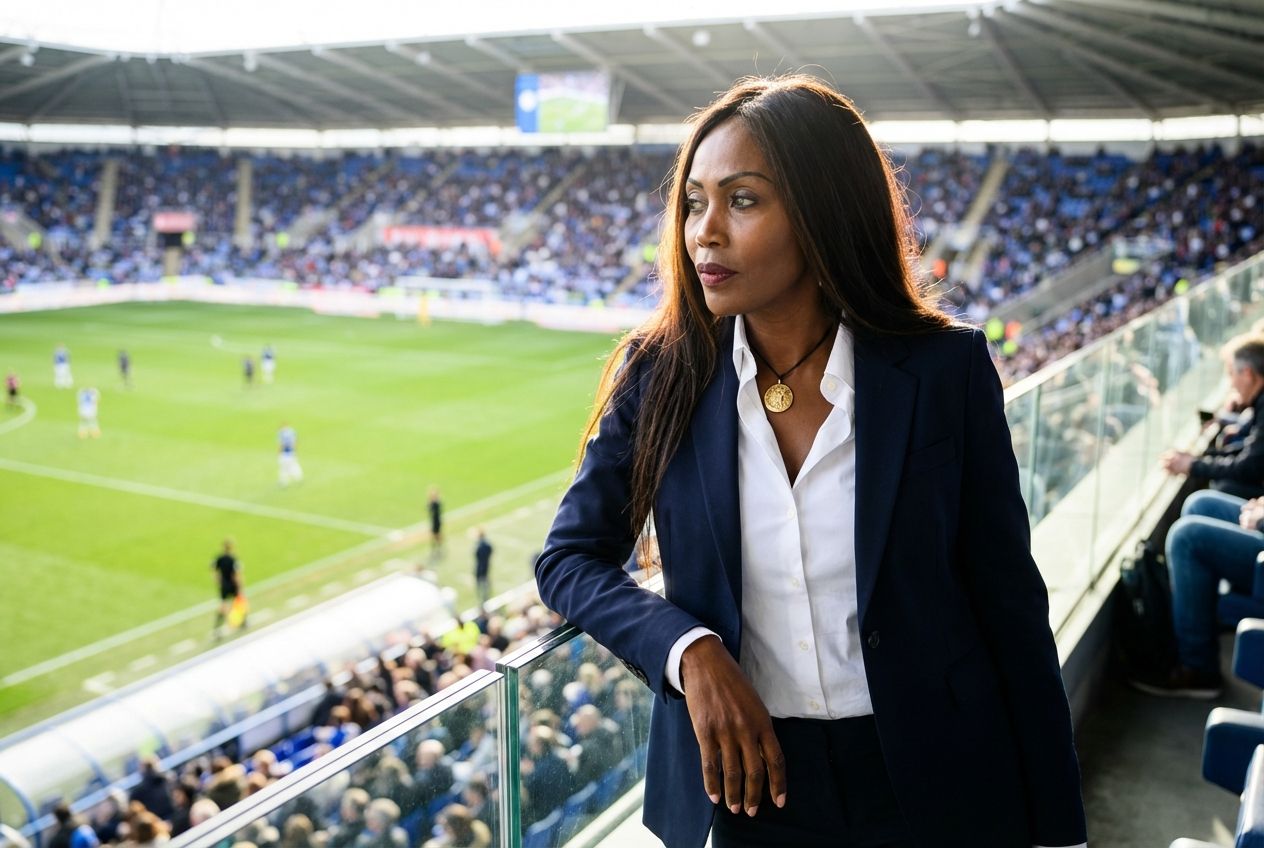
Off the field, her best-documented “contribution” is that she is part of the personal story around famous coaches, a story that fans follow almost like a parallel track to the matches.
If you want something more concrete than celebrity coverage, focus on the measurable off-field work that actually affects teams and communities:
- Youth development and grassroots football programs
- Player welfare and family support systems during long international camps
- Community engagement tied to national teams, especially in Africa and the Arabian Peninsula
It is fair to say she is a visible figure in football culture. It is not fair to assign her specific charity projects or federation roles without proof.
How Does the Public View Viviane Dièye?
Public perception of Viviane Dièye is shaped less by match footage and more by symbolism: the spouse of a beloved Senegal coach and the partner of a coach tied to a modern World Cup upset with Saudi Arabia.
You can see why the stories stick. Metsu became a folk hero after Senegal’s 2002 World Cup run, and Renard became a global headline after Saudi Arabia’s win over Argentina in 2022, a result FIFA itself framed as a famous opening-day shock.
Reality check: admiration for a coach can spill over to the people around him, even when those people are not part of the official tactical staff.
If you want the most accurate view, judge the public narrative in two lanes: verified biography on one side and fan mythology on the other.
Final Words
Viviane Dièye remains a compelling name in football because she connects two very different eras: Bruno Metsu and Senegal’s 2002 World Cup story, then Hervé Renard and Saudi Arabia’s modern World Cup headlines.
If you are looking for “football strategy” proof, keep your standards high. Look for official roles, credited staff positions, and direct statements, not just glamorous partner stories.
Use that filter and you will understand what can be said with confidence about Viviane Dieye and what should stay in the rumor pile.