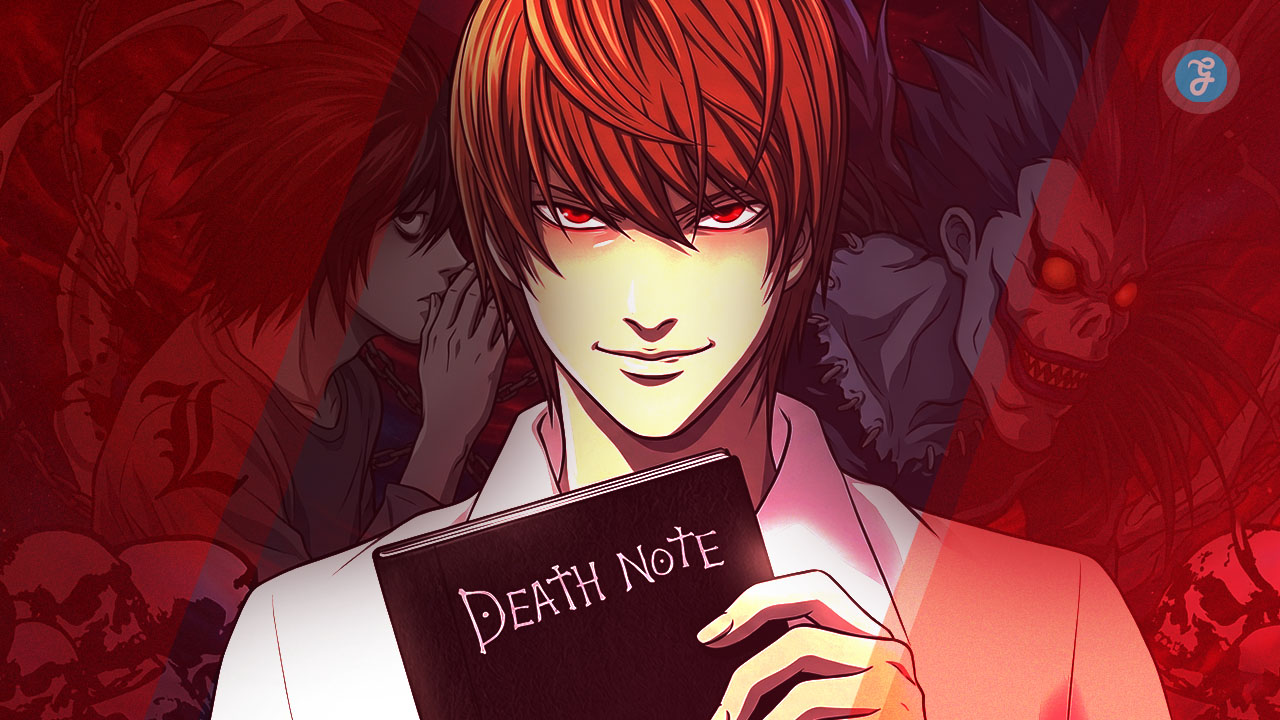
The name Death Note Light Yagami carries a weight that few other fictional characters can match. He is the central figure of a narrative that redefined the psychological thriller genre in anime and manga. Light is not your typical protagonist who fights for the power of friendship. Instead, he is a brilliant student who stumbles upon a weapon of mass destruction and decides to use it to reshape reality.
His story is a gripping exploration of morality, power, and the darkness that resides within the human heart. Over the course of the series, we witness his evolution from an idealistic teenager into a ruthless shadow dictator. This guide will provide a comprehensive look at the man, the myth, and the monster known as Kira. We will examine his origins, his complex psychology, and the lasting impact he has had on pop culture.
The Origin Story of a High School Prodigy
Before the world knew him as Kira, he was simply Light Yagami. He was a 17-year-old high school senior living in Japan. He was the son of a high-ranking police officer and lived a life of academic excellence. Despite his success, he felt a profound sense of boredom and dissatisfaction with the state of the world. He saw a society plagued by crime and a justice system that seemed unable to stop it.
Everything changed on the day he looked out his classroom window and saw a black notebook falling from the sky. This was the moment that Death Note Light Yagami was truly born. Upon picking up the notebook, he discovered its terrifying power. Any human whose name is written in it shall die. After a brief period of hesitation and moral conflict, he made a choice that would alter the course of human history forever.

The Philosophical Foundation of Kira
Light’s decision to use the notebook was not an act of random violence. He developed a very specific ideology that he believed was morally superior to existing laws. He wanted to create a world inhabited only by people he deemed “good” and “hard-working.” To achieve this, he felt he had to become a god-like figure who could pass judgment without the limitations of a courtroom.
This philosophy is what makes Death Note Light Yagami such a fascinating character study. He did not see himself as a villain. He believed he was making a noble sacrifice by staining his own hands with blood to save the majority. This utilitarian approach to justice is what sparked endless debates among the series’ fans. It forces the audience to ask if a peaceful world is worth the cost of an absolute and unchecked dictatorship.
The Supernatural Mechanics of the Death Note
To understand Light, one must also understand the rules he lived by. The notebook came with a specific set of instructions that he mastered with clinical precision. He learned how to control the time and cause of death. He also discovered how to use the notebook to manipulate the actions of his victims before they expired.
His partnership with the Shinigami Ryuk provided him with a unique perspective on the world. Ryuk was not his ally in a traditional sense. He was a spectator who found Light’s actions entertaining. This relationship highlighted the isolation of Death Note Light Yagami. Even though he was dealing with a god of death, he remained the sole architect of his own grand plan. He refused to trade half of his life for the Shinigami eyes because he valued his longevity and his future reign.
The Intellectual Chess Match with L
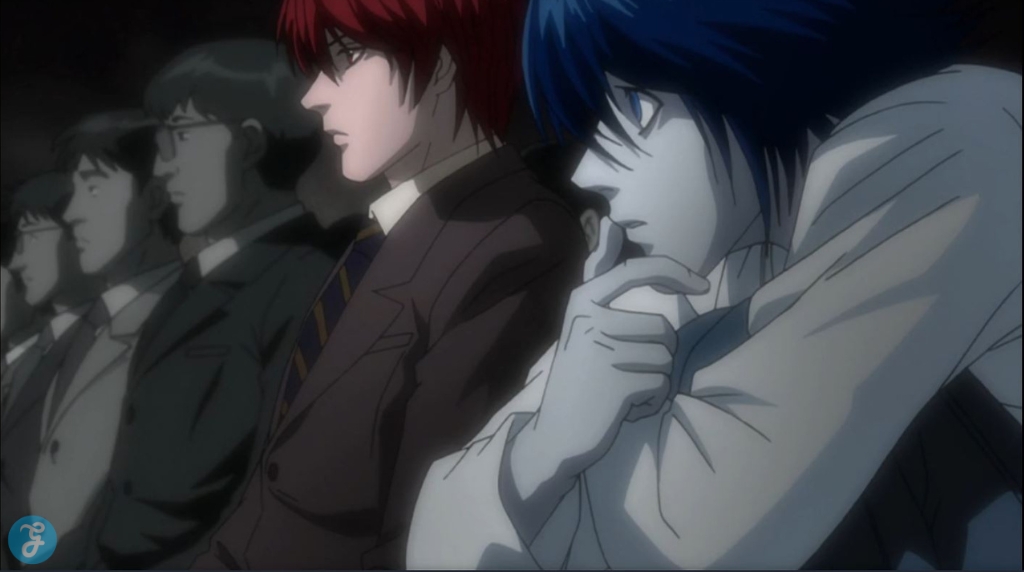
The middle portion of the series is defined by the legendary battle of wits between Light and the detective known as L. This conflict elevated the show into a global phenomenon. L was the only person capable of matching Light’s intellect. He was able to narrow down the location of Kira to a specific region of Japan within days.
This rivalry pushed Death Note Light Yagami to his absolute limits. He had to maintain the appearance of a normal student while being followed by the world’s greatest investigators. He even joined the very task force that was hunting him. This period of the story is filled with tension and psychological warfare. Every conversation was a trap and every move was calculated several steps in advance.
The Strategic Use of Manipulation
Light’s greatest weapon was not the notebook itself. It was his ability to manipulate the emotions and expectations of those around him. He used his good looks and charismatic personality to hide his true nature. He effectively played the role of the perfect son and the ideal student to deflect any suspicion.
His treatment of Misa Amane and Kiyomi Takada showed the darker side of his strategic mind. He used their love and devotion as tools to further his goals as Kira. He viewed people as assets rather than individuals. This cold and analytical approach allowed him to survive for years. However, it also ensured that he would never have any genuine human connections during his time as the ruler of the new world.
The Downfall and the Arrival of Near
After the death of L, Light reigned supreme for five years. He successfully reduced crime rates globally and became a feared figure. However, his arrogance eventually became his undoing. The arrival of L’s successors, Near and Mello, presented a new kind of challenge. Near was more objective and less emotional than L, which made him a difficult target for Light’s typical tactics.
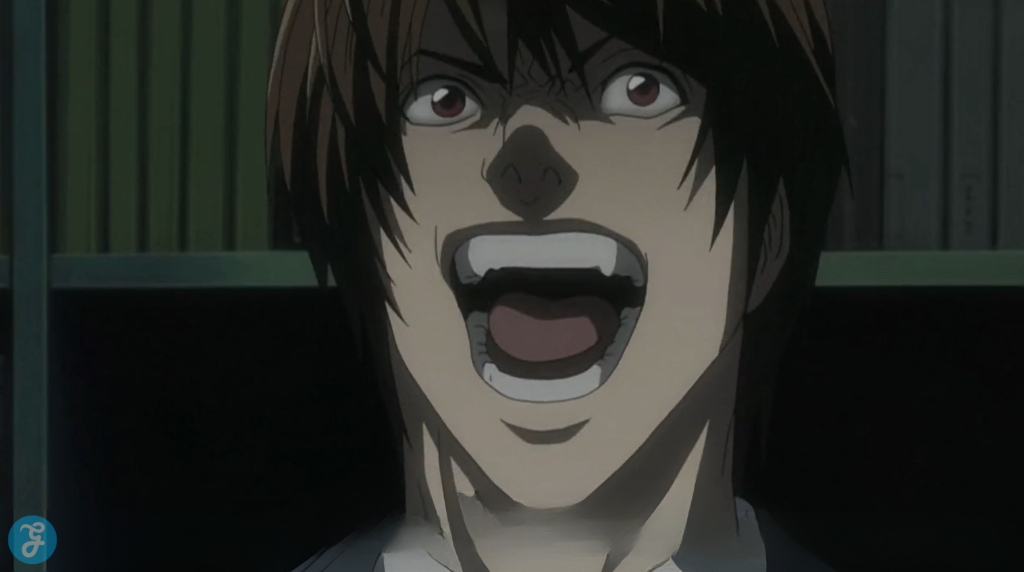
The final confrontation at the Yellowbox Warehouse revealed the cracks in Light’s persona. For the first time, he was caught in a trap he could not talk his way out of. His composure shattered as he realized his god-like status was a lie. This moment is the climax of the Death Note Light Yagami story. It showed a man who had lost his humanity long before he actually lost his life.
The Legacy of the Kira Persona
Even after his death, the impact of his actions remained. The world briefly returned to its former state, but the memory of Kira never truly faded. Cults formed around his ideology and the debate over his version of justice continued. In the eyes of many, he was a revolutionary who dared to do what no one else could. To others, he was a cautionary tale about the corrupting nature of absolute power.
In the realm of anime, Death Note Light Yagami changed the way protagonists are written. He proved that a main character could be a villain and still be incredibly compelling. His influence can be seen in numerous series that feature morally gray leads. He remains the gold standard for how to write a character who is both brilliant and deeply flawed.
Death Note Light Yagami: Strategic Lens Matrix
| Aspect | Description | Impact on the Story |
| Intelligence | Ranked as a top student in Japan. | Allowed him to evade the FBI and L for years. |
| Morality | Extremist utilitarianism. | Resulted in the elimination of thousands of criminals. |
| Psychology | Narcissism and God Complex. | Led to his eventual arrogance and downfall. |
| Social Skills | High charisma and performative empathy. | Enabled him to infiltrate the NPA task force. |
Key Takeaways for Analyzing Light Yagami
-
The Boredom Factor: His journey began not out of malice, but out of a lack of purpose.
-
The Mask of Sanity: He lived a double life that required constant mental maintenance.
-
The Cost of Victory: Each win against his enemies required him to sacrifice a piece of his soul.
-
The Finality of Death: Despite his power, he remained subject to the same rules as everyone else.
Wrap-Up
In conclusion, Death Note Light Yagami is a character that defies simple categorization. He was a visionary who wanted a better world and a murderer who destroyed countless lives. His story serves as a profound warning about the dangers of self-righteousness. He believed he was the judge of humanity, but in the end, he was judged by the very system he tried to replace. His journey from light into darkness remains one of the most powerful narratives in modern media.