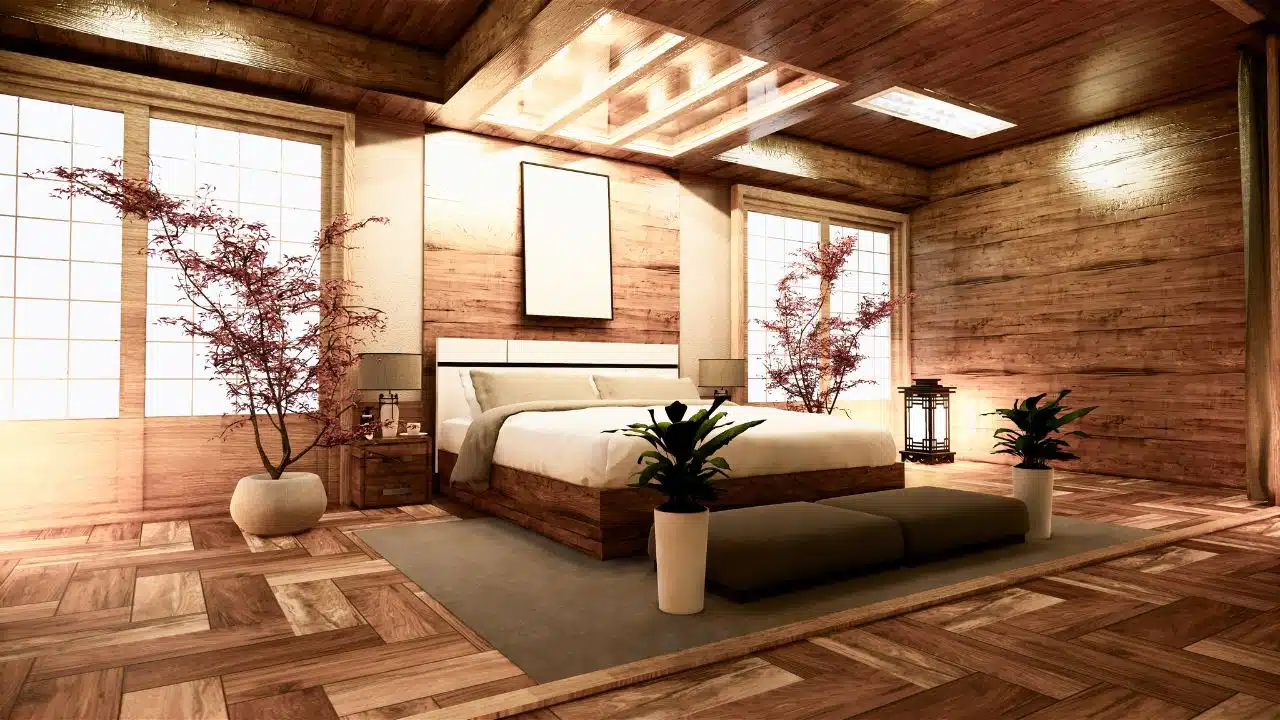
Sustainable design is a practice focused on creating products, spaces, and systems that minimize environmental impact, promote resource efficiency, and enhance human well-being. It aims to address current needs without compromising the ability of future generations to meet their own needs.
From eco-friendly architecture to energy-efficient products, sustainable design integrates environmental, economic, and social aspects to foster a healthier planet.
What is Sustainable Design?
Sustainable design, also known as environmentally conscious design, is the art of crafting spaces, structures, and products that align with ecological and societal goals. Its main purpose is to reduce negative impacts on the environment by incorporating principles such as resource efficiency, waste reduction, and renewable energy use. Beyond environmental benefits, sustainable design emphasizes human health, comfort, and economic viability.
The Main Purpose of Sustainable Design
The core objective of sustainable design is to create a balance between human activities and the environment. This involves:
- Reducing Environmental Impact: Sustainable design prioritizes renewable energy, non-toxic materials, and efficient resource use to decrease the carbon footprint of products and buildings.
- Promoting Health and Well-Being: By using natural lighting, improving air quality, and employing ergonomic designs, it enhances the quality of life for users.
- Ensuring Longevity and Durability: Sustainable design focuses on creating solutions that stand the test of time, reducing waste and the need for frequent replacements.
- Encouraging Economic Savings: Implementing energy-efficient solutions leads to long-term cost savings, making it financially attractive.
The Principles of Sustainable Design
1. Optimize Resource Efficiency
Sustainable design prioritizes the use of materials and energy that minimize waste. For instance:
- Using recycled materials for construction.
- Employing renewable energy sources, such as solar and wind.
- Designing products with a long lifespan to reduce resource consumption.
2. Emphasize Eco-Friendly Solutions
Eco-friendly solutions in design ensure that the entire lifecycle of a product or system has minimal impact on the environment. Examples include:
- Low-emission paints and adhesives.
- Water-saving technologies like low-flow fixtures.
- Green roofs for buildings to improve insulation and biodiversity.
3. Enhance Community and Social Equity
Sustainable design also involves creating inclusive spaces that benefit everyone. By designing infrastructure that is accessible, affordable, and equitable, communities can thrive sustainably.
Why Does Sustainable Design Matter?
The importance of sustainable design is backed by compelling data:
- Energy Consumption: Buildings account for nearly 40% of global energy consumption, making energy-efficient designs a critical focus.
- Waste Reduction: The use of sustainable materials in construction can reduce waste by up to 80%.
- Economic Benefits: Sustainable homes can save $200-$400 annually on energy costs.
Sustainable design addresses pressing global challenges, including climate change, resource depletion, and public health concerns, ensuring a healthier planet and prosperous future.
The Future of Sustainable Design
The demand for sustainable design is growing rapidly. Innovations such as 3D-printed sustainable housing, carbon-neutral cities, and biophilic designs are paving the way for a greener future. Governments and industries are adopting policies that encourage sustainable practices, ensuring that the trend is here to stay.
Final Thoughts
Sustainable design is not just a trend; it is a necessity for the modern world. Its main purpose—to harmonize human activity with the environment—offers a roadmap for a better future.
By reducing environmental impacts, improving health and well-being, and promoting economic savings, sustainable design holds the potential to transform how we live, work, and interact with the planet. Embracing it is not only a moral responsibility but also a smart and forward-thinking choice.