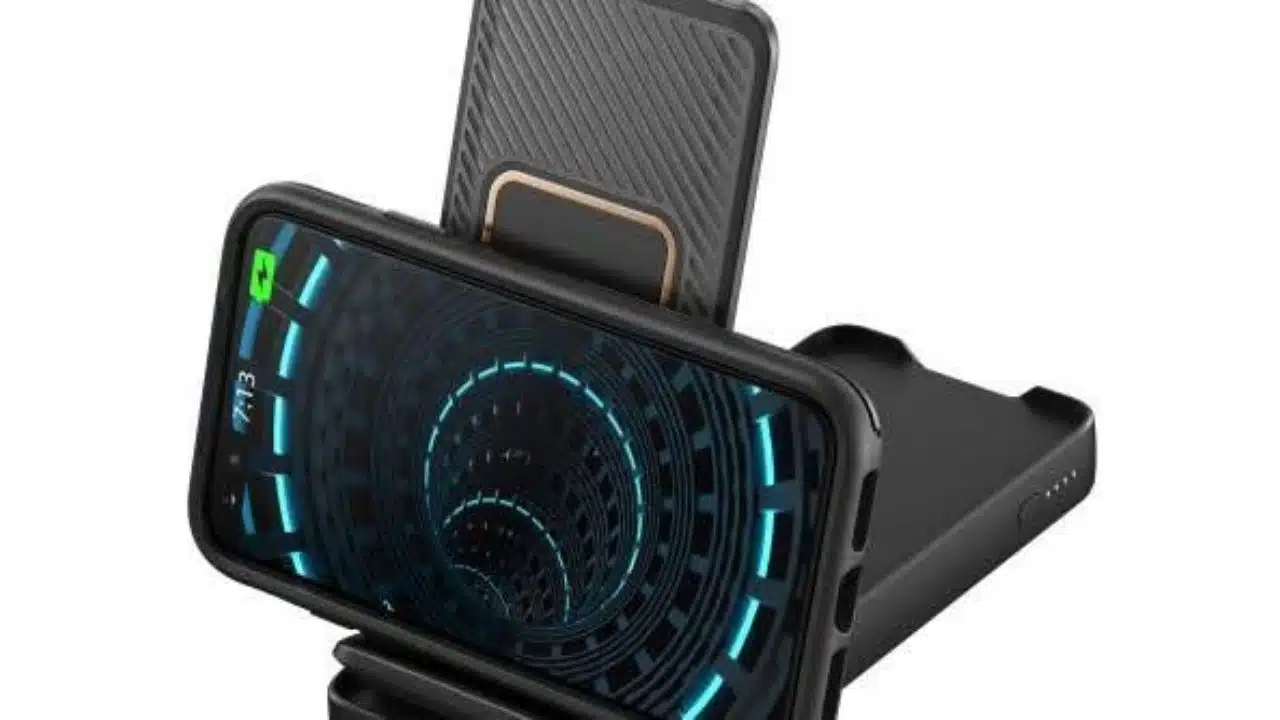
Wireless charging has become increasingly popular in recent years, offering a convenient way to power up our electronic devices without the hassle of cables. One of the most promising wireless charging technologies is VN88 Rezence, which utilizes magnetic resonance to transfer power from a charging pad to your device. However, like any technology, Rezence wireless charging is subject to various factors that can impact its performance, and temperature is one of the most significant.
Introduction to Wireless Charging and Rezence Technology
Wireless charging, as the name suggests, is a method of transferring electrical energy from a power source to a device without the use of physical cables or connectors. This technology has been around for over a century, with its origins dating back to the work of Nikola Tesla and his experiments with electromagnetic induction.
Rezence is a wireless charging standard developed by the Alliance for Wireless Power (A4WP) consortium. It operates on the principle of magnetic resonance, which allows for efficient power transfer over longer distances and through obstacles, compared to traditional inductive charging methods.
The Rezence system consists of a charging pad or transmitter, which generates a magnetic field, and a receiver coil integrated into the device being charged. When the device is placed on or near the charging pad, the magnetic field induces a current in the receiver coil, allowing the device’s battery to be charged wirelessly.
Advantages of VN88 Rezence Wireless Charging
- Convenience: No need for cables or connectors
- Compatibility: Designed to work with a wide range of devices
- Spatial Freedom: Devices can be charged while in use or on the go
Challenges of Rezence Wireless Charging
- Efficiency: Power transfer can be affected by various factors, including temperature
- Standardization: Different wireless charging standards can lead to compatibility issues
The Role of Temperature in Wireless Charging Performance
Temperature plays a crucial role in the performance of Rezence wireless charging systems. Both the charging pad and the device being charged generate heat during the charging process, which can impact the efficiency of power transfer. Understanding the effects of temperature is essential for optimizing the performance of wireless charging.
How Temperature Affects Wireless Charging Efficiency
The efficiency of wireless charging is determined by the amount of power transferred from the charging pad to the device relative to the input power. High temperatures can negatively impact this efficiency in several ways:
- Increased Resistance: As the temperature of the charging coils (both in the pad and the device) rises, the resistance of the coils increases. Higher resistance leads to greater energy loss in the form of heat, reducing the amount of power that can be effectively transferred.
- Component Degradation: Prolonged exposure to high temperatures can cause the degradation of electronic components involved in the wireless charging process, such as capacitors and semiconductors. This degradation can lead to reduced performance and potentially shorter lifespan of the charging system.
- Thermal Management Challenges: Effective thermal management becomes more difficult at higher temperatures, as the heat generated by the charging process needs to be dissipated efficiently. Poor thermal management can lead to further temperature increases, exacerbating the efficiency issues.
Factors Affecting Temperature in Wireless Charging
Several factors can contribute to the temperature rise during wireless charging:
- Ambient Temperature: The surrounding environmental temperature plays a significant role. Higher ambient temperatures make it more challenging to dissipate heat generated by the charging process.
- Power Level: Higher power levels required for faster charging rates tend to generate more heat, increasing the thermal load on the system.
- Device Usage: Using the device while it is being charged wirelessly can generate additional heat from the device’s processors and other components, further raising the overall temperature.
- Charging Pad Design: The design and materials used in the charging pad can affect its ability to dissipate heat effectively. Poor thermal management in the pad design can lead to higher temperatures.
To mitigate the impact of temperature on wireless charging performance, various strategies can be employed, such as optimizing the design for better thermal management, using temperature-resistant materials, and implementing active cooling solutions like fans or heat sinks.
Factors Affecting Wireless Charging Performance
While temperature plays a significant role in wireless charging performance, several other factors can also influence the overall efficiency and effectiveness of the charging process.
Alignment and Distance
Proper alignment between the charging pad and the device’s receiver coil is crucial for efficient power transfer. Misalignment can significantly reduce the coupling efficiency and, consequently, the charging rate. Additionally, the distance between the charging pad and the device affects the strength of the magnetic field, with greater distances leading to lower charging rates.
Foreign Object Detection and Shielding
Wireless charging systems often incorporate foreign object detection mechanisms to prevent overheating or damage caused by metallic objects placed between the charging pad and the device. These objects can cause eddy currents and heat buildup, potentially reducing charging performance or even posing safety risks.
Shielding materials, such as ferrites, are commonly used to contain and focus the magnetic field, improving efficiency and reducing electromagnetic interference (EMI) with other electronic devices in the vicinity.
Power Management and Charging Protocols
The power management and charging protocols implemented in the wireless charging system play a crucial role in optimizing performance. Intelligent power control algorithms can adjust the charging rate based on factors like battery temperature, state of charge, and device power requirements, maximizing efficiency and ensuring safe operation.
Additionally, different wireless charging standards (e.g., Qi, Rezence, PMA) may employ varying charging protocols and communication mechanisms, affecting compatibility and performance across different devices and charging pads.
Applications of Rezence Wireless Charging
Rezence wireless charging technology has gained traction in various applications, ranging from consumer electronics to industrial and automotive sectors.
Consumer Electronics
One of the most prominent applications of Rezence wireless charging is in the consumer electronics market, particularly for smartphones, tablets, and wearable devices. The convenience of wire-free charging has driven widespread adoption, with many manufacturers integrating wireless charging capabilities into their products.
Automotive and Transportation
The automotive industry has embraced wireless charging technology for in-vehicle applications, such as charging smartphones, tablets, and other portable devices. Some automakers have even begun offering wireless charging pads as built-in features in their vehicles, enhancing convenience and reducing clutter caused by traditional charging cables.
Industrial and Commercial Applications
Rezence wireless charging has found applications in industrial and commercial settings, where it can be used to charge robots, sensors, and other equipment wirelessly. This can increase mobility, reduce maintenance costs associated with cable replacements, and improve operational efficiency in environments where wired connections may be impractical or hazardous.
Internet of Things (IoT) and Smart Home Devices
The Internet of Things (IoT) and smart home devices often rely on wireless connectivity and battery power. Rezence wireless charging can provide a convenient and seamless way to keep these devices charged without the need for frequent battery replacements or wired connections, enhancing user experience and reducing maintenance requirements.
Future Developments and Challenges
As wireless charging technology continues to evolve, researchers and manufacturers are working to address the challenges and limitations associated with temperature and other performance-related factors.
Advancements in Thermal Management
Improved thermal management solutions, such as advanced heat sink designs, liquid cooling systems, and phase-change materials, are being explored to better dissipate heat generated during the wireless charging process. These advancements can help maintain optimal temperatures and improve overall efficiency.
Integration of Wireless Charging into Infrastructure
There are ongoing efforts to integrate wireless charging capabilities into public infrastructure, such as airports, hotels, and public transportation systems. This would allow users to charge their devices seamlessly while on the go, without the need for dedicated charging pads or cables.
Standardization and Interoperability
While several wireless charging standards exist, there is a growing need for standardization and interoperability to ensure seamless compatibility across different devices and charging systems. Initiatives like the Wireless Power Consortium (WPC) and the AirFuel Alliance are working towards establishing industry-wide standards and promoting widespread adoption.
Advancements in Battery Technology
Developments in battery technology, such as higher energy densities and improved thermal management, can also contribute to better overall performance in wireless charging systems. Improved batteries may be able to handle higher charging rates more efficiently, reducing the impact of temperature on charging performance.
Conclusion
Temperature is a critical factor that can significantly impact the performance of VN88 Rezence wireless charging technology. Understanding the effects of temperature and implementing effective thermal management strategies is essential for optimizing the efficiency and reliability of wireless charging systems.
As wireless charging continues to gain popularity and find applications across various industries, addressing temperature-related challenges will be crucial for ensuring a seamless and efficient user experience. Ongoing research and development efforts aim to improve thermal management, enhance interoperability, and integrate wireless charging into public infrastructure, paving the way for a more convenient and sustainable future in device charging.