You hit a wall in a game, and you do not know what to try next. Many players rage at obtuse puzzles and illogical puzzles, and they hunt lists of the hardest video game puzzles for a save.
This is a common pain for fans of adventure games and point and click adventure game classics.
The Water Temple in Ocarina of Time, an action adventure game, forces you to change water levels and use iron boots, and that fact still trips up players. Some challenges lean on motion controls, some hide clues in shakespeare’s stanzas, and some feel like riddles from the hitchhiker’s guide to the galaxy.
This post walks you through five famous brainteasers, from the myahm agana apparatus to the goat puzzle, the braille puzzle in Pokémon Ruby and Sapphire, and the black monolith in Fez, with clear tips and steps.
Read on.
Key Takeaways
- The Water Temple (Ocarina of Time, 1998) used multi-level water mechanics and iron boots, forcing players to memorize routes and becoming a speedrunner challenge.
- Myahm Agana Apparatus (Breath of the Wild, 2017) relied on Joy-Con motion tilt, creating imprecise controls that many reviewers and players called frustrating and fiddly.
- Broken Sword: The Shadow of the Templars (1996) forced an obscure goat timing interaction that players found illogical and stuck on for hours or days.
- Pokémon Ruby and Sapphire included Braille tablets in Hoenn that hid cryptic messages, making the handheld cartridge puzzle one of the franchise’s most opaque moments.
- Fez (2012) hid a black monolith solved only by community-driven glyph decoding, spawning GitHub repos, decoder tools, and long collaborative threads.
The Water Temple – The Legend of Zelda: Ocarina of Time
The Water Temple in The Legend of Zelda: Ocarina of Time, released in 1998, used multiple water levels and a complicated layout. Players had to switch iron boots often, and learn water flow mechanics to reach different rooms.
Critics and fans called it one of the most challenging dungeons in the series.
The puzzles caused frustration and confusion, they broke maps and patience alike. Speedrunners memorized button presses, casual players stalled at hidden doors for hours. The challenge cemented the temple among the hardest video game puzzles, and speedruns still prize clean runs.
The Myahm Agana Apparatus – The Legend of Zelda: Breath of the Wild
Nintendo released Breath of the Wild in 2017 and included a Shrine called the Myahm Agana Apparatus. It forced players to guide a small ball through a tight maze. Players moved the ball using motion controls on the Nintendo Switch, via the Joy-Con tilt sensor and the in-game Sheikah Slate interface.
Many people found the controls imprecise, which made the task feel fiddly and unfair. Reviewers listed Myahm Agana among the most frustrating Shrines in Breath of the Wild. Critics included it on a top 20 hardest video game puzzles list.
The solution demanded dexterity, and it required patience. Players bent and tilted controllers, they shook wrists, they muttered, and they cursed like salty sailors at marble bumps.
Some compared the experience to illogical, obtuse puzzles from old adventure games, and others called it one of the hardest video game puzzles of recent memory. Speedrunners learned tricks, and patient completionists stuck with it for hours.
Fans joked about hatching the owl while they rolled the marble, and many likened motion controls to a Babel fish in their hands. The shrine still stands as a test of steady hands, a stark reminder that motion controls can turn a simple task oddly brutal.
The Goat Puzzle – Broken Sword: Shadow of the Templars
Broken Sword: The Shadow of the Templars players hit a wall in 1996, over a puzzle that forced a goat into gears. A caprine must entangle itself in machinery at a precise moment, for the plot to move on.
Many gamers called the trick obscure and illogical, they got stuck for hours and sometimes days. Designers hid that exact timing and interaction, a small gesture that made the goat puzzle a frequent example of adventure games frustration.
Modern players, used to motion controls, call the logic obtuse, and forum threads still flare over the move. Its notoriety comes from both its difficulty and its unexpected solution, which left players equal parts mad and amused.
The Braille Puzzle – Pokémon Ruby and Sapphire
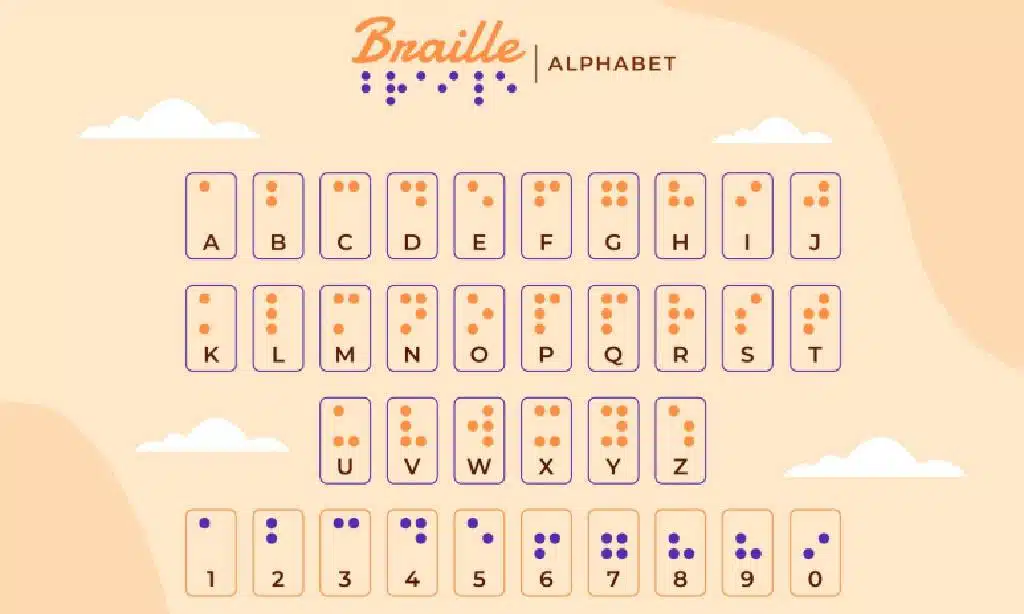
Players hit a wall with Braille tablets scattered across Hoenn. The dots formed strange codes, not plain directions. Fans called them puzzling, like shakespeare’s stanzas, and guesses rarely fit.
Many fans note Ruby and Sapphire include one of the franchise’s most cryptic moments. It echoes the series’ habit of hiding switches and coded instructions.
Top 20 lists place Lt. Surge’s Power Switches at number 20, from Pokémon Red and Blue, 1998. That older puzzle hid two buttons in trash cans, and wrong picks reset the switches. Players learned to read the map, watch environmental clues, and accept trial and error.
Fans compare Braille’s opacity to the goat puzzle, the black monolith, and the myahm agana apparatus, and they toss in odd tales like hatching the owl or murmurs from the selenitic age.
The handheld cartridge offered no motion controls, so designers buried mystery inside text and tiles.
The Black Monolith – Fez
Fez, released in 2012, hid one of the most cryptic puzzles in modern gaming. The black monolith needed a complex button sequence to appear, buried among odd symbols and rotating pixel patterns.
Community collaboration online cracked the code, fans posted clues on message boards, built spreadsheets, and even shared snippets of code. It made lists as one of the top 20 hardest puzzles in gaming, and people still talk about it.
Fans traced glyphs across maps, used pattern recognition and simple ciphers, and tested inputs with a gamepad. The solution was so complex that players working together online felt like a neighborhood of cryptographers, each with a clue.
Some players linked bits of the puzzle to the selenitic age, while others joked it beat the myahm agana apparatus for sheer obtuse design. Reviewers and communities ranked it cryptic, creative, and oddly poetic for its in-game symbols and patterns.
The hunt spawned GitHub repos, decoder tools, and long threads of code, it became a small internet industry.
Takeaways
They stopped players cold, they made guides essential, and they sparked loud debates. Some puzzles needed iron boots, some used motion controls, and some hinged on shakespeare’s stanzas or the goat puzzle.
Gamers still tell stories about the black monolith, the ocarina of time, and the myahm agana apparatus. Try one, grin at the strange fix, then brag about beating the hardest video game puzzles.
FAQs on Video Game Puzzles That Had Everyone Stumped
1. What were some of the hardest video game puzzles that had everyone stumped?
The hardest video game puzzles often mixed odd clues, timing, and weird items, like shakespeare’s stanzas, the myahm agana apparatus, the goat puzzle, hatching the owl, the black monolith, and the selenitic age.
2. Which horror game puzzles made players grind to a halt?
Horror titles did it well, like silent hill and silent hill 3. Resident evil, resident evil 3, and the resident evil 3 remake also slowed players, in raccoon city scenes, with zombies and tight rooms, and puzzles that made Jill Valentine think twice.
Adventure games hide weird logic, Monkey Island 2: Lechuck’s Revenge, with Guybrush Threepwood, grim fandango, hotel dusk, the riddle of master lu, and odd twists from Tim Schafer all gave players a run for their money, some like Rumplestiltskin tricks, others like the ocarina of time moments.
4. Did motion controls or random designs hurt puzzle play?
Yes, motion controls can feel clumsy, they add noise, they break flow. Randomly generated puzzles can be fun, or they can be the problem, they steal patterns, and they hide the point of the challenge, like that memory-bending section in the witness, or weird lines like i got the babel fish, and odd items such as the iron boots.
5. Why do some puzzles feel obtuse or just plain illogical?
Designers sometimes pile in layers of lore, they hide the rule. You get obtuse puzzles and illogical puzzles when a clue points to the ultimate question, but not the answer, or when the answer to the ultimate question of life, the universe, and everything is treated like a riddle, not a solution.
6. Can developers fix these puzzles, and who shaped them?
Yes, they can tune hints, cut steps, or add a nudge, it helps. Creators from classic studios, teams behind metal gear, or ports to machines like the sega nomad, and designers like Tim Schafer, all learned to tweak, to polish, to respect the player, and to keep the fun, not the frustration.