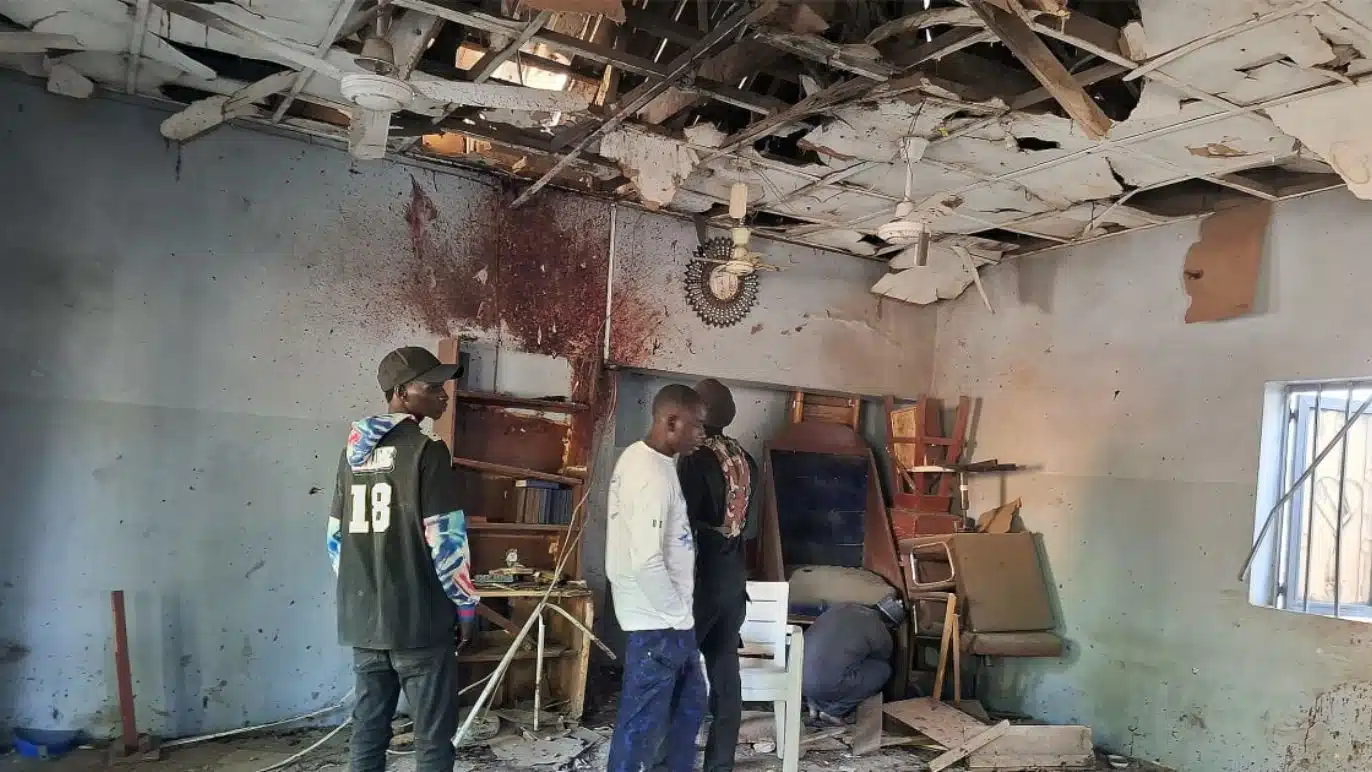
In a dramatic escalation of its global counterterrorism strategy, the United States launched targeted airstrikes against Islamic State (ISIS) positions in northwestern Nigeria on Christmas Day, 2025. The move comes in direct response to a surge in attacks by jihadist groups targeting Christian communities in the region, marking the first confirmed direct US military action in Nigeria’s ongoing battle against extremism. President Donald Trump announced the operation on Truth Social, declaring it a “powerful and deadly strike” against “ISIS Terrorist Scum” who have been “viciously killing, primarily, innocent Christians, at levels not seen for many years, and even centuries”.
The Immediate Context: Christmas Day Strikes
The US military’s Africa Command (AFRICOM) confirmed that the strikes were carried out in Sokoto State, a region bordering Niger and a focal point for jihadist expansion from the Sahel into Nigeria. The operation reportedly involved Tomahawk cruise missiles launched from a US Navy ship in the Gulf of Guinea, striking two ISIS camps in the area. Nigerian authorities confirmed the bombings, emphasizing that the strikes were conducted in partnership with the Nigerian government and military. US officials did not provide a detailed damage assessment but stated that “multiple terrorists were eliminated”.
President Trump’s announcement was followed by statements from key administration officials. Defense Secretary Pete Hegseth emphasized the US commitment to halting violence against Christians, vowing “More to come” in future operations. Nigerian Foreign Minister Yusuf Tuggar confirmed that Nigerian President Bola Tinubu had authorized the joint action, underscoring Nigeria’s priority to “combat terrorism, to prevent terrorists from murdering innocent Nigerians, regardless of their religious beliefs”.
The Broader Security Landscape in Nigeria
The US strikes are part of a much larger and increasingly complex security crisis in Nigeria. The country faces a multifaceted threat from various extremist groups, including the Islamic State’s West Africa Province (ISWAP), Boko Haram, and the Islamic State’s Sahel Province (ISSP). Sokoto State, where the recent US strikes occurred, has become a critical zone of overlap between the Sahel insurgency and Nigeria’s own internal conflicts. ISSP, which operates primarily in Mali, Burkina Faso, and Niger, has expanded its influence into Sokoto and neighboring Kebbi states, using the region as a supply corridor and support zone.
Nigeria’s security situation is further complicated by the presence of numerous bandit organizations, many of which have ties to jihadist groups. These bandits have been responsible for widespread violence, including kidnappings, killings, and displacement of rural communities. In recent months, both federal and state authorities have intensified operations to combat these threats, but the scale of violence remains staggering.
Targeting of Christian Communities
Christian communities in Nigeria have been disproportionately affected by the ongoing violence. Reports from human rights organizations and local sources indicate that extremist groups have deliberately targeted Christians, particularly in the country’s Middle Belt and northwestern regions. In 2025 alone, more than 120 Christians were killed in Plateau State, and attacks on Christian farming communities in Benue and other states have resulted in hundreds of deaths and the displacement of thousands.
According to the Catholic World Report, an average of 30 Christians are murdered each day in Nigeria, with extremist groups aiming to “wipe out Christianity from Nigeria within the next 50 years”. The destruction of churches, abduction of clerics, and seizure of land have become routine, fueling fears of a systematic campaign against Christians. However, experts caution that the situation is more nuanced than often portrayed. Both Christians and Muslims have suffered at the hands of extremist groups, with attacks frequently targeting entire communities regardless of religious affiliation.
The US Role and International Implications
The US strikes in Nigeria represent a significant shift in American counterterrorism policy. While the US has provided intelligence, training, and logistical support to Nigerian forces in the past, direct military intervention is unprecedented. The operation was conducted in close coordination with Nigerian authorities, reflecting a desire to avoid unilateral action and to maintain diplomatic relations.
The timing of the strikes, coinciding with Christmas, carries symbolic weight. It underscores the US government’s focus on protecting religious minorities and highlights the global dimension of the fight against extremism. However, some analysts question the long-term impact of such strikes. While they may disrupt specific terrorist networks, the broader security challenges in Nigeria require sustained investment in governance, economic development, and community resilience.
The Human Impact
For residents of Sokoto and other affected regions, the US strikes have brought both hope and fear. Many communities welcome any action that weakens the grip of extremist groups, but there are also concerns about collateral damage and the potential for retaliation. Villagers in the area reported that the airstrikes caused panic, with homes shaking and the sky glowing from the explosions. The psychological toll of living under constant threat of violence is immense, with many families forced to flee their homes and seek refuge in safer areas.
The Road Ahead
The US strikes in Nigeria are likely to be followed by further military and diplomatic initiatives aimed at addressing the root causes of extremism. These may include increased support for Nigerian security forces, humanitarian assistance for displaced populations, and efforts to promote interfaith dialogue and reconciliation. However, the path to lasting peace remains fraught with challenges. The complex web of extremist groups, bandit organizations, and local grievances will require a comprehensive and sustained response from both Nigerian and international actors.
Final Words
The US strikes against Islamic State targets in Nigeria mark a pivotal moment in the global fight against terrorism. While they offer a measure of immediate relief to communities under siege, they also highlight the deep-seated security challenges that Nigeria and the wider region face. As the world watches the unfolding crisis, the need for coordinated, compassionate, and effective action has never been more urgent. The fate of millions of Nigerians—Christians, Muslims, and all those caught in the crossfire—depends on the choices made in the days and months ahead.