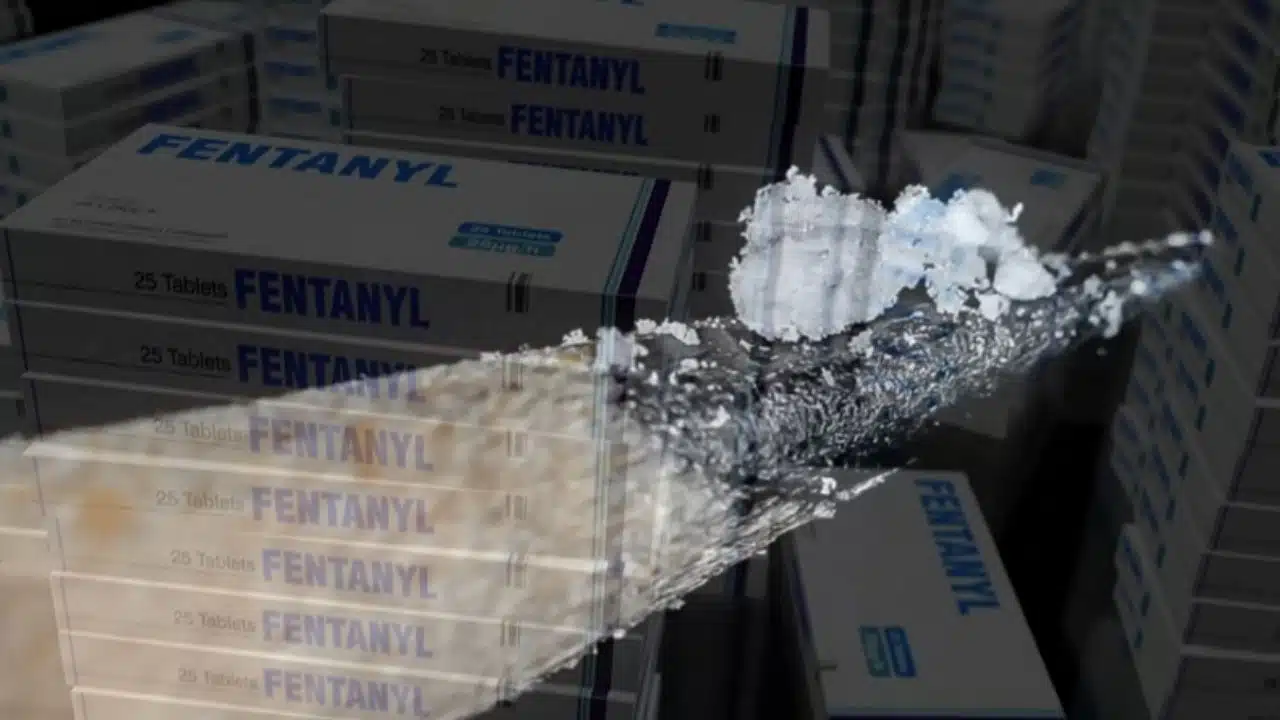
The United States Embassy in New Delhi has revoked and denied visas for several Indian corporate leaders and their immediate family members, citing alleged involvement in the trafficking of fentanyl precursor chemicals. According to the embassy’s official statement, this decision is part of Washington’s broader crackdown on the flow of fentanyl into the U.S., a synthetic opioid that has become a leading cause of overdose deaths.
The move signals a tougher stance by U.S. authorities, not only against drug cartels and criminal networks but also against corporate executives and legitimate-looking companies that are suspected of playing a role in the illegal trade.
Why Fentanyl Precursors Matter
Fentanyl is a synthetic opioid estimated to be 50 times more potent than heroin and 100 times stronger than morphine. Even tiny amounts can cause fatal overdoses. While fentanyl is used legally for severe pain management in medical settings, illicitly manufactured fentanyl has devastated American communities, fueling what U.S. officials call the “deadliest drug crisis in U.S. history.”
- Fentanyl precursors are the essential raw materials and chemicals used to produce the drug.
- Most of these precursor chemicals are legally manufactured for industrial or pharmaceutical purposes, but criminal networks divert them into the black market.
- The U.S. has been pressing countries including China, Mexico, and India to regulate and monitor precursor production and export.
The U.S. Centers for Disease Control and Prevention (CDC) estimates that synthetic opioids, primarily fentanyl, were responsible for more than 70,000 overdose deaths in 2023 alone.
US Embassy’s Statement
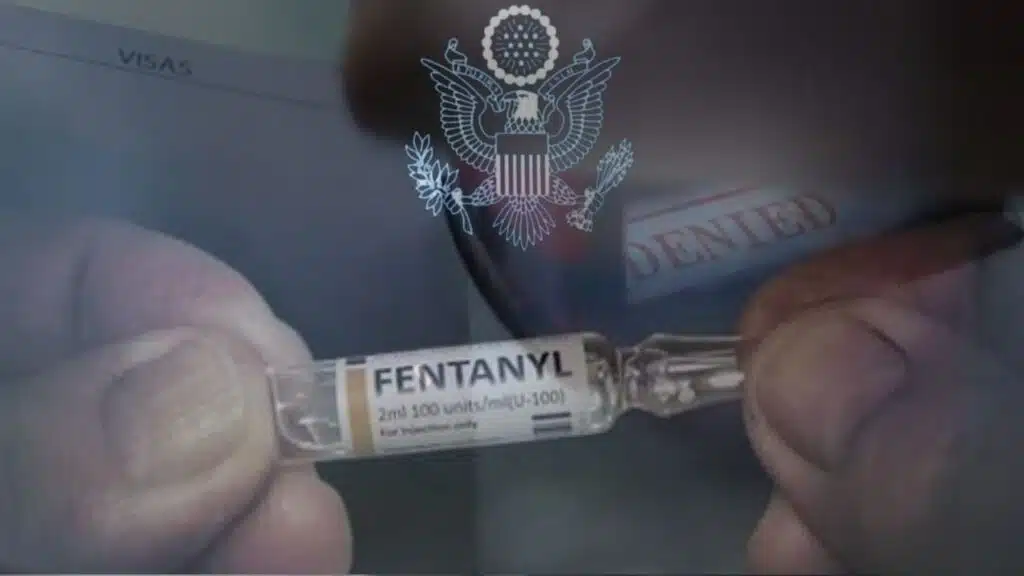
The U.S. Embassy in New Delhi issued a firm warning, stating:
- Executives and close family members found to be linked to companies trafficking fentanyl precursors “may be ineligible for travel” to the United States.
- Even if they apply in the future, such applicants will face “heightened scrutiny” during the visa process.
- Visa revocations are supported by the Immigration and Nationality Act (INA), which provides U.S. authorities broad powers to deny entry on grounds related to national security and public health.
Chargé d’Affaires Jorgan Andrews emphasized the embassy’s commitment: “The U.S. embassy in New Delhi is committed to fighting illicit drug trafficking. Individuals involved, and their families, may face consequences that include being denied access to the United States.”
Previous Cases Linking Indian Firms
The visa crackdown follows high-profile U.S. indictments against India-based companies earlier this year.
- Raxuter Chemicals and Athos Chemicals
- In January, the U.S. Department of Justice charged the companies and one of their senior executives, Bhavesh Lathiya, with conspiring to distribute and import fentanyl precursors.
- Lathiya was arrested on January 4, 2025, and now faces trial in the United States.
- Vasudha Pharma Chem Ltd
- In March, federal prosecutors in Washington indicted the company and three of its senior employees for illegally manufacturing and distributing fentanyl precursors.
- The U.S. Drug Enforcement Administration (DEA) described the case as a key step in dismantling the supply chain of fentanyl entering North America.
Broader US Strategy Against Synthetic Drugs
This embassy action is part of a wider campaign led by the Trump administration during his second term. U.S. officials have prioritized cutting the supply chain of fentanyl and other synthetic opioids, which they view as a national security issue.
- Earlier this week, Trump told the U.S. Congress that India was one of 23 major drug transit or producing countries.
- While he noted that the designation does not necessarily reflect the government’s efforts against drugs, it placed India alongside countries such as Mexico, Colombia, and China, which are already under scrutiny.
The U.S. has combined law enforcement, diplomatic pressure, and sanctions in this fight:
- Sanctions have been imposed on companies and individuals worldwide.
- Coordination with Interpol and global customs agencies has been strengthened.
- Visa bans, such as those announced in New Delhi, are now being used as tools to punish and deter.
Impact on India-US Relations
India is a key U.S. partner in technology, defense, and trade, but this issue could complicate ties. While the Indian government has not yet issued an official response, observers say there will be pressure on New Delhi to show stronger monitoring of its pharmaceutical and chemical industries.
- India has one of the world’s largest generic pharmaceutical sectors, producing a wide range of legitimate medicines.
- However, the sheer scale of chemical production makes monitoring and preventing diversion of precursors extremely difficult.
- The U.S. has previously praised Indian law enforcement cooperation in drug cases, but this embassy move signals that Washington expects more robust regulation.
What It Means for Businesses
For Indian companies and executives in the pharmaceutical and chemical sectors, the consequences could be far-reaching:
- Reputational Risk: Being associated with fentanyl trafficking, even indirectly, can damage corporate credibility worldwide.
- Stricter Scrutiny: Companies applying for licenses, contracts, or international deals may face additional checks.
- Travel Restrictions: Executives may find their ability to visit the U.S. — a key market — sharply limited.
- Legal Exposure: Individuals and firms indicted by U.S. prosecutors could face asset freezes or extradition proceedings.
The Way Forward
Stopping the fentanyl crisis remains one of the top public health and law enforcement priorities for the United States. Experts believe that Washington will continue using multiple strategies:
- Increasing cooperation with source countries like India, Mexico, and China.
- Expanding surveillance of chemical exports and shipping routes.
- Imposing legal penalties, sanctions, and visa bans on those who profit from precursor trafficking.
- Pushing for global regulations on synthetic opioids through the United Nations Office on Drugs and Crime (UNODC).
For India, this episode highlights the need to strengthen its regulatory framework for chemical exports. Close collaboration with the U.S. could prevent further reputational damage and protect India’s booming pharmaceutical industry from being overshadowed by allegations of illicit activity.
The U.S. decision to revoke visas of Indian business executives linked to fentanyl precursor trafficking is more than an immigration measure — it is a signal of zero tolerance toward those involved in the opioid crisis. With India now formally flagged as a major transit country for precursor chemicals, the pressure is on both corporate leaders and the government to ensure transparency, accountability, and stricter controls.
As the fentanyl epidemic continues to claim thousands of American lives each year, such cross-border actions underscore how the battle against synthetic drugs is no longer confined to traditional cartels, but extends deep into the global pharmaceutical and chemical supply chain.
The Information is Collected from BBC and The Hindu.