The ongoing US government shutdown is inflicting mounting pressure on the nation’s air travel system, leading to significant flight delays and raising concerns about the well-being of essential aviation personnel working without pay. A week into the funding impasse, major airports are already experiencing operational disruptions due to staffing shortages, particularly among air traffic controllers, with federal officials and union leaders warning of escalating problems if the shutdown persists.
The crux of the issue lies with the thousands of “excepted” federal employees, including approximately 13,000 air traffic controllers from the Federal Aviation Administration (FAA) and over 50,000 Transportation Security Administration (TSA) officers. These critical personnel are required to work without pay for the duration of the shutdown, creating immense financial and personal strain that is beginning to manifest as increased sick calls and staffing gaps at crucial aviation facilities.
Key Facts / Quick Take
- Massive Delays Recorded: On Monday, October 6, 2025, over 6,153 flights were delayed across the United States, with staffing shortages cited as a contributing factor at several major hubs. By Tuesday afternoon, another 1,400 flights had been delayed.
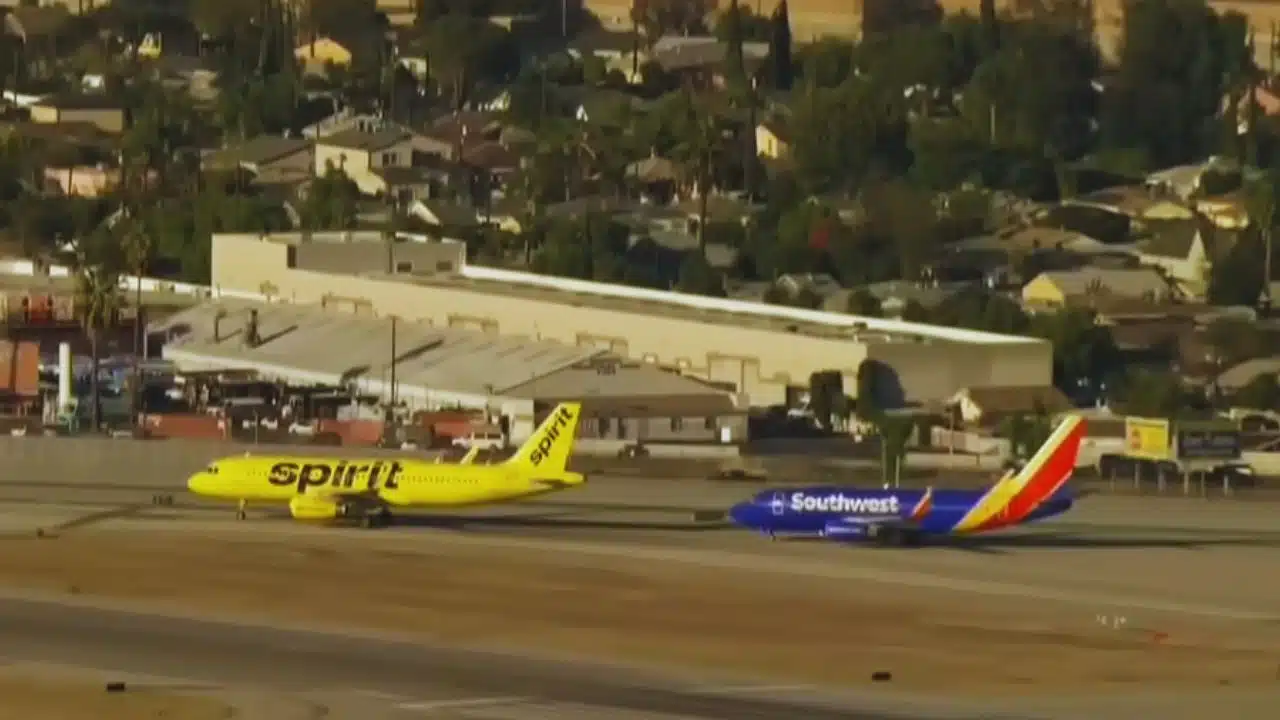
- Air Traffic Control Under Strain: Multiple FAA facilities have reported staffing issues, leading to ground delays and temporary shutdowns. Hollywood Burbank Airport’s control tower was completely unmanned for a period on Monday, forcing a handoff to a regional facility.
- Essential Workers Unpaid: Approximately 13,000 air traffic controllers and over 61,000 TSA officers are deemed essential and must continue to work, but they will not receive paychecks until the government reopens. The next scheduled payday for many is October 14.
- Official Warnings: Transportation Secretary Sean Duffy has acknowledged a “slight tick-up in sick calls” and warned that if staffing levels compromise safety, the FAA will slow down air traffic, leading to more delays and cancellations.
- Economic Impact: The U.S. Travel Association estimates that a government shutdown could cost the nation’s travel economy $1 billion per week.
A System Already Under Pressure
The government shutdown, which began at midnight on October 1, 2025, after lawmakers failed to agree on a funding bill, exacerbates pre-existing vulnerabilities in the U.S. aviation system. The FAA is already grappling with a shortage of approximately 3,000 air traffic controllers nationwide. This chronic understaffing means many controllers are already working mandatory overtime, often six days a week, to manage the world’s most complex airspace.
The National Air Traffic Controllers Association (NATCA), the union representing the controllers, has repeatedly warned that the system’s resilience is thin. A statement from the union highlighted that the shutdown “adds unnecessary distraction to their work, adding strain on a workforce that is already stretched thin.”
The Ripple Effect of Staff Shortages
The impact of the staffing crunch became starkly evident earlier this week.
- Hollywood Burbank Airport (BUR): On Monday, October 6, the airport’s air traffic control tower was left with zero controllers from 4:15 PM to 10:00 PM local time. Operations were managed remotely by the Southern California TRACON facility. This resulted in outbound flights from Burbank experiencing an average delay of 1 hour and 51 minutes.
- Nationwide Delays: According to flight-tracking service FlightAware, Monday saw over 6,153 flight delays within, into, or out of the United States. While not all were directly attributable to the shutdown, the FAA confirmed that staffing issues contributed to delays at major airports including Newark (EWR), Denver (DEN), and Phoenix (PHX).
- Specific Airport Impacts (Monday, Oct. 6):
- Orlando International Airport (MCO): Over 40% of flights delayed.
- Chicago O’Hare International (ORD): Over 40% of flights delayed.
- Newark Liberty International (EWR): 16% of total flights delayed.
Official Responses & Expert Analysis
At a press conference at Newark Liberty International Airport on Monday, Transportation Secretary Sean Duffy acknowledged the growing stress on the workforce.
“Now what they think about as they’re controlling our airspace is, how am I going to pay my mortgage? How do I make my car payment?… Do I have to take a second job and drive Uber when I’m already exhausted from doing a job that’s already stressful?” Duffy stated, underscoring the personal anxieties faced by unpaid federal workers.
While Duffy maintained that the airspace remains safe, he confirmed that the FAA would not hesitate to “reduce the rate” of flights to maintain safety if controller absences increase, inevitably causing more significant travel disruptions.
Nick Daniels, president of NATCA, appeared alongside Secretary Duffy but steered clear of political blame, focusing instead on the operational realities. “We need to bring this shutdown to a close,” Daniels urged, “so that the Federal Aviation Administration and the committed aviation safety professionals can put this distraction behind us, and completely focus on their vital work.”
Aviation experts echo these concerns, drawing parallels to the 35-day shutdown in 2018-2019, during which a surge in sick calls from TSA officers and controllers led to widespread delays and long security lines, ultimately pressuring lawmakers to end the stalemate.
Travelers and Workers in the Lurch
The shutdown’s effects are being felt acutely by both travelers and federal employees. Nancy Taylor, a traveler from Utah interviewed at Newark airport, expressed her sympathy for the unpaid workers. “Yeah, that would be hard to work for no pay,” she said. “But I think they understand the importance of their job. And the safety that provides to us as travelers. They need to get paid.”
For the federal employees, the situation is becoming increasingly dire as they approach their first missed paycheck. During the last prolonged shutdown, many were forced to take on second jobs, from driving for ride-hailing services to waiting tables, simply to make ends meet.
What to Watch Next
The key date looming is October 14, the next scheduled payday for air traffic controllers. Union leaders and analysts predict that if the shutdown continues past this date, the rate of employee absences could increase significantly, leading to a cascade of flight cancellations and a potential crisis for the national aviation network.
Furthermore, Secretary Duffy has warned that the Essential Air Service (EAS) program, which subsidizes flights to smaller, rural communities, is set to run out of funding by this Sunday. The suspension of this program would cut off vital air links for numerous communities across the country.
As lawmakers in Washington remain at an impasse, the nation’s air travel system, and the thousands of unpaid professionals who keep it running, are being pushed closer to a breaking point. Travelers are advised to check their flight status frequently and arrive at airports with extra time to navigate potentially longer lines and unexpected delays.
The Information is Collected from BBC and CNN.