Upgrade and Switch Weapons in Monster Hunter Wilds is the fastest way to feel stronger without grinding blindly. If your hunts start taking too long, or you are getting punished for small mistakes, your weapon path usually needs attention. The good news is the Smithy loop is simple once you understand what to upgrade, when to swap, and how to keep two weapons ready for different situations.
In this Smithy guide, I will show you how weapon upgrading works, how to plan your next upgrade, and how to switch weapons efficiently in the village and out in the field using your Seikret.
Upgrade And Switch Weapons In Monster Hunter Wilds Starts At The Smithy
Your Smithy is where you forge new weapons and upgrade existing ones using monster parts, gathered materials, and sometimes special items from specific locations or quests. If you feel stuck, the Smithy is usually the answer because a single upgrade tier can cut your hunt time dramatically.
Think of your weapon progression like a chain. Each upgrade step asks for materials, and each step increases performance so you can hunt stronger monsters and earn better parts.
Smithy Basics Checklist
-
Forge a weapon line you actually like using.
-
Upgrade it when hunts slow down or carts increase.
-
Keep materials for your next tier before you hit a wall.
-
Do not spread upgrades across too many weapon types early.
How Weapon Upgrades Usually Work
Weapon upgrades are typically arranged in a tree or branching path. You start with a base weapon, then upgrade along a line that leads into stronger variants. Some branches lean into raw damage, while others lean into element, affinity, or special behavior.
What Changes When You Upgrade
-
Higher raw attack, which increases most of your damage.
-
Better sharpness or durability behavior, depending on the weapon.
-
More affinity, or less negative affinity, depending on the line.
-
Element or status changes if the branch leans that way.
-
Higher rarity tiers that match tougher content.
Upgrade Path Quick Table
| Upgrade Choice | Best For | What You Feel In Hunts |
|---|---|---|
| Raw focused line | General use, early progression | Faster kills, fewer gear checks |
| Element focused line | Matchups, repeating one monster type | Big spikes when you hit weaknesses |
| Affinity focused line | Crit builds, consistent DPS | More steady damage over long hunts |
| Status focused line | Control and team play | More openings, safer pace |
If you are unsure, raw-focused is usually the safest choice early because it works on everything.
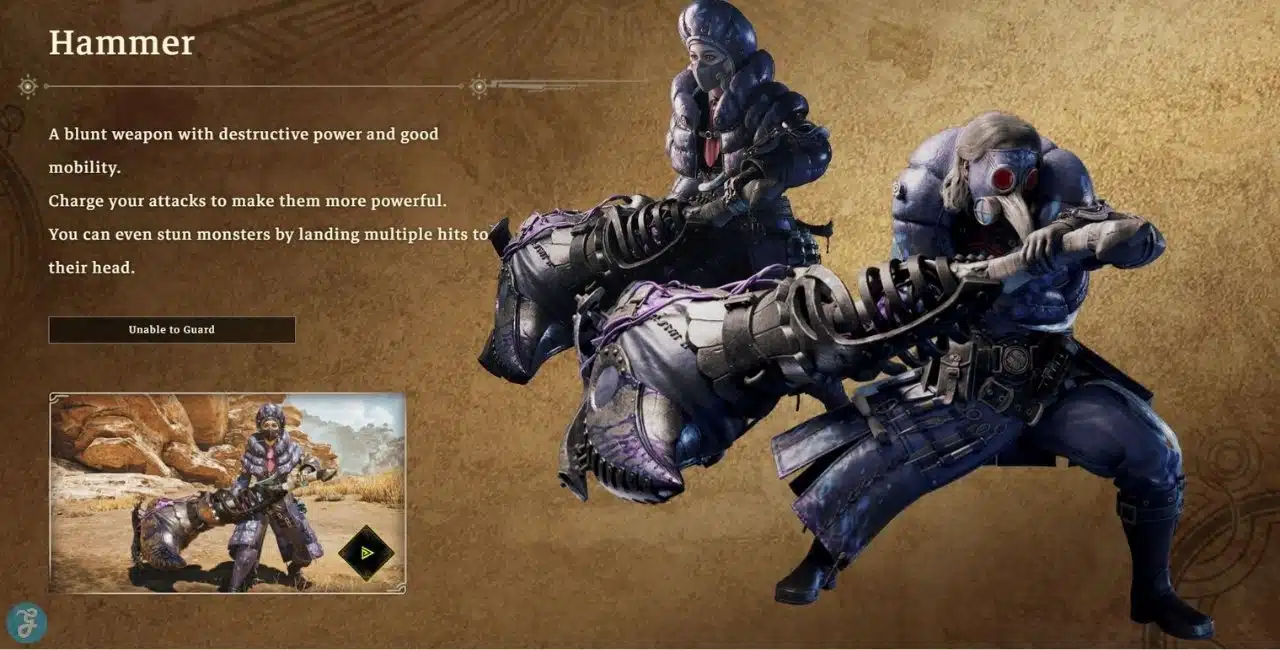
What To Do Before You Upgrade
Upgrade and Switch Weapons in Monster Hunter Wilds becomes easier when you plan one step ahead. Most wasted time comes from upgrading randomly, then realizing you are missing one key item for the next tier.
Pre-Upgrade Routine
-
Open the weapon tree and pick the exact next upgrade.
-
Pin or note the missing materials.
-
Hunt only what you need for that step.
-
Upgrade immediately, then reassess your next target.
Material Planning Table
| Material Type | Where It Comes From | How To Farm Faster |
|---|---|---|
| Monster parts | Carves, captures, quest rewards | Repeat the same target and capture for speed |
| Gathering materials | Mining, bonepiles, region nodes | Use camps and fast travel to loop routes |
| Rare drops | Specific monsters or conditions | Focus one monster, do multiple runs, do not switch targets |
If you are farming for upgrades, keep your runs consistent. Switching targets constantly is the slowest way to progress.
When You Should Upgrade Your Weapon
Most players upgrade too late. They try to brute force hunts, then spend more time failing than they would have spent upgrading.
Upgrade Triggers You Can Trust
-
Your hunts regularly go past your comfortable time.
-
You are using most of your healing every hunt.
-
You cart to mistakes that used to be survivable.
-
A monster feels like it has too much health for your current tier.
-
You unlocked a new region or a new difficulty tier.
If two or more of these are true, your next Smithy upgrade is probably worth it.
How To Switch Weapons In The Village
Switching weapons in town is where you should do most of your setup. You pick your weapon, adjust your armor skills, and restock items so your hunt starts clean.
Best Way To Switch In Town
-
Go to your equipment menu.
-
Change your weapon and confirm your loadout.
-
Check your item loadout and restock.
-
Eat or prepare buffs if your base camp supports it.
-
Save the loadout if the game offers loadout slots.
Simple Loadout Strategy
Create two or three loadouts early:
-
A main damage loadout for general hunts.
-
A safer loadout for tough targets.
-
A farming loadout for gathering and routes.
This is the easiest way to switch quickly without rebuilding your kit every time.
Upgrade And Switch Weapons In Monster Hunter Wilds In The Field
Upgrade and Switch Weapons in Monster Hunter Wilds becomes more flexible because you can carry up to two weapons into the field using your Seikret. This is a huge quality of life change because you can bring two roles without returning to camp.
You can treat your second weapon as a solution slot. You bring it to solve a problem your main weapon cannot solve as easily.
Best Two-Weapon Pairings Table
| Main Weapon Role | Second Weapon Role | Why It Works |
|---|---|---|
| Heavy damage, slower mobility | Faster weapon | Handles fast monsters and tight windows |
| Element focused weapon | Raw focused backup | Covers monsters with bad elemental matchups |
| Status or control weapon | Big finisher weapon | Create openings, then cash them in |
| Safe, defensive weapon | Aggressive weapon | Swap when you learn the moveset |
If you only use one weapon type, you can still bring a second version of that weapon for a different element or a different affinity profile.
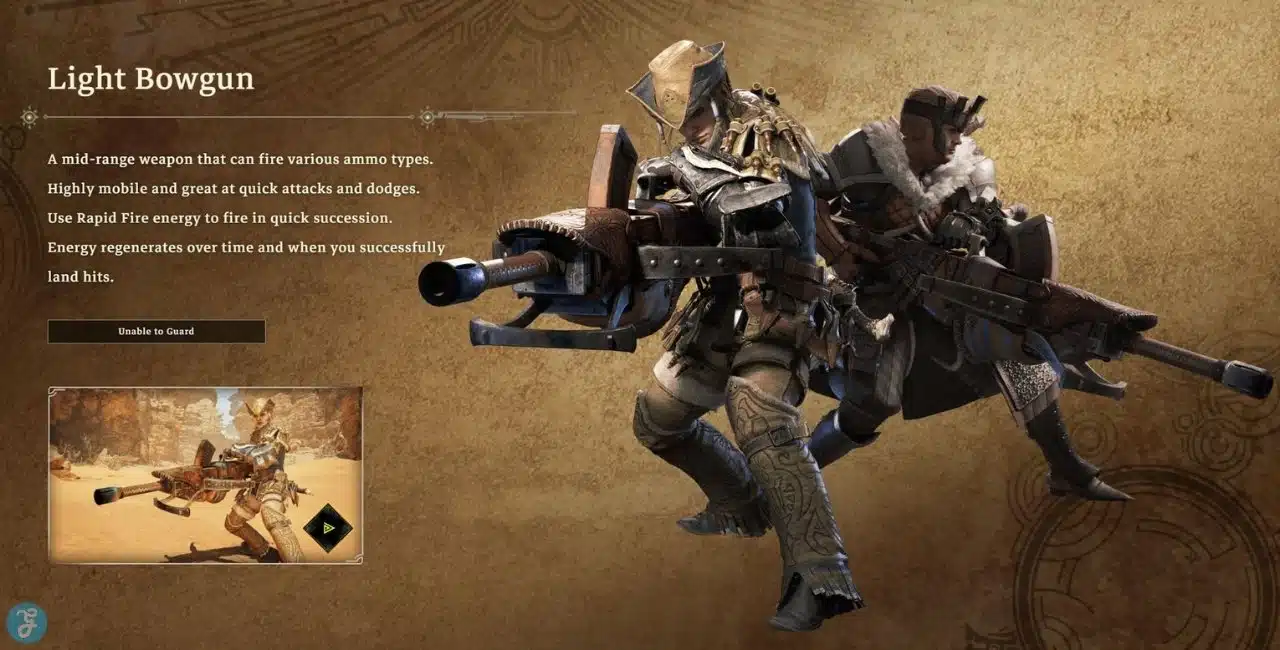
How To Decide Which Weapon To Swap To Mid-Hunt
Do not swap just because you can. Swap when it gives you a clear advantage.
Good Swap Moments
-
The monster changes zones and you want a reset.
-
You need a different reach or speed for the next phase.
-
The monster is weak to a different element than you brought first.
-
Your team needs a different role, like status pressure or burst.
Bad Swap Moments
-
You are panicking and hoping a new weapon saves you.
-
You did not prep the second weapon and it is under-upgraded.
-
You swap in the middle of pressure and eat free damage.
Treat swapping like a planned decision, not a reaction.
How To Upgrade Two Weapons Without Doubling Your Grind
Carrying two weapons is strong, but it can tempt you into grinding twice as much. You do not need both weapons maxed to benefit from the system.
Efficient Two-Weapon Upgrade Rule
-
Keep your main weapon upgraded first.
-
Keep your second weapon one tier behind until you have spare parts.
-
Upgrade the second weapon when it solves a real matchup problem.
Two-Weapon Investment Table
| Your Goal | Main Weapon Priority | Second Weapon Priority |
|---|---|---|
| Story progression | Max it when possible | Only upgrade when needed |
| Farming efficiency | Strong and consistent | Built for specific targets |
| Co-op support | Role focused | Backup role or safe option |
This keeps your progression fast while still letting you use the two-weapon system properly.
Common Smithy Mistakes That Slow You Down
These mistakes are the reason players feel stuck even when they are hunting a lot.
Mistakes To Avoid
-
Upgrading five weapon lines at once.
-
Chasing perfect builds before you reach stronger tiers.
-
Ignoring negative affinity without a plan.
-
Farming rare drops before you need them.
-
Forgetting to restock and wasting runs.
Best Fix
Choose one weapon line and push it forward. Your armor and second weapon can fill gaps later.
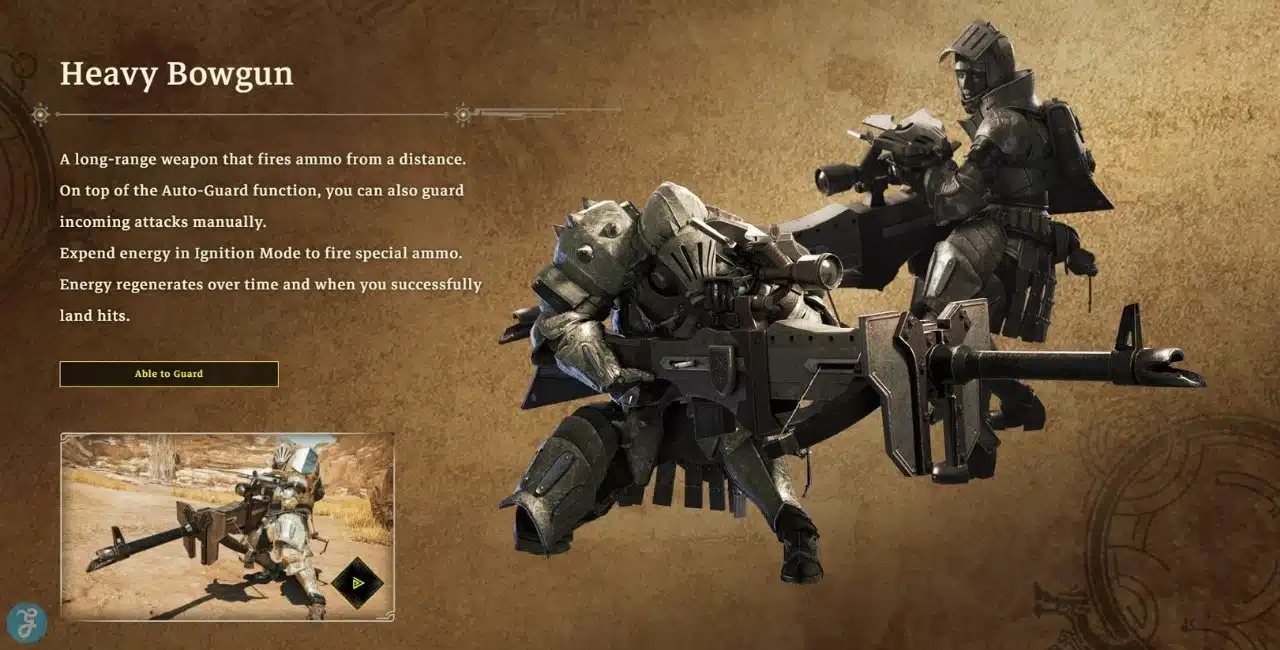
Quick Smithy Routine That Works Every Time
If you want a simple loop you can repeat all game long, use this.
-
Pick your next target monster.
-
Check your Smithy upgrade requirements.
-
Farm only what the next upgrade needs.
-
Upgrade immediately.
-
Save your loadout.
-
Move to the next tier.
It is boring in the best way because it stops you from wasting time.
Closing Thoughts
Upgrade and Switch Weapons in Monster Hunter Wilds is all about staying ahead of the difficulty curve. Use the Smithy to keep your main weapon current, and use your second weapon slot as a matchup tool instead of a second full grind. When you plan upgrades one step ahead and switch weapons with purpose, your hunts get faster, safer, and more consistent.