Energy is essential for modern life, but many countries struggle with clean and reliable sources. Europe has faced energy supply disruptions, relying heavily on imports like Russian gas.
This dependence weakens energy security and stability.
Ukraine has a bold plan to change this. The country aims to lead Europe in renewable energy by 2050. From solar and wind farms to hydrogen strategies, Ukraine is preparing for a green transition that benefits both itself and its neighbors.
Keep reading to learn how Ukraine plans to power the future with clean energy solutions!
Renewable Energy Expansion
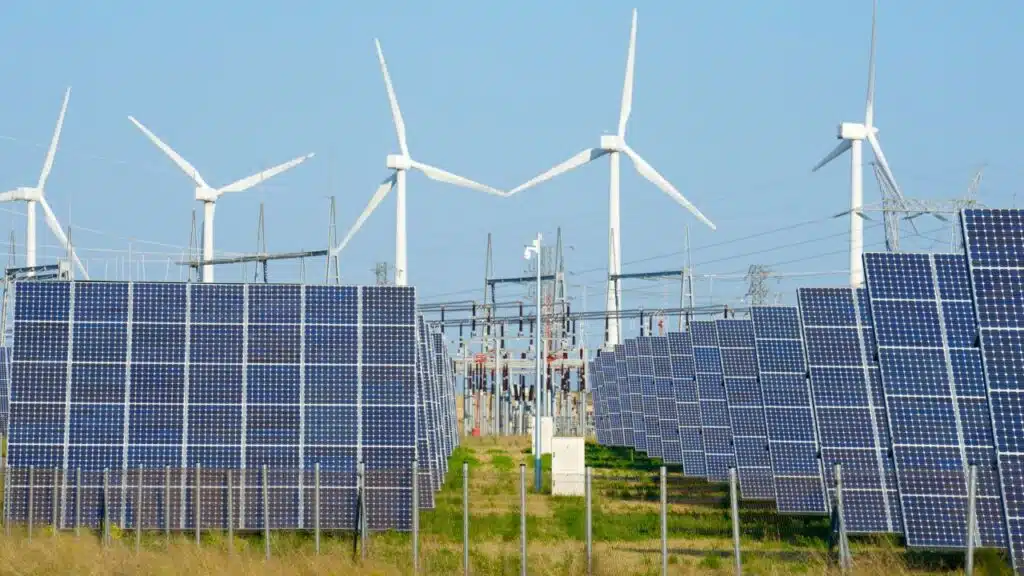
Ukraine is ramping up efforts to harness cleaner energy. The focus is on replacing old power sources with greener options.
Increasing solar and wind energy capacities
Solar and wind energy have become Ukraine’s focus for clean power. By 2050, the country plans to reach 140 GW of solar capacity and 94 GW of wind capacity. These ambitious goals aim to boost renewable energy sources, cutting reliance on fossil fuels.
Huge investments are needed for this shift. Between $41.5 billion to $50 billion must be spent from 2025 to 2030 alone. This funding will build new infrastructure and modernize existing systems.
A greener grid would help reduce emissions while strengthening Europe’s energy security.
Developing a hydrogen strategy to become a European hydrogen hub
Ukraine is shaping plans to lead Europe in hydrogen energy. Officials aim to make the country a key hydrogen hub by 2050. To achieve this, they are building strong ties with the European Union.
Together, they want to create a “Green Hydrogen Corridor” that will help transport clean hydrogen across Europe. This initiative boosts Ukraine’s renewable energy efforts and strengthens European energy security.
The goal requires significant investments between $41.5 billion and $50 billion from 2025 through 2030. These funds will support new infrastructure for producing and exporting hydrogen energy.
Using its large natural gas pipelines, Ukraine could quickly adapt its system to carry green hydrogen instead of fossil fuels like Russian oil or gas. Aligned with the green deal objectives, this step supports reducing emissions and improving EU energy independence while driving economic growth domestically as well!
Integration with the European Energy System
Ukraine seeks deeper ties with Europe’s energy grid. This move boosts trade and strengthens regional power security.
Establishing a Green Hydrogen Corridor with the EU
Ukraine works with the EU on a Green Hydrogen Corridor project. This plan will connect green hydrogen production in Ukraine to Europe’s energy market. The goal is to transport clean fuel efficiently across borders.
The project needs up to $50 billion in investments for energy infrastructure. New pipelines and renewable sources like wind and solar power are key parts of the plan. It aligns with EU rules, aiming for a cleaner, stronger energy system.
Green hydrogen can drive Europe’s transition to clean energy.
Boosting electricity exports to Europe
Electricity exports to the EU play a big role in Ukraine’s clean energy plans. The National Energy and Climate Plan (NECP) helps guide this effort. By improving renewable energy infrastructure, exports can grow faster.
Solar and wind power projects are key parts of this growth. Investments from partnerships with the European Commission will help build these systems.
Ukraine collaborates closely with the EU to expand its electricity network into Europe. This includes building stronger connections through smart grids and a Green Hydrogen Corridor.
These steps boost security of supply for both sides, while reducing energy imports from Russia. With these efforts, clean energy trade becomes more reliable and efficient across borders.
Investments and Infrastructure Development
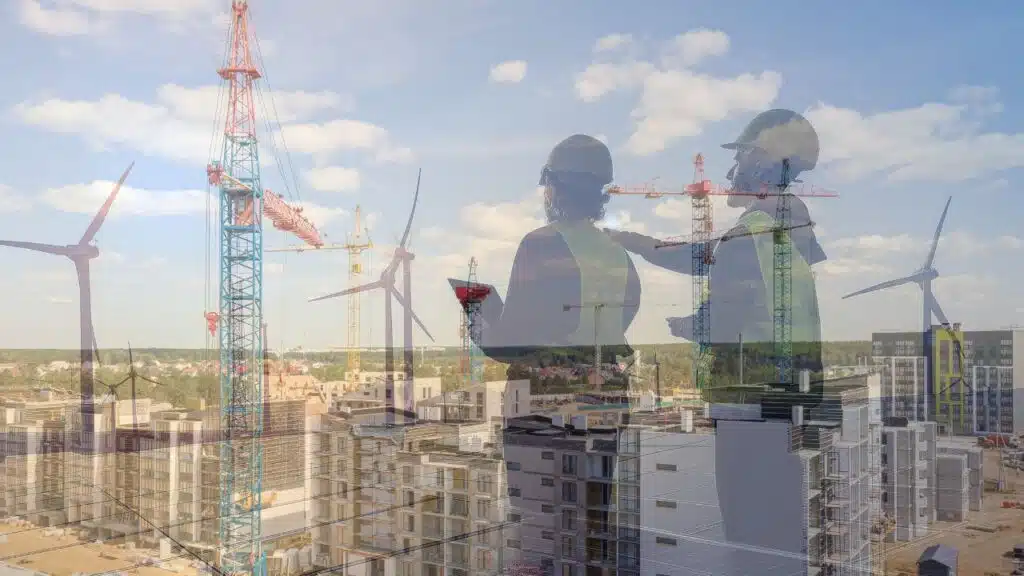
Ukraine is drawing big investors to its green energy push. It’s also building modern systems to support clean power growth.
Attracting public and private investments for renewable energy projects
Billions of dollars are needed to grow Ukraine’s renewable energy sector. Estimates show between $41.5 billion and $50 billion is required from 2025 to 2030. Public and private investors play a key role in this effort.
Programs like the Ukraine Renewable Energy Risk Mitigation Mechanism (URMM) help lower risks for investors. Policies under the National Energy and Climate Plan (NECP) aim to create better support for clean energy projects.
The goal of reaching 50% renewable power by 2035 boosts confidence, attracting more funds into solar, wind, and hydrogen developments.
Rebuilding energy infrastructure with a focus on renewables
Ukraine is rebuilding its energy system with clean power. The country plans to reach 50% renewable energy by 2035. By adding 140 GW of solar and 94 GW of wind, it aims to lead the green transition in Europe.
This transformation requires about $41.5 billion to $50 billion between 2025 and 2030.
The war damaged Ukraine’s civilian energy infrastructure, but recovery focuses on renewables. The new grid will support solar farms, wind turbines, and hydrogen plants. Strong ties with EU policies like the Renewable Energy Directive guide these efforts, boosting energy independence while cutting reliance on Russian fossil fuels.
Takeaways
Ukraine is setting bold goals for clean energy. By embracing solar, wind, and hydrogen, it aims to transform its power system. Partnerships with the EU and smart investments will fuel this shift.
Building a green future is not just about energy but also hope and resilience. This vision could make Ukraine a leader in Europe’s clean energy journey.
FAQs
1. How is Ukraine working toward energy independence?
Ukraine is investing in renewable energy and improving energy efficiency to reduce reliance on oil and gas imports. It aims to strengthen its power grid, expand gas storage, and transition to renewable energy sources like wind and solar.
2. What role does the European Union play in Ukraine’s clean energy plans?
The European Commission supports Ukraine through initiatives like the Recovery and Resilience Facility (RRF) and investments from the European Investment Bank. These efforts align with EU environment policies, including the European Green Deal.
3. Why is renewable energy important for Ukraine’s future?
Renewable energy helps decarbonize industries, improve security of supply, and create green jobs. It also aligns with climate policy goals while reducing dependence on fossil fuels during ongoing challenges from the war in Ukraine.
4. How will transitioning to clean energy benefit small- and medium-sized enterprises (SMEs)?
Clean energy lowers costs for SMEs by improving electricity market stability through renewable generation. Energy management tools help businesses stay competitive while supporting environmental policy goals.
5. What are some obstacles facing Ukraine’s clean energy transition?
Challenges include rebuilding civilian infrastructure damaged by war, addressing current electricity shortages, expanding liquefied natural gas use where needed, and ensuring investment flows into new power plants.
6. Could this effort boost EU accession talks for Ukraine?
Yes, adopting EU environment policies such as emissions trading systems shows commitment to shared values like sustainability. Progress in these areas strengthens ties between Ukraine and the European Union during accession discussions.