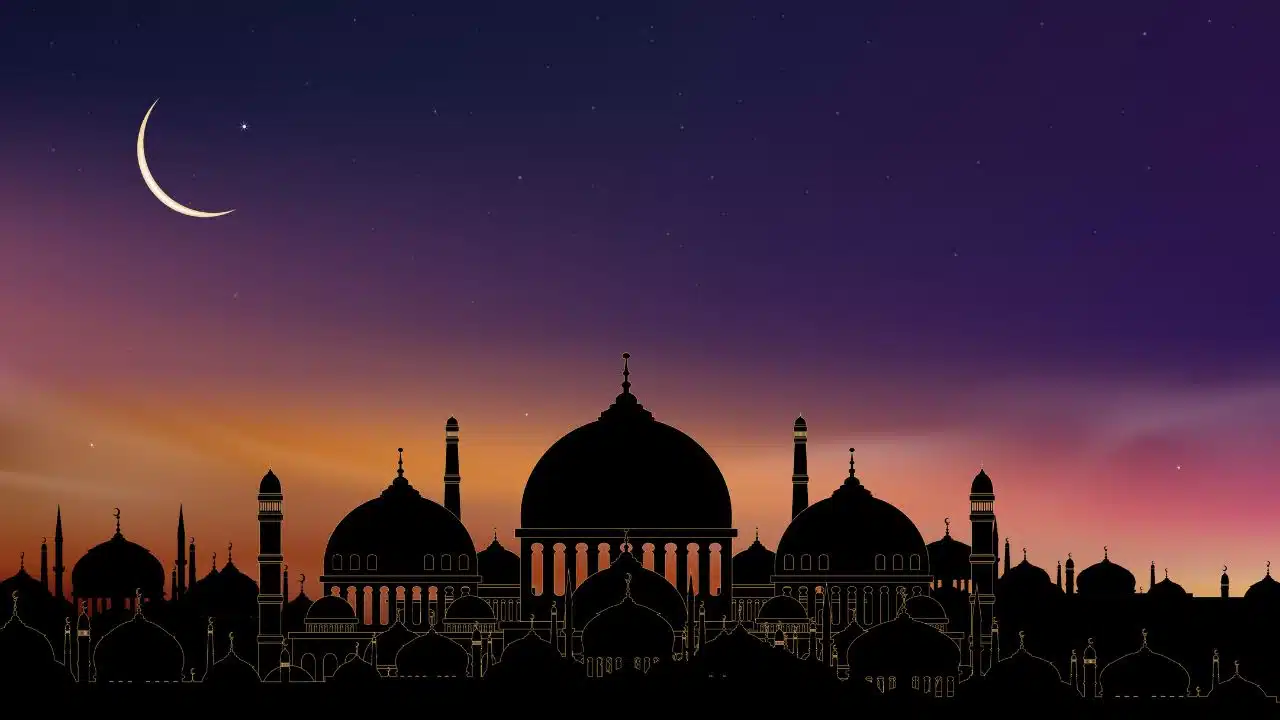
The United Arab Emirates has officially announced that the holy month of Ramadan will begin on Thursday, February 19, 2026, after the nation’s Moon Sighting Committee confirmed the sighting of the crescent moon. The declaration ushers in a period of fasting, prayer, and reflection for Muslims across the country and the wider region.
The announcement followed a meeting of the committee, which convened after sunset on the evening of Sha’ban 29, 1447 AH, to observe the new moon. The confirmation aligns with astronomical predictions that the crescent would not be visible on the preceding evening, making Wednesday, February 18, the last day of Sha’ban.
Key Facts & Quick Takes
- Official Start of Ramadan: Thursday, February 19, 2026 (1 Ramadan 1447 AH).
- Announcement Body: The UAE’s official Moon Sighting Committee.
- Astronomical Basis: The new crescent moon for Ramadan was born on Tuesday, February 17, 2026, at approximately 4:01 PM UAE time. However, it set only one minute after sunset, making it impossible to be sighted.
- Fasting Hours: Muslims in Abu Dhabi can expect to fast for approximately 12 hours and 46 minutes at the beginning of Ramadan, increasing to about 13 hours and 25 minutes by the end of the month.
- Weather Expectation: Temperatures are forecast to be mild, ranging from 16°C to 28°C at the start of the holy month, and gradually warming to between 19°C and 32°C towards the end.
The Official Declaration and Sighting Process
The confirmation of the start of Ramadan was made by the UAE’s Moon Sighting Committee, which is chaired by the Minister of Justice. The committee’s decision is the definitive announcement for the country and is followed by all official and private entities.
The process of determining the start of Ramadan is a blend of traditional Islamic practice and modern scientific methods. Committees of astronomers, court officials, and religious scholars are stationed at various locations across the UAE to witness the crescent moon (hilal) on the 29th day of the preceding Islamic month, Sha’ban.
This year, as anticipated by astronomical calculations, the crescent was not visible on the evening of Tuesday, February 17. The Emirates Astronomy Society had previously stated that the moon’s birth on that day and its proximity to the sunset would make a sighting impossible.
In a statement, Ibrahim Al Jarwan, Chairman of the Emirates Astronomy Society, had explained the scientific basis for the expected start date. “The new crescent moon marking the start of Ramadan will be born on Tuesday, February 17, at 4:01 pm UAE time. However, it will set just one minute after sunset, making its sighting impossible that evening,” he noted, as reported by Gulf News (Gulf News, October 3, 2025). Consequently, Sha’ban completed its 30-day cycle, leading to the official declaration of Thursday, February 19, as the first day of Ramadan.
What to Expect During Ramadan 2026

With the holy month falling in the cooler winter-spring transition period, residents and visitors can anticipate pleasant weather, especially during the evenings. This is a shift from the Ramadans of the recent past, which occurred during the hotter months of the year.
Fasting and Daily Life:
- Working Hours: As is customary in the UAE during Ramadan, working hours for both the public and private sectors will be reduced by two hours daily. The specific timings will be announced by the relevant authorities closer to the date.
- Fasting Duration: The length of the fast will gradually increase as the month progresses. In Abu Dhabi, the fast will begin at around 12 hours and 46 minutes and extend to 13 hours and 25 minutes by the final days of Ramadan. This is due to the daylight hours extending from approximately 11 hours and 32 minutes to 12 hours and 12 minutes over the course of the month.
- Community and Worship: Mosques across the UAE will host special evening prayers, known as Taraweeh. The General Authority of Islamic Affairs and Endowments (Awqaf) typically organizes religious lectures and events throughout the month. Many organizations and individuals also host Iftar tents to provide free meals for workers and those in need to break their fast.
Expert Analysis
The consistent alignment of astronomical predictions with the official moon sighting declarations in the UAE highlights the country’s successful integration of scientific knowledge with religious traditions. The UAE’s official portal, u.ae, outlines the role of the moon-sighting committee under the UAE Council for Fatwa, which coordinates with national institutions to ensure a unified and accurate announcement.
This collaborative approach provides clarity for the public and allows for advance planning for the holy month, which is a period of significant social and religious activity. The early announcement for 2026 is beneficial for residents and the large expatriate community in planning their work schedules, travel, and religious observances.
Impact on People
For Muslims in the UAE, the announcement marks the beginning of a deeply spiritual time. “This is a month we look forward to all year,” said Ahmed Al Mansouri, an Abu Dhabi resident. “It’s a time for family, for prayer, and for reconnecting with our faith. The cooler weather this time will be a blessing, especially for those who work outdoors.”
The reduced working hours and the communal atmosphere of Iftar and Suhoor gatherings also have a significant impact on the daily rhythm of the country, affecting residents of all faiths.
What to Watch Next
The next key date will be the announcement of the start of Eid Al Fitr, which marks the end of Ramadan. The Moon Sighting Committee will reconvene on the 29th day of Ramadan to look for the crescent of the next month, Shawwal. Based on a 30-day Ramadan, Eid Al Fitr is anticipated to fall on or around Saturday, March 21, 2026. However, this will be subject to the official moon sighting.
The official declaration of Thursday, February 19, 2026, as the first day of Ramadan in the UAE, sets the stage for a month of spiritual observance. The seamless coordination between astronomical forecasts and the traditional moon sighting reflects the nation’s commitment to upholding its religious and cultural heritage while embracing scientific advancements. As the country prepares for the holy month, a spirit of reverence, community, and charity is expected to prevail.