You want a show that tackles hard issues, but you feel lost on what to watch. Many hit dramas on cable and streaming platforms address real-life issues like racism, grief, and mental health.
This list will steer you toward series that provoke reflection, ignite conversation, and keep you riveted. You won’t want to miss these.
Key Takeaways
- The Fresh Prince of Bel-Air used its 1991 “Mistaken Identity” episode to show racial profiling. Black-ish (2014) and Queen Sugar (2016) also named systemic racism on ABC and OWN, while The Wire (2002–2008) laid bare urban poverty and corruption.
- Netflix’s 13 Reasons Why (2017) and Grey’s Anatomy (2005) brought suicide, depression, PTSD, and therapy into homes. Schools and mental-health pros then issued safe-viewing guides.
- Degrassi: The Next Generation’s 2004 “Accidents Will Happen” centered on teen pregnancy and abortion rights. Boy Meets World (1993–2000) tackled family alcoholism in “If You Can’t Be With The One You Love.”
- One Tree Hill’s 2006 “With Tired Eyes, Tired Minds, Tired Souls, We Slept” dramatized a school shooting and suicide. It sparked national talk on gun violence, trauma, and prevention.
- Classic sitcoms used humor to teach hard lessons: Sesame Street (1983) mourned Mr. Hooper’s death, The Golden Girls (1989) faced anti-LGBTQ+ bias in “Scared Straight,” and Diff’rent Strokes (1983) warned about child predators in “The Bicycle Man.”
The Fresh Prince of Bel-Air – Addressing Racism Through Personal Experiences
In 1991, “Mistaken Identity” trapped Will in a cell after an officer aimed a shotgun at his minivan. The show uses drama, wit, and tension to expose Racial Profiling and Discrimination.
It offered a personal view of Race Relations during a 1990s television landscape that often shied away from Social Issues. Fans still point to this ground breaking moment for Representation and Equity on a national stage.
Bel-Air’s family banter also probes Identity and Stereotypes. It balances laughs with hard truths, shining a light on awareness of bias and unfair treatment. That honesty helped this staple series shape conversations about race long after its first run.
Black-ish – Tackling Police Brutality and Social Inequality
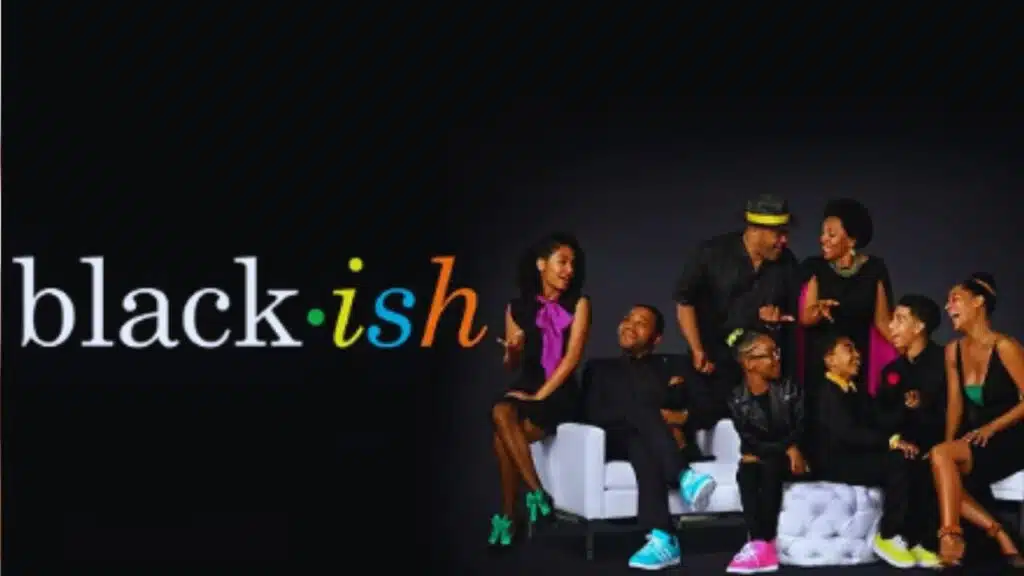
Black-ish premiered on ABC in 2014. It follows a multigenerational Black family in Los Angeles. The show tackles police violence head on. Dre Johnson delivers a powerful speech on societal injustices.
That scene highlights the psychological impact on parents and kids. No laugh track could hide the chill of that speech. Social media hashtags and community forums buzzed after the episode aired.
The format uses TV episodes and live speech tools to spark community dialogue.
National news outlets covered the storyline on systemic racism. Readers saw vivid scenes of racial inequality. Characters faced police stops with raw emotion. Family dynamics drove moments of honesty and humor.
Sitcom charm mixed with social justice messages. ABC network found itself at the center of activism talk. Critics praised its bold move on representation. Fans used discussion boards to debate the episode’s impact.
13 Reasons Why – Shedding Light on Mental Health and Suicide
Netflix released the original series 13 Reasons Why in 2017. It follows Hannah Baker, a high school student who dies by suicide. Clay Jensen hunts her reasons with audiotapes. The show covers depression, sexual assault, and bullying.
It sparked more talk on mental health and suicide prevention. Schools and mental health professionals issued safe viewing guidance.
The series uses audiotapes as a story tool. It shows empathy, communication, and support in action. Critics flagged graphic suicide scenes. Teens learn to spot warning signs of trauma.
They see peers seek counseling and call crisis hotlines. Some viewers found the suicide scene hard to watch; it drove more awareness.
Grey’s Anatomy – Exploring Grief, Loss, and Medical Ethics
Grey’s Anatomy paints raw scenes of trauma in a hospital ward. Cristina Yang sought therapy after a terrifying plane crash. Viewers saw surgeons admit to depression, anxiety, PTSD and addiction.
A stethoscope hears a heartbeat, not a broken mind. Scripts bring mental health into open halls.
This arc on Grey’s Anatomy: Exploring Grief, Loss, and Medical Ethics shows staff facing tough ethics in patient care. Writers show suicide, self harm and sexual assault with care.
Actors won numerous awards since the series debuted in 2005. Characters grieve lost patients and oppose stigma around trauma. Fans root for recovery after each grim shift.
The Golden Girls – Confronting Anti-LGBTQ+ Bias
Blanche’s brother Matt stunned everyone when he came out as gay in Scared Straight. That 1989 episode hit homophobia head on with a mix of wit and heart. Bea Arthur, Betty White, Rue McClanahan and Estelle Getty carried each moment.
Viewers watched a simple living room turn into a stage for acceptance. ABC had rarely seen such honest talk about LGBTQ+ issues on prime time. The series aired in the late 1980s, and it won multiple Emmy Awards for its bold approach.
Fans still laugh at that scene where Dorothy teases Blanche about old views. Writers used comedy as advocacy to bust stereotypes and shine clear light on discrimination. Actors mixed quick jokes with soft moments to boost inclusivity.
This progressive spin gave fresh representation to a community starved for honest stories. Each line packed a punch, proving sitcoms could teach while they made you laugh.
Boy Meets World – Highlighting the Impact of Family Alcoholism
ABC aired Boy Meets World from 1993 to 2000. In one standout installment, Shawn tackles the legacy of alcoholism in “If You Can’t Be With The One You Love.” The script examines substance abuse through a teen’s eyes.
Writers show how addiction harms family dynamics and strains teen relationships. Shawn carries emotional struggles like a heavy backpack, stumbling toward answers.
That installment won praise for its honest lens on addiction and personal growth. Viewers, many preteens at the time, saw coping mechanisms and the first sparks of recovery. Actors kept it real, and the storyline offered a glimpse of health impacts in a teen’s life.
Those scenes still echo, like a memory you can’t shake.
Sesame Street – Teaching Children About Loss with Mr. Hooper’s Death
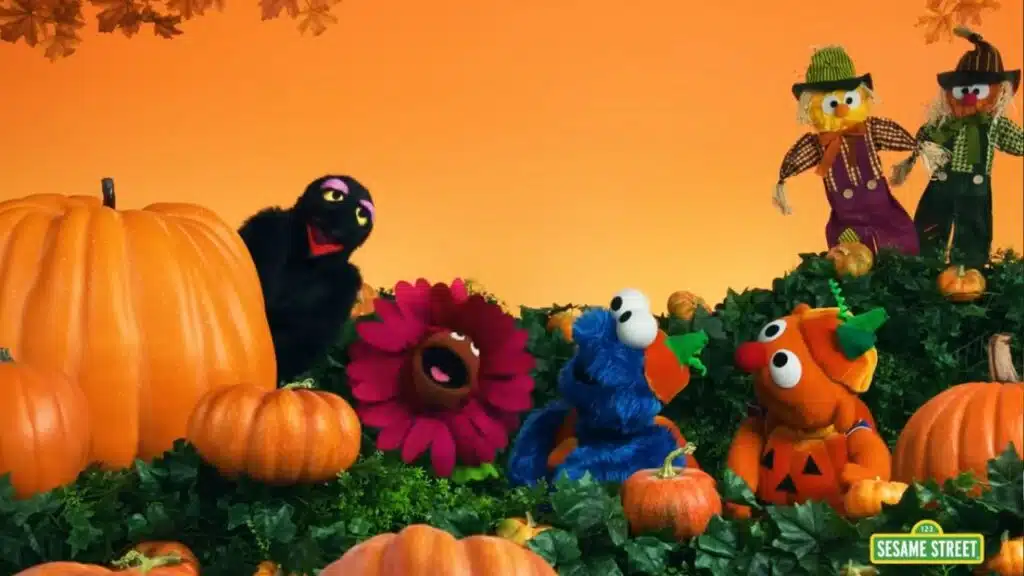
Sesame Street tackled death on television in 1983, writing Mr. Hooper’s passing into the script. Producers used a gentle tone, letting a tall yellow bird ask simple questions. Caroll Spinney gave that avian character heartfelt emotion.
They talked about grief in short lines, they used clear, simple words a preschooler could grasp.
A child psychologist praised that puppet sketch for its empathy, media studies cite it as a model in teaching loss. Educators praised how the shopkeeper friend walked the bird through mourning.
Television networks later used similar tools to help kids learn about tough topics. It remains a landmark lesson in childhood grief and understanding.
One Tree Hill – Portraying the Tragedy of School Shootings
One Tree Hill tackled gun violence head on. In episode “With Tired Eyes, Tired Minds, Tired Souls, We Slept” it showed a school shooting and a suicide. The episode aired in 2006.
It plunged U.S. teens into tragedy. Lucas and Peyton faced grief and trauma. One student died, and others fought through survivor guilt. Crew captured raw pain and fear in the hallways.
Fans felt a punch in the gut.
Writers explored youth issues with care. They focused on mental health and school safety. Chad Michael Murray played a determined friend, and Hilarie Burton showed how trauma steals hope.
Viewers joined a national talk on gun violence, grief counseling, and crisis hotlines. Fans debated policy, shared tears, and searched for a safe path forward. That spark launched real change in many high school halls.
The series ran from 2003 to 2012.
Degrassi: The Next Generation – Discussing Abortion and Reproductive Rights
Degrassi began in Canada in 1979. Its Next Generation version aired from 2001 to 2015. Episode Accidents Will Happen aired in 2004. It showed a 14 year old facing teen pregnancy and abortion.
She fought for personal choice and adolescent rights. Censorship issues blocked the US debut. This spin off set a legacy for tackling controversial teen issues.
The story joined many controversial topics in the drama. It blended sexual education with peer education scenes. It urged viewers to ask questions about reproductive health and health care access.
The show used a health center setting to ground the lesson. It built youth empowerment and made tools like a support line feel real.
Diff’rent Strokes – Raising Awareness About Child Predators
Diff’rent Strokes aired on NBC from 1978 to 1985. It tackled child predators head on in a two-part arc titled The Bicycle Man. The 1983 story dove into grooming and abuse with grit, honesty and a special viewer warning.
It felt like a real PSA in a comedy slot. A primetime audience had never seen such a raw look at predator tactics before.
Parents praised the show for fusing education with drama, thanks to a direct scene that warned kids about stranger danger. Advocates still cite the episode in child safety talks and prevention campaigns.
Actors Conrad Bain and Todd Bridges sold every tense moment with real fear and heart. That brave move opened doors for more drama to join child protection conversations.
Punky Brewster – Processing the Challenger Disaster Through a Child’s Eyes
Young viewers saw Punky face the Challenger disaster head on in the “Accidents Happen” episode. It aired in 1986, weeks after the Challenger orbiter explosion rattled households.
Soleil Moon Frye plays the brave foster child, she grapples with big loss. The family sitcom used honest talk to show grief from a child’s perspective.
Many children felt like their hearts had been dropped. That scene served as a bandage, it helped kids face shock and name their pain. Gentle chat let young fans whisper, “I am scared.” Punky Brewster ran from 1984 to 1988, fans saw collective grief soften.
A simple story delivered hope in dark moments.
Shameless – Depicting Addiction and Dysfunctional Family Dynamics
Shameless portrays the Gallagher clan in a poor Chicago neighborhood. Fiona bears daily struggle as she cares for four brothers and one sister, with no safety net. Ian wrestles with depression, anxiety and post-traumatic stress.
He tries cognitive behavioral therapy and group sessions to cope. Raw scenes on addiction and poverty feel like a punch to the gut. Showrunners use family systems theory to reveal how trauma seeps through relationships.
Shameless aired from 2011 to 2021 on Showtime. Actors earned multiple awards for writing and acting. Sharp dialogue and dark humor land like a street sermon. This series adapts a British original.
It never shies from tough scenes yet shows seeds of resilience and recovery.
Queen Sugar – Examining Systemic Racism and Generational Struggles
Queen Sugar centers on inheritance as the Bordelon siblings gain a sugarcane farm in Louisiana. Oprah Winfrey and Ava DuVernay produce the series on OWN, where it debuted in 2016. Nova reports on systemic inequality and Black mental health.
Her work shows how trauma ripples through bodies and minds. The show digs into family dynamics, planting seeds of resilience.
Charley carries PTSD from abuse, and her son Micah spins through depression and anxiety. Ralph Angel fights addiction, while Nova tracks racial bias in real time. The show highlights the need for emotional wellness and community support in Black neighborhoods.
Generational conflict pops up at every turn as old grievances clash with new hopes. Critics praise the nuance, calling this a bold study of trauma, family ties, and racial injustice.
Crazy Ex-Girlfriend – Breaking Stigma Around Mental Health and Therapy
Rebecca Bunch moves from New York to California to chase her ex. She works as an attorney and hides her anxiety behind a smile. The series explores her depression, anxiety, and borderline personality disorder.
Scenes show therapy sessions with musical numbers and bold humor. Paula and Nathaniel share their own mental health struggles. Fans saw the show on The CW from 2015 to 2019.
Rachel Bloom co-created and stars in the comedy musical. She uses song to tackle therapy stigma. Writers pack each tune with wit and truth. They treat serious concepts like mental health with light hearted jokes.
Viewers see therapy as a tool for growth. This tactic raised awareness and cut stigma. Critics awarded the show a major TV award and other prizes. Cast dialogue feels like a chat between friends.
The Wire – Offering a Harsh Reality of Urban Socioeconomic Issues
The Wire dropped viewers into the decaying streets of Baltimore. Dominic West, Idris Elba, and Michael K. Williams brought raw life to battered neighborhoods. HBO aired the show from 2002 to 2008.
It spans five seasons and sixty episodes. The series lays bare drug addiction, poverty, and institutional corruption, all tied to systemic issues.
Writers crafted a complex narrative that shifts from crime scenes to municipal offices. Every character arc zooms in on socioeconomic disparity and urban decay. Professors cite it in sociology seminars and policy courses.
Critics praise its realism and social commentary. You might grab a notebook after a binge to jot down your own city case notes.
Takeaways
Viewers cheer when TV tackles social issues with heart. Episodes stick in our minds with raw emotional impact.
Stages of grief and triumph unfold on cable networks and streaming services. Plot twists reveal cultural commentary, and characters teach life lessons.
Stories plant seeds for tough talks in homes and schools. Grab your remote, and see how brave shows can shape talks.
FAQs
1. What hard topics do these shows tackle?
They dig into mental health, race fights, job loss, addiction, war stress. They shine a bright light on pain and hope.
2. Why do we need them?
They help us see real life, start honest talk, grow kind hearts.
3. Can they be fun or are they all sad?
They blend laughs and tears, like sun and rain in the same sky. They can make you giggle, then sniffle.
4. How do I pick one to watch?
Think of the topic you want. Read a short note on each show. Ask a friend for a tip.