
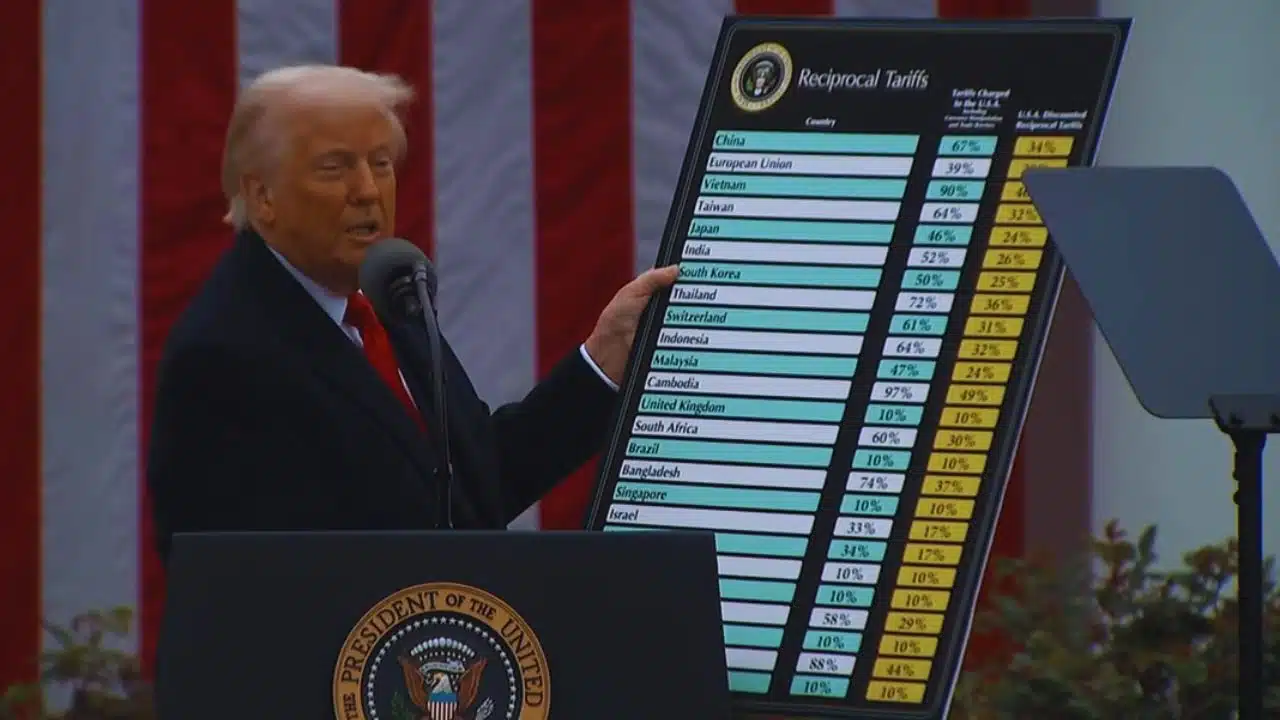
U.S. President Donald Trump has announced a 90-day delay on the planned increase in tariffs on Mexican imports. This decision comes just before the higher tariffs were set to take effect on Friday. Trump shared the update via a post on Truth Social, stating that he had a “very successful” phone call with Mexican President Claudia Sheinbaum and that both sides are working to better understand each other.
The agreement means that the current 25% tariff rate on Mexican goods will remain unchanged for now. However, goods that comply with the United States-Mexico-Canada Agreement (USMCA), which Trump negotiated during his first term, will continue to be exempt from these tariffs—except for some sector-specific duties.
Trade Talks to Continue Over the Next 90 Days
Trump also mentioned that over the next three months, the U.S. and Mexico will engage in discussions to try to finalize a long-term trade agreement. He said that while the goal is to complete the deal within 90 days, the discussions may extend further if needed.
This pause gives both governments a window to renegotiate or update the existing USMCA framework, which replaced the North American Free Trade Agreement (NAFTA) in 2020. While the current tariffs are already affecting specific industries, the decision to delay higher rates avoids immediate escalation of trade tensions between the two countries.
Why Mexico Matters in U.S. Trade
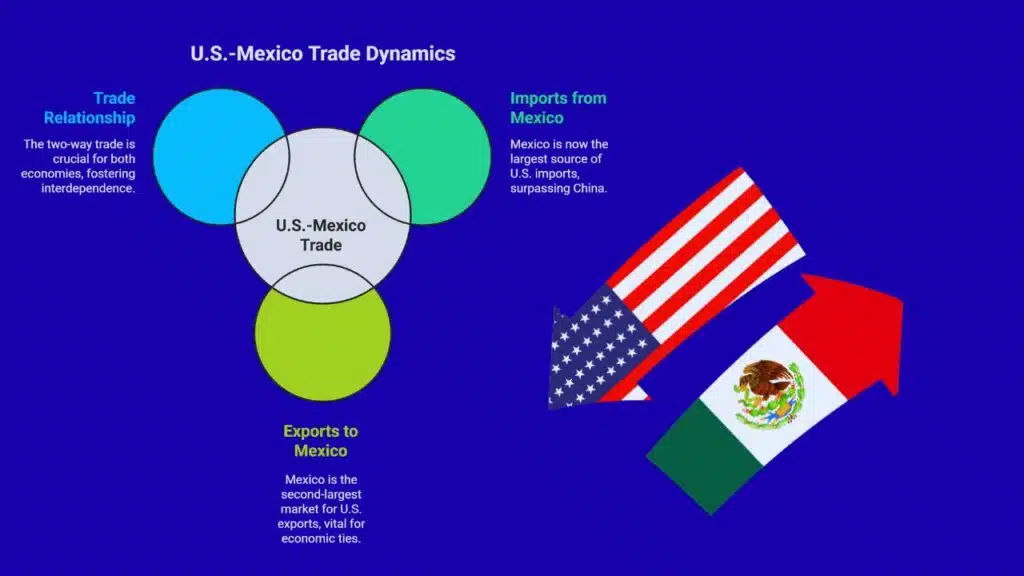
Mexico has become the United States’ largest source of imported goods, overtaking China in 2023. This shift is partly due to the steep tariffs Trump imposed on Chinese imports during his first term—most of which were retained by President Joe Biden. Now, U.S. companies rely heavily on Mexico for imports such as automobiles, electronics, apparel, and footwear.
On the other hand, Mexico is the second-largest export market for U.S. goods, just behind Canada. The two-way trade relationship is a critical part of both economies.
Sheinbaum’s Position on Tariff Threats
While Mexico has not responded with retaliatory tariffs to date, President Claudia Sheinbaum has warned that she may impose higher tariffs on American products if the U.S. escalates tariffs on Mexican exports. Her government continues to monitor the situation closely.
Wider Global Tariff Threats Loom
The U.S. trade situation isn’t limited to Mexico. Goods from Canada—the second-largest U.S. trading partner—have also been subject to nearly identical tariffs since April. However, it’s uncertain whether Trump plans to speak with Canadian Prime Minister Mark Carney before a looming deadline. If no new deal is reached by 12:01 a.m. ET, Canadian goods could face tariffs as high as 35%.
Other countries are also on notice. Trump has reportedly sent formal letters to numerous global leaders warning of potential tariff increases, with rates ranging by country. Even nations that haven’t received letters are at risk, as Trump has pledged to raise the default universal tariff rate from 10% to between 15% and 20%.
Tariff Increase Already Applied to Brazil
On Wednesday, Trump imposed an additional 40% tariff on imports from Brazil, with some key product exclusions. It’s unclear whether other countries will receive similar exclusions or face blanket increases. These actions signal a broader shift toward protectionist policies and a renewed focus on reshaping global trade relationships.
What’s Next?
Over the next 90 days, the focus will be on whether the U.S. and Mexico can reach a sustainable trade agreement. The outcome of these talks could significantly influence supply chains, consumer prices, and diplomatic relations across North America.
Meanwhile, industries and governments worldwide are bracing for potential ripple effects from the evolving U.S. trade policy. Observers are watching closely to see if Trump’s tariff threats translate into long-term structural changes—or temporary political pressure ahead of the 2024 presidential race.
The Information is Collected from CNN and BBC.