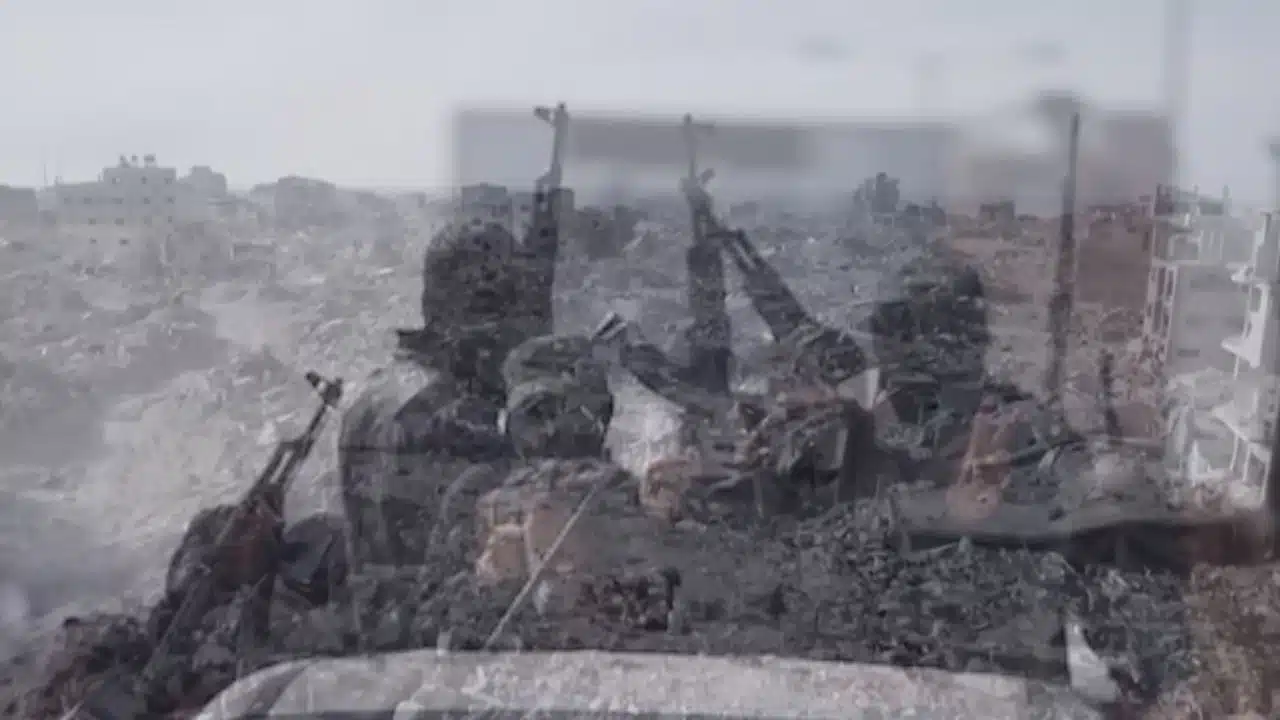
For the first time in many months, both Israel and Hamas signaled readiness to move ahead with negotiations under U.S. President Donald Trump’s proposed Gaza peace plan. On Saturday, Israel’s government confirmed that it is preparing to begin the first phase of the plan immediately, following a statement from Hamas earlier the same day that it would enter talks “without delay.”
This dual acknowledgment is seen as a potential breakthrough in a conflict that has dragged on for nearly two years since the October 7, 2023 Hamas-led attack on Israel. That attack set off Israel’s ongoing military campaign in Gaza, which has left tens of thousands dead, displaced much of the civilian population, and drawn growing international condemnation.
Trump’s 20-point plan—unveiled in Washington last month—represents the most ambitious international effort yet to achieve a ceasefire, free hostages, and outline a roadmap toward Palestinian self-determination.
What Hamas Agreed To
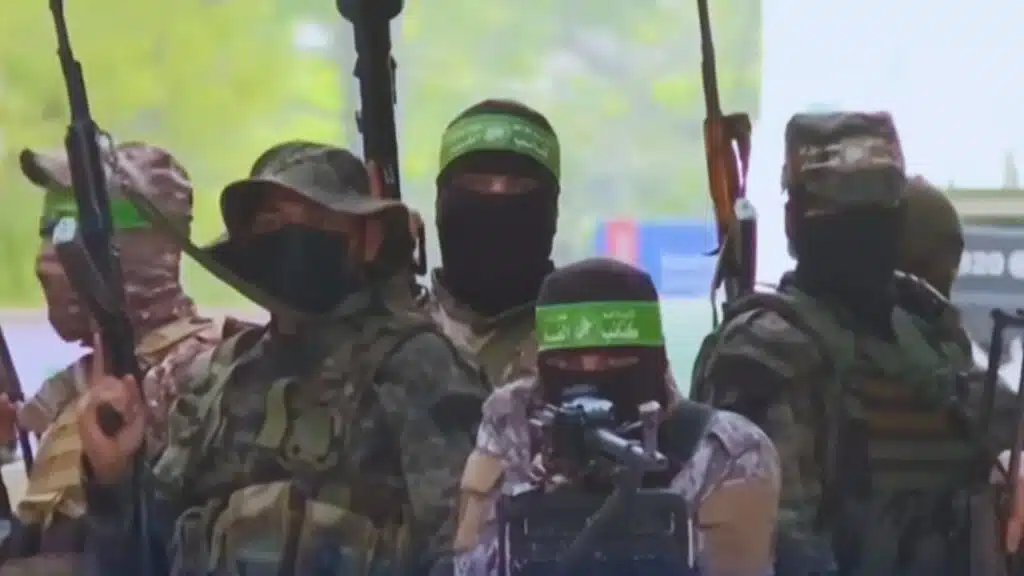
On Saturday morning, Hamas announced that it would:
- Enter immediate negotiations through mediators such as Qatar, Egypt, and Turkey.
- Release hostages abducted on October 7, 2023, in line with Trump’s demands.
- Hand over governance of Gaza to a nonpartisan Palestinian technocratic authority, based on national consensus, and supported by Arab and Islamic nations.
However, Hamas stopped short of unconditional acceptance of Trump’s plan. Its statement left major gaps:
- It did not agree to disarm or dismantle its extensive underground infrastructure.
- It ignored Trump’s demand for an international “Board of Peace” oversight committee, chaired by the U.S., to manage Gaza’s governance.
- It insisted that it would continue to “contribute with full responsibility” to a Palestinian national framework, meaning Hamas wants some role in the political future of Gaza, even though the plan explicitly excludes it from governance.
Israel’s Response
In a swift reply, the office of Israeli Prime Minister Benjamin Netanyahu announced:
“In light of Hamas’s response, Israel is preparing to immediately implement the first phase of Trump’s plan for the immediate release of all hostages.”
The Israel Defense Forces (IDF) later confirmed it had been ordered by civilian leadership to advance readiness for the initial phase. Reports suggest that Israel may pause its grinding ground offensive in Gaza City, which has displaced thousands and drawn global criticism, and shift to a defensive military posture across the Gaza Strip.
Still, uncertainty remains. Neither Netanyahu’s office nor the IDF made clear:
- Whether the bombing of Gaza will fully stop, as Trump has demanded.
- When exactly the hostage releases would begin.
- How long any pause in offensive operations would last.
The Hostage Crisis: Where It Stands
Hostages remain one of the most painful legacies of October 7. On that day, 251 people were kidnapped into Gaza.
As of September 2, 2025, the Israeli government reports:
- Still in Gaza: 47
- Presumed alive: 20
- Presumed dead: 27
- Recovered: 204
- Released: 138
- Rescued by the IDF: 8
- Found dead: 55
- Escaped but mistakenly killed by IDF fire: 3
In addition, one other hostage—a soldier captured in 2014—remains in Gaza.
The release of all remaining hostages within 72 hours is one of the cornerstones of Trump’s proposal, making Hamas’s willingness to negotiate on this point a critical opening.
Trump’s Reaction

Trump welcomed Hamas’s announcement on his social media platform Truth Social, writing that he believes Hamas is “ready for lasting PEACE.”
At the same time, he pressed Israel to halt its bombardment of Gaza:
“Israel must immediately stop the bombing of Gaza, so that we can get the hostages out safely and quickly! Right now, it’s far too dangerous to do that. We are already in discussions on details to be worked out.”
Later, in a video message, Trump called it a “big day” but added a note of caution: “We’ll see how it all turns out. We have to get the final word down in concrete.”
Key Demands in Trump’s 20-Point Plan
The peace plan, presented in Washington last week by Trump alongside Netanyahu, contains sweeping requirements:
- Ceasefire and Hostages
- Immediate halt to fighting.
- Release of all 48 remaining hostages (20 believed alive) within 72 hours.
- Prisoner Exchange
- Israel to free 250 Palestinians serving life sentences and 1,700 detainees arrested since the war began.
- Demilitarization
- Hamas must decommission its weapons and destroy its tunnel and rocket infrastructure.
- International monitors would oversee and ensure these facilities are not rebuilt.
- Governance of Gaza
- Gaza to be run by a temporary Palestinian technocratic authority, not Hamas.
- Oversight by an international body called the “Board of Peace.”
- Security Transition
- Israel to gradually withdraw its forces.
- Security handed to an International Stabilization Force (ISF) led by Arab countries.
- Path to Statehood
- The proposal recognizes the aspiration for a future Palestinian state and promises a “credible pathway” to self-determination.
International Mediation Efforts
Regional powers have responded cautiously but positively:
- Egypt called Hamas’s move “a positive development.”
- Qatar said it had already started working with Egypt and the U.S. to continue talks.
- Turkey expressed support for any framework that reduces violence and prevents further displacement of civilians.
International observers stress that even if negotiations begin, bridging the differences—especially on disarmament and governance—will be extremely challenging.
Trump’s Deadline and Warning
On Friday, before Hamas’s statement, Trump had issued a stark ultimatum: if Hamas did not accept the deal by Sunday, 6 p.m. ET, then:
“All HELL, like no one has ever seen before, will break out.”
The compressed timeline has raised doubts among diplomats. Mediators acknowledge that a full agreement is unlikely before the deadline, but initial talks could buy more time.
Challenges Ahead
Even with both sides signaling openness, major obstacles remain:
- Disarmament: Hamas has repeatedly refused to surrender weapons.
- Role in governance: Hamas insists on participating in future Palestinian political frameworks, directly contradicting Trump’s plan.
- Military pauses: Israel has not clarified if it will actually stop bombing across all of Gaza.
- Trust and verification: Any plan will need strong enforcement mechanisms, given decades of failed ceasefires.
- Humanitarian crisis: Gaza’s infrastructure is in ruins; rebuilding will require massive funding and international cooperation.
For now, the focus is on whether Hamas will formally agree to Trump’s 20-point plan before the Sunday deadline, and whether Israel will show restraint in its military operations.
Mediators from Qatar, Egypt, and Turkey are working urgently with both sides, while Trump continues to publicly pressure leaders.
Even if the initial stage—hostage release and ceasefire—moves forward, the longer-term questions of Gaza’s governance, demilitarization, and Palestinian statehood will take far longer to resolve.
Still, after nearly two years of relentless fighting and failed diplomacy, this weekend marks the closest the parties have come to a potential ceasefire deal—though whether it becomes reality remains highly uncertain.
The Information is Collected from BBC and CNN.