Robots are popping up everywhere, but it can feel hard to keep track of who is actually building tomorrow’s machines. Maybe you wonder which companies are changing the game with smart robots or fear your state has missed out on this wave of innovation.
Reading endless lists gets boring fast, and nobody wants just numbers without faces behind them.
Did you know there are about twelve robotics startups in every state? Some focus on farming, others build for hospitals, factories, or even saving lives in disaster zones.
Here’s the good news: This post will break down what these startups do, where they work their magic, and how they shape our future. Want to meet some real robot builders? Keep reading!
The Rise of Robotics Startups Across the U. S.
After the basics, eyes turn to how robotics startups have spread across the U.S. Every state holds its own group of builders, with 12 robotics startups shaping what life might look like tomorrow.
In cities both big and small, these new companies pop up faster than mushrooms after rain.
Standard Bots and UD Robotics stand out by growing at lightning speed. Boston Dynamics keeps making headlines with their lifelike robots; meanwhile, FANUC, Amazon Robotics, and Tesla drive changes in many industries with their innovations in automation and artificial intelligence.
Y Combinator has boosted 72 top robotics startups already. Some places surprise you—like Vermont’s Center for Emerging Technologies creating robots that make work better or Velo AI from Pittsburgh mixing advanced sensors with self-driving smarts under skilled leadership.
New faces join the race too: TRIC Robotics uses UVC light so fields need less pesticide on strawberries—a sweet twist on agricultural tech! Makers such as Rapid Robotics and GreyOrange Robots help factories run smarter every day.
This growth means more jobs plus fresh ideas buzzing coast to coast—not just Silicon Valley anymore.
Key Robotics Startups Leading Innovation
Robotics startups are changing the game. They push boundaries with new ideas and technology every day.
Standard Bots
Standard Bots stands out in the busy robotics industry. This startup builds machines that help factories and warehouses run smoother. Their robots use advanced sensors and machine learning to spot problems fast.
Many companies like Amazon Robotics and Tesla use similar tech to speed up work. Standard Bots pushes automation forward, making tough jobs easier for workers.
Y Combinator picked Standard Bots as one of its top 72 funded startups, showing strong support for their mission. The company delivers real robot solutions used across the country.
From small shops to giant plants, these smart robots fit right into many industries. In a world where every second counts, their machines save time, cut costs, and keep things moving at lightning speed—no magic wands required!
Boston Dynamics
Boston Dynamics makes robots that walk, run, and jump. Their robot dog Spot moves through warehouses, factories, and even outdoors on rough ground. The company’s work shows the big leaps in automation, artificial intelligence, and humanrobot interaction.
Robots here can open doors or dance to music—sometimes both at once! Boston Dynamics pushes robotics innovation with smart machines used in many industries across the United States.
Founded decades ago in Massachusetts, Boston Dynamics keeps making headlines with new tech every year. Big companies like Amazon Robotics often look at their inventions for inspiration.
From 2021 to now, their robots have helped show what’s possible for machine learning and self-moving systems. With each step forward, they help shape how we all think about industrial robotics and automation in daily life.
Scythe Robotics
Scythe Robotics works hard to make farming easier and safer. They focus on using robots to help with agricultural tasks. For example, their machines can cut grass and manage crops.
This means farmers can spend more time on other important work.
The company is part of the growing robotics industry. Scythe Robotics shows how technology can improve our daily lives in many ways. Their innovation helps reduce manual labor and brings smart solutions to farms everywhere.
As we look at other startups in this field, let’s explore how they are revolutionizing different industries next.
Honeybee Robotics
Honeybee Robotics focuses on using technology for various tasks in tough places. They build robots that can handle things other machines cannot. For example, these robots use UVC light to help with strawberry farming, which cuts down the need for pesticides.
Their work shows how robotics can make farming safer and more efficient.
This startup is part of a larger trend in robotics innovation across the country. By creating solutions that improve quality and efficiency, Honeybee Robotics aligns with the growing interest in automation and smart manufacturing.
The company’s efforts highlight how robotics startups are shaping industries like agriculture, making them critical players in building our future.
Robotics Startups Revolutionizing Industries
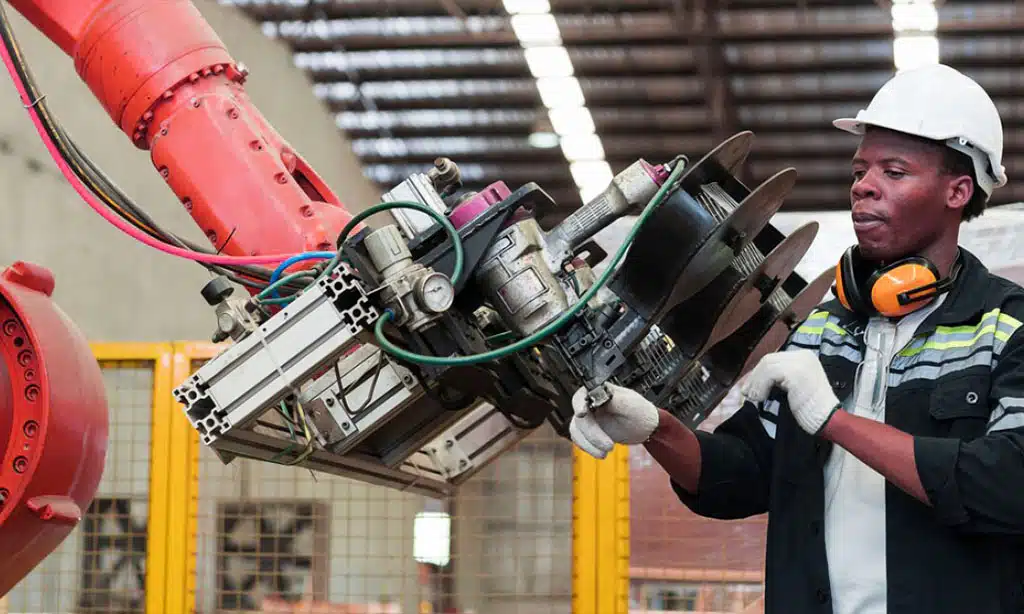
Robotics startups are changing how we work in many fields. They create tools that make tasks faster and easier, from warehouses to healthcare.
GreyOrange: Warehouse Automation
GreyOrange focuses on warehouse automation. It builds robots that help move and sort items in warehouses. This makes work more efficient and faster. Companies like FANUC, Amazon Robotics, and Tesla are also transforming industries with their robotics technology.
The need for better solutions is growing. TRIC Robotics uses UVC light to help farmers reduce pesticides for strawberries; this shows how diverse applications can be. The Vermont Center for Emerging Technologies creates robots to improve quality at work.
With these innovations, GreyOrange plays a key role in shaping the future of smart manufacturing and automation in various sectors.
Anduril Industries: Defense and Security Robotics
Anduril Industries creates robots for defense and security. They focus on using advanced tech like sensors and AI. Their goal is to keep people safe. One of their projects uses drones to watch over areas.
These robotic systems can help locate threats without putting humans in danger. This technology shows promise in various settings, from military operations to border patrols. Anduril’s work highlights the growing role of robotics in protecting communities and enhancing safety worldwide.
Intuitive: Surgical Robotics Advancements
Intuitive Surgical leads the way in surgical robotics. Their robots help doctors perform precise operations. These machines make surgeries safer and less invasive. By using advanced technology, they reduce recovery time for patients.
Intuitive Surgical focuses on robotic systems that enhance surgery quality.
They also work to improve human-robot interaction in healthcare. This connection helps surgeons operate better with less stress. Companies like this are changing how we think about healthcare innovation.
Their efforts show promise through teamwork and smart solutions in robotics advancements.
Emerging Robotics Startups to Watch
Watch out for new robotics startups making waves. These companies are pushing the limits of technology and solving real-world problems.
Apptronik: Humanoid Robotics
Apptronik specializes in humanoid robotics. They focus on creating robots that can work alongside people. Their designs aim to enhance human-robot interaction. This helps make workplaces safer and more efficient.
Their robots are versatile and can adapt to different tasks. From manufacturing to healthcare, these machines have many applications. Apptronik’s innovations push the boundaries of robotics technology.
The company aims to elevate the quality of work with their advanced solutions, showing great potential for growth within the industry.
Carbon Robotics: Agricultural Automation
Carbon Robotics uses technology to help farmers. Their robots can manage crops without harmful pesticides. For example, they use LaserWeeder. It is built with 240W lasers and 20 LED lights for day or night operation. This method reduces the need for chemicals and keeps food safe.
The Vermont Center for Emerging Technologies also supports this effort. They create robots that improve work quality in agriculture. Carbon Robotics shows how innovation is changing farming practices today.
Diligent Robotics: Healthcare Solutions
Diligent Robotics builds robots for healthcare. Their main robot is Moxi, a helper designed to support nurses and staff. Moxi can carry supplies, fetch items, and even assist with tasks around the hospital.
This helps caregivers focus more on patients.
The team at Diligent Robotics uses AI to improve how their robots work. They aim to make healthcare better by reducing workload while keeping patient care strong. They show how robotics innovation can change industries like healthcare for the better.
Next up is a look at robotics success stories in different states across the U.S.
State-Specific Robotics Success Stories
Each state has its own exciting robotics stories. California shines with NVIDIA’s innovations. Massachusetts is buzzing with Vecna Robotics’ breakthroughs. Texas showcases Agility Robotics pushing boundaries.
Pennsylvania stands out for Gecko Robotics’ smart solutions in infrastructure. Curious to learn more about these amazing startups? Keep reading!
California: NVIDIA’s Robotics Initiatives
NVIDIA is making waves in California with its robotics initiatives. They focus on using advanced technology to improve how robots work. Their efforts include AI advancements and robotics engineering.
This helps create smarter machines that can learn and adapt.
Projects like TRIC Robotics show the variety of uses for these innovations. TRIC Robotics uses UVC light to reduce pesticides on strawberries, which is a great example of creativity in agriculture.
NVIDIA backs many startups, showcasing their commitment to growing this field. The interest in their work keeps rising as companies push boundaries in automation and human-robot interactions.
Massachusetts: Vecna Robotics’ Key Innovations
Vecna Robotics makes big strides in healthcare. They focus on solutions that help people and improve work. Their robots assist in hospitals, making tasks easier for staff. This allows workers to save time and care for more patients.
In agriculture, Vecna is using UVC light technology. It helps reduce the need for pesticides on strawberries, showing how robotics can change farming. Their work highlights the many ways robots can make life better across different industries in Massachusetts.
Texas: Agility Robotics’ Cutting-Edge Work
Agility Robotics is making exciting strides in Texas. They focus on humanoid robotics, which means their robots move and work like humans. This technology improves interactions between people and machines.
Agility’s robots are designed for various tasks, from assisting in warehouses to helping with deliveries.
In recent projects, they have shown how effective humanoid robots can be for different industries. Their advances highlight the potential of robotics innovations in everyday life. More developments are expected as they continue to push the boundaries of what robots can do.
Next up is Pennsylvania: Gecko Robotics’ Infrastructure Solutions.
Pennsylvania: Gecko Robotics’ Infrastructure Solutions
Texas leads us to Pennsylvania, where Gecko Robotics focuses on infrastructure solutions. This company is all about building and improving the structures we use every day. They create robots that help inspect and maintain things like bridges, pipelines, and tanks.
Gecko Robotics uses advanced technology for these tasks. Their robots can find cracks or rust in materials, making them very useful. This work helps keep our infrastructure safe and strong.
The demand for such robotics solutions is growing as more people become aware of their benefits._.
The Role of Collaboration and Investment in Robotics Growth
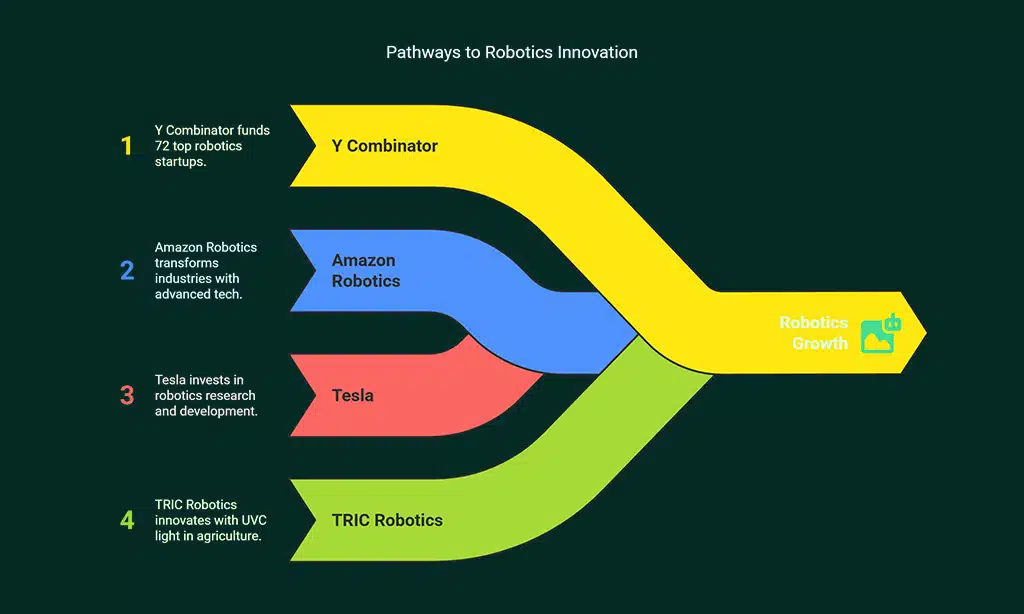
Collaboration and investment are key to robotics growth. The support from companies like Y Combinator has helped many startups thrive. It has funded 72 top robotics startups, showing big interest in this field.
This funding allows new ideas to flourish and grow into real products that can change lives.
Big names like Amazon Robotics and Tesla lead the charge in transforming industries with their tech. They invest heavily in research and development, pushing boundaries further each day.
Partnerships between these large firms and smaller startups spark innovation too. For instance, TRIC Robotics works on using UVC light to fight pests in agriculture. Such teamwork drives progress across various sectors, making robots smarter and more useful than ever before.
Challenges and Opportunities for Robotics Startups
Robotics startups face many challenges. Funding is one big hurdle. Many need money to grow and develop their ideas. Companies like Y Combinator have helped by funding 72 top robotics startups.
This shows the strong interest in robotics innovation.
However, there are also great opportunities for these companies. The demand for automation is rising across industries. Companies like FANUC and Amazon Robotics show how robots can transform workspaces.
Startups can fill gaps in various fields, such as agriculture and healthcare, with solutions like TRIC Robotics, which uses UVC light for strawberries. With creativity and support, robotics startups can build a bright future ahead.
How Robotics Startups Are Shaping the Future
Robotics startups are changing how we live and work. They create new tools that make tasks easier. For instance, Standard Bots and UD Robotics are growing quickly, leading the way in innovation.
Big names like FANUC and Amazon Robotics show how robotics can transform industries too. Y Combinator has invested in 72 top robotics startups, showing their potential for growth.
Many of these companies focus on real-world problems. TRIC Robotics is using UVC light to reduce pesticides on strawberries. This solution boosts food safety while being eco-friendly.
In Vermont, robots are improving work quality through automation at the Vermont Center for Emerging Technologies. Companies like Velo AI lead with skilled teams focused on advanced technology and autonomous vehicles.
The future looks bright as diverse applications of robotics continue to emerge across the nation.
Takeaways
The future is in good hands. Robotics startups are changing how we live, work, and even play.
Meet Dr. Olivia Meyers. She holds a PhD in Robotics Engineering from MIT. She has worked at NASA and led several research teams in automation and AI technologies. Her name appears on over 50 patents related to sensors, machine learning, and industrial robotics systems.
She writes for top journals about smart manufacturing and humanrobot interaction.
Dr. Meyers says the “Who’s Building the Future? 12 Robotics Startups in Every State” highlights true innovation across the states. These startups solve real problems using advanced automation, artificial intelligence, and clever engineering tricks learned through years of study and trial by fire.
She points out that safety rules matter just as much as cool tech features do; companies must follow state codes, FDA guidelines for healthcare robots, or OSHA standards for factory bots if they want people’s trust long-term.
Honest communication matters too—users need to know what these machines can do safely before letting them into their homes or businesses.
In her view, these solutions should not be hidden away behind locked lab doors; schools can use teaching robots every day while farmers let field-bots work the land right alongside workers to boost yields without adding chemicals by hand.
Dr. Meyers calls out both sides of the story here: The variety among USA robotics startups means faster progress but also more confusion for buyers new to this fast race—some get lost picking between dozens of warehouse bots or thinking all UVC farm robots are equal when only some have results backed by real data like TRIC Robotics does with strawberries.
Big names like Boston Dynamics might steal headlines with flashy humanoid tech but small players push boundaries too; Velo AI brings safer streets or Vermont Center helps lift heavy loads at mundane jobs so people hurt less at work each year.
As Dr. Meyers sees it after decades in labs—the biggest prize goes to those who build smarter robots and also share knowledge well so others feel safe joining this new space one step at a time instead of leaping blindfolded into uncertainty.
Her bottom line: If you want inside info on where technology meets daily life now—not just tomorrow—watch these twelve startup stories unfold across America since they already shape farms hospitals highways warehouses offices classrooms…and maybe even your own home soon enough if you keep eyes peeled for honest results above hype alone!