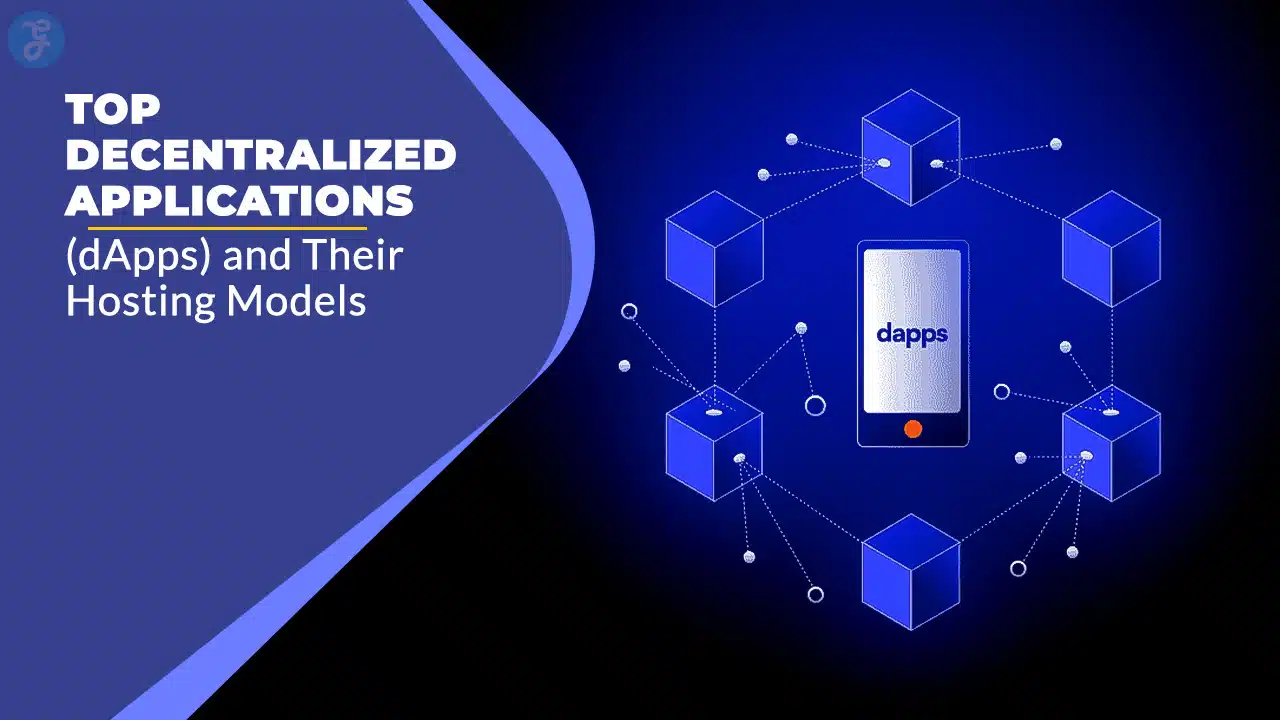
You want to use dApps but do not know which ones to trust. In 2023, dApps on Ethereum and Binance Smart Chain used blockchain networks for billions in DeFi and NFT trades. This post lists the top ten decentralized applications and their hosting models to help you pick the best one.
Stay tuned.
Key Takeaways
- In 2023, dApps on Ethereum and Binance Smart Chain processed billions in DeFi and NFT trades. PancakeSwap charges 0.2% maker-taker fees and uses the CAKE token. Uniswap launched in 2018 with the UNI governance token. Aave offers 0.09% flash loans. 1inch debuted in 2019. OpenSea, Upland, Splinterlands, NBA Top Shot, and Socios.com host NFTs and fan tokens.
- Teams use three hosting models: blockchain-based hosting on public ledgers like Ethereum or BSC; IPFS for peer-to-peer front-end file storage; and hybrid hosting that runs smart contracts on chain while serving UI assets from cloud servers to cut latency and costs.
- Decentralized hosting brings strong data security on an immutable ledger, lowers operating costs by cutting middlemen and gas fees, and resists censorship via global peer-to-peer networks. Governance tokens let users vote in DAOs and steer protocol upgrades. Cross-chain links share liquidity pools across ETH, BSC, Polygon, and Avalanche.
- Projects face North American regulatory scrutiny and saw an 8% jump in users in 2023, which exposed scaling limits and spurred more smart-contract audits. Hybrid cloud-node setups help teams balance high-speed front ends with on-chain security.
PancakeSwap: Decentralized Exchange on Binance Smart Chain
PancakeSwap runs on Binance Smart Chain, a fast blockchain network. This decentralized finance platform lets users swap BEP-20 assets with low fees, 0.2% for makers and takers. Its market maker script uses pools to set prices.
Traders add funds to pools as funders to earn trading rewards.
The platform uses the CAKE token for governance votes and utility perks. People link a crypto wallet like MetaMask to trade. The interface sits in your browser and loads fast on chain.
Uniswap: Ethereum-Based Automated Market Maker
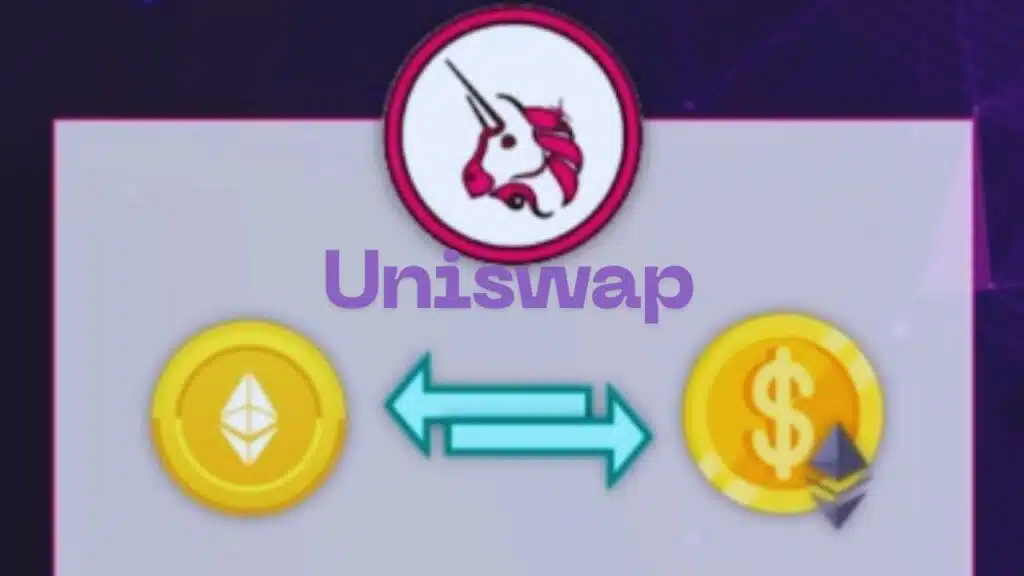
Uniswap launched in 2018 on the Ethereum blockchain. It runs as one of the top decentralized exchanges on Ethereum. It uses smart contracts to power an automated market maker in decentralized finance.
Traders swap ERC-20 tokens without order books. Liquidity pools help match buys and sells on this peer-to-peer network.
The platform sets a transparent fee for every trade. Users vote on updates with the UNI governance token. The app works on a public chain with open code. People connect with crypto wallets or a browser extension wallet.
OpenSea: Leading NFT Marketplace
OpenSea hosts millions of digital art, collectibles, and domain name tokens on the Ethereum network. Artists tap ERC-721 and ERC-1155 smart contracts to set seller fees and list items.
It feels like a carnival of coded treasures, each piece stored via IPFS and recorded on an immutable ledger. Users browse listings through a blockchain explorer or view total value locked in real time.
Collectors link a cryptocurrency wallet like MetaMask or Coinbase Wallet to bid or buy nfts. The platform runs as a decentralized application on blockchain technology, keeping each trade secure and transparent.
Developers call its API to pull trading volume, liquidity pools data, or governance tokens with a simple request.
Aave: Decentralized Lending and Borrowing Platform
Aave runs on Ethereum as a decentralized finance platform. Users tap into liquidity pools via smart contracts to lend or borrow digital assets. This protocol shields identities to keep transactions private.
Liquidity providers earn interest with no bank needed. Borrowers access crypto without lengthy approvals.
Aave turns on flash loans with just a 0.09% fee. Traders borrow and return assets in a single block, no upfront collateral needed. Governance rests with AAVE token holders. They shape upgrades through decentralized governance.
This model drives financial inclusion and censorship resistance.
Compound: Algorithmic Money Market Protocol
Compound runs on the Ethereum network. It acts as an algorithmic money market in decentralized finance. Users lend and borrow USDC, Ether, and Dai through smart contracts. The protocol automatically matches lenders with borrowers in a peer-to-peer network.
It distributes interest from liquidity pools as soon as trades complete.
COMP governance tokens let holders steer upgrades via decentralized voting. This model aligns incentives across participants. It keeps the ecosystem open and resilient.
Upland: Virtual Property Trading Game
Players roam a city map in the metaverse, they buy virtual parcels that mirror real addresses. This decentralized app uses blockchain technology and smart contracts to secure each real estate trade.
You collect rent, flip parcels, and trade assets for profit. No crypto wallet? No sweat, you can play on iOS or Android without one.
Play-to-earn mechanics let you turn virtual gains into real-world cash. Blockchain-backed assets tie to actual sites, so you hold NFTs that represent real land. Transactions land on a public ledger, they stay fast and transparent.
It feels like a modern Monopoly with real stakes.
1inch: Decentralized Exchange Aggregator
1inch pulls liquidity from scores of dexs. It uses smart contracts to split trades across automated market maker pools. Users lock in better prices on token swaps. The platform runs on peer-to-peer networks and blockchain nodes.
It feels like a market maker that scouts every market for the best deal.
Originating on Ethereum in 2019, 1inch spread to Binance Smart Chain, Polygon and Avalanche. It holds billions in total value locked, thanks to its defi roots. Traders tap its limit orders and governance tokens to steer upgrades.
It moves cryptocurrencies at scale, across multiple blockchains.
Splinterlands: Blockchain-Based Trading Card Game
Splinterlands immerses players in a blockchain-based trading card game. The platform runs on public blockchains with smart contracts and sidechains. Cards live as NFTs on an immutable ledger.
The art sits on IPFS nodes for file storage. Parallel transaction execution handles fights in real time. A peer-to-peer network powers reliability and censorship resistance.
Gamers use cryptocurrency wallets to store, buy, and trade NFT cards. The game rewards daily incentives and seasonal bonuses. Active players earn governance tokens to vote in a DAO.
Cross-compatibility spans Ethereum and Binance Smart Chain. It blends gaming dapps with defi flair to spice the digital economy.
NBA Top Shot: Collectible NFT Moments Platform
NBA Top Shot serves as an official hub for collectible NFT moments. Users buy digital trading cards and highlight clip tokens. The platform uses Flow chain smart contracts to log each sale on an immutable ledger.
Each item shows player name, rarity tier, and serial number. Buyers connect cryptocurrency wallets like MetaMask or Dapper for payments. Wallet holders can also use credit cards or integrated wallet funds.
The site runs peer-to-peer trades across a decentralized network. Highlight videos sit on IPFS to boost resilience. The platform loads trade history in seconds and displays total value locked.
Participants bid in packs or grab single moments at set prices. Fans enjoy verifiable ownership via NFT metadata stored on-chain.
Socios. com: Fan Token Engagement Platform
This platform runs on the Chiliz Chain, a network built for fan token markets. It issues governance tokens via smart contracts and records them on blockchain technology. Clubs such as FC Barcelona, Juventus, and Paris Saint-Germain launch these coins.
Fans load tokens into cryptocurrency wallets and vote in club polls. It fuels fan passion like a halftime spark.
VIP deals and exclusive experiences await each token holder. The mobile application shows live polls and token balances in real time. Every vote, reward, and trade lands on an immutable ledger.
The service links fans in a peer-to-peer network and adds defi style to sports. Partnerships with leading football clubs drive global fan engagement.
Hosting Models for dApps
Dev teams plant smart contracts on a peer-to-peer ledger or stash front ends on a distributed file network for full decentralization. Some teams blend cloud services with node clusters to dodge slow block times and slash hosting fees.
Blockchain-Based Hosting: Hosting directly on decentralized networks like Ethereum or Binance Smart Chain
Developers host dApps code on a public ledger network and a smart contract system (Binance Smart Chain). This setup cuts central authority control fast, thanks to smart contracts that run on nodes across the globe.
Nodes verify transactions with proof of work or proof of stake. The peer to peer network stays online, rain or shine.
Users read the immutable ledger, so they see every move in DeFi and gaming dapps. Censorship resistance keeps data safe from power grabs. A network of thousands of nodes delivers high uptime.
Projects issue governance tokens or NFTs to power community rules, and Ethereum 2.0 gear promises more scale.
IPFS (InterPlanetary File System): Distributed file storage for dApps
IPFS stores dApp front-ends on a peer-to-peer network. The system assigns content IDs to each file for tamper-proof storage. Teams behind decentralized applications trust this method for data integrity.
It builds censorship resistance into blockchain technology. Open-source, transparent architecture lets anyone verify the code. Many DeFi, NFT and supply chain management platforms use it.
Projects like Uniswap, Aave and PancakeSwap host UI assets via IPFS. Smart contracts link to file hashes on Ethereum or Binance Smart Chain. This setup cuts reliance on centralized servers.
It gives users faster loads and lower hosting costs. Gamers in Splinterlands or NBA Top Shot enjoy seamless dApp access. You gain peer-to-peer speed and trustless hosting.
Hybrid Hosting: Combining decentralized networks with centralized servers for scalability
Hybrid hosting hooks blockchain technology to cloud servers for true scalability. It runs smart contracts on a peer-to-peer ledger and offloads bulky files or UI calls to a fast server.
Users get censorship resistance from the chain and speedy loads from the cloud. This blend yields a resilient, high-speed frontend for decentralized apps.
DeFi dApps on networks like Binance Smart Chain lock liquidity pools within the ledger and mirror data on clouds to serve thousands of wallets. They pass security audits on core logic while servers handle heavy JSON queries.
Teams tweak governance tokens or DAO settings off the main ledger yet still keep an immutable record on mainnet. Hybrid hosting keeps both security and speed in check.
Benefits of Decentralized Hosting Models
DApps host code on nodes across many machines. Users avoid downtime thanks to broad network reach.
- Strong data security stands on an immutable ledger, it blocks tampering through smart contracts and stops unauthorized changes.
- Lower operating costs cut fees, dapps save on middlemen, and users pay less gas.
- Global peer-to-peer networks resist censorship, they keep dapps live even under attacks.
- Direct user governance uses governance tokens, it hands power to holders and drives decentralized autonomous organization votes.
- Seamless cross-chain links drive interoperability, dapps share liquidity pools on ETH and BSC and power decentralized finance apps.
- Distributed file storage powers fast loading, a p2p file system stores assets without central servers.
Challenges in Hosting dApps
New rules test many protocols. Regulators across North America set high bars for decentralized finance (defi) platforms. They fine projects that skip smart contract audits. That stress hits supply chain management tools, gaming dapps, and dexs alike.
Clients chase speed. A boom of 8 percent in users in 2023 shows interest but reveals scaling limits. Hybrid hosts mix centralized servers with peer-to-peer tech like InterPlanetary System on Eth Ledger to fix bottlenecks.
Teams run extra security audits to keep the bridge between core blockchain technology and cloud nodes safe.
Takeaways
This list spotlights dApps powered by smart contracts and peer-to-peer networks. You saw how IPFS and a hybrid cloud node keep data safe and quick. Governance tokens and digital collectibles drive new markets.
React crafts slick user screens, and Chainlink feeds live data to keep trades sharp. Give these dApps a spin and join the DeFi ride.
FAQs
1. What is a dapp and how does it work?
A dapp is an app built on blockchain technology. It runs with smart contracts. It lives on a peer-to-peer network, using an immutable ledger for censorship resistance.
2. What hosting models do top dapps use?
They host on public blockchains like Ethereum, Binance Smart Chain (BSC) or on private chains. Some run supply chain management with IoT sensors on a private network. They mix cloud and on-chain storage in databases to stay scalable.
3. How do DeFi dapps like PancakeSwap use yield farming?
DeFi dapps link liquidity pools, cake token, yield farming and total value locked (TVL) to show size. You stake ERC20 tokens for rewards. You can swap assets on decentralized exchanges (DEXs) fast and furious.
4. Can gaming dapps and NFT marketplaces work on mobile?
Yes, many use React or Vue for a user-friendly UI. You buy NFTs (non-fungible tokens) on NBA Top Shot or through an auction on that fan token app. Some add augmented reality for an extra wow factor.
5. How do DAOs and governance tokens fit in?
A DAO is a decentralized autonomous organization powered by governance tokens. Holders vote and call the shots, steering projects through decentralized governance. It still needs security audits to spot vulnerabilities.
6. Are dapps safe, and how do they protect user funds?
They use an immutable ledger, peer-to-peer network, oracle networks like Chainlink, plus security audits. Cryptocurrency wallets and identity verification help guard your keys. But bugs in smart contracts can risk funds, so testnets matter a lot.